You tip the bag, and poof, a little gray cloud rises up from the litter box. If that scene sounds familiar, dust free cat litter is exactly what you’re after. That haze isn’t just annoying to clean off the shelf. It settles into your cat’s paws, coat, and lungs, and yours too.
Here’s the good news. Modern litters have come a long way. We rounded up 7 low-dust picks across clay, wood, corn, and crystal, so you can find one that keeps the air clear whether your cat has sensitive airways or you just hate dusting.
- No cat litter is 100% dust-free, but low-dust formulas cut airborne particles dramatically compared to standard clay.
- Dust from litter can irritate the airways of cats and people with asthma or allergies, so low-dust matters for sensitive homes.
- Silica crystal, wood pellet, and corn litters usually produce less fine dust than budget lightweight clay.
- Pouring slowly and keeping the box in a ventilated spot cuts down on airborne dust no matter which litter you buy.
- ‘Low dust’ and ‘99% dust-free’ are marketing terms, not regulated standards, so real-world dust still varies by brand.
Our Top Picks
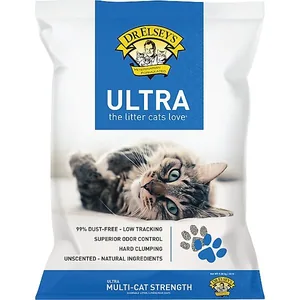
Dr. Elsey’s Ultra Unscented Clumping Clay Cat Litter, 20-lb bag
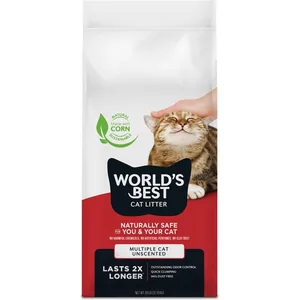
World’s Best Cat Litter Scoopable Multiple Cat Clumping Formula, 28-lb
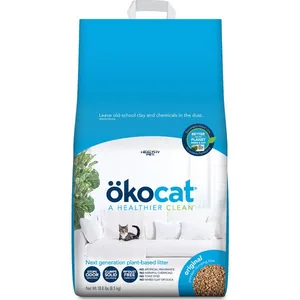
Okocat Original Premium Wood Clumping Cat Litter, 18.8-lb bag
Comparison: Is dust-free cat litter better for asthma at a glance
| Litter | Best for | Type | Price |
|---|---|---|---|
| Dr. Elsey’s Ultra Unscented Clumping Clay Cat Litter, 20-lb bag | Best overall low-dust | Unscented clay | $10.21 |
| World’s Best Cat Litter Scoopable Multiple Cat Clumping Formula, 28-lb | Best natural corn | Plant-based clumping | $34.95 |
| Okocat Original Premium Wood Clumping Cat Litter, 18.8-lb bag | Best wood clumping | Wood fiber | $22.99 |
| Arm & Hammer Litter Cloud Control Platinum Multi-Cat Clumping Cat Litter with Hypoallergenic Light Scent, 37-lb box | Best for allergies | Hypoallergenic clay | $34.99 |
| Feline Pine Original Non-Clumping Wood Cat Litter, 20-lb bag | Best non-clumping wood | Wood pellets | $11.19 |
| PrettyLitter Health Monitoring Cat Litter, 8-lb bag | Best health-monitoring | Silica crystals | $27.48 |
| Tidy Cats Free & Clean Unscented Clumping Clay Cat Litter, 35-lb pail | Best budget | Unscented clay | $18.99 |
The 7 best best dust free cat litter picks, reviewed
Dr. Elsey’s Ultra Unscented Clumping Clay Cat Litter, 20-lb bag: best overall low-dust
Dr. Elsey’s Ultra is the litter we point most cat parents to first. It’s a heavy, hard-clumping clay that pours with barely a whisper of dust, and it’s completely unscented, which sensitive cats appreciate. The clumps hold together tight, so scooping is quick and the box stays fresher between changes.
At around $10 for a 20-pound bag, it’s also a genuine value. If your cat is picky and you want one reliable low-dust litter that just works, start here. It’s a favorite in multi-cat homes for a reason.
World’s Best Cat Litter Scoopable Multiple Cat Clumping Formula, 28-lb: best natural corn
World’s Best Cat Litter is made from whole-kernel corn, and that plant base means very little of the fine mineral dust you get from clay. It clumps hard, controls odor naturally, and flushes in small amounts (check your plumbing first). The multiple-cat formula is built for busier boxes.
It costs more, near $35 for 28 pounds, but a little goes a long way and it’s lightweight to carry. Great pick if you want low dust plus a renewable, biodegradable material your cat’s paws will find soft.
Okocat Original Premium Wood Clumping Cat Litter, 18.8-lb bag: best wood clumping
Okocat Original is a wood-fiber litter that clumps, which is rarer than you’d think for natural options. The fibers trap moisture and odor while kicking up almost no dust when you pour or scoop. It’s made from reclaimed wood, so it’s easy on the planet and lightweight to haul home.
Around $23 for an 18.8-pound bag, it lands in the middle on price. If you want the low-dust benefit of wood but still want tidy scoopable clumps, Okocat is the sweet spot.
Arm & Hammer Litter Cloud Control Platinum Multi-Cat Clumping Cat Litter with Hypoallergenic Light Scent, 37-lb box: best for allergies
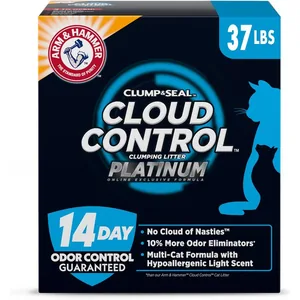
Arm & Hammer Cloud Control Platinum is built for homes where dust and dander are a problem. It’s a hypoallergenic clumping clay with a very light scent, and it’s engineered to release less dust and lock in dander during scooping. The baking-soda odor control is strong without being overpowering.
The 37-pound box runs about $35 and lasts a while in multi-cat setups. If someone in your home sneezes around the litter box, this is a smart place to start, though fragrance-sensitive cats may prefer a truly unscented option.
Feline Pine Original Non-Clumping Wood Cat Litter, 20-lb bag: best non-clumping wood
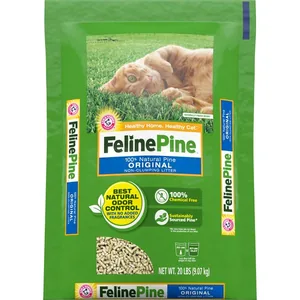
Feline Pine Original is about as simple and low-dust as litter gets. These are natural pine pellets that break down into sawdust as they absorb urine, and pellets barely produce airborne dust at all. The fresh-pine smell handles odor without added chemicals or fragrance oils.
At roughly $11 for 20 pounds, it’s budget-friendly. It’s non-clumping, so you’ll sift and change it differently than clay, but for a low-dust, natural box on a budget, Feline Pine is hard to beat.
PrettyLitter Health Monitoring Cat Litter, 8-lb bag: best health-monitoring
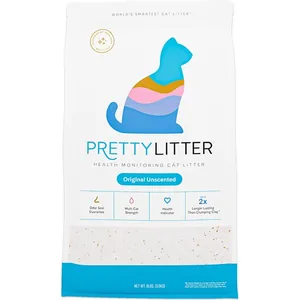
PrettyLitter is a silica crystal litter that does double duty. Crystals are naturally low-dust and super absorbent, and this one changes color to flag possible signs of health issues in your cat’s urine, like blood or unusual pH. It’s a nice early-warning tool between vet visits.
The 8-pound bag is about $27 and lasts roughly a month for one cat since crystals absorb rather than clump. Color changes are a prompt to call your vet, not a diagnosis. Great for attentive cat parents who want low dust and a little extra peace of mind.
Tidy Cats Free & Clean Unscented Clumping Clay Cat Litter, 35-lb pail: best budget
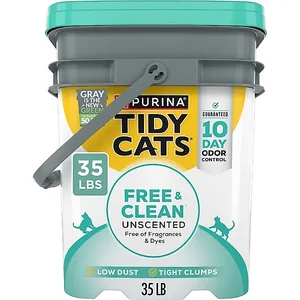
Tidy Cats Free & Clean gives you low-dust, unscented clumping clay in a big pail for very little money. It uses activated charcoal for odor control instead of perfume, so it’s a solid pick for cats who turn their noses up at scented litter. The clumps are firm enough for easy daily scooping.
The 35-pound pail is around $19, which makes it one of the cheapest ways to get a genuinely low-dust box. If you’re stretching a budget across multiple cats, this one delivers.
How to choose the best best dust free cat litter
Why does litter dust matter?
Litter dust is the fine powder that goes airborne when you pour, scoop, or when your cat digs. Those tiny particles settle on floors and get inhaled by both cats and people. For a healthy cat it’s usually just a minor irritant, but for cats or owners with asthma or allergies, dust can trigger coughing, sneezing, and airway irritation. Less dust means cleaner air around the box.
Clay vs wood vs corn vs crystal: which is least dusty?
As a rule, silica crystals and large wood pellets are the lowest-dust materials because the particles are big and heavy, so they don’t float. Corn and wood-fiber clumping litters sit in the middle. Clay varies a lot: cheap lightweight clay is often the dustiest, while premium low-dust clays like Dr. Elsey’s Ultra are carefully sifted to remove fines. Material matters, but so does how well the brand processes it.
How can I reduce litter dust at home?
You can cut dust no matter which litter you buy. Pour slowly and close to the box instead of dumping from high up. Don’t overfill; two to three inches is plenty. Keep the box somewhere ventilated, and wear a mask if you’re dust-sensitive during full changes. A covered box or a litter mat also helps trap particles before they spread.
What about allergies and asthma?
If you or your cat have allergies or asthma, choose an unscented, low-dust litter and skip heavily perfumed formulas, since fragrance can irritate airways as much as dust. Wood pellets and crystals are gentle choices. Just remember, no litter is completely dust-free, so pair a good low-dust litter with good ventilation for the best results.
Is dust-free cat litter better for asthma?
Low-dust cat litter is generally better for homes affected by asthma, because inhaled litter dust can irritate sensitive airways in both cats and people. Unscented crystal, wood pellet, and premium sifted-clay litters produce the fewest airborne particles, which helps reduce triggers. Keep in mind no litter is truly 100% dust-free, and fragrance can be an irritant too. If your cat is coughing, wheezing, or breathing rapidly, that’s not something litter alone fixes. Talk to your veterinarian, since feline asthma is a real medical condition that needs proper diagnosis and treatment.
Common mistakes to avoid
A few easy mistakes make even a good low-dust litter dustier than it needs to be. The biggest one is pouring fast from up high, which sends a cloud straight into the air; tip the bag slowly and close to the box instead. Over-filling is another; a deep bed doesn’t reduce dust, it just wastes litter and gets kicked out. And watch the labels closely. ‘Low dust,’ ‘99% dust-free,’ and ‘dust-free’ are marketing phrases, not regulated standards, so two bags making the same claim can perform very differently. Read reviews and trust what you see when you actually pour it.
Dust is just one piece of the litter puzzle. If your cat is avoiding the box, here’s why your cat may not be using the litter box, and how to figure out how many litter boxes per cat you really need. For more options across every type, see our roundups of the best clumping cat litter and the best lightweight cat litter.
Frequently asked questions
Q: Is any cat litter truly 100% dust-free?
No cat litter is genuinely 100% dust-free. Even the best low-dust formulas release some fine particles when poured or disturbed. Silica crystals and large wood pellets come closest, but ‘dust-free’ on a label is a marketing claim, not a guarantee of zero dust.
Q: What is the best low-dust cat litter for allergies?
For allergy-prone homes, unscented low-dust options work best. Dr. Elsey’s Ultra (sifted clay), Arm & Hammer Cloud Control (hypoallergenic), and natural wood or crystal litters like Feline Pine and PrettyLitter minimize both dust and fragrance, which are common triggers.
Q: Is clay or crystal litter less dusty?
Silica crystal litter is usually less dusty than clay because the crystals are large and heavy, so they don’t float into the air. Still, premium sifted clay litters made for low dust can come very close, while cheap lightweight clay tends to be the dustiest.
Q: Does dust-free litter help cats with asthma?
Low-dust litter can reduce airway irritation for cats with asthma, since inhaled dust is a known trigger. Choose unscented crystal or wood-pellet options. Litter alone won’t treat feline asthma, though, so a coughing or wheezing cat needs to see a veterinarian.
Q: Is wood or corn litter low dust?
Both wood and corn litters are generally lower in fine dust than budget clay. Wood pellets and wood-fiber litters like Feline Pine and Okocat produce very little airborne dust, and corn-based World’s Best clumps well while staying relatively low-dust and biodegradable.
Q: How do I reduce dust when changing the litter box?
Pour slowly and close to the box rather than dumping from high up, keep the litter bed two to three inches deep, and set the box in a ventilated area. Wearing a mask during full changes helps if you’re dust-sensitive, and a litter mat traps stray particles.
Q: Is PrettyLitter dust-free?
PrettyLitter is a silica crystal litter, and crystals are naturally low-dust because the particles are large and don’t float easily. No litter is completely dust-free, but PrettyLitter produces very little airborne dust and doubles as a color-changing health monitor between vet visits.
Q: Why does my cat sneeze when using the litter box?
Litter dust and added fragrance are common reasons cats sneeze around the box. Switching to an unscented, low-dust litter often helps. If the sneezing is frequent or comes with coughing, discharge, or labored breathing, check with your veterinarian to rule out infection or feline asthma.
The bottom line
If we had to pick one, Dr. Elsey’s Ultra Unscented is our top dust free cat litter for 2026: cheap, hard-clumping, and refreshingly low on dust. But the best choice depends on your cat, so match the material to your home and any allergy or asthma needs. For more on healthy litter habits, the experts at International Cat Care and the ASPCA are great, trustworthy reads.

Hello and welcome to The Ideal Cat!
We are some passionate cat owners from different professions. We love our cats and have a lot of experience in how to care for our pets. We are incredibly excited to share our knowledge, experience, and research with you. So you can take good care of your loving cat. We will answer most of the common questions about owning cats, taking care of them, etc. If you have any question contact with us. Thanks for visiting! Enjoy the content.
