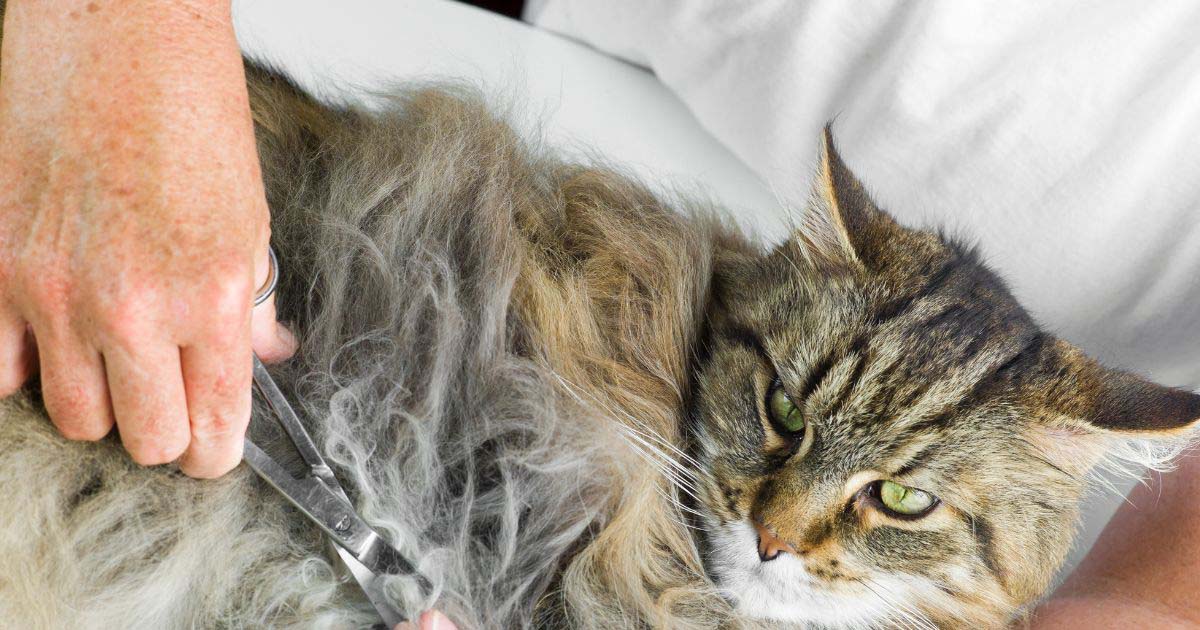
Cats are one of the most beloved pets around the world, thanks to their independent nature, soft fur, and adorable personalities. However, one of the biggest issues cat owners face is matted fur, which can be unsightly, uncomfortable for the cat, and even potentially dangerous. As a cat owner, you need to be aware of how to remove matted fur, the causes of matting, and how to prevent it. In this article, we will guide you through the process of getting rid of matted cat fur.
Causes of Matted Cat Fur:
Matted fur in cats is usually caused by a combination of factors, including a lack of grooming, obesity, medical conditions, old age, and outdoor activities. Let’s take a closer look at each of these causes.
Lack of grooming:
The primary cause of matted cat fur is a lack of grooming. Cats are self-grooming animals, but sometimes, they need a helping hand from their owners. If a cat’s fur is not brushed or combed regularly, it can become matted and tangled, especially in long-haired breeds.
Obesity:
Obesity in cats can also contribute to matted fur. When cats become overweight, they have difficulty reaching certain areas of their body, such as their back or hind legs, which can lead to matting.
Medical conditions:
Several medical conditions can also cause matted fur in cats. For instance, if a cat is suffering from arthritis, it may have difficulty grooming itself properly. Similarly, if a cat has a skin condition, it may develop matted fur as a result of scratching or biting at the affected area.
Old age:
Older cats may also experience matting of the fur due to a decrease in flexibility and mobility. They may have difficulty reaching certain parts of their body to groom themselves.
Outdoor activities:
Cats that spend a lot of time outdoors may be more prone to matted fur, especially if they come into contact with dirt, dust, and other debris.
Tools for Dealing with Matted Fur:
Before you start dealing with matted fur, you need to ensure that you have the right tools for the job. The following are some essential tools you will need:
Grooming tools:
A slicker brush and a comb are essential for removing tangles and mats from your cat’s fur. Make sure you choose the right size of brush and comb, depending on your cat’s fur length and texture.
Scissors:
Scissors can be used to cut away any large mats that cannot be detangled.
Clippers:
Clippers are best used for severe cases of matting where the fur has become too close to the skin.
Combs and brushes:
A fine-toothed comb can be used to remove mats in small areas, such as around the face or paws. A detangling brush is useful for gently removing knots and tangles.
Specialized grooming products:
There are several grooming products available that can help prevent matting and make it easier to detangle fur. These include detangling sprays, coat conditioners, and cat shampoos.
Step-by-Step Guide to Removing Matted Cat Fur:
Now that you have the necessary tools, it’s time to start removing the matted fur. Here’s a step-by-step guide to help you through the process.
Step 1: Preparing the cat
Before you begin removing the matted fur, you need to ensure that your cat is calm and relaxed. Make sure your cat is in a comfortable position and talk to them in a gentle tone to reassure them. You may want to give them some treats or catnip to help them relax.
Step 2: Assessing the severity of matting
Once your cat is calm and relaxed, assess the severity of the matting. If the mats are small and easily detangled, you can use a comb or brush to work them out. However, if the mats are large and close to the skin, you may need to use scissors or clippers to cut them out.
Step 3: Starting at the edges
Start working on the mats at the edges and work your way inward. This will prevent you from accidentally pulling on your cat’s skin or causing them pain. Use a slicker brush or comb to gently tease out the mats, starting at the tips of the hair and working your way up.
Step 4: Cutting or clipping
If the mats are too close to the skin to be detangled, you will need to use scissors or clippers to remove them. Be very careful when using scissors, as you do not want to accidentally cut your cat’s skin. Clippers are a safer option, but they may not be suitable for all cats.
Step 5: Brushing and detangling
Once you have removed the mats, use a fine-toothed comb or detangling brush to smooth out your cat’s fur. Make sure you work through the entire coat, paying particular attention to any areas that are prone to matting.
Step 6: Bathing and finishing touches
After you have removed the mats and detangled your cat’s fur, you may want to give them a bath to remove any dirt or debris. Use a cat shampoo that is specifically designed for their coat type, and be sure to rinse thoroughly. Once your cat is clean, you can use a coat conditioner or detangling spray to help prevent future matting.
Preventing Matted Cat Fur:
Preventing matted fur is always better than having to deal with it after the fact. Here are some tips to help prevent your cat’s fur from becoming matted:
Regular grooming routine:
Make sure you groom your cat regularly, especially if they have long hair. Brush or comb their fur at least once a day to prevent mats from forming.
Adjusting diet:
Obesity can contribute to matting, so make sure your cat is eating a healthy diet and is at a healthy weight.
Regular veterinary check-ups:
Take your cat to the vet regularly for check-ups to ensure that they are healthy and free from any underlying medical conditions that could contribute to matting.
Reducing outdoor time:
If your cat spends a lot of time outdoors, try to limit their exposure to dirt and debris that can cause matting. Make sure they have a clean and dry place to rest when they come inside.
Conclusion:
Matted fur can be a frustrating and uncomfortable problem for both cats and their owners. However, with the right tools and techniques, it is possible to remove mats and prevent future matting. Remember to groom your cat regularly, adjust their diet if necessary, and take them to the vet for regular check-ups. By following these tips, you can keep your cat’s fur healthy and beautiful for years to come.

Hello and welcome to The Ideal Cat!
We are some passionate cat owners from different professions. We love our cats and have a lot of experience in how to care for our pets. We are incredibly excited to share our knowledge, experience, and research with you. So you can take good care of your loving cat. We will answer most of the common questions about owning cats, taking care of them, etc. If you have any question contact with us. Thanks for visiting! Enjoy the content.
