- Cat dandruff is dry, flaky skin, and oatmeal or aloe shampoos moisturize and calm the irritation.
- Persistent dandruff can signal obesity or arthritis (your cat can’t reach to groom), allergies, or skin disease, so see a vet if it doesn’t clear up.
- Omega-3 fatty acid supplements support skin and coat health from the inside out.
- Never use dog or human dandruff shampoo on a cat, since many contain ingredients that are toxic to them.
- Over-bathing strips natural oils and can actually make dandruff worse.
Related reading: best cat shampoo. waterless cat shampoo. best cat brush.
Our Top Picks
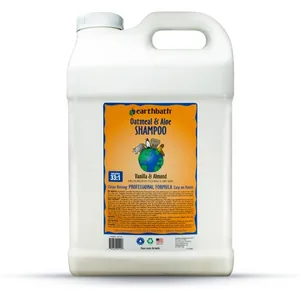
Earthbath Vanilla & Almond Scented Oatmeal & Aloe Cat & Dog Shampoo, 320-fl oz bottle
Best Overall
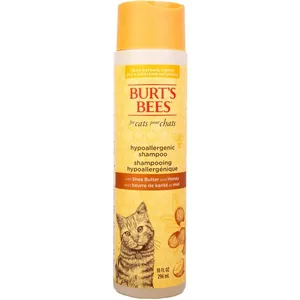
Burt’s Bees Hypoallergenic Cat Shampoo, 10-fl oz bottle
Best for Sensitive Skin
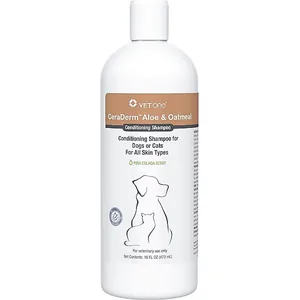
VetOne CeraDerm Aloe & Oatmeal Conditioning Dog & Cat Shampoo, 16-fl oz bottle
Best Budget Pick
Top Picks at a Glance
Here are the shampoos we’ll cover, sorted by what kind of cat parent you are. Full reviews and links are further down.| Best For | Pick | Type |
|---|---|---|
| Best overall | Earthbath Oatmeal & Aloe | Wet shampoo |
| Sensitive skin | Burt’s Bees Hypoallergenic Cat Shampoo | Wet shampoo |
| Budget | Frisco Oatmeal Dog & Cat Shampoo | Wet shampoo |
| Fragrance-free | Earthbath Oatmeal & Aloe Fragrance Free | Wet shampoo |
| Itchy + flaky combo | Pet MD Oatmeal & Aloe Itch Relief | Wet shampoo |
| Cats who hate water | Vet’s Best Waterless Cat Bath | Waterless foam |
| Between-bath upkeep | Burt’s Bees Dander Reducing Spray | Spray |
Wait – Is It Actually Dandruff? Or Something Else?
I know you came here to shop. Bear with me for two minutes, because this part could save you a lot of money and stress. “Cat dandruff” is a symptom, not a diagnosis. The flakes you’re seeing could be plain old dry skin (the most common cause and the easiest to fix), or they could be a sign of something that no shampoo will touch. Here’s how to tell the difference before you grab a bottle.When a Shampoo Is Probably Fine
Mild flakes mostly along the spine, near the tail, or behind the ears. Your cat seems comfortable, eats normally, plays normally, and isn’t scratching themselves raw. No bald spots. No scabs. The flakes get worse in winter when your heater’s running. That’s the textbook dry skin dandruff. A good moisturizing shampoo plus better hydration usually clears it up.When You Need to Call the Vet Instead
Skip the shampoo aisle and book an appointment if you see any of these:- Excessive scratching, licking, or biting at the skin – this can mean allergies, infection, or parasites
- Bald patches, scabs, sores, or red inflamed skin
- Greasy, waxy fur alongside the flakes – that’s often seborrhea, a condition that needs medicated treatment
- Weight loss, increased thirst, lethargy, or appetite changes – diabetes and hyperthyroidism both show up as skin problems in cats
- Sudden onset of severe dandruff in a cat who never had it before
- Dandruff that doesn’t improve after 3-4 weeks of moisturizing baths and brushing
The One You’ve Probably Never Heard Of: “Walking Dandruff”
Here’s the one most articles skip. There’s a mite called Cheyletiella that causes a skin condition nicknamed “walking dandruff” because the flakes literally look like they’re moving (it’s the mites). It looks exactly like normal dandruff at first glance. It’s also contagious to humans. If you’ve been noticing flakes and you’ve been getting itchy bumps yourself, especially on your arms or stomach where you cuddle your cat, get to the vet. No over-the-counter shampoo will fix this. It needs prescription parasite treatment. Still here? Good. If your cat’s situation looks more like the “shampoo is probably fine” category, let’s keep going.What’s Actually Causing Your Cat’s Dandruff
Dandruff is your cat’s skin telling you something. Here are the five most common things it’s trying to say.1. Dry, Low-Humidity Air
The number one cause, by far. When your home’s air is dry (especially in winter, or if you run AC a lot), your cat’s skin dries out the same way yours does. The result: itchy flakes, usually showing up along the back and tail base first.2. They Can’t Reach to Groom Themselves
Cats keep their skin healthy by grooming. Distribute oils, lift dead skin, repeat. But if your cat is overweight, has arthritis, or is just a senior, they may not be able to reach their lower back and hindquarters anymore. Surprise: that’s exactly where the dandruff usually shows up.3. Diet Issues
Cats need fats and protein to keep skin healthy. A diet low in omega-3 fatty acids or high in fillers can lead to dull coats and flaky skin. Cheap dry-only diets are especially prone to this.4. Dehydration
Cats are famously bad at drinking water. If your cat’s only on kibble and barely sips from their bowl, their skin is going to feel it. Dry skin from the inside out.5. Allergies, Parasites, or Skin Infections
Fleas, mites, food allergies, or environmental allergies (pollen, dust mites, mold) can all show up as dandruff. So can fungal or bacterial infections. These need a vet, not a Chewy cart.How to Match the Shampoo to the Cause
This is the part nobody tells you. Buying a random “cat shampoo” without knowing what your cat actually needs is how people end up with three half-used bottles and an even flakier cat. Here’s the cheat sheet.| If your cat’s situation is… | You want this kind of shampoo |
|---|---|
| Mild flakes, dry winter air, otherwise healthy | Moisturizing oatmeal + aloe shampoo |
| Sensitive skin, allergies, easily irritated | Hypoallergenic or fragrance-free shampoo |
| Mild flakes + visible itching | Oatmeal itch-relief shampoo |
| Cat will physically attack you if wet | Waterless foam shampoo |
| Maintaining results between full baths | Dander-reducing leave-in spray |
| Seborrhea, yeast, scabs, infection (vet-confirmed) | Medicated shampoo your vet prescribes |
The 7 Best Cat Dandruff Shampoos in 2026
1. Best Overall: Earthbath Oatmeal & Aloe Dog & Cat Shampoo
2. Best for Sensitive Skin: Burt’s Bees Hypoallergenic Cat Shampoo
VetOne CeraDerm Aloe & Oatmeal Cat Shampoo: Best Budget
VetOne CeraDerm pairs aloe and oatmeal with skin-conditioning ceramides, which is a smart combination for flaky, dried-out coats. It cleans gently while putting moisture back into the skin, and that’s really the whole job of a dandruff shampoo.
At around $6, it’s the budget pick that doesn’t feel like a compromise. It’s a vet-line product, so the formula is straightforward and cat-safe. Best for cat parents who want oatmeal-and-aloe relief without paying a premium price.
Pros:
- Aloe, oatmeal, and ceramides moisturize dry, flaky skin
- Vet-line formula that’s safe and gentle for cats
- Excellent value at around $6
- Cleans without stripping natural skin oils
Cons:
- Basic scent and packaging, nothing fancy
- Won’t fix dandruff caused by an underlying health issue
Earthbath Hypo-Allergenic Fragrance Free Shampoo: Best Fragrance-Free
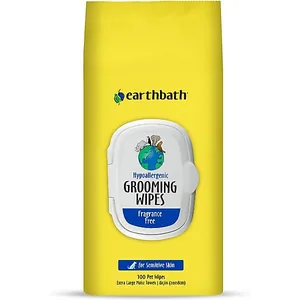
If your cat reacts to scent, this is the one. Earthbath’s hypo-allergenic formula is completely fragrance free, soap free, and built around gentle, plant-derived cleansers. Nothing extra to irritate skin that’s already dry and flaking.
It rinses out cleanly and leaves the coat soft rather than stripped, which matters when you’re battling dandruff. Best for cats with sensitive skin, allergies, or a strong dislike of scented products, and for anyone who just wants the shortest possible ingredient list.
Pros:
- Completely fragrance free and soap free
- Hypo-allergenic, made for sensitive or allergy-prone skin
- Gentle plant-derived cleansers rinse out clean
- Trusted Earthbath quality with a simple ingredient list
Cons:
- No added moisturizers like oatmeal in this specific formula
- Pricier than budget shampoos
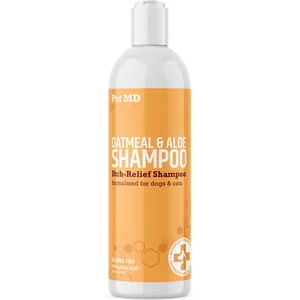
5. Best for Itch + Flake Combo: Pet MD Oatmeal & Aloe Itch Relief
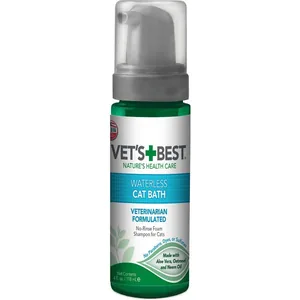
6. Best Waterless: Vet’s Best Waterless Cat Bath
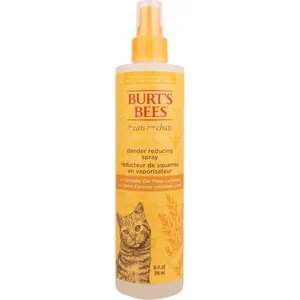
7. Best for Daily Maintenance: Burt’s Bees Dander Reducing Cat Spray
What to Look For in a Cat Dandruff Shampoo
If you ever want to go off-script and pick your own, here’s the quick scan-the-bottle guide.Ingredients That Help
- Colloidal oatmeal – the gold standard for soothing itchy, dry skin. Penetrates the skin barrier and moisturizes.
- Aloe vera – hydrates and soothes inflammation
- Vitamin E and B5 (panthenol) – repair and condition the coat
- Coconut-based cleansers – gentle, plant-derived, won’t strip natural oils
- Allantoin – calms irritation
Ingredients That Hurt
- Sulfates (SLS, SLES) – too harsh, strip oils and worsen flaking
- Parabens, phthalates – avoid for sensitive cats
- Artificial dyes and heavy fragrances – common irritants
- Tea tree oil – can be toxic to cats even in small amounts, especially in concentrated form
- Coal tar – found in some medicated shampoos for dogs, but unsafe for cats
- Pyrethrins (unless cat-specific) – dog flea shampoo ingredients can be deadly to cats
How to Bathe a Cat for Dandruff Without Losing a Finger
Cats and baths. I get it. Here’s how to make it as painless as possible for both of you.- Brush first. Always. Brushing before the bath removes loose hair and existing flakes, and lets the shampoo actually reach the skin. Skip this and you’re basically washing fur, not skin.
- Trim the nails 24 hours before. Future you will be grateful.
- Set everything up first. Shampoo (lid open), two towels, a non-slip mat in the sink or tub, a pitcher or cup for rinsing, treats nearby. Cats sense panic. A calm setup helps you stay calm.
- Use lukewarm water. Cool enough that you’d be comfortable in it, never hot. Fill the basin a few inches deep before bringing your cat in (the running water sound is what scares most cats).
- Wet from the neck down. Avoid the face entirely. Use the cup to gently pour water along the body.
- Apply shampoo and lather gently. A small amount goes a long way. Work it into the coat from neck to tail.
- Let it sit for 3-5 minutes. This is the part everyone skips and it’s where the magic happens. The oatmeal needs time to penetrate. Keep your cat calm with quiet voice and gentle holding.
- Rinse thoroughly. Any leftover residue will make the dandruff worse, not better. Keep rinsing until the water runs completely clear.
- Towel dry, don’t blow dry. Most cats hate blow dryers, and the noise can cause real stress. Wrap them in a warm towel and let them air-dry in a draft-free room. For long-haired cats, gently towel each section.
- Treats and praise. Always. Make bath time end on a high note so the next one is slightly less awful.
5 Things That Help Cat Dandruff as Much as Shampoo
Shampoo treats the symptom. To actually solve dandruff long-term, you usually need to fix what’s causing it. These five things are free or cheap and make a real difference.1. Add Humidity to Your Home
If your cat’s dandruff gets worse in winter, your air is too dry. A simple humidifier in the room where your cat sleeps can do more for their skin than any shampoo. Aim for 40-60% humidity.2. Brush More Often
Daily brushing distributes natural oils across the coat, removes dead skin, and stimulates circulation. For short-haired cats, a soft slicker brush works. Long-haired cats need a wider-tooth comb plus a slicker brush. Five minutes a day is enough.3. Add Omega-3s to Their Diet
Omega-3 fatty acids (from fish oil supplements made for cats) are one of the most well-supported interventions for skin and coat health. Ask your vet for the right dose for your cat’s weight. Most cats see improvement in 4-6 weeks.4. Boost Water Intake
Cats on dry-only diets often don’t drink enough. Add a wet food meal once a day, get a pet water fountain (cats drink more from moving water), or add water to their kibble. Hydrated cats have less flaky skin.5. Help With Hard-to-Reach Spots
If your cat is overweight, arthritic, or senior, they probably can’t groom their back and tail base anymore. That’s exactly where the dandruff piles up. You can be their grooming assistant: a few minutes of brushing the lower back and rump every day works wonders. For arthritis specifically, talk to your vet about a joint supplement.Persistent dandruff can signal a health issue; the Cornell Feline Health Center and International Cat Care cover feline skin problems.
Frequently Asked Questions
Q: Can I use baby shampoo or human dandruff shampoo on my cat?
No. Human skin has a different pH than cat skin, and human dandruff shampoos contain ingredients (zinc pyrithione, selenium sulfide, salicylic acid at human concentrations) that can be toxic to cats when they groom themselves later. Always use a shampoo specifically labeled safe for cats.Q: How often should I bathe my cat for dandruff?
Every 4-6 weeks for active dandruff, then every 6-8 weeks for maintenance once it clears up. Over-bathing actually worsens dry skin by stripping natural oils. If your cat hates baths, a waterless shampoo or dander spray used weekly is a great alternative.Q: How long does it take for a dandruff shampoo to work?
You’ll usually see improvement after 2-3 baths, spaced 4 weeks apart. So roughly 2-3 months for full results. If you see zero improvement after 4 weeks of consistent use, it’s likely not a dry-skin issue and you should see your vet.Q: Is cat dandruff contagious to humans?
Regular dandruff (just flaky skin) isn’t contagious. But “walking dandruff” caused by the Cheyletiella mite is contagious to humans and other pets. If you’ve started getting itchy red bumps where you handle your cat, see a doctor and a vet.Q: Do certain cat breeds get dandruff more than others?
Yes. Persians and Himalayans struggle because their long, dense coats and short faces make grooming harder. British Shorthairs and other breeds prone to weight gain often can’t reach their lower back to groom. Hairless breeds like Sphynx need regular bathing to manage skin oils. None of this means your cat is doomed, just that they may need more grooming help from you.Q: My cat has flakes only at the base of the tail. What does that mean?
That spot is the hardest for cats to reach, especially as they age or gain weight. Most often it just means your cat needs your help grooming that area. If you also see scabs, redness, or hair loss there, it could be flea allergy dermatitis (a hyper-sensitivity to flea bites) and warrants a vet visit.Q: Can I use a leave-in conditioner or spray instead of a full bath?
Yes, for mild dandruff. Leave-in sprays like the Burt’s Bees Dander Reducing Spray, combined with daily brushing, can manage mild flaking in cats who absolutely refuse to be bathed. For moderate to severe dandruff, you’ll get better results with at least one proper bath every 1-2 months.Q: Will fish oil supplements help my cat’s dandruff?
Often, yes. Omega-3 fatty acids from a cat-formulated fish oil supplement support skin barrier health from the inside. Most cat parents see less flaking and a shinier coat within 4-6 weeks. Always ask your vet about the right dose for your cat’s weight before starting.Final Thoughts
Here’s what I want you to take away. Cat dandruff is usually a small problem with a simple solution: pick a gentle, oatmeal-based shampoo, bathe your cat every 4-6 weeks, brush daily, add a humidifier in winter, and consider omega-3s. Most cats clear up in a couple of months. But the best cat dandruff shampoo only does its job if it matches what’s actually going on with your cat. Mild dry skin gets oatmeal and aloe. Sensitive skin gets hypoallergenic. Cats who hate water get waterless foam. And anything weirder than that, like greasy fur, scabs, bald spots, or itchy bumps on you, gets a vet visit before it gets a shampoo. If you’re not sure where to start, the Earthbath Oatmeal & Aloe is the safest first pick for almost any cat. Pair it with a humidifier and a daily brush, and check back in a month. Most of the time, that’s all it takes. Your cat doesn’t have to live with flaky skin. And honestly? Neither do your black jeans.
Hello and welcome to The Ideal Cat!
We are some passionate cat owners from different professions. We love our cats and have a lot of experience in how to care for our pets. We are incredibly excited to share our knowledge, experience, and research with you. So you can take good care of your loving cat. We will answer most of the common questions about owning cats, taking care of them, etc. If you have any question contact with us. Thanks for visiting! Enjoy the content.
