- Cat toothpaste must be cat-specific, because human toothpaste contains fluoride and sometimes xylitol, both toxic to cats.
- Enzymatic toothpastes break down plaque chemically, so they help even when your brushing isn’t perfect.
- Flavor matters more than anything else, and poultry, malt, and seafood flavors get the best acceptance.
- Daily brushing is ideal, but even 2 to 3 times a week meaningfully cuts down plaque.
- Dental disease affects most cats by age 3, so start brushing early and introduce it slowly.
Related reading: best cat dental treats. cat dental care. cat teeth cleaning.
Our Top Picks
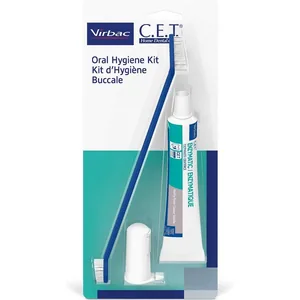
Virbac C.E.T. Enzymatic Oral Hygiene Poultry Flavor Dog Dental Kit
Virbac C.E.T. Enzymatic Poultry Flavor T
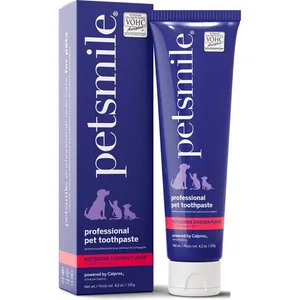
Petsmile Professional Rotisserie Chicken Flavor Pet Toothpaste, 4.2-oz tube
Petsmile Professional Toothpaste – Best
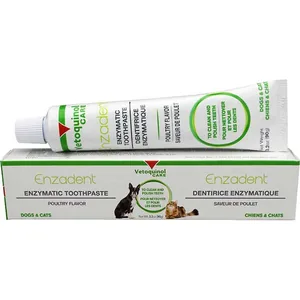
Vetoquinol Enzadent Poultry-Flavored Dog & Cat Toothpaste, 90g tube
Vetoquinol Enzadent Enzymatic Poultry To
Why You Need a Cat-Specific Toothpaste (And Never Human Toothpaste)
This is the part most cat parents skip, and it’s the part that matters most. Human toothpaste is genuinely dangerous to cats. Not “kind of risky.” Dangerous. The two ingredients to worry about are fluoride and xylitol. Cats can’t spit. Whatever you put in their mouth, they swallow. Fluoride builds up and damages the digestive tract over time. Xylitol, the sweetener in many “natural” human pastes, can cause a sudden drop in blood sugar and even liver damage in pets. Some toothpastes are up to 25% xylitol by weight. That’s not a small risk. Cat toothpaste is different. It’s non-foaming (so your cat won’t gag), safe to swallow, and flavored to taste like food your cat actually wants in its mouth, things like poultry, seafood, malt, and tuna.What to Look for in the Best Cat Toothpaste
You don’t need a chemistry degree to read a cat toothpaste label, but knowing what these ingredients do helps you pick smarter.The good stuff (you want these):
- Glucose oxidase + Lactoperoxidase: These are the dual enzymes that break down plaque-causing bacteria. If you see both, you’re holding a real enzymatic toothpaste.
- Lactoferrin and Lysozyme: Found in premium formulas like Vetoquinol Enzadent. These are extra antibacterial proteins that boost gum health.
- Zinc gluconate: Helps neutralize bad breath and reduce plaque.
- Calprox: A proprietary ingredient in Petsmile that dissolves the protein layer plaque sticks to.
- Hydrated silica or calcium carbonate: Gentle abrasives that polish teeth without damaging enamel.
- Cat-friendly flavors: Poultry, seafood, malt, tuna, beef. Skip mint, cats hate it.
The red flags (avoid these):
- Xylitol: Toxic. Never.
- Fluoride: Builds up dangerously when swallowed daily.
- Foaming agents (SLS): Causes drooling and stomach upset.
- Alcohol or detergents: Irritate the mouth and harm the gut.
- Artificial sweeteners and dyes: Unnecessary and sometimes risky.
- Baking soda in large amounts: Can upset the stomach’s pH balance if swallowed regularly. Small amounts in pet-formulated pastes are fine, but never use straight human baking soda paste.
One bonus thing to look for: the VOHC seal
The Veterinary Oral Health Council (VOHC) Seal of Acceptance is the gold standard. It means the product has been clinically proven to reduce plaque or tartar in independent trials. As of 2026, Petsmile is still the only pet toothpaste that holds this seal. Other great toothpastes work well, they just haven’t gone through the (expensive) testing process.Best Cat Toothpaste: At-a-Glance Comparison
| Toothpaste | Best For | Flavor | No Brush? |
|---|---|---|---|
| Virbac C.E.T. | Overall everyday use | Poultry, Seafood, Malt, Beef, Vanilla-Mint | No, brush needed |
| Petsmile Professional | VOHC-certified, brush-resistant cats | Rotisserie Chicken | Yes, optional |
| Vetoquinol Enzadent | Premium triple-enzyme formula | Poultry | No, brush needed |
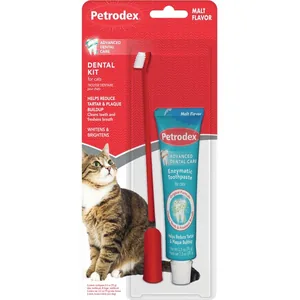
| Sentry Petrodex Malt Kit | Budget full kit | Malt | No, brush included |
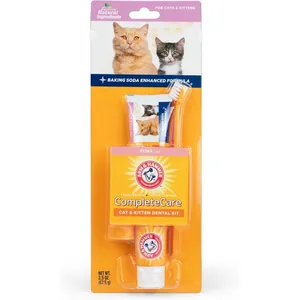
| Arm & Hammer Tuna Kit | Fish-loving cats | Tuna | No, kit included |
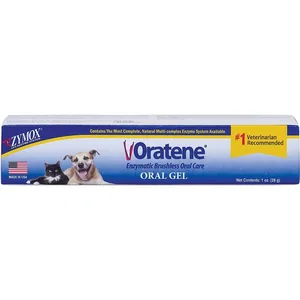
| Oratene Brushless Gel | Gingivitis, refuses brushing | Mildly sweet, no flavor | Yes |
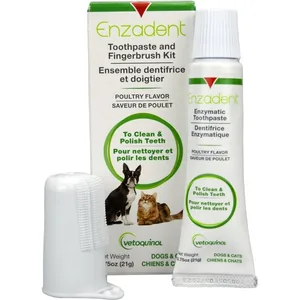
| Vetoquinol Fingerbrush Kit | First-time brushers | Poultry | Fingerbrush included |
The 7 Best Cat Toothpastes in 2026 (Reviewed)
1. Virbac C.E.T. Enzymatic Poultry Flavor Toothpaste – Best Overall
2. Petsmile Professional Toothpaste – Best VOHC-Accepted (No Brushing Required)
3. Vetoquinol Enzadent Enzymatic Poultry Toothpaste – Best Premium Enzymatic
4. Sentry Petrodex Veterinary Strength Enzymatic Malt Cat Dental Kit – Best Budget Kit
5. Arm & Hammer Complete Care Tuna Flavored Cat Dental Kit – Best for Fish-Loving Cats
6. Oratene Enzymatic Brushless Oral Care Dental Gel – Best Brushless Option (Rescue Pick)
7. Vetoquinol Enzadent Enzymatic Poultry Fingerbrush Kit – Best Beginner Starter
Which Cat Toothpaste Is Right for YOUR Cat?
Pick the line below that sounds most like your cat. Then grab the matching toothpaste.- “My cat is a normal adult, no special issues.” → Virbac C.E.T. Poultry. The dependable everyday pick.
- “My cat will not tolerate a toothbrush. Period.” → Petsmile Professional (no-brush capable) or Oratene Brushless Gel (zero brush needed).
- “My vet just diagnosed early gingivitis or gum redness.” → Oratene Brushless Gel for daily care, plus Vetoquinol Enzadent if brushing is doable.
- “I have a kitten who’s never had a brush near her mouth.” → Vetoquinol Enzadent Fingerbrush Kit. Start gentle, build the habit early.
- “I have a senior cat with sensitive teeth.” → Petsmile (no abrasion needed) or Oratene Gel (soothes inflamed gums).
- “My cat hates chicken-flavored anything but loves tuna.” → Arm & Hammer Complete Care Tuna Kit.
- “I’m on a budget and just want to start brushing.” → Sentry Petrodex Malt Kit. Full setup, low cost.
- “I want the most clinically proven formula on the market.” → Petsmile Professional. It’s the only VOHC-accepted option.
How to Actually Brush Your Cat’s Teeth (The 5-Step Gentle Method)
Reading product reviews is the easy part. Getting toothpaste anywhere near your cat’s mouth is the real challenge. Here’s the method that actually works, taught by feline dental specialists. Don’t skip steps. Each one builds your cat’s trust.- Days 1-3: Just the toothpaste. Put a tiny dab of cat toothpaste on your finger. Let your cat lick it off. That’s it. Do this once a day for three days. You’re teaching them: “this stuff is a treat, not a threat.”
- Days 4-6: Add a gum touch. Same dab of paste on your finger, but this time gently rub it on the outside of one front tooth and the gum. Stop after 5 seconds. Give a treat. Walk away. You’re not brushing yet. You’re just associating the touch with something good.
- Days 7-10: Introduce the brush (or fingerbrush). Let your cat sniff and lick toothpaste off the brush. No brushing yet. Just exposure. If your cat freaks, go back to step 2 for a few more days.
- Days 11-14: Brush 2-3 teeth. Lift the lip gently. Touch the brush to just a few front teeth. Tiny circular motions at the gum line. 5 seconds total. Reward immediately.
- Day 15+: Full brushing. Aim for about 30 seconds per side. You don’t need to brush the inside of the teeth (the tongue keeps those clean). Focus on the outer surface where plaque builds up. Daily is ideal. Every other day is still helpful.
What If My Cat Absolutely Refuses to Be Brushed?
I get it. Some cats are just not going to let you brush their teeth, no matter how patient you are. That’s okay. You still have real options.- Use a brushless gel. Oratene Brushless Gel is the most effective non-brushing option you can use at home. Apply it to the gums with your finger and your cat licks it around their mouth. Twice daily for the first week, then once daily.
- Try water additives. Products like Oratene Water Additive or TropiClean Fresh Breath go straight into your cat’s water bowl. Tasteless and odorless. Not as effective as brushing, but still helps reduce plaque if your cat actually drinks the water.
- Add dental treats and chews. Look for treats with the VOHC seal. Greenies Feline Dental Treats are widely recommended. The crunchy texture mechanically scrapes plaque while your cat eats.
- Switch part of their diet to dental food. Hill’s Prescription Diet t/d and Royal Canin Dental are clinically formulated kibbles with larger pieces that force chewing and reduce plaque.
- Schedule annual professional cleanings. If brushing truly isn’t possible, a yearly professional dental cleaning under anesthesia becomes non-negotiable. Ask your vet about their dental package. Most clinics offer Dental Health Month discounts in February.
Signs Your Cat Already Has a Dental Problem (Don’t Wait)
Cats hide pain like it’s their job. By the time you notice something is off, it’s usually been going on for months. Watch for:- Bad breath that’s gotten noticeably worse
- Drooling, especially with blood-tinged saliva
- Pawing at the mouth or face
- Visible tartar (yellow or brown buildup on teeth)
- Red, swollen, or bleeding gums
- Eating on one side of the mouth
- Dropping food while eating
- Sudden weight loss or refusing dry food
- Becoming withdrawn or hiding more than usual
Never use human toothpaste on a cat; the American Animal Hospital Association and the Veterinary Oral Health Council explain proven dental care.
Frequently Asked Questions
Q: How often should I brush my cat’s teeth?
Daily is ideal because plaque hardens into tartar within 24-48 hours. If daily isn’t realistic, every other day still makes a real difference. Less than that and you’ll see minimal improvement.Q: Can I use baking soda or human toothpaste on my cat in a pinch?
No. Human toothpaste contains fluoride and sometimes xylitol, both toxic to cats. Baking soda alone is too alkaline and can upset your cat’s stomach. Wait until you can get a real cat toothpaste, or use a damp cloth with water to wipe the teeth instead.Q: Is enzymatic toothpaste really better than non-enzymatic?
For most cats, yes. Enzymatic formulas keep working even after you stop brushing, breaking down plaque-causing bacteria for hours. Non-enzymatic pastes (like Petsmile) work differently by dissolving the plaque-attachment layer, and they’re equally effective when applied correctly.Q: What flavor toothpaste do cats like best?
Poultry and seafood are the top winners across thousands of cat reviews. Malt comes next. Tuna is a great backup for fish-loving cats. Avoid mint at all costs because cats hate it and it can make brushing way harder.Q: At what age should I start brushing my kitten’s teeth?
Start as early as 8-12 weeks. Kittens raised with a brushing routine grow into adult cats who accept it as normal. Start with just letting them lick paste off your finger, then graduate to a soft fingerbrush.Q: How long does a tube of cat toothpaste actually last?
You only use a pea-sized amount per brushing. A standard 70-gram tube of Virbac C.E.T. lasts most single-cat households 4-6 months when brushing daily. The 90-gram Vetoquinol Enzadent tube lasts even longer.Q: My cat swallowed a big lick of cat toothpaste. Should I worry?
If it’s a real cat-formulated toothpaste, no. They’re designed to be safely swallowed, that’s the whole point. If you’re not sure what your cat ingested, or if you see drooling, vomiting, or lethargy, call your vet or the ASPCA Poison Control Hotline.Q: Do I still need professional cleanings if I brush my cat’s teeth at home?
Yes, just less often. Daily brushing dramatically reduces how often your cat needs professional cleaning under anesthesia, but most vets recommend a dental exam at every annual check-up regardless. Tartar below the gum line can only be removed professionally.The Bottom Line on the Best Cat Toothpaste
If you want one quick recommendation, get Virbac C.E.T. Enzymatic Poultry Flavor Toothpaste. It’s the most trusted formula in veterinary medicine for good reason. If your cat refuses to be brushed, Petsmile Professional (the only VOHC-accepted toothpaste) or Oratene Brushless Gel are the rescue picks that genuinely work. Whichever toothpaste you choose, the most important thing is starting. Even imperfect brushing twice a week dramatically beats waiting until your cat is in pain. Your future self (and your cat’s future self) will thank you for the years of healthy teeth, stress-free vet visits, and saved money on dental procedures. And here’s the warm truth that keeps me going on the days my cat acts like the brush is a war crime: every minute you spend on your cat’s dental health is a minute you’re buying back. Cats with healthy mouths live longer, eat better, and stay playful well into their senior years. That’s worth a few weeks of patience. You’ve got this. Your cat does too.
Hello and welcome to The Ideal Cat!
We are some passionate cat owners from different professions. We love our cats and have a lot of experience in how to care for our pets. We are incredibly excited to share our knowledge, experience, and research with you. So you can take good care of your loving cat. We will answer most of the common questions about owning cats, taking care of them, etc. If you have any question contact with us. Thanks for visiting! Enjoy the content.
)