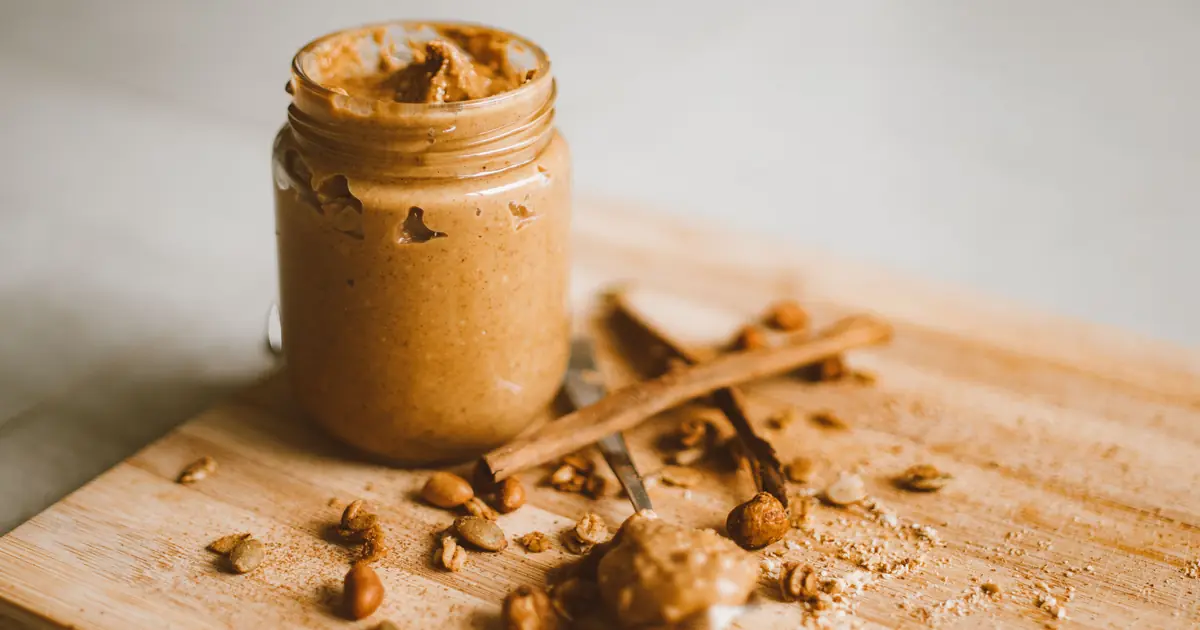
If your cat just licked peanut butter off your toast and now you’re worried, take a breath. Your cat is very likely fine. But “can cats have peanut butter” is a fair question, and the honest answer is one most websites rush past. Cats are obligate carnivores, which means their bodies are built to run on meat, not peanuts. So while a small taste rarely causes harm, peanut butter is not a treat your cat actually needs.
Here’s the thing: peanut butter sits in a gray zone. Not poison, not food. Let’s walk through exactly why vets say skip it, what to do if your cat ate a lot, and what to give instead.
- Peanut butter is not recommended for cats because it adds fat and calories with no nutritional value for an obligate carnivore.
- A single tablespoon of peanut butter holds more fat than many cats should eat in a whole day, which can trigger stomach upset, obesity, or pancreatitis.
- Always check the label for xylitol, a sweetener that is dangerous to dogs; cats appear less affected, but the safest move is to avoid it entirely.
- The sticky, thick texture of peanut butter is a genuine choking hazard for cats and gets stuck on the roof of the mouth.
- If your cat eats a large amount, or any peanut butter containing xylitol, call your veterinarian or a pet poison helpline right away.
Can Cats Have Peanut Butter Safely?
No, cats cannot have peanut butter safely as a regular treat, though a tiny accidental lick of plain, xylitol-free peanut butter usually will not hurt a healthy cat. Peanut butter is not built for feline bodies. Cats are obligate carnivores, so they get everything they need from animal protein and gain nothing from peanuts. The fat, salt, and sticky texture create more downsides than any treat value can justify.
Most veterinarians agree the smart choice is to skip peanut butter and reach for a meat-based treat instead. It is not an emergency if your cat sneaks a taste, but it is not something to offer on purpose.
Why Is Peanut Butter Bad for Cats?
Peanut butter is bad for cats because it is high in fat and salt, can cause choking, and provides no nutrients a cat’s body can use. Each risk is small on its own, but together they make peanut butter a poor fit for cats. Here is a clear breakdown of each risk and why it matters.
| Risk | Why it matters for cats |
|---|---|
| High fat | One tablespoon has more fat than many cats need in a day. Too much fat can cause vomiting, diarrhea, obesity, and in some cats pancreatitis (painful inflammation of the pancreas). |
| No nutritional value | Cats are obligate carnivores. Peanuts give them no protein they can properly use, so the calories are essentially empty. |
| Choking and sticky texture | The thick, gummy paste can stick to the roof of the mouth or throat. Cats can panic or gag, which makes peanut butter a real choking hazard. |
| High salt (sodium) | Many peanut butters are salted. Extra sodium can cause increased thirst, upset stomach, and stress on the kidneys and heart over time. |
| Added sugar and oils | Sugar and palm or vegetable oils add more empty calories and can loosen a cat’s stool. |
| Xylitol (artificial sweetener) | Xylitol is dangerous to dogs. Cats appear far less sensitive, but the safest rule is to avoid any peanut butter containing it and never assume “sugar-free” is safe. |
| Aflatoxin and mold | Peanuts can carry aflatoxin, a natural mold toxin that stresses the liver. The amounts in commercial peanut butter are low, but it is one more reason cats gain nothing here. |
| Allergy potential | Cats can be allergic to peanuts. Signs include itching, ear inflammation, vomiting, or diarrhea after eating. |
Is Peanut Butter Toxic to Cats?
Plain peanut butter is not classified as toxic to cats, but that does not make it safe or healthy. “Not toxic” simply means a small amount usually will not poison your cat. It can still cause stomach upset, weight gain, choking, or a pancreatitis flare, especially in cats with existing health issues like diabetes or digestive disease.
So the real takeaway is this: peanut butter is a low-value food with avoidable risks, not a poison. Treat it the way you would treat junk food for yourself. One bite will not hurt, but it has no place in a daily diet.
What about xylitol in peanut butter?
Xylitol is an artificial sweetener found in some “sugar-free” or “no sugar added” peanut butters, and it is genuinely dangerous to dogs. In dogs it triggers a sharp insulin release that crashes blood sugar and can damage the liver. For cats, the picture is different: the ASPCA and Cornell’s veterinary experts report that cats do not appear to be at the same risk as dogs from xylitol. Even so, the data on cats is thin, so the responsible move is simple. Read the ingredient label, and if you see xylitol (sometimes listed as birch sugar), keep that jar away from your cat. If your cat eats a xylitol product and you are unsure, call your vet.
How Much Peanut Butter Is Too Much for a Cat?
For a cat, even a teaspoon of peanut butter is more than enough to cause stomach upset, and anything beyond a small lick is too much. There is no recommended serving size because cats have no nutritional need for peanut butter at all. The risk climbs with the amount: a quick lick is usually harmless, while a spoonful or a chunk of a sandwich can lead to vomiting, diarrhea, or a painful pancreatitis flare in sensitive cats.
Cats that are overweight, diabetic, or have a history of pancreatitis or digestive disease should have no peanut butter at all. Their bodies handle the fat load even worse than a healthy cat’s.
Can I Use Peanut Butter to Hide My Cat’s Pills?
Peanut butter is not the best choice for hiding a cat’s pills, and many cats dislike it anyway. Cats do not have a sweet tooth and are far more tempted by meat and fish, so peanut butter often fails the taste test. It also adds unwanted fat and can stick to the mouth and throat. There are easier, cat-friendly options that work better.
If you need to give your cat a pill, try one of these instead:
- Commercial pill pockets: Soft, meat-flavored treats made to wrap around a pill. Look for chicken or salmon flavors made specifically for cats.
- A small amount of wet food: Push the pill into a spoonful of pate or shredded wet food. Offer a pill-free “test” bite first to lower suspicion.
- Lickable cat treats: Squeeze-tube purees can hide small pills and most cats love them.
- Plain canned fish or meat baby food: A bit of tuna or chicken baby food (no onion or garlic) can mask a pill. Check with your vet first.
If your vet has prescribed a medication that should be given on an empty stomach, or your cat has a condition like pancreatitis, ask your vet which hiding method is safe before you improvise. When in doubt, peanut butter is the wrong tool.
If you give pills often, a treat made for the job beats improvising with peanut butter.
Greenies Feline Pill Pockets Chicken Flavor
These soft chicken treats have a built-in pocket that hides a tablet or capsule, so medication time stays calm and mess-free. They are made to be gentle on a cat’s stomach, unlike sticky peanut butter that can be a choking risk. Best for cats who need regular pills and happily take a treat.
What Should I Do if My Cat Ate Peanut Butter?
If your cat ate a small amount of plain peanut butter, the most likely outcome is nothing, or mild stomach upset, so watch and offer fresh water. The right response depends on how much your cat ate and what was in it. Use this quick guide.
- Check the label. Look for xylitol or “birch sugar.” If it is present, call your vet or a pet poison helpline now, even though cats seem less affected than dogs.
- Estimate the amount. A lick off a finger is very different from a tablespoon or a whole sandwich.
- Watch for symptoms. Vomiting, diarrhea, drooling, loss of appetite, lethargy, or signs of belly pain over the next 24 to 48 hours are worth a vet call.
- Offer water, not more food. Let the stomach settle. Do not give milk or another rich treat to “balance it out.”
- Call your vet if you are unsure. A quick phone call is free peace of mind, especially for kittens, seniors, or cats with health conditions.
What Can Cats Eat Instead of Peanut Butter?
Cats do best with high-protein, meat-based treats instead of peanut butter, since those match what an obligate carnivore is built to eat. If you want to give your cat a little something special, reach for animal protein your cat can actually use. Safe, simple options include:
- Small pieces of cooked, plain chicken or turkey (no skin, bones, salt, or seasoning)
- A flake of cooked or canned fish in water, such as salmon or tuna, in small amounts
- Freeze-dried meat treats made for cats
- A spoonful of plain, unseasoned cooked egg
- Commercial cat treats and lickable purees formulated for felines
These give your cat the flavor and the bonding moment without the fat overload or choking risk of peanut butter. For everyday nutrition, a complete and balanced cat food still does the heavy lifting.
Is This Article a Substitute for Your Vet?
This article is educational and is not a substitute for professional veterinary advice. Every cat is different, and a kitten, a senior, or a cat with diabetes or pancreatitis may react differently than a healthy adult. If you are worried about anything your cat ate, or you notice symptoms that do not settle, contact your licensed veterinarian.
Frequently Asked Questions About Cats and Peanut Butter
Q: Can cats have a little bit of peanut butter?
A tiny lick of plain, xylitol-free peanut butter will not usually harm a healthy cat, but it is not recommended. Peanut butter offers cats no nutrition and brings fat, salt, and choking risk, so a meat treat is always the better choice.
Q: Is peanut butter toxic to cats?
Plain peanut butter is not classified as toxic to cats, but it is not healthy either. It can cause vomiting, diarrhea, weight gain, or a pancreatitis flare, especially in cats with existing health problems. Always check the label for xylitol before letting a cat near it.
Q: Will xylitol in peanut butter kill my cat?
Xylitol is dangerous to dogs, but the ASPCA and Cornell report that cats do not appear to be at the same risk. The data on cats is limited, so the safest approach is to avoid xylitol entirely and call your vet if your cat eats a product that contains it.
Q: Why do cats like peanut butter?
Many cats like peanut butter for its fat and salty, savory smell, not its sweetness, since cats cannot taste sweet flavors. The fat content is what draws them in, which is exactly why it is easy to overfeed and why moderation matters.
Q: Can kittens have peanut butter?
No, kittens should not have peanut butter. Their small bodies and developing digestive systems handle fat and choking hazards even worse than adult cats. Stick to a complete kitten food and kitten-safe treats recommended by your veterinarian.
Q: Can cats eat peanuts or peanut butter crackers?
Cats should not eat peanuts or peanut butter crackers. Peanuts are a choking hazard and high in fat, while crackers add salt and refined carbohydrates with no benefit. Neither belongs in a cat’s diet, even as an occasional treat.
Q: How do I hide a pill if not in peanut butter?
Use a commercial cat pill pocket, a spoonful of wet food, a lickable puree treat, or a small amount of plain meat or fish baby food without onion or garlic. These match a cat’s meat-loving taste far better than peanut butter and avoid the extra fat.
Q: My cat licked peanut butter and seems fine. Should I worry?
If it was a small amount of plain, xylitol-free peanut butter and your cat is acting normal, you usually do not need to worry. Offer fresh water and watch for vomiting or diarrhea over the next day. Call your vet if any symptoms appear or you are unsure.
Bottom line: can cats have peanut butter? They can survive a lick, but they should not have it as a treat. Peanut butter gives cats nothing they need and adds fat, salt, and choking risk, so a small piece of plain cooked chicken is a far kinder choice for your carnivore friend.

Hello and welcome to The Ideal Cat!
We are some passionate cat owners from different professions. We love our cats and have a lot of experience in how to care for our pets. We are incredibly excited to share our knowledge, experience, and research with you. So you can take good care of your loving cat. We will answer most of the common questions about owning cats, taking care of them, etc. If you have any question contact with us. Thanks for visiting! Enjoy the content.
