Picture this. You’re standing in the pet-food aisle, staring at 40 bags and cans, and every single one says “premium” on the front. Chicken? Salmon? Grain-free? Indoor formula? Your cat is at home, waiting, judging. And you just want to grab the best cat food and go.
I get it. Feeding your cat well feels high-stakes, because it is. Food shapes their weight, their coat, their energy, and how they age. The good news is that finding a genuinely good food isn’t as hard as the marketing makes it feel.
Below are seven everyday foods I’d happily recommend to a friend, sorted by what your cat actually needs. Whether you’ve got a hungry kitten, a picky adult, or a mellow senior, there’s a solid pick here for you.
- The best cat food is AAFCO complete and balanced for your cat’s specific life stage, whether that’s kitten, adult, or senior.
- Cats are obligate carnivores, so they need meat-based protein and the amino acid taurine, which they can only get from animal tissue.
- A quality food lists a named animal protein like chicken or salmon as the first ingredient, not a vague meat by-product or grain.
- Wet food adds moisture that helps with hydration, while dry food is convenient and budget-friendly; many cats do well on a mix of both.
- Always switch to a new food slowly over 7 to 10 days to avoid stomach upset, and talk to your vet before big diet changes.
Our Top Picks
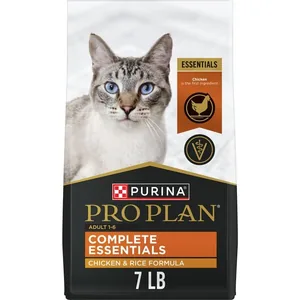
Purina Pro Plan Savor Adult Chicken & Rice Dry Cat Food, 7-lb bag
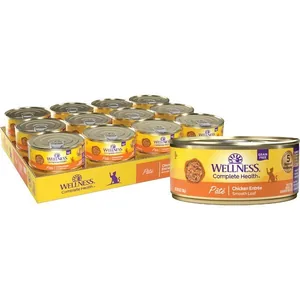
Wellness Complete Health Chicken Canned Cat Food, 5.5-oz, case of 24
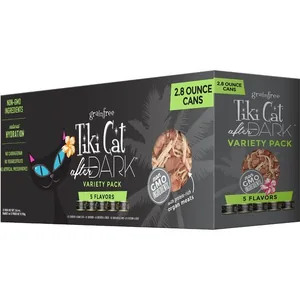
Tiki Cat After Dark Variety Pack Grain-Free Wet Cat Food, 2.8-oz can, case of 12
Cat food compared at a glance
| Food | Best for | Type | Price |
|---|---|---|---|
| Purina Pro Plan Savor Adult Chicken & Rice Dry Cat Food, 7-lb bag | Best overall | Dry | $27.08 |
| Wellness Complete Health Chicken Canned Cat Food, 5.5-oz, case of 24 | Best wet food | Wet pate | $67.92 |
| Tiki Cat After Dark Variety Pack Grain-Free Wet Cat Food, 2.8-oz can, case of 12 | Best variety wet | Wet variety | $24.99 |
| Hill’s Science Diet Adult Indoor Chicken Recipe Dry Cat Food, 15.5-lb bag | Best for indoor cats | Dry | $63.99 |
| Purina Pro Plan Complete Essentials Kitten Chicken & Rice Formula Dry Cat Food, 7-lb bag | Best for kittens | Dry | $27.08 |
| Hill’s Science Diet Mature Adult Active Longevity Cat Food, 4-lb | Best for seniors | Dry | $22.99 |
| Fancy Feast Poultry & Beef Variety Pack Canned Cat Food, 3-oz, 24 ct | Best budget wet | Wet variety | $22.86 |
The 7 best cat food picks, reviewed
Purina Pro Plan Savor Adult Chicken & Rice Dry Cat Food, 7-lb bag: best overall
Purina Pro Plan Savor Adult Chicken & Rice is my pick for most adult cats. Real chicken leads the ingredient list, it’s AAFCO complete and balanced for adult maintenance, and it hits a protein level that keeps active cats satisfied. The kibble has a bit of shredded texture mixed in, which fussy eaters tend to like.
Who it’s for: healthy adult cats who eat dry food and whose owners want a trusted, widely available brand at a fair price. Who it’s not for: kittens or seniors, who need their own life-stage formulas, and cats on a vet-prescribed diet. If your cat needs more moisture, pair it with a wet food from this list.
Wellness Complete Health Chicken Canned Cat Food, 5.5-oz, case of 24: best wet food
Wellness Complete Health Chicken pate is a smooth, meat-forward canned food that makes a great everyday wet meal. Chicken and chicken liver lead the recipe, it’s grain-free, and it’s AAFCO complete and balanced, so it can stand alone as a full diet rather than just a topper.
Who it’s for: cats who need more moisture in their diet, picky eaters, and anyone who wants a soft pate that’s easy on the teeth. Who it’s not for: strict budget shoppers, since a case of 24 runs higher per meal than basic wet food, and kittens who need a kitten-specific formula.
Tiki Cat After Dark Variety Pack Grain-Free Wet Cat Food, 2.8-oz can, case of 12: best variety wet
Tiki Cat After Dark Variety Pack is for the cat who gets bored of the same flavor by day three. These grain-free cans are loaded with shredded meats like chicken, quail, and duck in a light broth, so they’re high in protein and moisture and low in filler. Cats go a little wild for the texture.
Who it’s for: healthy adult cats and picky eaters who thrive on rotation, plus owners who want a high-protein wet option. Who it’s not for: kittens and cats needing a sole diet on a tight budget. Check the label, since some variety packs are meant as a complement rather than a complete diet, so read each can’s AAFCO statement.
Hill’s Science Diet Adult Indoor Chicken Recipe Dry Cat Food, 15.5-lb bag: best for indoor cats
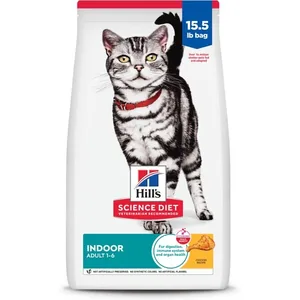
Hill’s Science Diet Adult Indoor Chicken Recipe is built around the realities of indoor life. Indoor cats move less and shed more, so this formula leans on natural fiber to help manage hairballs and keeps calories in check to support a healthy weight. It’s AAFCO complete and balanced for adult cats, with chicken as the first ingredient.
Who it’s for: adult indoor cats who could stand to watch their waistline and owners fighting the hairball battle. Who it’s not for: very active outdoor cats who burn more energy, kittens, and seniors, who each have their own better-matched formulas.
Purina Pro Plan Complete Essentials Kitten Chicken & Rice Formula Dry Cat Food, 7-lb bag: best for kittens
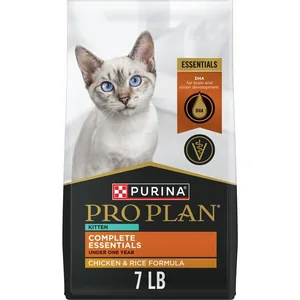
Purina Pro Plan Complete Essentials Kitten Chicken & Rice gives growing kittens the extra protein, calories, and DHA they need. DHA, an omega-3 fatty acid, supports brain and vision development, and the formula is AAFCO complete and balanced for growth. Real chicken is the first ingredient, and the small kibble suits tiny mouths.
Who it’s for: kittens up to about one year old and nursing or pregnant cats, who have similar high-energy needs. Who it’s not for: adult and senior cats, since kitten food is too calorie-dense for them and can lead to weight gain over time.
Hill’s Science Diet Mature Adult Active Longevity Cat Food, 4-lb: best for seniors
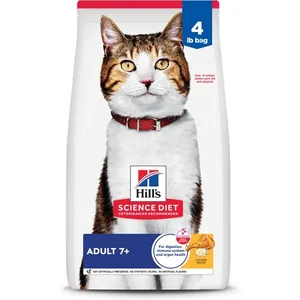
Hill’s Science Diet Mature Adult Active Longevity is formulated for cats aged 7 and up. Older cats can lose muscle and slow down, so this recipe balances quality protein with controlled minerals and added antioxidants to support aging bodies. It’s AAFCO complete and balanced for mature adult maintenance, with chicken up front.
Who it’s for: senior cats 7 and older who are generally healthy and eat dry food. Who it’s not for: kittens, young adults, and seniors with diagnosed kidney, thyroid, or dental issues, who may need a specific vet-prescribed diet instead. When in doubt with an older cat, loop in your vet.
Fancy Feast Poultry & Beef Variety Pack Canned Cat Food, 3-oz, 24 ct: best budget wet
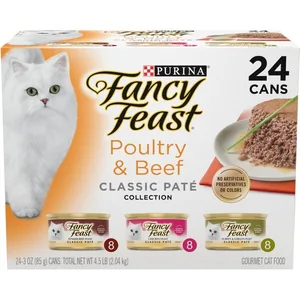
Fancy Feast Poultry & Beef Variety Pack proves that affordable wet food can still deliver moisture and protein your cat enjoys. These small 3-ounce cans are AAFCO complete and balanced for adult maintenance, come in flavors most cats happily eat, and let you add wet meals without stretching your budget.
Who it’s for: multi-cat homes, budget-conscious owners, and anyone who wants to sneak more moisture into a dry-food diet. Who it’s not for: kittens needing a growth formula and cats with grain or specific ingredient sensitivities, so scan the label first.
How to choose the best cat food
Picking a good cat food comes down to a few honest checks, not the flashy claims on the front of the bag. Here’s what actually matters.
Look for the AAFCO statement
Flip the package over and find the AAFCO statement. It tells you the food is “complete and balanced” and for which life stage: growth (kittens), maintenance (adults), or all life stages. This one line, backed by the Association of American Feed Control Officials, is your baseline for a food that meets your cat’s nutritional needs. If a food skips it, put it back.
Put animal protein first
Cats are obligate carnivores, which means they’re built to get nutrients like taurine from meat. The Cornell Feline Health Center explains that cats need a meat-based, protein-rich diet. So look for a named animal protein like chicken, turkey, or salmon as the first ingredient, not a grain or a vague “meat by-product.”
Wet, dry, or both?
- Wet food is roughly 70 to 80% moisture, which helps cats stay hydrated since many aren’t big drinkers. It’s often higher in protein and lower in carbs.
- Dry food is convenient, budget-friendly, and easy to leave out (in measured amounts). It’s great for busy homes.
- A mix of both gives you the hydration of wet and the convenience of dry. Plenty of cats do beautifully on a combo.
Mind the calories and portions
Overfeeding is one of the easiest mistakes to make. Feeding guidelines on the label are a starting point, not a rule, so adjust based on your cat’s weight and body condition. The American Animal Hospital Association notes that keeping cats at a healthy weight matters for long-term health. Measure meals instead of eyeballing them.
Transition slowly
When you switch foods, go gradually over 7 to 10 days. Start with about 25% new food mixed into 75% old, then shift the ratio every few days until you’re fully on the new food. A slow change gives your cat’s stomach time to adjust and cuts the risk of vomiting or diarrhea.
One more thing: this article is educational, not veterinary advice. Every cat is different, so talk to your vet before switching diets, especially if your cat has a health condition like kidney disease, diabetes, or a sensitive stomach.
What should you look for in a good cat food?
A good cat food covers three basics: it’s AAFCO complete and balanced for your cat’s life stage, it’s built around real animal protein, and your cat actually eats and does well on it. Everything else is a bonus.
- Life-stage match: kitten, adult, or senior food formulated for that age.
- Named meat first: chicken, turkey, salmon, or another specific animal protein leading the list.
- Complete taurine and nutrients: essential for heart and eye health in obligate carnivores.
- Right calories: matched to whether your cat is a lazy lounger or a live-wire.
- Moisture plan: wet food, a water fountain, or both to keep hydration up.
Honestly, the “best” food is the good-quality one your cat thrives on. A shiny coat, steady weight, and healthy energy tell you more than any label buzzword.
Common mistakes to avoid
- Switching food cold turkey. A sudden swap often triggers vomiting or diarrhea. Transition over 7 to 10 days instead.
- Feeding dog food or a vegetarian diet. Cats are obligate carnivores and need taurine from meat, which dog and plant-based diets don’t provide. This can cause serious harm over time.
- Free-feeding all day. Leaving the bowl full around the clock is a fast track to obesity. Measure portions and feed set meals.
- Ignoring the AAFCO statement. Without “complete and balanced” for the right life stage, a food may not meet your cat’s full nutritional needs.
- Going all-dry with no water plan. Cats have a low thirst drive, so an all-kibble diet with little water can leave them underhydrated. Add wet food or a fountain.
Related guides
Related guides: If you’re leaning one way, our roundups of the best dry cat food and the best wet cat food go deeper on each type. Got a homebody? See our picks for the best indoor cat food. If your cat has a touchy tummy, start with the best sensitive stomach cat food, and to nail portions, read how much you should feed your cat.
Frequently asked questions
Q: What is the healthiest cat food?
The healthiest cat food is one that’s AAFCO complete and balanced for your cat’s life stage and built around a named animal protein like chicken or salmon. Because cats are obligate carnivores, meat-based, high-protein diets suit them best. The right choice also depends on your individual cat’s age, weight, and health, so your vet can help you fine-tune it.
Q: Is wet or dry cat food better?
Neither is universally better; each has strengths. Wet food is about 70 to 80% moisture, which boosts hydration, while dry food is convenient and budget-friendly. Many cats do best on a mix of both, and as long as the food is AAFCO complete and balanced, either can support good health.
Q: What does AAFCO complete and balanced mean?
It means the food provides all the nutrients a cat needs in the right proportions, as defined by the Association of American Feed Control Officials. The statement also names the life stage it’s formulated for, such as growth for kittens or maintenance for adults. Look for it on the back of the package before you buy.
Q: How do I switch my cat to a new food?
Switch gradually over 7 to 10 days to avoid stomach upset. Start with roughly 25% new food mixed into 75% old food, then increase the new portion every few days until you’re fully switched over. If your cat has vomiting or diarrhea during the change, slow down and check with your vet.
Q: Is grain-free cat food necessary?
For most cats, grain-free food isn’t necessary. Grains like rice and corn are digestible for cats and true grain allergies are uncommon. Grain-free can help cats with a diagnosed grain sensitivity, but for the average cat, a balanced diet with or without grains is fine. Ask your vet if you suspect a food sensitivity.
Q: How much should I feed my cat?
Start with the feeding guidelines on the food’s label based on your cat’s weight, then adjust to keep them at a healthy body condition. An average 10-pound adult cat needs roughly 200 to 250 calories a day, but activity level and metabolism vary. Measure meals rather than free-feeding, and ask your vet for a target amount.
Q: Can kittens eat adult cat food?
Kittens shouldn’t eat adult food as their main diet because they need more protein, calories, and DHA for growth. Feed a food labeled for growth or all life stages until around 12 months of age. Adult food doesn’t provide the extra nutrition a growing kitten’s body needs.
Q: How often should I feed my cat?
Most adult cats do well with two measured meals a day, though some owners split food into smaller portions. Kittens need to eat more often, usually three to four times daily, to fuel rapid growth. Set meals help you monitor appetite and keep your cat at a healthy weight better than leaving food out all day.
The bottom line
There’s no single winner for every cat, and that’s kind of the point. The best cat food is the AAFCO complete and balanced, meat-first food that matches your cat’s life stage and keeps them lean, shiny, and content. For a healthy adult, Purina Pro Plan Savor is a smart everyday choice. Reach for a kitten formula while they’re growing, a senior recipe once they hit 7, and an indoor blend if your cat is a homebody. Add wet food or a water fountain for hydration, transition slowly over 7 to 10 days, and check in with your vet if your cat has any health condition. Do that, and you’ve found your cat’s best food.

Hello and welcome to The Ideal Cat!
We are some passionate cat owners from different professions. We love our cats and have a lot of experience in how to care for our pets. We are incredibly excited to share our knowledge, experience, and research with you. So you can take good care of your loving cat. We will answer most of the common questions about owning cats, taking care of them, etc. If you have any question contact with us. Thanks for visiting! Enjoy the content.
