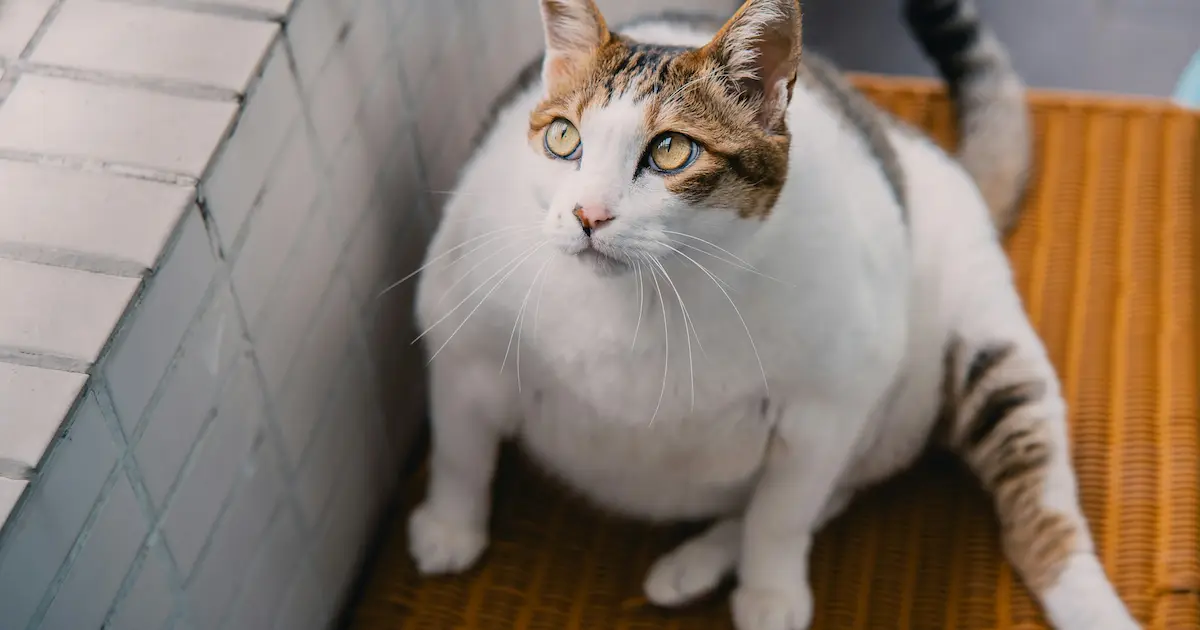
So you suspect your cat is expecting, and now you just want to know one thing: how long is a cat pregnant, and when will those kittens actually show up? Take a breath. You are in the right place. A cat pregnancy moves fast, faster than a human one, and knowing the timeline makes the whole thing far less stressful. Below you will find the exact gestation length, a week-by-week guide, the signs that labor is close, and the moments when you should call your vet.
Key Takeaways
- Cat pregnancy lasts an average of 63 to 65 days, about nine weeks, with a normal range of 60 to 67 days.
- A pregnant cat shows few signs in the first two to three weeks; the first clear clue is “pinking up,” when the nipples turn darker pink and enlarge around day 16 to 21.
- A vet can confirm pregnancy by ultrasound from about day 21, by feeling the kittens (palpation) around day 26 to 35, and by x-ray counting from about day 45.
- A typical litter is four to six kittens, though litters range from one to more than ten, and tend to be largest when the mother is three to four years old.
- Labor is usually close once your cat’s body temperature drops below about 100°F, she stops eating, and she starts nesting and pacing within 24 hours.
How long is a cat pregnant?
A cat is pregnant for an average of 63 to 65 days, which works out to about nine weeks or a little over two months. Vets consider anything from 60 to 67 days completely normal. Some healthy pregnancies run a touch longer, occasionally up to around 70 days, and that alone is not a reason to panic.
Cat pregnancy is often split into three stages of roughly 20 days each, a bit like trimesters. Your cat will look and act almost normal through the first stage, then change quickly in the last few weeks. Because the exact mating date is often a mystery (especially for outdoor or newly adopted cats), think of the due date as a window, not a single day.
Why does the due date range from 60 to 67 days?
A cat’s due date varies because litter size, age, and breed all nudge the timeline. Bigger litters often arrive a little earlier, while a single kitten or a first-time mother can run a few days late. The good news is that this wobble is normal, and a few days either side of day 63 is nothing to worry about on its own.
- Litter size: Large litters tend to trigger labor slightly sooner; very small litters can go a bit longer.
- First-time mothers: A queen (the term for a breeding female cat) having her first litter may deliver a couple of days off the average.
- Breed differences: Some breeds, such as Siamese, may carry a little longer on average than others.
- Unknown mating date: If you did not see the mating, your day count is an estimate, so the “late” cat may simply be on a different clock than you think.
What is the week-by-week cat pregnancy timeline?
The cat pregnancy timeline moves through nine quick weeks, from invisible early changes to a very obvious belly and nesting. Here is what is happening inside your cat and what you will actually notice each week. Use it as a guide, not a stopwatch, since every cat runs slightly differently.
| Week (approx. days) | What is happening with the kittens | What you may notice in your cat |
|---|---|---|
| Week 1 (days 1 to 7) | Eggs are fertilized and start traveling to the uterus. | Nothing. Your cat looks and acts completely normal. |
| Week 2 (days 8 to 14) | Embryos implant in the uterus and early development begins. | Still no visible signs for most cat parents. |
| Week 3 (days 15 to 21) | Organs start to form; heartbeats may show on ultrasound. | “Pinking up”: nipples turn darker pink and slightly larger. Heat cycles stop. |
| Week 4 (days 22 to 28) | Kittens keep developing; a vet can often confirm by ultrasound. | Mild “morning sickness,” a possible dip in appetite, early belly rounding. |
| Week 5 (days 29 to 35) | Kittens grow quickly and can often be gently felt by a vet. | A clearly fuller belly and a rising appetite. |
| Week 6 (days 36 to 42) | Kittens are fully formed and putting on size. | Bigger appetite and an obviously pregnant belly. Feed kitten food now. |
| Week 7 (days 43 to 49) | Skeletons harden and can be counted on x-ray. | Nesting may begin; she hunts for a safe, quiet spot. |
| Week 8 (days 50 to 56) | Kittens shift into position; mammary glands prepare for milk. | Visible kitten movement, swollen nipples, some belly fur thinning. |
| Week 9 (days 57 to 65) | Kittens are full term and ready to be born. | Restlessness, pacing, appetite drop, serious nesting. Labor is close. |
Not totally sure she is pregnant yet? Our companion guide on how to know if your cat is pregnant walks through the earliest signs and how vets confirm it.
When can a cat get pregnant in the first place?
A cat can get pregnant as early as four to five months old, as soon as she has her first heat cycle. That surprises a lot of new cat parents, because she still looks like a kitten herself. An unspayed female can go into heat every two to three weeks during breeding season, and she can become pregnant during any of them.
One more thing worth knowing: cats are “induced ovulators,” meaning the act of mating is what triggers the release of eggs. That makes cats extremely efficient breeders, and it is a big reason unplanned litters happen so easily.
How can a vet confirm how far along your cat is?
A vet can confirm and date a pregnancy using three tools, each useful at a different point. Guessing from the belly alone is unreliable early on, so a quick vet visit gives you a real timeline and a kitten count. Here is what each method does and when it works.
| Method | When it works | What it tells you |
|---|---|---|
| Ultrasound | From about day 21 (3 weeks) | Confirms pregnancy and detects kitten heartbeats. Hard to get an exact count. |
| Palpation (gentle belly feel) | About day 26 to 35 (4 to 5 weeks) | Confirms pregnancy and gives a rough kitten count. Should be done by a vet, not at home. |
| X-ray (radiograph) | From about day 45 (6 to 7 weeks) | Counts kittens accurately once their skeletons harden, which helps at birth. |
Please do not press or squeeze your cat’s belly to “feel for kittens” yourself. Rough handling can hurt the developing kittens, so leave palpation to your vet.
How many kittens are in a typical litter?
A typical cat litter is four to six kittens. Litters can be as small as one and as large as ten or more, and they tend to be biggest when the mother is around three to four years old. Very young and older queens usually have smaller litters.
Here is a fun, slightly mind-bending fact: a single litter can have more than one father. Because cats are induced ovulators and can mate with several males while in heat, different kittens in the same litter can have different dads. This is called superfecundation, and it is why one litter sometimes looks like a box of completely different cats.
What are the signs your cat is about to go into labor?
Your cat is usually close to labor when her body temperature drops, she stops eating, and she becomes restless and starts nesting within about 24 hours. These signs tend to cluster together in the last day or two, so once you see a few of them, the kittens are likely on the way soon.
- Temperature drop: Her rectal temperature often falls below about 100°F (37.8°C) in the 24 hours before birth.
- Loss of appetite: Many cats stop eating roughly 24 hours before labor starts.
- Nesting: She seeks out a quiet, hidden, comfortable spot to give birth.
- Restlessness and vocalizing: Pacing, panting, extra meowing, and frequent grooming of her belly and rear.
- Milk: Milk may appear in the nipples in the 24 to 48 hours before delivery.
Once active labor begins, most cats deliver all their kittens within about two to six hours. Kittens usually arrive 10 minutes to an hour apart. Many cats handle the whole thing calmly and on their own, and your main job is to stay quiet, nearby, and ready to help only if needed.
🩺 Educational note & when to call your vet
- This article is for general education and is not a substitute for hands-on veterinary care. Every pregnant cat should be seen by a licensed veterinarian during pregnancy.
- Call your vet right away if: your cat has bloody, green, or smelly vaginal discharge at any point in pregnancy; she strains hard for more than 20 to 30 minutes without producing a kitten; more than about 10 minutes pass with a kitten visibly stuck in the birth canal; more than two hours pass between kittens while she still seems to have more; or she is more than 67 to 70 days along with no signs of labor.
- Also call if she seems weak, is vomiting, has a fever, refuses to eat for more than a day late in pregnancy, or ignores or rejects her newborn kittens.
Can a cat get pregnant again right after giving birth?
Yes, a cat can get pregnant again remarkably fast, sometimes within about a week or two of giving birth, even while she is still nursing. Many queens start cycling again around 10 days after delivery, so an unspayed mother with access to an intact male can conceive a second litter before the first one is weaned.
Back-to-back pregnancies are hard on a mother cat’s body, since nursing already burns huge amounts of energy. The kindest, most reliable way to prevent this is to talk to your vet about spaying. Your vet can advise on the right timing once she has recovered and the kittens are weaned.
How to support your cat through her pregnancy
You can support a pregnant cat with the right food, a calm space, and a vet check, and not much more. Cats are built to handle pregnancy, so your role is mostly to make her comfortable and keep an eye out for trouble. A few simple steps go a long way.
- Switch to kitten food from about week 6 onward, since it is higher in calories and protein for her and the growing kittens. Keep her on it through nursing.
- Book a vet visit to confirm the pregnancy, estimate the due date, and rule out problems.
- Set up a nesting box in a warm, quiet, low-traffic corner a week or two before her due date, lined with soft, washable bedding.
- Keep her indoors in late pregnancy so she does not give birth somewhere unsafe or hidden.
- Skip rough handling and let her come to you, especially as her belly gets big.
Frequently asked questions about cat pregnancy
Q: How long is a cat pregnant in weeks?
A cat is pregnant for about nine weeks, which is roughly 63 to 65 days. The normal range is 60 to 67 days, so a week of variation around the average is perfectly normal.
Q: How long is a cat pregnant in months?
A cat is pregnant for a little over two months. Sixty-three to 65 days works out to roughly nine weeks, so cat pregnancy is much shorter than the human nine months.
Q: Can you tell how far along a cat is just by looking?
Not reliably, especially early on. A cat shows few outward signs for the first two to three weeks, and the first clear clue is usually “pinking up” of the nipples around day 16 to 21. For an accurate stage and due date, a vet ultrasound from about day 21 is far more dependable than eyeballing the belly.
Q: How soon can a cat get pregnant after having kittens?
A cat can get pregnant again within about a week or two of giving birth, even while she is still nursing. Many queens begin cycling again around 10 days after delivery, so spaying is the safest way to prevent a fast second litter.
Q: At what age can a cat first get pregnant?
A cat can get pregnant as young as four to five months old, as soon as she has her first heat cycle. That is why early spaying matters, since she can conceive long before she looks fully grown.
Q: How many kittens will my cat have?
Most cats have four to six kittens per litter, though litters range from one to more than ten. Litters tend to be largest when the mother is about three to four years old. A vet x-ray from around day 45 gives the most accurate count.
Q: How long does cat labor last?
Once active labor begins, most cats deliver all their kittens within about two to six hours, with kittens arriving 10 minutes to an hour apart. Call your vet if she strains hard for more than 20 to 30 minutes without producing a kitten, or if more than two hours pass between kittens while she still seems to have more.
Q: Can one litter of kittens have different fathers?
Yes. Because cats are induced ovulators and can mate with several males during one heat, a single litter can have multiple fathers. This is called superfecundation, and it explains why kittens in the same litter sometimes look completely different from one another.
So, how long is a cat pregnant? Around 63 to 65 days, about nine weeks, with a normal window of 60 to 67 days. Track the week-by-week changes, watch for the labor signs as her due date nears, and keep your vet’s number handy for the red flags above. Do that, and you will be ready to welcome a healthy litter of kittens. For your next step, see our guide on how to know if your cat is pregnant.

Hello and welcome to The Ideal Cat!
We are some passionate cat owners from different professions. We love our cats and have a lot of experience in how to care for our pets. We are incredibly excited to share our knowledge, experience, and research with you. So you can take good care of your loving cat. We will answer most of the common questions about owning cats, taking care of them, etc. If you have any question contact with us. Thanks for visiting! Enjoy the content.
