
It’s the third week you’ve noticed it. There’s a fresh puddle by the couch, another near her favorite blanket, and your very pregnant cat is looking at you like nothing happened. You clean, you sigh, you wonder if this is just part of the deal now.
Here’s the reassuring part. So do pregnant cats pee everywhere? Not exactly everywhere, but many do pee more often and some start missing the litter box, especially in the last few weeks. A pregnant cat’s bladder gets squeezed by a uterus full of kittens, so she simply can’t hold as much. Increased frequency is expected. Accidents, though, usually have a reason you can fix, and one you should rule out.
- Pregnant cats often urinate more frequently because the growing uterus and kittens press on the bladder, reducing how much it can hold.
- More frequent peeing is normal in pregnancy, but peeing outside the litter box usually points to a fixable trigger like a hard-to-enter box, stress, or nesting.
- Straining, crying while peeing, or pink or red urine are red flags for a urinary tract infection and need a vet, since UTIs are more common during pregnancy.
- A low-sided litter box, more boxes, and a quiet nesting spot solve most pregnancy accidents.
- Restlessness and pacing in the last day or two can signal early labor, and some cats have accidents then.
Do pregnant cats pee more than usual?
Yes, pregnant cats commonly pee more often than they did before, and this is a normal part of feline pregnancy. As the kittens grow, the enlarging uterus takes up more room in the belly and presses on the bladder. A squeezed bladder holds less urine, so your cat feels the urge sooner and heads to the box more times a day.
This shows up most in the second half of pregnancy, when the litter is getting big. Cats are usually pregnant for about 63 to 65 days, so you’ll often see the frequency climb in the final three or four weeks. The good news is that once she gives birth and the pressure lifts, most cats settle right back into their old bathroom routine. If you want a refresher on the full timeline, here’s how long a cat is pregnant from mating to delivery.
Why is my pregnant cat peeing everywhere and outside the box?
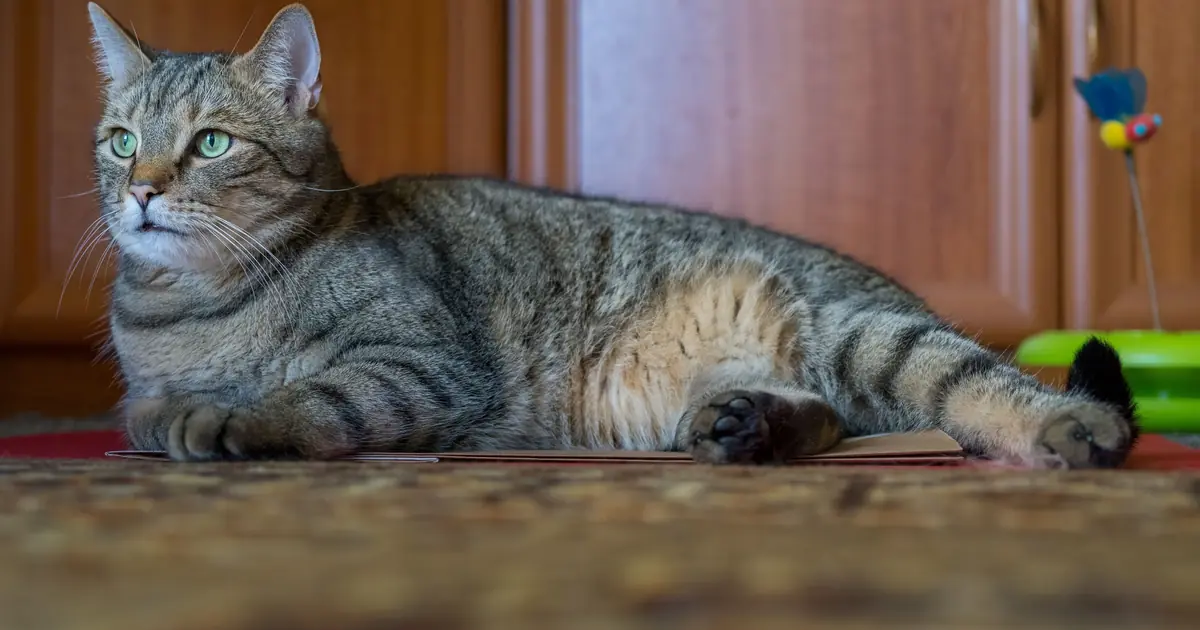
A pregnant cat pees outside the box when frequent urges collide with something that makes the litter box harder or less appealing to use. The increased frequency is the setup, and one of these triggers is usually the tipping point:
- Bladder pressure plus urgency. When the urge hits fast and hard, a heavily pregnant cat may not make it to the box in time.
- A box that’s hard to climb into. A big belly and a high-sided or covered box are a bad match. Stepping over a tall wall gets uncomfortable.
- Nesting instinct. Late in pregnancy, cats look for safe, quiet spots to give birth. She may start avoiding the busy box area and settling into closets or laundry piles.
- Stress and changes. A new bed, moved furniture, or a noisy household can push a pregnant cat off her routine.
- A urinary tract infection. UTIs are more common in pregnancy and cause sudden accidents, so this one always deserves a look.
If the accidents came on suddenly or your cat was previously spotless, don’t just assume it’s the pregnancy. Sudden litter box changes in any cat can signal a medical problem, which is the same pattern you’d investigate if your cat is peeing everywhere without being pregnant.
How can I help my pregnant cat use the litter box?
You help a pregnant cat by making the litter box the easiest, calmest option in the house. Small setup changes fix most pregnancy accidents. Try these:
- Switch to a low-entry box. Pick one with a low front lip, or cut down a plastic storage tub, so she can step in without hauling her belly over a wall.
- Add more boxes. The classic rule is one box per cat plus one, so a single pregnant cat does well with at least two or three. Put them on the same floor she spends time on.
- Keep boxes close and easy to reach. Don’t make her climb stairs or cross the whole house when the urge hits.
- Uncover it. Ditch the hood so she can get in and out fast and never feels cornered.
- Give her a quiet nesting spot. A calm, low-traffic corner with a soft bed satisfies the nesting urge, so she’s less likely to claim a random spot.
- Scoop often. A clean box is far more inviting, and a picky pregnant cat notices.
Litter choice matters too. A soft, unscented, clumping litter is gentle on sensitive paws and easy to dig in. If you’re rethinking your setup, our guide to the best cat litter walks through low-tracking, low-dust options that work well for expecting moms.
Could it be a UTI instead of the pregnancy?
Yes, and this is the one you can’t skip. A urinary tract infection can cause the exact same accidents as pregnancy, and UTIs are more common in pregnant cats. The difference is in the details, so watch for signs of pain or blood rather than just frequency.
A UTI tends to make a cat strain, pass only tiny amounts, visit the box over and over, and sometimes cry while peeing. You might also see pink, red, or cloudy urine. According to VCA Animal Hospitals, blood in the urine and straining are classic urinary infection signs and shouldn’t be ignored. When any of those show up, this needs a vet, ideally within a day or two, because an untreated urinary problem is uncomfortable and risky during pregnancy.
| Sign | Likely normal pregnancy | Possible UTI (see a vet) |
|---|---|---|
| Peeing frequency | More often, but full-size puddles | Constant trips, only tiny amounts |
| Straining or effort | None, pees normally | Strains, may cry or whine |
| Urine color | Normal yellow | Pink, red, or cloudy |
| Onset | Gradual, later in pregnancy | Sudden, at any stage |
| Litter box use | Occasional miss, otherwise fine | Repeated accidents, licking genitals |
Is peeing a sign my cat is about to give birth?
Sometimes, yes. In the last day or two before labor, many cats get restless, pace, pant lightly, and hunt for a nesting spot, and a few have accidents during this stretch. Restlessness right at the end of pregnancy can be an early labor cue rather than a bathroom problem.
Along with the pacing, you may notice your cat becoming clingy or, oddly, wanting to hide. Her appetite can drop and her body temperature dips shortly before delivery. If she’s near her due date and suddenly restless, get her nesting box ready and keep the area quiet. This whole hormonal shift traces back to her reproductive cycle, and if you’re new to it, here’s a primer on what to do when your cat is in heat, which is where the cycle begins.
When should I take my pregnant cat to the vet?
Call your vet if the peeing looks painful, bloody, or completely uncontrolled, since those go beyond normal pregnancy. Frequent, normal-looking urination on its own is usually just the bladder pressure and not an emergency. Book a visit if you notice any of these:
- Straining, crying, or squatting with little or no urine coming out
- Pink, red, or cloudy urine, or repeated licking of the genital area
- Sudden accidents in a cat who was always reliable
- Signs of illness alongside the peeing: vomiting, not eating, hiding, or lethargy
- Any concern that she may be in labor and struggling
Note: This article is educational and not a substitute for veterinary care. Because frequent urinating and new accidents can also mean a urinary tract infection or other medical issue, a quick vet check to rule out a UTI is always the safe call during pregnancy. For general guidance on feline health topics, the Cornell Feline Health Center and International Cat Care are trustworthy places to read more.
Frequently asked questions
Q: Do pregnant cats pee everywhere?
Pregnant cats usually pee more often rather than truly everywhere, because the growing kittens press on the bladder and reduce how much it holds. Some do start missing the litter box, but that’s usually caused by a hard-to-enter box, nesting, stress, or a urinary tract infection you can address.
Q: Why is my pregnant cat peeing outside the litter box all of a sudden?
Sudden accidents in a pregnant cat often mean the box got harder to use, or that a urinary tract infection has set in. UTIs are more common during pregnancy, so if the accidents came on fast, have your vet rule one out within a day or two.
Q: How often do pregnant cats urinate?
There’s no single number, but many pregnant cats visit the box noticeably more than before, especially in the final three to four weeks. The extra trips come from bladder pressure as the litter grows, and frequency usually returns to normal after she gives birth.
Q: Is it normal for a pregnant cat to have accidents before giving birth?
Yes, some cats have accidents in the last day or two as labor nears, along with restlessness, pacing, and nesting. If she’s near her due date and suddenly can’t settle, prepare her nesting box and keep the space calm and quiet.
Q: Can pregnancy cause a UTI in cats?
Pregnancy doesn’t directly cause a UTI, but urinary tract infections are more common in pregnant cats. Signs include straining, frequent tiny amounts of urine, crying while peeing, and pink or red urine, all of which need a vet visit.
Q: What kind of litter box is best for a pregnant cat?
A low-entry, uncovered box is best for a pregnant cat, because a big belly makes tall walls and hoods hard to manage. Offer at least two or three boxes on the floor she uses most, and keep them clean and easy to reach.
Q: Will my cat stop peeing everywhere after she has her kittens?
Most cats return to normal litter box habits soon after giving birth, once the pressure on the bladder is gone. If accidents continue after delivery, that points to a litter box or medical issue rather than the pregnancy, so check in with your vet.
Q: How can I tell the difference between normal pregnancy peeing and a problem?
Normal pregnancy peeing means more frequent, full-size, painless trips to the box. A problem looks like straining, tiny amounts, crying, blood, or repeated accidents in a previously reliable cat. When you see the painful or bloody signs, treat it as a vet visit.

Hello and welcome to The Ideal Cat!
We are some passionate cat owners from different professions. We love our cats and have a lot of experience in how to care for our pets. We are incredibly excited to share our knowledge, experience, and research with you. So you can take good care of your loving cat. We will answer most of the common questions about owning cats, taking care of them, etc. If you have any question contact with us. Thanks for visiting! Enjoy the content.
