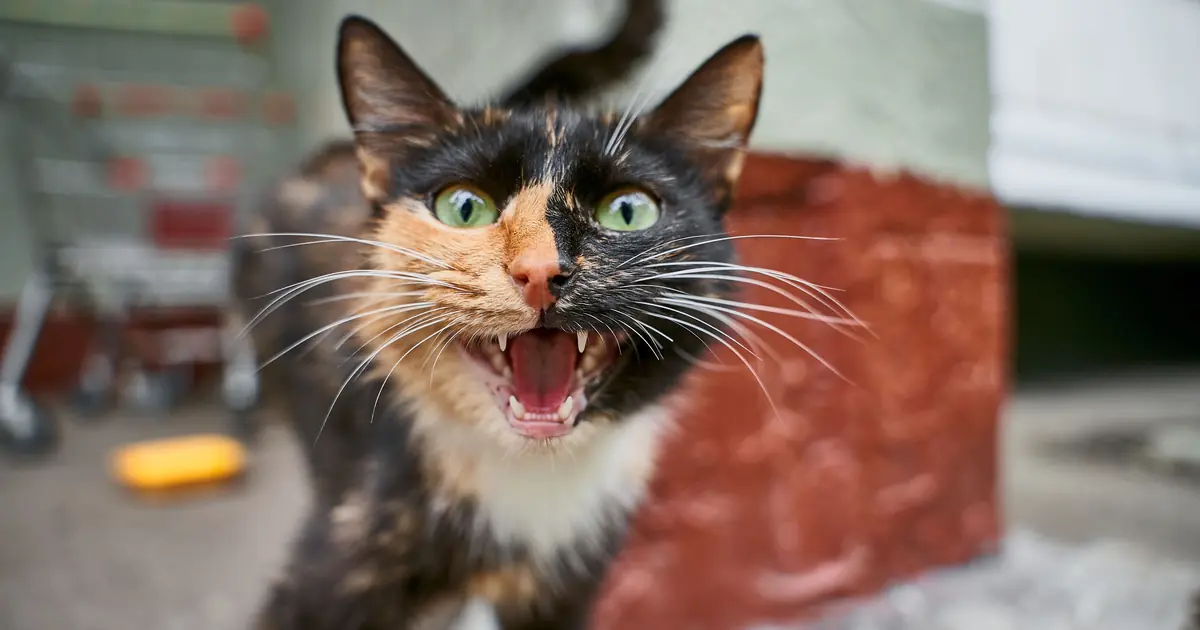
If you’ve ever been jolted awake at 3am by your sweet cat suddenly yowling like she’s auditioning for a horror movie, you already know: a cat in heat is a lot. She’s rolling on the floor, rubbing on everything, and crying at the door. I get it, watching your cat act so unlike herself can be worrying. The good news is she isn’t sick or in danger, and there’s plenty you can do to help her feel calmer. Knowing what to do when your cat is in heat makes the next few days easier on both of you.
- A cat in heat typically stays in heat for about 4 to 10 days (often around a week) and can cycle again every 2 to 3 weeks if she doesn’t mate.
- The most common signs of a cat in heat are loud yowling, rolling on the floor, raised hindquarters, extra affection, and sometimes urine spraying.
- Cats do not usually bleed during heat, so vaginal bleeding or discharge means you should call your vet.
- There is no safe, proven way to stop a heat at home; spaying (removing the ovaries) is the only permanent way to end heat cycles.
- Keep a cat in heat indoors at all times, since one trip outside can lead to pregnancy and most unspayed females can have several litters a year.
This article is educational and isn’t a substitute for veterinary care. If anything about your cat’s behavior worries you, talk to a licensed veterinarian.
What does it mean when a cat is in heat?
A cat in heat is a female cat (called a queen) going through estrus, the fertile stage of her reproductive cycle when her body is ready to mate. Heat is driven by hormones, not by anything you did, and it’s completely normal for any unspayed female. During heat, your cat’s instincts push her to find a mate, which is why she suddenly gets loud, restless, and unusually affectionate.
Most cats reach puberty and have their first heat between 5 and 9 months of age, though some start as early as 4 months. Once a cat starts cycling, heat tends to come back on a schedule during breeding season. Indoor cats living with steady light and warmth can cycle nearly year-round.
What are the signs your cat is in heat?
The clearest signs your cat is in heat are loud yowling, rolling on the floor, and raising her hindquarters when you pet her lower back. A cat in heat usually becomes extra affectionate and restless, and some start spraying urine to signal to males. Here’s a quick guide to what you’ll see and what each behavior actually means.
| Sign | What it looks like and means |
|---|---|
| Loud yowling | Long, drawn-out crying that sounds nothing like her normal meow; she’s calling for a mate. |
| Rolling and writhing | Rolling on the floor and stretching repeatedly; a classic estrus behavior, not pain. |
| Raised hindquarters | When you touch her back, she lifts her rear, treads with her back paws, and moves her tail aside (the mating position). |
| Extra affection | Constant rubbing on you, furniture, and floors; demanding attention and head-butting. |
| Restlessness | Pacing, trying to bolt out doors and windows, and trouble settling. |
| Urine spraying | Marking vertical surfaces with small amounts of strong-smelling urine to attract males. |
| Less appetite | Some cats eat less while their focus is on finding a mate. |
Here’s the thing a lot of owners get wrong: cats do not normally bleed during heat the way dogs do. So if you see blood or discharge, that’s not a normal heat sign and is worth a call to your vet.
What to Do When Your Cat Is in Heat: Comfort Steps (9 Steps)
To comfort a cat in heat, keep her indoors, give her a calm warm space, and use play and affection to take her mind off mating. You can’t switch off her hormones, but you can lower her stress and keep her safe while the heat passes. Follow these steps.
- Keep her strictly indoors. Lock doors and windows, and check screens, doggie doors, and any gap she could squeeze through. One escape can mean pregnancy.
- Separate her from intact male cats. If a male cat lives with you, keep them in different rooms, or have a friend mind him for a few days.
- Give her a quiet, warm resting spot. Set up a soft bed or blanket in a calm corner. A warmed (not hot) towel or a wrapped heat pack can soothe some cats.
- Offer extra play and enrichment. Wand toys, treat puzzles, and chase games tap her hunting drive and help burn off restless energy.
- Follow her lead on affection. Some cats in heat want endless cuddles and brushing; others want space. Don’t take it personally if she pulls away.
- Keep her litter box spotless. A clean box helps with the extra restlessness and marking, and gives her one less reason to fuss.
- Try a calming pheromone diffuser. A synthetic feline facial pheromone diffuser may take the edge off stress for some cats during heat.
- Stay calm and gentle. Speak softly and never punish the yowling. Punishment adds stress and won’t stop the behavior.
- Talk to your vet about spaying. Booking a spay is the one step that ends future heats for good.
Feliway Classic Calming Diffuser
This plug-in releases a synthetic copy of the calming facial pheromone cats leave when they rub on things. It won’t stop a heat, but it can help a stressed, restless cat feel a little more settled in her space. Best for owners who want a gentle, drug-free way to support a tense cat in heat.
How long does a cat stay in heat?
A cat usually stays in heat for about 4 to 10 days, with roughly a week being the most common. If she doesn’t mate during that window, she’ll go out of heat for a short break and then cycle again, often every 2 to 3 weeks during breeding season. That stop-start pattern is why one heat can feel like it drags on for weeks.
| Question | Typical answer |
|---|---|
| Age of first heat | About 5 to 9 months (sometimes as early as 4 months) |
| How long one heat lasts | About 4 to 10 days, often around 7 days |
| Break between heats | Usually about 1 week (around 7 days) |
| How often heat recurs | Roughly every 2 to 3 weeks in breeding season |
| Breeding season | Usually spring through fall; indoor cats may cycle year-round |
Can you stop a cat’s heat at home?
No, there is no safe, proven way to stop a cat’s heat at home once it starts. A heat is driven by hormones, so it has to run its course naturally, and the only way to end heat cycles for good is spaying. Be careful with online “remedies,” because some are useless and a few are genuinely risky.
Skip these popular myths: cooling her down with cold baths, rubbing her with a damp Q-tip or cotton swab, or giving human medications or supplements. None of these reliably stop a heat, and some can hurt or stress your cat. The kind, effective move is to comfort her through it (see the steps above) and plan a spay.
Why is spaying the real solution for a cat in heat?
Spaying is the real solution because it removes the ovaries (and usually the uterus), which ends heat cycles permanently and prevents pregnancy. Once a cat is spayed, the yowling, rolling, and spraying tied to heat stop, since the hormones driving them are gone. Spaying also lowers the risk of certain cancers and a dangerous uterine infection called pyometra.
Many veterinarians recommend spaying around 5 to 6 months of age, often before the first heat. If your cat is already in heat, surgery is still possible, but many vets prefer to wait until the heat passes because tissues are more engorged and bleed more during estrus. Your vet will advise the safest timing for your cat.
What to Do When Your Cat Is in Heat and You Need the Vet
Call your vet about a cat in heat if you see vaginal bleeding or discharge, if heat lasts longer than about 10 days without a break, or if she stops eating, vomits, or seems genuinely unwell. Normal heat is loud and dramatic but shouldn’t make your cat sick. Anything beyond the usual behavioral signs deserves a professional look.
Get veterinary advice promptly if your cat shows any of these:
- Blood or any discharge from the vulva (not a normal heat sign in cats)
- Heat that drags on past 10 days, or near-constant heat with no breaks
- Refusing food for more than a day, vomiting, or diarrhea
- A swollen, painful belly or signs of real distress or lethargy
- A possible escape or mating, if you don’t want a litter
When in doubt, a quick call to your vet is always the safest choice.
Frequently Asked Questions
Q: Is a cat in heat in pain?
A cat in heat is not in pain; she’s experiencing strong hormonal urges to mate, which look dramatic but aren’t painful. The yowling and rolling are instinctive mating behaviors, not signs of suffering. If your cat seems genuinely sick, lethargic, or is bleeding, that’s not normal heat, so call your vet.
Q: Do male cats go into heat?
No, male cats do not go into heat, because heat cycles depend on the ovaries, which males don’t have. Intact male cats can mate year-round and may yowl, roam, or spray when they sense a female in heat nearby. Neutering a male cat reduces these behaviors.
Q: How long does a cat stay in heat the first time?
A cat’s first heat usually lasts about 4 to 10 days, similar to later heats, with around a week being common. First heats can sometimes seem shorter or less intense. If she isn’t spayed or mated, she’ll likely cycle again every 2 to 3 weeks during breeding season.
Q: Can you spay a cat while she’s in heat?
Yes, a cat can be spayed while in heat, but many veterinarians prefer to wait until the heat passes. During estrus, reproductive tissues are more swollen with blood, which can make surgery slightly riskier and increase bleeding. Your vet will recommend the safest timing for your individual cat.
Q: Do cats bleed when they are in heat?
No, cats do not normally bleed when they are in heat, unlike dogs. A cat in heat may spray small amounts of urine to mark, but blood or discharge from the vulva is not a normal heat sign. Vaginal bleeding in a cat should be checked by a veterinarian.
Q: How can I calm my cat down during heat fast?
To calm a cat in heat, give her a quiet warm space, play with her to burn off energy, and offer affection on her terms. A feline pheromone diffuser may ease stress, and a warmed towel can soothe some cats. There’s no instant fix, so comfort her while the heat runs its course.
Q: Will my cat get pregnant if she goes outside in heat?
Yes, a cat in heat can easily get pregnant if she goes outside, even on a quick trip. Females in heat actively seek mates, and intact males roam to find them. Most unspayed females can have several litters a year, so keeping her strictly indoors during heat is the safest choice.
Q: How often will my cat go into heat if she isn’t spayed?
An unspayed cat will typically go into heat every 2 to 3 weeks during breeding season if she doesn’t mate. Indoor cats with steady light and warmth may cycle nearly year-round. The only way to stop these recurring heat cycles for good is spaying.
Knowing what to do when your cat is in heat comes down to three things: keep her safely indoors, comfort her with calm and play, and book a spay so the cycles end for good. Heat is loud and exhausting, but it’s temporary, and your cat just needs a little patience and a safe space to ride it out. When you’re ready for the permanent fix, your veterinarian can walk you through spaying and the best timing for your cat.

Hello and welcome to The Ideal Cat!
We are some passionate cat owners from different professions. We love our cats and have a lot of experience in how to care for our pets. We are incredibly excited to share our knowledge, experience, and research with you. So you can take good care of your loving cat. We will answer most of the common questions about owning cats, taking care of them, etc. If you have any question contact with us. Thanks for visiting! Enjoy the content.
