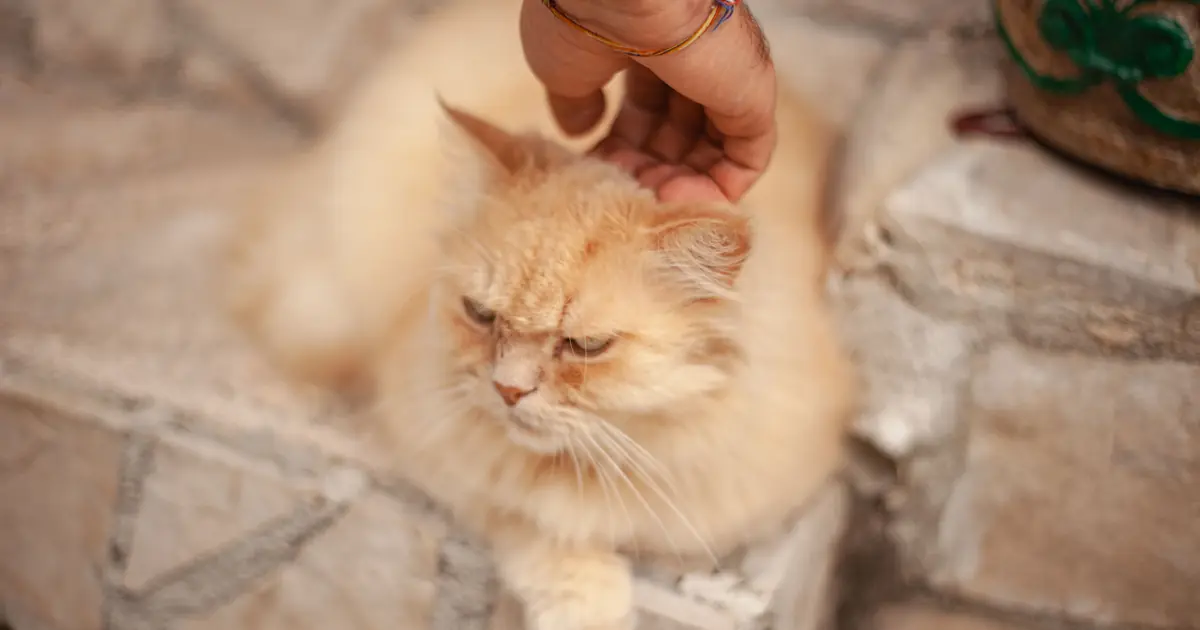
You’re mid cuddle, your cat is purring, and then it happens. The second you lift your hand, they do a fast little full-body shudder, like they just stepped out of a bath. A quick head shake, a ripple down the back, maybe a paw flick, and off they trot. And you’re left wondering: was that a review of my petting skills?
Here’s the good news. Wondering why do cats shake after you pet them is one of those questions with a mostly boring, mostly reassuring answer. Most of the time your cat is just fixing their fur and resetting after a nice moment. But there are a few versions of “the shake” that are worth knowing, so let’s walk through all of it.
- A quick shake after petting is usually a fur and scent reset, not a complaint about you.
- Cats have scent glands in their skin, so a shake helps them redistribute their own smell after your hand leaves it.
- A shudder can also release mild overstimulation, or politely say “I’m done now” after affection.
- A one-second shake is normal; repeated skin rippling with agitation can be feline hyperesthesia syndrome.
- Trembling with pain signs, or shaking that happens without any touch at all, means it’s time to call your vet.
Why do cats shake right after you pet them?
Cats shake right after petting mostly to smooth their fur back into place and rebalance their scent. Your hand presses their coat in odd directions and leaves your smell behind, so a quick shudder resets both. It’s the feline version of tidying up after a hug.
Think about what a stroke actually does. It flattens the guard hairs, rubs your scent into the coat, and stirs up the nerve endings under the skin. A fast shake fixes the fur, redistributes their own scent, and settles those buzzing nerves. To your cat, it’s just housekeeping. It’s the same instinct behind grooming the exact spot you touched, and you can decode more of these tells in our guide to reading cat body language.
Is my cat shaking off my scent?
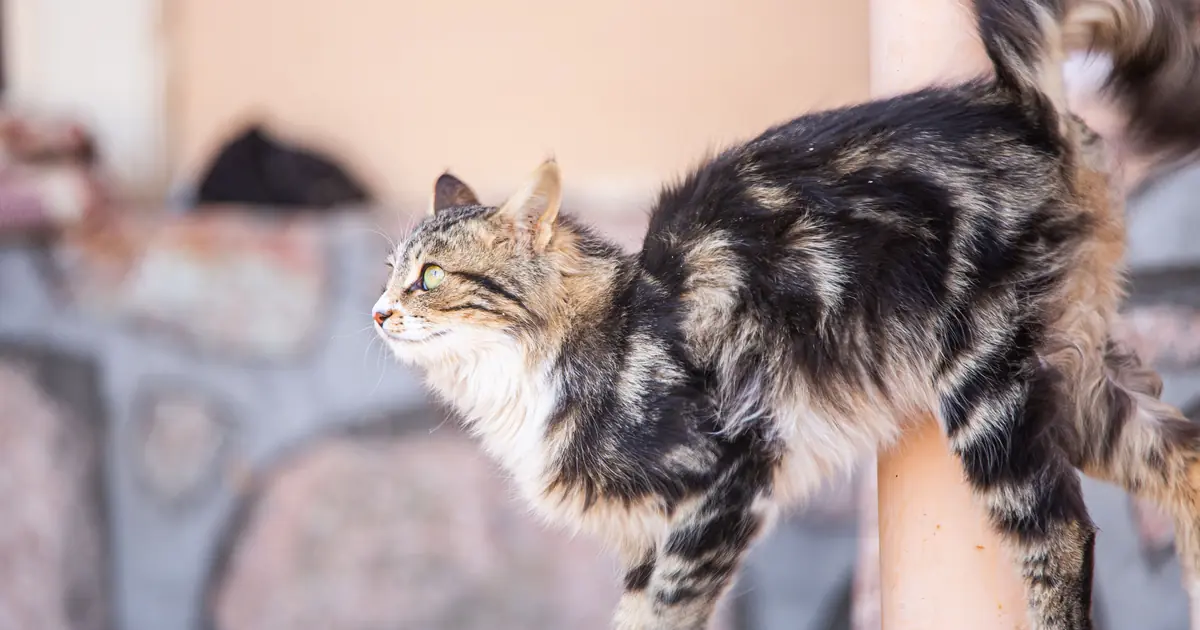
Yes, part of the shake is often your cat rebalancing scent, not rejecting you. Cats carry scent glands in their skin and cheeks, and petting mixes your smell into their carefully managed coat. A shake helps spread their own scent back over the top. It’s not an insult, it’s admin.
Scent matters more to cats than most of us realize. A coat that “smells right” makes them feel secure. So when your cat shudders and then rubs against the couch, they’re basically saying, “Lovely, thanks, now let me get my signature back on.” According to International Cat Care, scent is central to how cats feel safe in their space.
Does shaking mean my cat was overstimulated?
Sometimes, yes. A shake can be your cat releasing mild overstimulation from petting that went a beat too long. Cats have sensitive nerve endings, especially near the base of the tail and lower back, and a shudder helps discharge that built-up “too much” feeling. It’s a reset, not always a rejection.
Watch for the warning signs before the shake. If the tail starts twitching, the ears rotate back or flatten, the skin ripples, or your cat goes suddenly still, those are the classic “I’m nearly done” signals. A shake at that point is your cat blowing off a little pressure. Keep going past those cues and you may get the next step up, which is a warning nip.
That petting-then-biting pattern has its own name and its own fixes. If your cat tends to turn on your hand mid stroke, our piece on why cats bite when you pet them covers how to catch the tipping point early. The shake is often the gentler, earlier version of that same message.
Is a shake a way of saying “that’s enough”?
Often, yes. A quick shake after affection can be a polite “okay, I’m good now” from your cat. It’s a natural transition move, a way to close the interaction and shift gears from cuddle mode to whatever’s next, usually a nap or a snack. Cats rarely storm off, but they will shake, stretch, and stroll away.
You’ll see this most when your cat enjoyed the attention but has simply had their fill. There’s no drama in it. Respecting that exit actually builds trust, because your cat learns that “enough” gets heard. That’s also why the shake usually looks relaxed, not frantic. A content cat shudders loosely and moves on, while a stressed cat’s movements look tighter and more repetitive, which is the difference we’ll break down next.
What’s the skin-twitch reflex all about?
The skin-twitch reflex comes from a thin sheet of muscle just under the skin called the cutaneous trunci. This muscle lets a cat ripple or flick the skin along their back on its own, without moving the whole body. Petting can trigger a small, harmless version of it, like a shiver running down the coat.
You’ve probably seen this as a fast ripple down your cat’s back when you touch near the spine or tail base. In a normal cat, it’s brief and no big deal, just skin doing its thing. The same reflex is why cats shake their paws after stepping in something odd or getting their feet touched. It’s a built-in “brush that off” system.
A few cats also drool or go blissed-out during petting, which is a totally different happy response. If yours does that, our note on why cats drool when you pet them explains the contentment side of the coin.
Normal shake vs. worrying tremor: how do I tell?
A normal shake is a quick, one-off shudder tied directly to being touched, and your cat carries on like nothing happened. A worrying tremor is repeated, spreads, or shows up on its own, often with signs of distress. The table below lays out the difference at a glance.
| Normal shake (reset) | Concerning tremor (see a vet) |
|---|---|
| Brief, one or two seconds, then done | Ongoing or repeated trembling |
| Happens right after petting or touch | Happens with no touch at all |
| Loose, relaxed body afterward | Tense body, dilated pupils, agitation |
| Cat grooms, stretches, walks off calmly | Frantic licking, biting at flank or tail |
| Skin ripples once, then settles | Skin rolls repeatedly, cat seems to “escape” it |
| No pain signs, eats and plays normally | Crying out, hiding, limping, or off food |
The repeated skin-rolling version has a name. Feline hyperesthesia syndrome, sometimes called twitchy cat or rolling skin disease, makes the skin along the back ripple and twitch on its own, often with frantic licking, tail-chasing, sudden sprinting, and dilated pupils. It’s linked to that same cutaneous trunci muscle firing when it shouldn’t. If your cat’s “shake” looks more like this, it’s a vet conversation, not a cuddle quirk.
How can I pet my cat so they enjoy it more?
Pet your cat where they actually like it, and stop before they’ve had enough. Most cats love slow strokes around the cheeks, chin, and base of the ears, and many dislike heavy petting near the tail base or belly. Reading the body language and quitting early keeps the whole thing a good experience.
Here’s a simple approach that works for most cats:
- Let your cat come to you first, and offer a finger to sniff before you start.
- Stick to the head, cheeks, and chin, where scent glands make petting feel best.
- Use slow, gentle strokes rather than fast or firm rubbing.
- Watch the tail and ears; a twitching tail or turned-back ears means wind it down.
- Stop while your cat still seems happy, not after they’ve told you to.
Do this and the after-petting shake stays in the “happy reset” category. The ASPCA also points out that many cats prefer short, frequent bits of attention over one long session, so a few brief cuddles beat one marathon your cat has to shake off.
When should I take a shaking cat to the vet?
See a vet if the shaking isn’t tied to petting, keeps happening, or comes with signs of pain or distress. A one-second shudder after a stroke is normal. Trembling that lingers, spreads through the body, or shows up out of nowhere can point to pain, a skin problem, a neurological issue, or feline hyperesthesia.
This article is educational and isn’t a substitute for a real exam, so when in doubt, call your vet. Reach out promptly if you notice any of these:
- Full-body trembling that doesn’t stop within a few seconds
- Repeated skin rippling with frantic licking, biting, or tail attacks
- Shaking paired with hiding, crying out, limping, or not eating
- Any shaking that happens without being touched at all
- A sudden change in how much your cat shakes or reacts to handling
The Cornell Feline Health Center is a solid, vet-backed resource if you want to read up before your appointment. But a quick shake after a good petting session? That’s almost always your cat just being a cat.
Frequently asked questions
Q: Why does my cat shudder when I stop petting them?
Cats often shudder when petting stops to reset their fur and reapply their own scent after your hand leaves it. The shake smooths the coat and settles the nerve endings your stroke stirred up. It’s a normal housekeeping move, not a sign your cat disliked the attention.
Q: Is it bad if my cat shakes its head after I pet it?
No, a quick head shake after petting is usually normal. Cats do it to shake off your scent, dislodge loose fur, or reset after mild overstimulation. It only becomes a concern if the head shaking is frequent, paired with ear scratching or odor, which can signal ear mites or an ear infection worth a vet check.
Q: What is feline hyperesthesia syndrome?
Feline hyperesthesia syndrome, also called rolling skin disease or twitchy cat syndrome, makes the skin along a cat’s back ripple and twitch on its own. It often comes with frantic licking, tail-chasing, sudden sprinting, and dilated pupils. It’s linked to the cutaneous trunci muscle firing abnormally and needs veterinary diagnosis and treatment.
Q: Why does my cat’s skin ripple when I touch its back?
Skin rippling comes from the cutaneous trunci, a thin muscle just under the skin that lets cats twitch their coat without moving. A brief ripple when you touch near the spine is a normal reflex. Repeated, agitated rippling with distress can point to feline hyperesthesia and should be checked by a vet.
Q: Does shaking mean my cat doesn’t like being petted?
Not usually. A quick shake most often means your cat is resetting their fur or signaling they’ve had enough for now, not that they hated the affection. Watch the whole picture; a relaxed body and calm walk-off means it was fine, while tense body language and repeated skin-rolling suggest you stopped a bit late.
Q: When should I worry about my cat shaking?
Worry when the shaking isn’t tied to petting, lasts more than a few seconds, or comes with hiding, crying out, limping, not eating, or frantic licking and biting. Trembling with no clear trigger can signal pain, a neurological issue, or feline hyperesthesia, all of which need a veterinary exam.

Hello and welcome to The Ideal Cat!
We are some passionate cat owners from different professions. We love our cats and have a lot of experience in how to care for our pets. We are incredibly excited to share our knowledge, experience, and research with you. So you can take good care of your loving cat. We will answer most of the common questions about owning cats, taking care of them, etc. If you have any question contact with us. Thanks for visiting! Enjoy the content.
