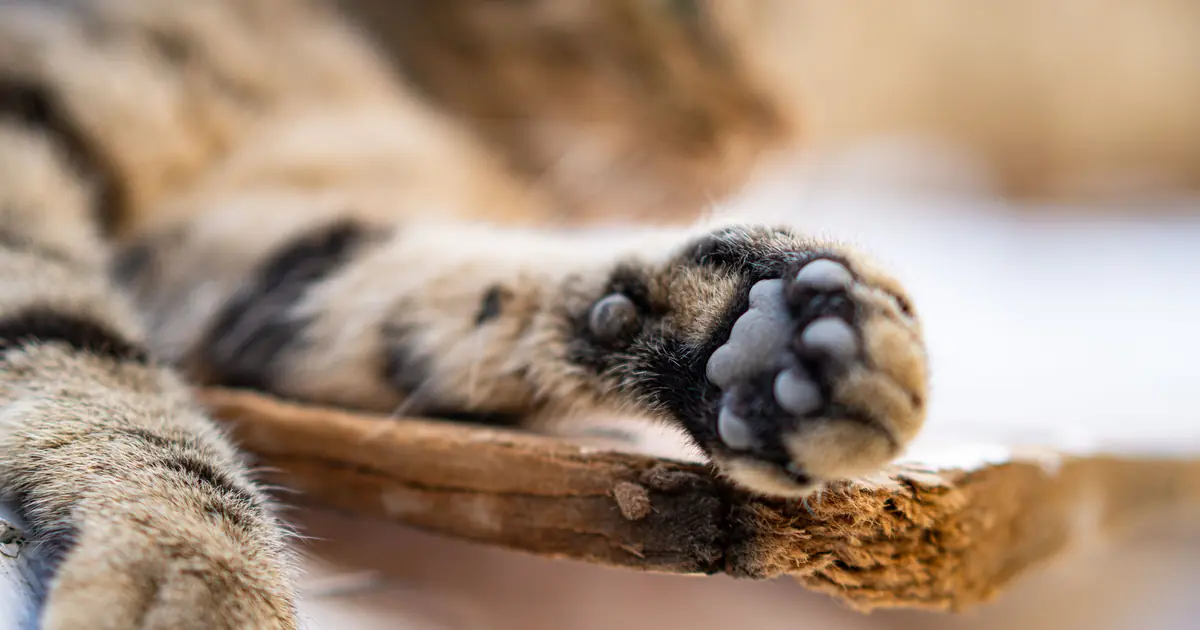
Picture this. Your cat marches out of the litter box, stops mid-stride, and gives one back paw a dramatic little shake. Then the other. A tiny trail of litter scatters across the floor. Then they carry on like nothing happened.
If you’ve ever wondered why do cats shake their paws, you’re not alone, and the answer is usually pretty reassuring. Most of the time your cat just wants that thing OFF their paw. Cats are famously fussy about their feet, and a quick flick is how they reset. But there are a few times when paw-shaking is your cat quietly telling you something hurts. Let’s sort the normal from the “call the vet.”
- The most common reason cats shake their paws is to fling off something stuck to them, like litter, water, or a bit of food.
- Cats are meticulous groomers and dislike the feeling of wet, dirty, or gritty paws, so a quick flick is normal fussiness.
- Occasional paw-shaking right after the litter box or a grooming session is completely healthy behavior.
- Constant shaking with limping, swelling, bleeding, or a cat licking one paw raw can signal an injury, a torn nail, or paw dermatitis.
- See a vet if paw-shaking lasts more than a day or two or comes with pain, hiding, or loss of appetite.
Why do cats shake their paws in the first place?
Cats shake their paws to remove something they can feel on their feet and don’t like. It’s an instinctive flick, the feline version of shaking rain off your hand. Their paw pads are packed with nerve endings, so cats notice the tiniest bit of grit, moisture, or stickiness that you’d never register.
Here’s the thing about cats: they’re clean freaks. When something clings to a paw, the fastest fix isn’t a full grooming session. It’s a sharp shake. One flick, problem solved, dignity restored. You’ll usually see it after the litter box, through a spilled water dish, after a meal, or after grooming. Reading these little movements is part of learning your cat’s body language.
Is litter stuck to the paw the most common cause?
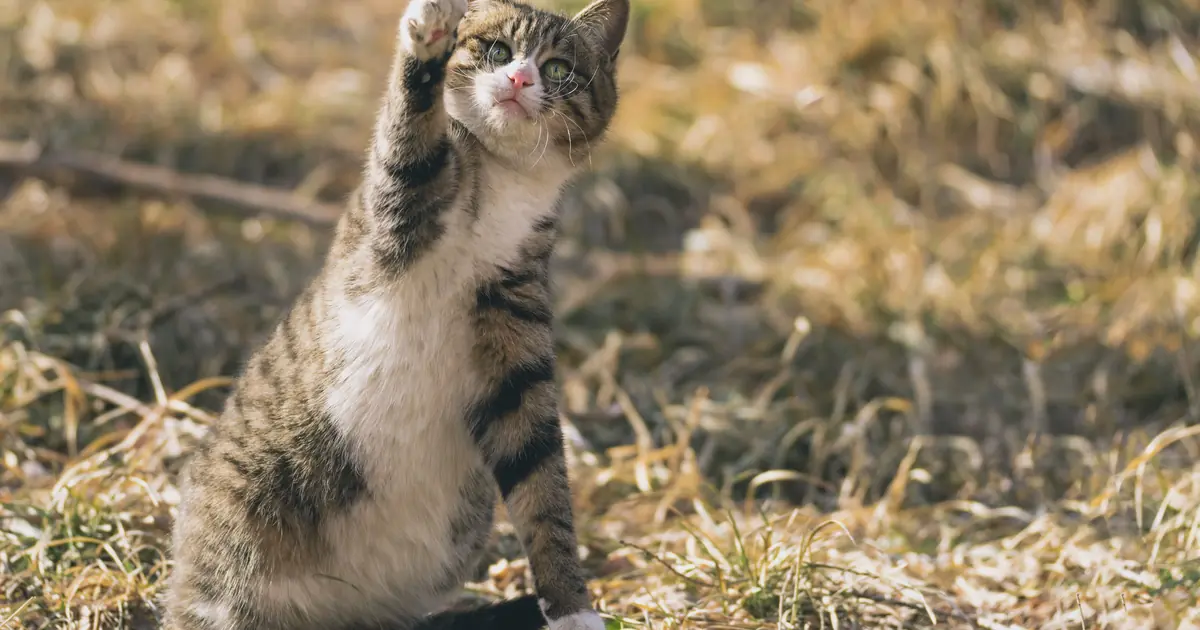
Yes. Litter stuck between the toes is far and away the top reason cats shake their paws. If your cat leaves the box flicking each foot and scattering a little trail behind them, the litter is the culprit. Fine, dusty, or sticky clumping litters love to wedge into the fur between the pads.
Some cats barely notice. Others act personally offended by a single grain. If your cat does the shake-and-scatter routine every single time, switching to a low-tracking or larger-granule formula can cut way down on the drama. Our guide to the best cat litter breaks down which options track the least. Long-haired cats deal with this more, since litter clings to the tufts between their toes, so a quick trim of that paw fur often helps.
Why do cats hate wet or dirty paws so much?
Cats hate wet paws because moisture messes with their traction, their grooming, and their sense of control. A cat’s paws are their tools: for climbing, gripping, and reading the ground. Anything slick, damp, or gunky on those pads feels wrong, so they shake it off fast.
This ties into the bigger reason so many cats are funny about water in general. That instinctive dislike of wet fur and wet feet is deep-rooted, which is part of why cats are afraid of water. Step your cat in a puddle by the water bowl and you’ll get the full four-paw shimmy.
Food does it too. A sauce-covered paw, a crumb from a treat, a smear of something sticky on the floor. Your cat feels it instantly and flicks until it’s gone. The International Cat Care team notes that cats are highly sensitive, meticulous animals, which is exactly why small sensations on the paws trigger such a big reaction. You can read more on feline behavior at International Cat Care.
Is paw-shaking ever just an irritation flick or mood signal?
Yes. Sometimes a paw-shake is pure attitude, a little flick of irritation or overstimulation rather than anything physical. Cats communicate with their whole bodies, and a sharp paw flick can mean “I’m annoyed” or “that’s enough petting.” You might even see it at the food bowl when the menu isn’t up to standard. (We’ve all been judged by a cat. It’s fine.)
These reactive, twitchy flicks can also show up during a burst of energy or overstimulation, the same wired-up state behind the zoomies. As long as your cat seems comfortable and the flick is a one-off, this is normal cat expressiveness, not a health problem.
When is paw-shaking normal versus a red flag?
Paw-shaking is normal when it’s occasional, quick, and clearly tied to something on the paw. It becomes a red flag when it’s constant, focused on one foot, or paired with pain, licking, or swelling. The table below sorts the everyday shakes from the ones worth a closer look.
| Usually normal | Worth a vet check |
|---|---|
| A quick flick after the litter box | Constant, repeated shaking of one paw |
| Shaking off water or a spilled drink | Limping or refusing to bear weight on the paw |
| A flick after eating or grooming | Licking or chewing one paw raw |
| Occasional annoyance flick | Swelling, redness, bleeding, or a bad smell |
| Shaking that stops within seconds | Shaking that lasts more than a day or two |
If your cat keeps favoring, licking, or shaking the same paw, gently check between the toes and around the nails. Something lodged in there (a grass seed, a splinter, a bit of tape), a torn or ingrown nail, a small cut, or paw dermatitis can all trigger persistent shaking. Allergies and skin irritation can leave the pads sore and itchy too. The veterinary team at PetMD lists pain, injury, and skin conditions among the reasons a cat fixates on one foot.
When should you see a vet about paw-shaking?
See a vet if the paw-shaking is constant, focused on one paw, or comes with pain. This article is educational and not a substitute for veterinary care, so when in doubt, get your cat looked at.
Book a vet visit if you notice any of these:
- Limping or your cat won’t put weight on the paw
- Licking or chewing one paw until it’s raw or bald
- Swelling, redness, bleeding, discharge, or a foul smell
- A visible wound, torn nail, or something stuck you can’t safely remove
- Shaking that goes on for more than a day or two
- Shaking alongside hiding, lethargy, or a drop in appetite
For general guidance on paw and skin problems, the Cornell Feline Health Center is a trustworthy place to start. But nothing beats hands-on care, so a real exam always wins when your cat seems uncomfortable.
A quick note on emergencies: heavy bleeding, a paw at an odd angle, or a cat crying out in pain means call your vet or an emergency clinic right away. Don’t wait it out.
How can you help a cat that shakes its paws a lot?
You can cut down on paw-shaking by removing whatever keeps landing on the paws. If litter is the trigger, that’s usually the easiest fix of all.
- Switch to a low-tracking, low-dust litter with larger granules.
- Place a litter mat outside the box to catch stray grains.
- Trim the fur between the toes on long-haired cats.
- Keep water bowls on a mat and wipe up spills fast.
- Gently wipe sticky or dirty paws with a damp cloth after meals.
- Check the paws now and then for stuck debris, cuts, or nail problems.
Do those things and most of the everyday shaking fades. What’s left is just your cat being their fussy, fabulous self. And honestly? That part’s non-negotiable.
Frequently asked questions about cats shaking their paws
Q: Why does my cat shake its paws after using the litter box?
Cats shake their paws after the litter box to fling off litter stuck between their toes. It’s the single most common trigger, especially with fine or clumping litter. If it happens every time and leaves a trail, try a low-tracking, larger-granule litter.
Q: Why does my cat shake its paw as if it’s wet?
A cat shakes its paw like it’s wet when it feels moisture, grit, or a stuck object on the pads. Cats hate the sensation of damp or dirty feet and flick to reset. If the paw isn’t wet and the shaking is constant, check between the toes for something lodged and watch for limping.
Q: Is it normal for cats to shake their paws?
Yes, occasional paw-shaking is completely normal. Cats are meticulous and flick their paws to remove litter, water, food, or debris. It only becomes a concern when the shaking is constant, focused on one paw, or paired with limping, swelling, or raw licking.
Q: Why does my cat shake only one paw?
Shaking one paw over and over can signal a problem with that specific foot: a torn nail, a small cut, something stuck between the toes, or paw dermatitis. Gently inspect that paw. If you see swelling, blood, or your cat licks it raw, see a vet.
Q: Why does my cat shake its paw at me?
A quick paw flick toward you is usually a mild irritation or overstimulation signal, a little “that’s enough” or “I don’t love this.” It’s part of how cats communicate mood with their bodies. As long as your cat is otherwise comfortable, it’s normal and not a health issue.
Q: Can allergies make a cat shake its paws?
Yes. Allergies and skin irritation can leave a cat’s paw pads itchy, sore, or inflamed, leading to shaking and excessive licking. If your cat repeatedly shakes and chews at its paws with redness or hair loss, a vet can check for allergies or paw dermatitis.
Q: When should I worry about my cat shaking its paws?
Worry if the shaking is constant, targets one paw, or comes with limping, swelling, bleeding, or a cat licking the paw raw. Shaking that lasts more than a day or two, or comes with hiding or appetite loss, means it’s time to call your vet.
Q: Why does my cat shake its paws while walking?
Shaking paws mid-walk usually means something is clinging to the feet, like litter, water, or a sticky spot on the floor. Cats flick as they go to shed it. If your cat also limps or high-steps repeatedly, check the paws for an injury or stuck object.

Hello and welcome to The Ideal Cat!
We are some passionate cat owners from different professions. We love our cats and have a lot of experience in how to care for our pets. We are incredibly excited to share our knowledge, experience, and research with you. So you can take good care of your loving cat. We will answer most of the common questions about owning cats, taking care of them, etc. If you have any question contact with us. Thanks for visiting! Enjoy the content.
