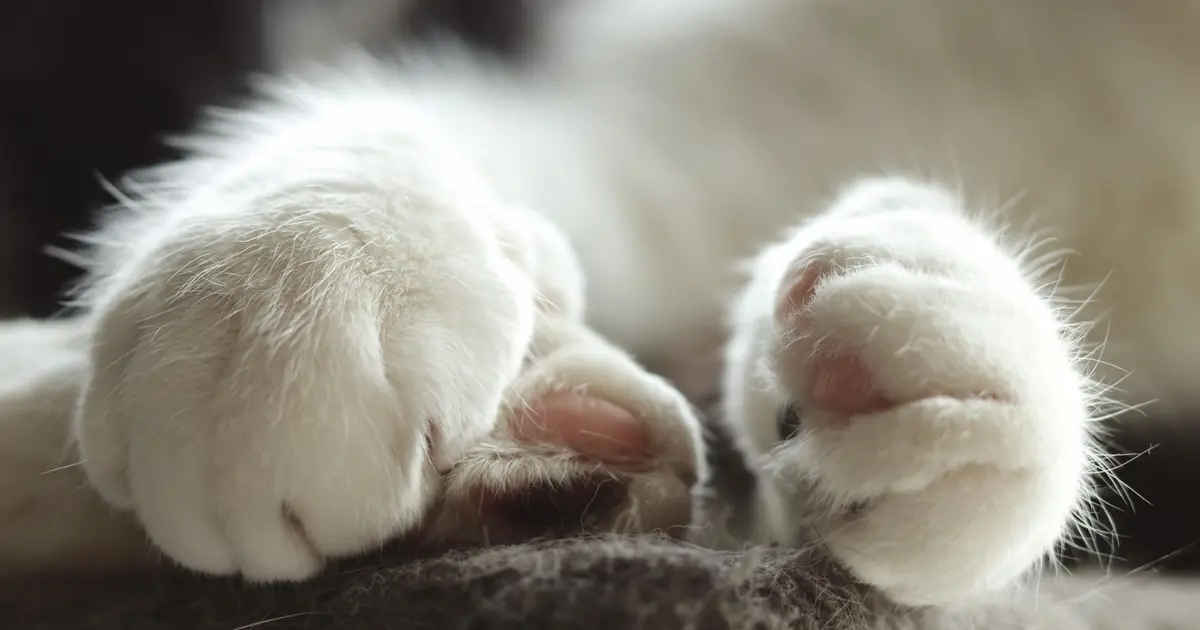
You’re clipping your cat’s nails, you press a paw pad, and there it is: a weird little bump that wasn’t there last month. If you’ve ever felt that stomach-drop moment, you’re not alone. The good news is that most paw-pad bumps are nothing scary. But “wart” gets used loosely, and a few of these growths do need a vet.
Here’s what those bumps usually are, how to tell a harmless one from a red flag, and when to stop watching and start calling.
- True warts (viral papillomas) are uncommon in cats and usually appear in young or immune-suppressed cats, not typically on the paw pads.
- Most paw-pad bumps are benign: cysts, skin tags, corns, or a hard, horn-like growth called a cutaneous horn.
- A rare but serious cause is squamous cell carcinoma or a paw tumor, which is why a growing or bleeding lump needs a vet.
- Never cut, burn, or use human wart remover on a cat’s paw; salicylic acid products are toxic to cats.
- See a vet if the bump grows, bleeds, oozes, changes color, or makes your cat limp or over-lick the paw.
Can cats actually get warts on their paw pads?
Cats can develop wart-like growths on their paws, but classic contagious warts are far less common in cats than in dogs or people. A real wart is caused by a papillomavirus, and in cats these viral papillomas usually show up in the mouth or on the skin of young or immune-compromised cats, not routinely on the tough paw pads. So when people say their cat has a “paw wart,” it’s more often a different kind of bump that just looks wart-like.
What causes bumps and growths on a cat’s paw pads?
Paw-pad bumps come from several different causes, and they’re not all the same risk level. Knowing the usual suspects helps you judge how worried to be.
- Cutaneous horns: hard, horn-like keratin growths that can sprout from a pad. Usually benign, but sometimes linked to an underlying issue.
- Cysts and skin tags: soft, slow-growing, harmless lumps.
- Corns and calluses: thickened skin from pressure or friction.
- Viral papillomas: true warts, more likely in kittens or cats with weak immune systems.
- Plasma cell pododermatitis (“pillow foot”): soft, puffy, swollen pads, not a true wart.
- Tumors: less common, but squamous cell carcinoma and other growths can appear on toes and pads.
What does a harmless paw bump look like versus a serious one?
You can’t diagnose a paw growth by looks alone, but some features lean reassuring and others lean worrying. Use this as a guide for how urgently to act, not as a final answer.
| Usually less worrying | Get it checked soon |
|---|---|
| Small and stays the same size for weeks | Grows or changes quickly |
| Skin-colored, dry, firm | Red, dark, bleeding, or oozing |
| Cat ignores it, walks normally | Limping, licking, or pain when touched |
| Single, well-defined bump | Multiple bumps or an open sore that won’t heal |
Are cat paw warts contagious or dangerous?
Most paw-pad growths on cats are not contagious to you or other pets. True viral papillomas can spread between cats through close contact, but they’re uncommon and usually clear on their own in healthy cats. The real concern isn’t contagion, it’s making sure a lump that looks like a “wart” isn’t actually a tumor. That’s a call only a vet can make, sometimes with a biopsy.
How are paw pad growths treated?
Treatment depends entirely on what the growth actually is. A harmless skin tag or small cyst may just be monitored. A cutaneous horn, a painful corn, or a suspicious mass may be removed and sent to a lab. Never try home wart removers, freezing kits, or cutting a paw bump yourself. Human wart treatments contain salicylic acid, which is toxic to cats, and the paw pad bleeds easily and is hard to keep clean.
How can you keep your cat’s paws healthy?
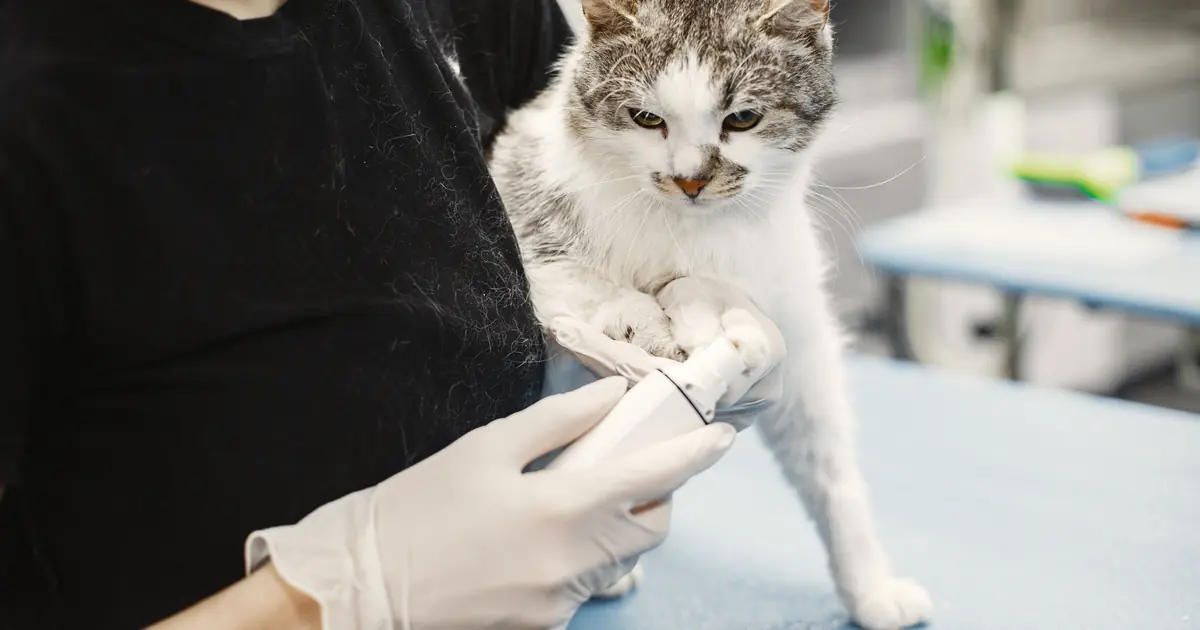
Healthy paws start with routine checks and normal grooming. Look at the pads and between the toes when you trim nails, so you notice changes early. Keep nails trimmed on a regular schedule, since overgrown claws change how a cat bears weight and can irritate the pads. If you’re new to it, our guides on how often cats need their nails trimmed and how to cut cat nails walk you through it. And if your cat suddenly starts licking one paw more than usual, that’s often the first clue something on the pad needs a look.
When should you see a vet about a paw pad bump?
See a vet if a paw-pad bump is growing, bleeding, oozing, changing color, or clearly bothering your cat. Also book a visit for any lump in an older cat, since the odds of a tumor rise with age. This article is educational and not a substitute for veterinary care; a quick exam, and sometimes a biopsy, is the only way to know for sure. The VCA guidance on feline skin masses is a good primer, but your vet’s hands-on look is what counts.
Frequently Asked Questions
Q: Do cat paw warts go away on their own?
True viral warts often resolve on their own in healthy cats within a few weeks to months. But because many “warts” are actually something else, don’t assume a paw bump will vanish. If it lasts more than a few weeks or changes, have it checked.
Q: Can I use human wart remover on my cat’s paw?
No. Over-the-counter wart removers contain salicylic acid and other ingredients that are toxic to cats, especially since cats groom the area and swallow it. Never apply human wart, corn, or callus products to a cat.
Q: Why does my cat keep licking one paw pad?
Focused licking of one paw often signals irritation, a growth, a cut, a stuck object, or pain. Check the pad and between the toes. If you find a bump or wound, or the licking continues, see your vet.
Q: Are paw pad bumps painful for cats?
Many are painless, which is why cats often ignore them. Pain, limping, or reluctance to walk suggests the growth is inflamed, infected, or in a high-pressure spot, and that warrants a vet visit.
Q: Can indoor cats get paw warts?
Yes. Cysts, skin tags, cutaneous horns, and even viral papillomas can occur in strictly indoor cats. Viral warts spread through cat-to-cat contact, so a solo indoor cat is lower risk for those, but not for the other bump types.
Q: What is “pillow foot” in cats?
Plasma cell pododermatitis, nicknamed pillow foot, makes paw pads swollen, soft, and puffy. It’s an immune-related condition, not a wart, and it needs veterinary diagnosis and treatment.
Q: Should I be worried about a bump on my senior cat’s toe?
Be a bit more cautious with older cats. Toe and pad tumors, including squamous cell carcinoma, are more likely with age. Any new lump on a senior cat’s foot deserves a prompt vet exam.

Hello and welcome to The Ideal Cat!
We are some passionate cat owners from different professions. We love our cats and have a lot of experience in how to care for our pets. We are incredibly excited to share our knowledge, experience, and research with you. So you can take good care of your loving cat. We will answer most of the common questions about owning cats, taking care of them, etc. If you have any question contact with us. Thanks for visiting! Enjoy the content.
