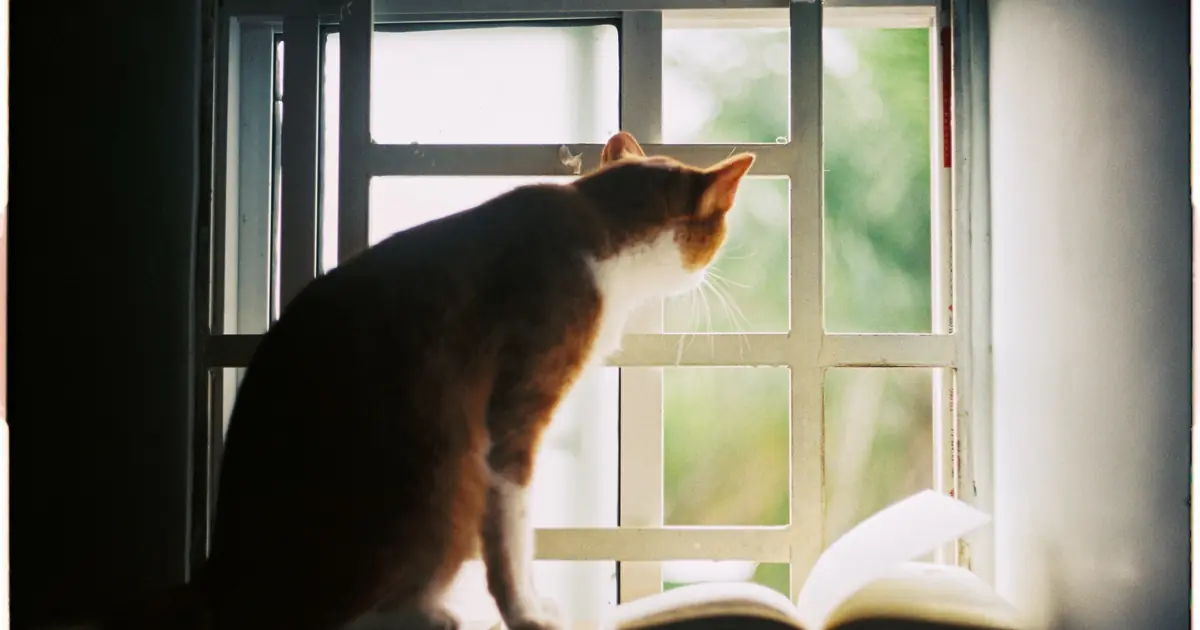
Picture this. It’s a quiet morning, and your cat is glued to the window. A pigeon lands on the sill outside. Suddenly your calm little house panther starts making this rapid, stuttering sound. Ek-ek-ek-ek. Jaw clicking, whiskers forward, tail twitching like mad.
If you’ve ever caught your cat doing this, you’re not alone, and no, nothing is wrong with them. That sound has a name: chattering. And it’s one of the most fascinating, wonderfully weird things cats do. Here’s exactly what cat chattering is, why cats do it, and the rare times it’s worth a second look.
- Cat chattering is the rapid clicking or “ek-ek-ek” teeth-chattering sound a cat makes while fixated on prey it can’t reach.
- Chattering is driven by hunting instinct, high excitement, and frustration at not being able to pounce, and it’s considered completely normal behavior.
- One leading theory is the “kill-bite” mimic: the fast jaw movement copies the killing bite cats use to sever a prey animal’s spinal cord.
- Not every cat chatters, and that’s normal too. Some cats chirp, trill, or stay silent while hunting instead.
- See a vet if chattering happens away from prey or comes with drooling, refusing food, or pawing at the mouth, since that can point to dental pain.
What is cat chattering and what does it sound like?
Cat chattering is a fast, stuttering sound a cat makes by rapidly opening and closing its mouth, usually while staring intently at prey. Most people describe it as an “ek-ek-ek” or a clicking, teeth-chattering noise. It’s sometimes called chittering or chattering teeth.
You’ll almost always spot it paired with classic hunting body language. The eyes go wide and locked on. The whiskers push forward. The body goes tense and low. The tail tip flicks or vibrates. Your cat is completely dialed in on something, usually a bird, a squirrel, a bug on the ceiling, or even a laser dot.
The whole thing can look intense, almost like your cat is vibrating with anticipation. That’s the point. Chattering shows up in moments of peak focus, when a cat spots something it desperately wants to catch. Want to get better at reading these signals? Our guide to cat body language breaks down what those ears, eyes, and tails are really saying.
Why do cats chatter at birds?
Cats chatter at birds mostly because of hunting instinct, excitement, and frustration when the prey is out of reach. Your cat sees a bird, its predator brain lights up, and it can’t get to the target through the glass. The chatter is what spills out of all that pent-up energy.
Behavior experts have a few overlapping theories, and honestly, it’s probably a blend of all of them:
- The kill-bite mimic theory. This is the popular one. Cats kill prey with a precise bite to the back of the neck, using a rapid jaw movement to slip their teeth between the vertebrae. Some experts think the chatter is that killing-bite motion firing off on autopilot, even with no bird in the mouth. Behaviorists call this a “vacuum activity,” an instinct running with nothing to act on.
- Excitement and frustration. The prey is right there, but a pane of glass says no. That mix of thrill and “I can’t reach it” tension can bubble up as chattering or chirping.
- The mimicry theory. A more debated idea suggests cats may be imitating bird or prey sounds to lure them closer. It’s a fun theory, though it’s the least proven of the three.
Whatever the exact cause, the takeaway is reassuring. Chattering at birds is a normal, deeply wired behavior, and Cornell’s feline experts and other vet groups treat it as ordinary predatory behavior, not a warning sign. If your cat also likes to bring you “gifts” like dead animals, that’s the same hunting instinct showing up in a different way.
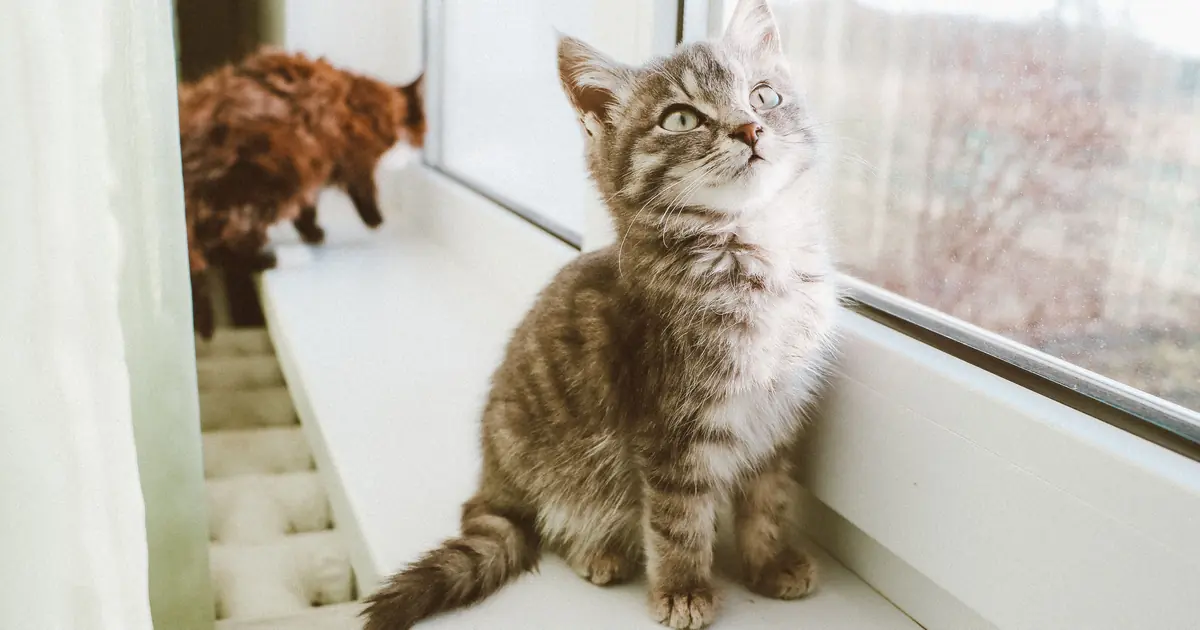
Chattering vs chirping vs trilling: what’s the difference?
Chattering, chirping, and trilling are three different cat sounds that often get mixed up. Chattering is the rapid clicking prey sound, chirping is a short high “brrp” often aimed at prey or people, and trilling is a rolling, happy greeting. Here’s how they compare.
| Sound | What it sounds like | What it usually means |
|---|---|---|
| Chatter | Fast “ek-ek-ek,” clicking or teeth-chattering | Fixated on prey it can’t reach; hunting instinct, excitement, frustration |
| Chirp | Short, high “brrp” or “chirrup” | Excitement at prey, or a friendly “come here” to you |
| Trill | Rolling, musical “prrrup” | A happy, affectionate greeting, often for people or kittens |
| Meow | The classic “meow” | A request aimed at humans: food, attention, or “let me in” |
| Growl or hiss | Low rumble or sharp “hiss” | Fear, warning, or “back off,” a stress signal |
The key difference: chattering and chirping show up during prey drive, while trilling is your cat being sweet and social. A growl or hiss is the opposite, a clear “I’m not happy” signal. If your cat is a big talker in other ways too, you might like our take on why some cats meow so much and what purring actually means.
Is cat chattering normal or something to worry about?
Cat chattering aimed at birds, bugs, or other prey is completely normal and nothing to worry about. It’s a natural predatory behavior, not a sign of pain, illness, or distress. Millions of perfectly healthy cats do it every single day.
The context is what matters. Normal chattering has a clear trigger: your cat is watching something it wants to catch. There’s a bird, a fly, a toy, or a squirrel involved. The moment the trigger leaves, the chattering stops and your cat goes back to normal. That pattern is your green light.
So relax and enjoy it. Chattering is one of those quirky windows into your cat’s wild little heart. It doesn’t mean your cat is stressed, and it doesn’t need “fixing.” It just means the hunter inside your couch potato is very much awake.
When could cat chattering signal a problem?
Chattering is only a concern when there’s no prey to explain it, or when it comes bundled with signs of mouth or jaw trouble. Teeth-chattering that happens randomly, with no bird or toy in sight, is different from the excited window chatter and worth a vet’s attention.
Watch for these red flags, especially if the chattering shows up when your cat is NOT watching prey:
- Drooling or a wet chin
- Refusing to eat, or dropping food while chewing
- Pawing at the mouth or face
- Bad breath or visible tartar and red gums
- Chewing on only one side, or flinching when eating
- Chattering the jaw at rest, with nothing to trigger it
Any of these can point to dental pain, resorptive tooth lesions, gum disease, or a jaw issue, and those need a real exam. Cats are experts at hiding pain, so mouth problems often stay quiet until they’re advanced. Keeping up with at-home cat teeth cleaning helps you catch trouble early.
This article is educational and isn’t a substitute for veterinary care. If your cat’s chattering seems tied to the mouth rather than a bird outside, book a vet visit to rule out dental disease. You can read the ASPCA’s overview of common cat behavior and the Cornell Feline Health Center for trustworthy background on feline health and behavior.
How should you respond when your cat chatters?
The best response to happy prey-driven chattering is to give your cat safe outlets for that hunting energy instead of trying to stop the sound. Chattering means your cat wants to hunt, so let them “hunt” in ways that satisfy the instinct. Here’s how.
- Play out the hunt. Use a wand toy or feather teaser to let your cat stalk, chase, and pounce. Aim for a “catch” at the end so they get that satisfying win. A couple of short sessions a day works wonders. Our roundup of interactive cat toys has great options for burning that energy.
- Set up a window theater. Give your cat a comfy spot to watch the outdoor action. A window perch or hammock turns bird-watching into daily entertainment.
- Bring the birds to them. Put a bird feeder or bird bath outside a favorite window. Free cat TV, and the birds stay safely out of reach.
- Try food puzzles. Puzzle feeders make your cat “work” for meals, which scratches the same predatory itch that fuels chattering.
- Don’t punish it. Chattering is normal and harmless. There’s no reason to discourage it, and punishment only stresses your cat.
Give a bored, prey-driven cat enough real play and enrichment, and you’ll often see happier behavior all around, fewer 3am zoomies and less pestering included.
Do all cats chatter?
No, not all cats chatter, and that’s perfectly normal. Chattering is common, but it’s not universal. Some cats chatter constantly at every bird, some chirp or trill instead, and plenty of cats stay totally silent while they hunt.
Whether your cat chatters comes down to personality, prey drive, and individual quirks. A high-energy, hunt-obsessed cat may chatter at everything that moves. A mellow cat might just stare in silence. Both are healthy. If your cat has never chattered a day in its life, there’s nothing to worry about, and there’s no way to “teach” it. It’s an instinct that either surfaces or doesn’t.
The Cats Protection charity notes that chattering and chirping are natural expressions of a cat’s hunting instinct, so their presence (or absence) is just part of your cat’s unique wiring. You can read their take on why cats chatter and chirp at birds for more.
Frequently asked questions about cat chattering
Q: Why does my cat chatter at birds through the window?
Your cat chatters at birds through the window because of hunting instinct combined with frustration at not being able to reach the prey. The glass blocks the pounce, so all that excitement and predatory drive comes out as the fast “ek-ek-ek” chattering sound. It’s normal and healthy.
Q: Is cat teeth chattering a sign of illness?
Cat teeth chattering aimed at prey is not a sign of illness, it’s normal hunting behavior. It only suggests a problem if the chattering happens with no prey present, or alongside drooling, refusing food, or pawing at the mouth, which can indicate dental pain. In that case, see a vet.
Q: What is the “ek ek ek” sound my cat makes?
The “ek-ek-ek” sound your cat makes is chattering, a rapid clicking noise cats produce while fixated on prey they can’t reach. It’s driven by excitement, hunting instinct, and frustration. Many experts think it mimics the killing bite cats use to catch prey. It’s completely normal.
Q: Do cats chatter when they’re happy?
Cats don’t chatter out of happiness the way they trill or purr. Chattering is tied to prey drive and excitement, not contentment. A happy, affectionate cat is more likely to trill, chirp a greeting, or purr. Chattering specifically shows up when your cat spots something it wants to hunt.
Q: What’s the difference between chattering and chirping?
Chattering is a fast, clicking “ek-ek-ek” sound made during intense prey focus, while chirping is a short, high “brrp” that cats use for prey excitement or as a friendly greeting to people. Chattering signals frustration at unreachable prey; chirping is often more social and upbeat.
Q: Should I stop my cat from chattering?
No, you shouldn’t stop your cat from chattering. It’s a normal, harmless expression of hunting instinct. Instead of discouraging it, give your cat outlets like wand-toy play, a window perch, or a bird feeder outside. Punishing natural behavior only causes stress and doesn’t help.
Q: Why does my cat chatter at me or at nothing?
A cat may chatter at you during play if you’re moving a toy like prey, which is normal. But chattering the jaw with no prey or trigger in sight can signal dental pain, nausea, or a jaw problem. If it happens at rest or with drooling and appetite loss, see a vet.
Q: Do indoor cats chatter more than outdoor cats?
Indoor cats often seem to chatter more because they watch prey through windows without ever reaching it, which builds the frustration that fuels chattering. Outdoor cats can act on the hunt, so they may chatter less. Either way, it reflects normal hunting instinct, not a difference in health.

Hello and welcome to The Ideal Cat!
We are some passionate cat owners from different professions. We love our cats and have a lot of experience in how to care for our pets. We are incredibly excited to share our knowledge, experience, and research with you. So you can take good care of your loving cat. We will answer most of the common questions about owning cats, taking care of them, etc. If you have any question contact with us. Thanks for visiting! Enjoy the content.
