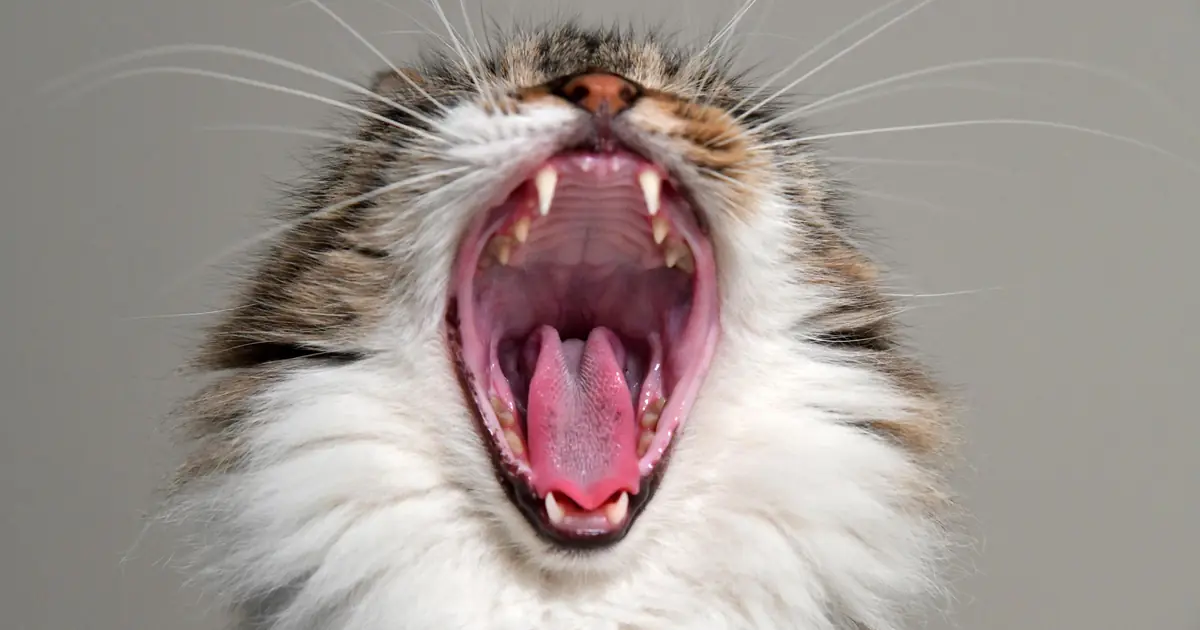
Let’s be honest: nobody adopts a cat picturing themselves crouched on the bathroom floor with a tiny toothbrush at 8pm. But here’s the thing your cat can’t tell you. Their mouth might be quietly hurting.
Dental disease is one of the most common health problems in cats, and most of it hides where you can’t see it, below the gumline. The good news? A few minutes a week can genuinely protect your cat from pain, tooth loss, and expensive vet bills down the road. This guide walks you through cleaning your cat’s teeth both at home and at the vet, step by step.
This article is educational and isn’t a substitute for veterinary care. If your cat shows signs of dental pain, talk to your vet.
- Between 50% and 90% of cats over age four have some form of periodontal (gum) disease, making dental care one of the most overlooked parts of cat health.
- Brush your cat’s teeth with a cat-specific enzymatic toothpaste; human toothpaste contains fluoride and sometimes xylitol, both toxic to cats.
- Daily brushing is ideal, and three times a week is the realistic minimum to slow plaque and tartar buildup.
- Dental treats, water additives, and dental diets help between brushings but do not replace brushing or a professional cleaning.
- A professional dental cleaning is done under anesthesia and typically costs $200 to $700, rising to $800 to $1,500 or more if X-rays and extractions are needed.
Why does cleaning my cat’s teeth matter?
Cleaning your cat’s teeth matters because dental disease is common, painful, and mostly preventable. Plaque builds up on the teeth every day. Left alone, it hardens into tartar, inflames the gums, and leads to periodontal disease, the destruction of the tissues and bone that hold teeth in place.
How common is it? Studies suggest that 50% to 90% of cats over four years old have some degree of periodontal disease, and many cats show early signs well before their second birthday. The Cornell Feline Health Center notes that periodontal disease starts as gingivitis and can progress to tooth loss and chronic pain when plaque is not removed regularly.
And it’s not just the mouth. Untreated dental infection lets bacteria into the bloodstream, which over time can strain the heart, liver, and kidneys. Cats are also masters at hiding pain, so a cat with a sore mouth will often keep eating like nothing’s wrong. That silence is exactly why home care matters so much. Curious how big the job is? Cats have 30 adult teeth, and you can see the full breakdown in our guide to how many teeth a cat has.
How do I brush my cat’s teeth at home?
To brush your cat’s teeth, use a cat toothbrush or finger brush plus an enzymatic cat toothpaste, and gently rub along the gumline where the tooth meets the gum. Focus on the outer surfaces of the teeth, since that’s where most plaque and tartar collect. The whole thing takes under a minute once your cat is used to it.
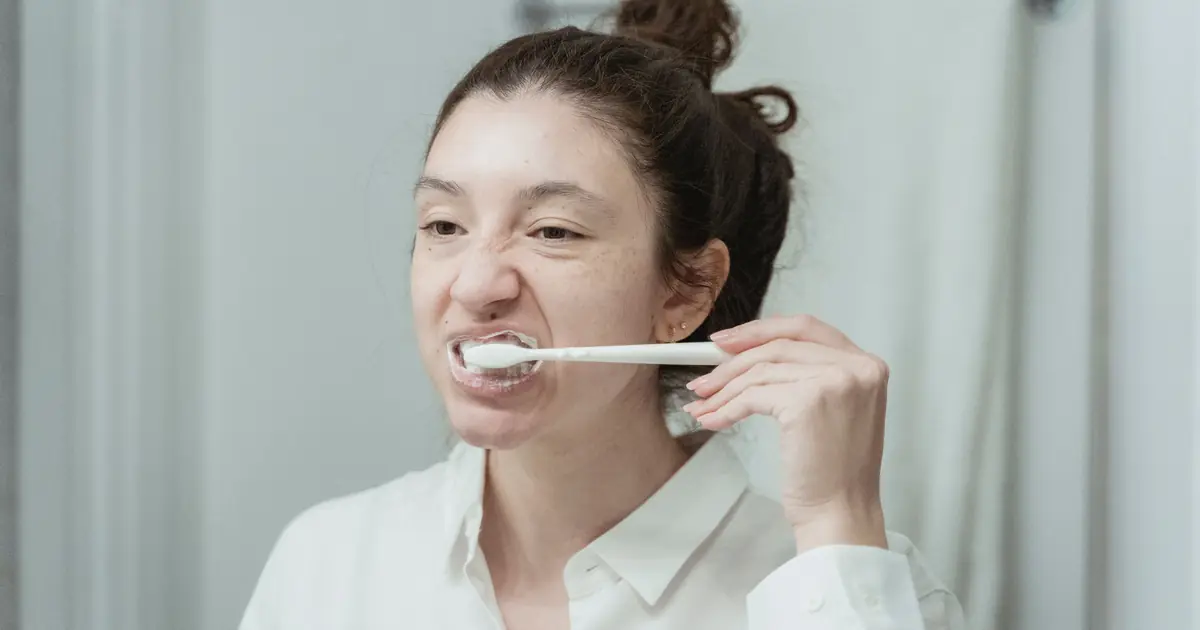
The secret isn’t technique, it’s patience. Rushing scares cats off for good. Go slow over one to two weeks and let your cat set the pace. Here’s the step-by-step that works.
- Pick a calm moment. Choose a quiet time when your cat is relaxed, maybe after a meal or a nap. Sit with your cat in your lap or on a comfy surface. Never restrain a stressed cat.
- Let them taste the toothpaste. Put a dab of cat toothpaste on your finger and let your cat lick it off. Most cat pastes come in poultry or seafood flavors they actually like. Do this for a few days so the paste becomes a treat, not a threat.
- Touch the gums with your finger. Once they’re comfortable, gently lift a lip and rub your finger along the outer gums for a few seconds. A cotton swab dipped in tuna water can help build a positive link here.
- Introduce the brush. Add toothpaste to a soft cat toothbrush or a finger brush. Let your cat sniff and lick it first.
- Brush the gumline. Hold the head gently at about a 45-degree angle, lift the lip, and brush the outer surfaces of the teeth in small circles at the gumline. The mouth can stay closed. Aim for roughly 30 seconds per side.
- Skip the inside surfaces. You don’t need to brush the inner sides. A cat’s rough tongue keeps those fairly clean on its own.
- End on a good note. Finish with praise, a treat, or play so your cat remembers brushing as no big deal.
If your cat flat-out refuses, don’t force it and don’t feel guilty. Not every cat tolerates a brush, and there are backup options below. For the paste itself, our roundup of the best cat toothpaste picks out enzymatic options cats actually accept.
Why can’t I use human toothpaste?
Never use human toothpaste on your cat, because it’s genuinely dangerous for them. Human toothpaste contains fluoride, which is toxic if swallowed, and many brands add xylitol, a sweetener that can be deadly to pets. Cats can’t rinse and spit, so they swallow everything you put in their mouth.
Cat toothpaste is made to be swallowed safely. It’s enzymatic, meaning it helps break down plaque chemically, and it comes in flavors cats find tempting rather than minty and off-putting. Foaming human paste can also upset a cat’s stomach. Bottom line: cat toothpaste only, every time.
Do dental treats, water additives, and dental diets actually work?
Yes, dental treats, water additives, and dental diets can reduce plaque and tartar, but they work best alongside brushing, not instead of it. Think of them as helpers that fill the gaps, especially for cats who won’t tolerate a toothbrush. None of them scrub the gumline the way brushing does.
The one thing to look for is the Veterinary Oral Health Council (VOHC) seal. Products carrying the VOHC acceptance mark have been tested and shown to actually reduce plaque or tartar, so it takes the guesswork out of the pet-store shelf. Here’s how the common options stack up.
| Home care option | How it helps | Keep in mind |
|---|---|---|
| Toothbrushing | Physically removes plaque at the gumline; the single most effective home step | Needs to be daily to a few times a week; takes patience to train |
| Dental treats and chews | Texture scrapes plaque as the cat chews; easy and cat-approved | Adds calories; look for the VOHC seal; not a brushing replacement |
| Water additives | Mixed into drinking water to help slow plaque buildup | Some cats dislike the taste; effect is modest on its own |
| Dental diets | Larger, fibrous kibble designed to brush the tooth as the cat bites | Best for cats already eating dry food; ask your vet if it fits |
If brushing just isn’t happening in your house, VOHC-accepted chews are the next best line of defense. See our picks in the guide to the best cat dental treats. Just don’t let treats become the whole plan, since they can’t reach below the gumline where serious disease starts.
What are the signs my cat needs a professional cleaning?
Your cat likely needs a professional dental cleaning if you notice bad breath, yellow-brown tartar on the teeth, red or swollen gums, drooling, or a change in how they eat. These are signs plaque has already progressed past what brushing alone can fix.
Watch for these red flags:
- Bad breath. A little cat breath is normal, but strong, foul, or rotten-smelling breath usually means bacteria and gum disease.
- Yellow or brown tartar crusted along the teeth, especially near the gumline and back teeth.
- Red, swollen, or bleeding gums, a hallmark of gingivitis.
- Drooling, sometimes tinged with blood.
- Pawing at the mouth or shying away when you touch the face.
- Eating changes: chewing on one side, dropping food, preferring wet food, or eating less.
- Weight loss or hiding, which can signal ongoing mouth pain.
If you spot any of these, book a vet exam. Dental pain is easy to miss because cats hide it so well, and by the time a cat stops eating, the problem is usually advanced. When in doubt, have your vet take a look. It’s also worth a general checkup, and our overview of typical cat vet costs can help you plan.
What happens during a professional cat dental cleaning?
A professional cat dental cleaning is done under general anesthesia and includes a full mouth exam, dental X-rays, ultrasonic scaling above and below the gumline, polishing, and any needed extractions. Anesthesia is what makes a real cleaning possible, because it lets the vet work safely below the gums where disease actually lives.
Here’s what a typical visit involves:
- Pre-anesthetic bloodwork. The vet checks organ function and overall health to make anesthesia as safe as possible, especially for older cats.
- General anesthesia. Your cat is fully asleep with a breathing tube protecting the airway. Cats won’t hold still with their mouth open, so this is the only way to clean thoroughly and painlessly.
- Dental X-rays. Full-mouth radiographs reveal problems under the gumline, like root damage or resorptive lesions, that are invisible to the naked eye.
- Scaling. An ultrasonic scaler removes plaque and tartar from every tooth, both above and below the gumline.
- Polishing. The teeth are polished smooth, which slows how fast new plaque sticks.
- Extractions if needed. Badly diseased or painful teeth are removed. Cats generally do great afterward, often eating more comfortably than before.
The American Animal Hospital Association (AAHA) recommends that professional dental cleanings be performed under anesthesia so the whole mouth, including below the gumline, can be properly cleaned and assessed. It sounds intense, but for most cats it’s a routine, same-day procedure.
How much does a cat dental cleaning cost, and how often?
A routine cat dental cleaning usually costs between $200 and $700, and most cats need one every one to two years. If X-rays, extractions, or medications are involved, the total often rises to $800 to $1,500 or more, depending on your region and your cat’s dental condition.
| Service | Typical cost range |
|---|---|
| Routine cleaning (exam, anesthesia, scaling, polishing) | $200 to $700 |
| Dental X-rays | $75 to $250 |
| Pre-anesthetic bloodwork | $80 to $200 |
| Tooth extractions | $50 to $300+ per tooth |
| Complex cleaning with extractions (total) | $800 to $1,500+ |
Your vet sets cleaning frequency based on your cat’s teeth. Many cats do well with a cleaning every one to two years, while cats prone to dental disease may need one annually. Good home brushing can genuinely stretch the time between professional cleanings. Because dental work adds up, some owners look into cat dental insurance to help cover it.
Is anesthesia-free dental cleaning a good idea?
No, anesthesia-free dental cleaning is not a real substitute for a proper cleaning, and major veterinary groups advise against it. It only scrapes visible tartar off the crown of the tooth, which is mostly cosmetic. It can’t clean below the gumline, where periodontal disease actually does its damage.
The American Veterinary Medical Association (AVMA) and the American Veterinary Dental College caution that anesthesia-free procedures give a false sense of security while leaving disease untreated. There are real risks too, like a stressed, awake cat getting injured or inhaling debris. A polished-looking tooth can still hide painful infection at the root. For an actual cleaning, anesthesia is the safe, thorough route.
Keeping your cat’s mouth healthy for life
The best dental plan is boring and consistent: brush most days, use VOHC-accepted treats or additives as backup, watch for warning signs, and keep up with vet checkups and professional cleanings. Start young if you can, since kittens adjust to brushing far more easily than set-in-their-ways adults. But even older cats can learn with patience.
You don’t have to be perfect. A cat whose teeth get brushed a few times a week is miles ahead of one whose mouth nobody touches. Want to fold dental care into a bigger routine? Our guide on how to groom a cat at home shows how brushing teeth fits alongside coat, nail, and ear care. Your cat won’t thank you. But their healthy, pain-free mouth is the thanks.
Cat Teeth Cleaning FAQ
Q: How often should I brush my cat’s teeth?
Daily brushing is ideal and gives the best protection against plaque and gum disease. If that’s not realistic, aim for at least three times a week. Consistency matters more than perfection, so a steady few-times-a-week habit still helps a lot.
Q: Can I use human toothpaste on my cat?
No. Human toothpaste contains fluoride and sometimes xylitol, both of which are toxic to cats, who swallow rather than spit. Always use a toothpaste made specifically for cats, which is enzymatic and safe to swallow.
Q: What can I use if my cat won’t let me brush their teeth?
Try VOHC-accepted dental treats, dental chews, water additives, or a dental diet to help control plaque. These work best as backups to brushing, not full replacements, and they can’t clean below the gumline. Regular vet checkups become even more important for cats who won’t tolerate a brush.
Q: How much does a professional cat dental cleaning cost?
A routine cleaning under anesthesia typically costs $200 to $700. If dental X-rays, extractions, or medications are needed, the total often climbs to $800 to $1,500 or more, depending on your location and your cat’s dental health.
Q: Is anesthesia safe for my cat’s dental cleaning?
Modern anesthesia is very safe for most cats, especially with pre-anesthetic bloodwork and monitoring. Anesthesia lets the vet clean below the gumline, take X-rays, and treat pain without stressing your cat. Talk to your vet about your individual cat, particularly if they’re a senior.
Q: At what age should I start cleaning my cat’s teeth?
Start as early as kittenhood, ideally once the adult teeth are in around six months, so brushing feels normal for life. Even so, adult and senior cats can still learn with slow, patient training. It’s never too late to begin a dental routine.
Q: How do I know if my cat has a dental problem?
Common signs include bad breath, yellow-brown tartar, red or bleeding gums, drooling, pawing at the mouth, and changes in eating. Because cats hide pain well, a vet dental exam is the surest way to catch problems early. When in doubt, have your vet check.
Q: Does dry food clean a cat’s teeth?
Regular dry kibble does little for dental health, since most cats crunch it too quickly to scrape the teeth. Special dental diets are designed with larger, fibrous kibble that helps brush the tooth as the cat bites. Ask your vet whether a dental diet suits your cat.
Bottom line: cleaning your cat’s teeth is one of the highest-payoff habits in cat care, and it starts with a dab of cat toothpaste and a little patience. Brush regularly, lean on VOHC-approved helpers, and let your vet handle the deep cleanings under anesthesia. Your cat’s mouth, and your future vet bill, will be better for it.

Hello and welcome to The Ideal Cat!
We are some passionate cat owners from different professions. We love our cats and have a lot of experience in how to care for our pets. We are incredibly excited to share our knowledge, experience, and research with you. So you can take good care of your loving cat. We will answer most of the common questions about owning cats, taking care of them, etc. If you have any question contact with us. Thanks for visiting! Enjoy the content.
