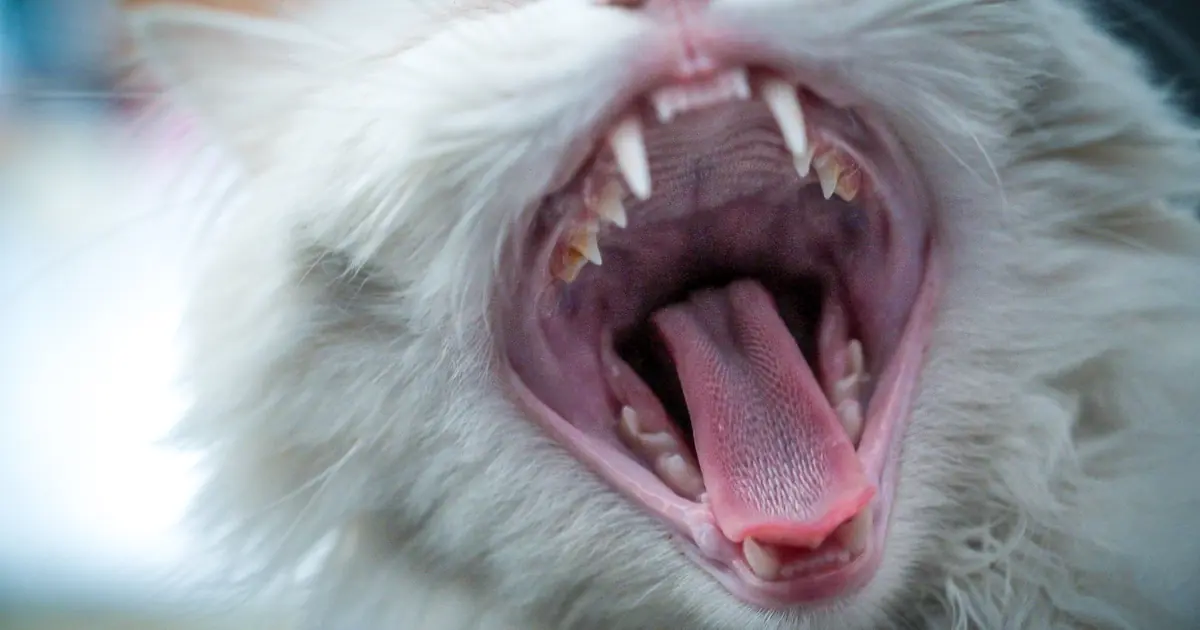
Your cat won’t open wide and say “ahh.” So dental trouble hides until one day they’re drooling, pawing at their mouth, or turning up their nose at dinner. Then you get the vet estimate for a cleaning and a couple of extractions, and your stomach drops a little.
That’s where pet insurance comes in. But dental coverage is one of the most misunderstood parts of any policy. Here’s exactly what’s covered, what isn’t, and how to avoid the pre-existing-condition trap that catches so many cat parents off guard.
This article is educational and isn’t insurance or veterinary advice. Always read your policy’s terms and talk to your vet about your cat’s dental care.
- “Cat dental insurance” isn’t sold on its own; dental coverage comes bundled inside a standard accident-and-illness pet insurance plan.
- Accident-and-illness plans typically cover dental disease treatment like extractions, broken teeth, and gum infections, but not routine cleanings.
- Routine dental cleanings are only reimbursed if you add an optional wellness or preventive-care plan.
- Pre-existing dental conditions, including tartar or gingivitis noted before your policy starts, are almost always excluded permanently.
- Dental waiting periods usually run 1 to 15 days for accidents and 14 to 30 days for illness, so enrolling a young, healthy cat is the safest move.
Does pet insurance cover cat dental care?
Yes, most accident-and-illness pet insurance plans cover cat dental care when a tooth is broken, infected, or diseased. What they cover is the treatment of dental problems, like tooth extractions, fractured or abscessed teeth, and periodontal (gum) disease. What they usually don’t cover is a routine cleaning done just to keep healthy teeth clean.
Here’s the mental model that clears up most confusion. Insurance pays when something goes wrong, not for regular upkeep. A cleaning that’s part of treating an infected mouth is often covered. The same cleaning done on a healthy cat as preventive maintenance is not, unless you’ve bought a wellness add-on.
This matters because dental disease is incredibly common in cats. The Cornell Feline Health Center reports that between 50 and 90 percent of cats over four years old have some form of dental disease. In other words, this isn’t a rare “just in case” expense. It’s one of the most likely vet bills you’ll ever face.
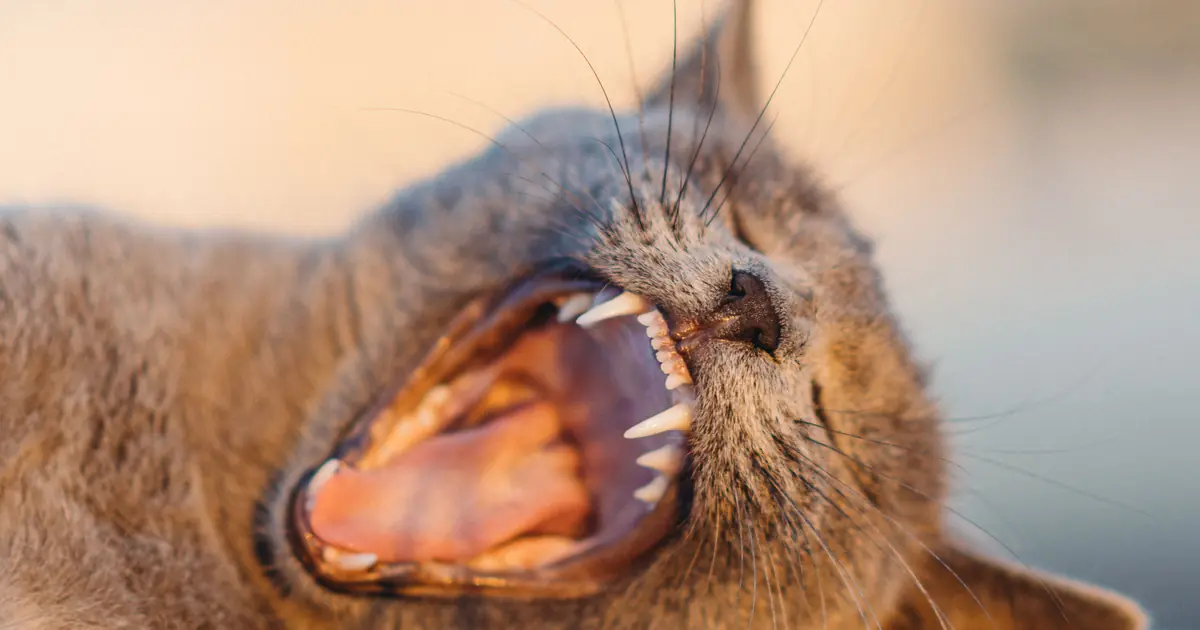
What cat dental treatments are typically covered vs not covered?
Covered dental care is almost always disease and injury treatment, while excluded dental care is routine, cosmetic, or pre-existing. The table below shows the usual split on a standard accident-and-illness plan. Exact terms vary by company, so this is a general guide, not a promise.
| Usually covered (accident/illness plan) | Usually NOT covered |
|---|---|
| Tooth extractions due to disease or damage | Routine cleanings on healthy teeth (unless wellness add-on) |
| Broken, chipped, or fractured teeth | Pre-existing dental conditions diagnosed before coverage |
| Tooth abscesses and oral infections | Cosmetic dental work |
| Periodontal (gum) disease treatment* | Care during the waiting period |
| Tooth resorption treatment | Preventive care without a wellness plan |
| Gingivostomatitis and related conditions* | Conditions from neglected dental care some insurers require upkeep |
*Some insurers cover periodontal disease only if you kept up with regular cleanings, and a few cap dental payouts (for example, up to a set dollar amount per policy year). Read the dental clause closely.
What’s the difference between dental illness coverage and a wellness plan?
Dental illness coverage sits inside your base accident-and-illness policy and pays for treating problems. A wellness plan is a separate optional add-on that reimburses routine, preventive care like an annual cleaning. They solve two different jobs, and many cat parents want both.
Dental illness coverage (part of the base plan)
Dental illness coverage kicks in when your cat needs treatment: a diseased tooth pulled, an abscess drained, gum disease managed. This is where the big, scary bills live, and it’s the part of the policy that saves you the most in an emergency. It’s included in most standard plans, subject to your deductible, reimbursement rate, and any annual limit.
Wellness or preventive plan (optional add-on)
A wellness plan is a budgeting tool more than insurance. You pay an extra monthly fee, and in return the plan reimburses predictable routine care, often including one dental cleaning and oral exam per year. If your cat needs annual cleanings anyway, a wellness add-on can offset that cost. Just do the math: if the yearly premium roughly equals what you’d get back, it may not be worth it.
What are the common exclusions and waiting periods?
The two things that trip up most cat parents are pre-existing conditions and waiting periods. Both decide whether a claim gets paid, so it’s worth understanding them before you buy, not after a denial.
Pre-existing conditions
A pre-existing condition is any illness or injury that showed up, or was noted by a vet, before your coverage started or during the waiting period. For dental, that includes tartar buildup, gingivitis, a wobbly tooth, or “mild dental disease” jotted in a checkup record. Once it’s on the chart before your policy begins, treatment for it is typically excluded for good. This is the single biggest reason to enroll a cat while young and while the mouth is clean.
Waiting periods
A waiting period is the gap between buying a policy and when coverage actually starts. Dental accident coverage often begins within 1 to 15 days, while dental illness coverage commonly waits 14 to 30 days. Anything diagnosed during that window counts as pre-existing. So signing up the week you already suspect a bad tooth usually won’t help.
Other common exclusions
- Cosmetic dental procedures.
- Routine cleanings without a wellness plan.
- Some insurers deny periodontal claims if you skipped recommended cleanings.
- Costs above your plan’s annual or per-condition dental limit.
The American Veterinary Medical Association advises asking any provider up front how they define and handle pre-existing conditions, and whether dental is included or a paid add-on. That one question saves a lot of heartburn later.
How much do cat dental cleanings and extractions actually cost?
A routine cat dental cleaning usually runs $100 to $400, but once anesthesia, X-rays, and extractions are involved, the total often climbs to $500 to $1,500 or more. That’s the real reason coverage matters: dental bills scale fast the moment there’s an actual problem to fix.
| Dental service | Typical cost range (US) |
|---|---|
| Routine cleaning (with anesthesia) | $100 to $400 |
| Cleaning with X-rays and minor work | $500 to $1,500+ |
| Single tooth extraction (simple) | $50 to $130 per tooth |
| Extraction visit with diagnostics and anesthesia | $600 to $1,200+ |
| Multiple extractions / complex dental | Up to $2,000+ |
Prices swing with your location, your vet, and how bad the dental disease is. For a wider picture of what routine and emergency care runs, our guide to typical cat vet costs puts these numbers in context. And since cats have 30 adult teeth, a mouth that needs several pulled can add up quickly, which is exactly the kind of bill insurance is built for. (Curious about the count? Here’s how many teeth a cat has.)
What should I look for in a cat dental insurance policy?
Look for a plan that clearly includes dental illness in the base policy, has reasonable waiting periods, and spells out its pre-existing and periodontal rules in plain language. The fine print is where dental coverage lives or dies, so read it before you enroll, not after a claim.
Run through this quick checklist before you sign:
- Is dental illness included in the base plan? Confirm extractions and gum disease are covered, not carved out.
- Is there a dental payout cap? Some plans limit dental to a set dollar amount per year.
- How are pre-existing conditions defined? Ask specifically about tartar and gingivitis noted at past visits.
- Are there “upkeep” requirements? Some insurers require documented cleanings to honor periodontal claims.
- What are the dental waiting periods? Shorter is better; know the exact days.
- Do you need routine cleanings covered? If yes, price out the wellness add-on and check the math.
What are the alternatives to cat dental insurance?
If insurance isn’t the right fit, the main alternatives are a dedicated savings fund, a vet wellness membership, and strong at-home dental prevention. Many cat parents use a mix of all three.
- Set up a pet savings fund. Auto-transfer a small amount monthly into a dedicated account. If your cat never needs major dental work, the money is still yours.
- Ask your vet about a wellness or dental membership. Many clinics offer annual plans that bundle exams and a cleaning at a set monthly price.
- Lean hard on prevention. Brushing is the gold standard. A good cat toothpaste used a few times a week genuinely slows tartar. Dental treats and vet checkups help catch problems early, when they’re cheaper to fix.
Prevention is the cheapest dental plan there is. The ASPCA Pet Health Insurance team and most vets agree that regular home care plus routine exams can head off the worst (and priciest) dental disease before it starts. If you’re already budgeting for big procedures, our breakdown of what spaying a cat costs is a useful reality check on how vet expenses stack up over a cat’s life.
Cat dental insurance FAQ
Q: Is there such a thing as standalone cat dental insurance?
No. Pet insurers don’t sell dental-only policies for cats. Instead, dental coverage is folded into a regular accident-and-illness plan, with routine cleanings available through an optional wellness add-on.
Q: Does pet insurance cover cat teeth cleaning?
A routine cleaning on healthy teeth is only covered if you add a wellness or preventive-care plan. A cleaning done as part of treating dental disease is often covered under a standard accident-and-illness policy.
Q: Are cat tooth extractions covered by insurance?
Usually yes, if the extraction treats disease or injury and the tooth problem wasn’t pre-existing. Extractions are one of the most common dental claims, and a full-mouth extraction can run well over $1,000, so this is where coverage helps most.
Q: Will insurance cover my cat’s dental if the disease started before I enrolled?
No. Any dental condition diagnosed or noted before your policy started, or during the waiting period, is treated as pre-existing and excluded. This includes tartar, gingivitis, or “mild dental disease” mentioned at a prior visit.
Q: How long is the waiting period for cat dental coverage?
Dental accident coverage often starts within 1 to 15 days, while dental illness coverage commonly waits 14 to 30 days. Anything diagnosed during the waiting period is counted as pre-existing, so enrolling early matters.
Q: How much does cat dental insurance cost per month?
Dental coverage is bundled into a standard cat policy rather than priced separately, and cat plans are generally cheaper than dog plans. Your premium depends on your cat’s age, breed, location, and the deductible and reimbursement rate you choose.
Q: Is pet insurance worth it just for cat dental?
It can be, because dental disease affects a majority of cats over four and treatment often costs hundreds to thousands of dollars. The catch is you must enroll before any dental problem appears, since pre-existing conditions aren’t covered.
Q: Does insurance cover periodontal disease in cats?
Many accident-and-illness plans cover periodontal disease treatment, but some require proof you kept up with routine cleanings. If you skip recommended dental care, an insurer may deny a periodontal claim, so read that clause carefully.
Bottom line: “cat dental insurance” really means getting a solid accident-and-illness plan while your cat is young and healthy, then adding a wellness plan if you want routine cleanings covered too. Read the dental clause, ask about pre-existing rules, and keep brushing. The best dental claim is the one you never have to file.

Hello and welcome to The Ideal Cat!
We are some passionate cat owners from different professions. We love our cats and have a lot of experience in how to care for our pets. We are incredibly excited to share our knowledge, experience, and research with you. So you can take good care of your loving cat. We will answer most of the common questions about owning cats, taking care of them, etc. If you have any question contact with us. Thanks for visiting! Enjoy the content.
)