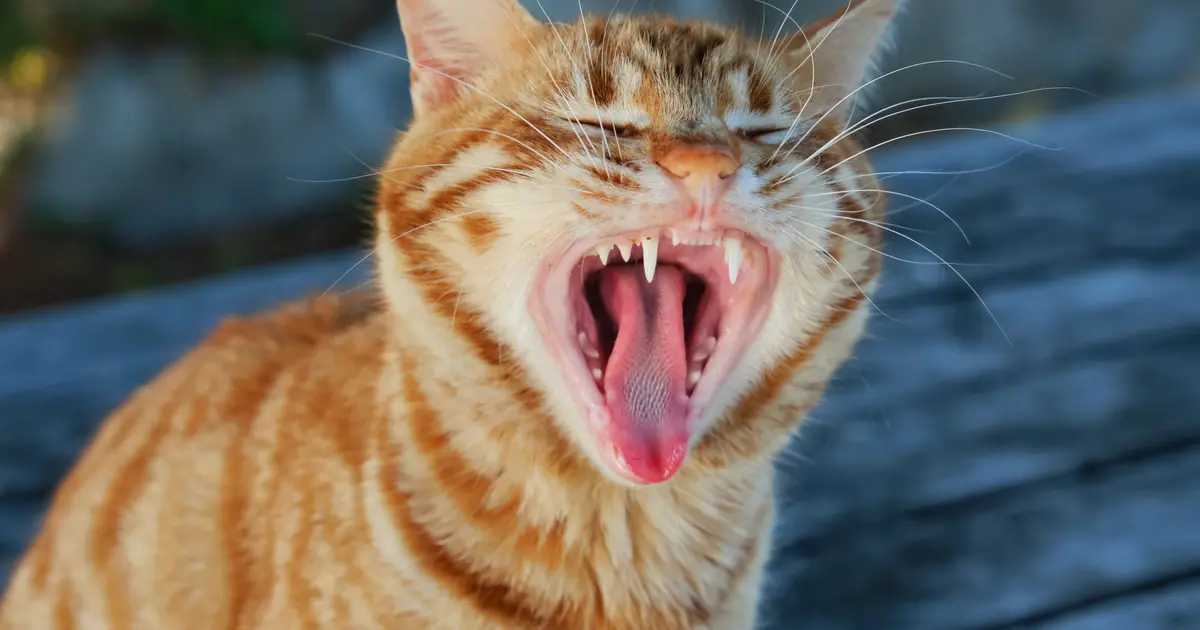
Picture this. Your cat hops up for a chin scratch, opens their mouth in a big yawn, and you catch a whiff of breath that could strip paint. You freeze. Is that normal? Should you worry?
Here’s the thing: that funky breath is usually the first hint of dental trouble, and it’s easy to miss. Cats are quiet sufferers. They rarely cry about a sore tooth, so problems build silently until they’re painful and expensive. The good news is that cat dental care is mostly about small, boring habits done often. Do a little now, and you save your cat a lot of pain (and yourself a big vet bill) later.
This guide covers the whole picture: why dental health matters, the warning signs, the common diseases, your home-care options, and what a professional cleaning actually involves. For the hands-on brushing steps, we’ll point you to our full step-by-step cat teeth cleaning guide.
- Most cats show signs of dental disease by age 3, and studies estimate 50 to 90% of cats over age 4 have some form of it.
- Bad breath, red gums along the tooth line, and drooling are the most common early warning signs of feline dental disease.
- The three most common feline dental problems are gingivitis, periodontitis, and tooth resorption.
- Plaque hardens into tartar in about 3 days, so daily home care beats weekly cleaning.
- A professional cleaning requires general anesthesia and typically costs $300 to $700, more with extractions or X-rays.
Why does cat dental care matter so much?
Cat dental care matters because dental disease is one of the most common health problems in cats, and it hurts. Most cats show signs of dental disease by age 3, and research cited by the Cornell Feline Health Center estimates that 50 to 90% of cats older than four have some form of it.
A sore mouth is more than a mouth problem. Painful teeth and inflamed gums make cats stop eating well, lose weight, and turn grumpy. Bacteria from diseased gums can also enter the bloodstream, which may strain the heart, kidneys, and liver over time. Dental disease is quietly connected to your cat’s whole-body health.
And cats hide pain. Really well. A cat with a rotting tooth will often keep eating and purring like nothing’s wrong, right up until the day they suddenly won’t touch their bowl. That’s why prevention and regular checkups beat waiting for symptoms.
What are the signs of dental disease in cats?
The most common signs of dental disease in cats are bad breath, red or swollen gums, drooling, and changes in how your cat eats. Because cats mask discomfort, these clues are often subtle, so watch for small shifts in habit as much as obvious symptoms.
Here’s a quick reference for what you might notice and what it can mean.
| What you notice | What it may mean |
|---|---|
| Bad breath (worse than normal cat breath) | Plaque, tartar, or gum infection building up |
| Red line or swelling where gum meets tooth | Gingivitis, the earliest stage of gum disease |
| Drooling, sometimes tinged with blood | Mouth pain, inflammation, or a damaged tooth |
| Pawing at the mouth or face rubbing | A painful or loose tooth, or oral irritation |
| Dropping food, chewing on one side | Pain when biting down on a sore tooth |
| Eating less, preferring soft food, weight loss | Advanced dental pain making dry food hard to eat |
| Yellow or brown crust on the teeth | Hardened tartar (calculus) that a toothbrush can’t remove |
| Jaw chattering or head shaking while eating | Often linked to tooth resorption, a painful condition |
See a vet promptly if your cat has completely stopped eating, has facial or jaw swelling, is drooling heavily, or has visible bleeding from the mouth. Those signal pain or infection that needs care now, not next month.
What are the most common feline dental diseases?
The three most common feline dental diseases are gingivitis, periodontitis, and tooth resorption, with stomatitis being a more severe, less common condition. Each one starts differently, so knowing them helps you spot trouble and talk with your vet.
Gingivitis
Gingivitis is inflammation of the gums, and it’s the earliest stage of gum disease. You’ll see a red line along the gum edge and maybe a little swelling. Here’s the hopeful part: gingivitis is the one stage that’s fully reversible with a professional cleaning and good home care. Catch it here and you can turn it around.
Periodontitis
Periodontitis is what gingivitis becomes if it’s left alone. The infection spreads below the gumline and starts destroying the bone and tissue that hold teeth in place. Unlike gingivitis, this damage is permanent, and it often ends in loose teeth that have to be pulled. This is exactly why early action matters so much.
Tooth resorption
Tooth resorption is a painful condition where the cat’s own body breaks down and dissolves the tooth structure. It’s surprisingly common: studies find it in roughly 28 to 67% of cats. Nobody fully knows why it happens, and there’s no proven way to prevent it. Regular vet exams and dental X-rays are the only reliable way to catch it, and affected teeth usually need to be removed.
Stomatitis
Feline stomatitis is severe, widespread inflammation of the mouth and gums, and it’s genuinely miserable for a cat. Many vets believe it’s an overreaction by the cat’s immune system to plaque and bacteria. It’s harder to treat, often needing dental surgery plus medication. It’s less common than the others, but it’s serious and needs a vet’s care.
Curious how many teeth are even in that little mouth? Our guide on how many teeth a cat has breaks it down, and if you’ve got a kitten, the kitten teeth age chart shows what’s normal as their adult teeth come in.
What are my home dental care options for cats?
The best home dental care for cats is daily toothbrushing, but dental diets, vet-approved chews, water additives, and oral gels all help when brushing isn’t possible. No single option replaces brushing, yet doing something every day beats doing the perfect thing never.
Why daily? Plaque hardens into tartar in about 3 days. Once it’s tartar, no brush or treat can remove it, only a vet can. So the whole game is disrupting plaque before it sets.
| Home care option | How well it works | Best for |
|---|---|---|
| Toothbrushing (cat toothpaste) | Gold standard, most effective | Cats who tolerate handling; ideally daily |
| Dental diets / kibble | Good, mechanical scrubbing action | Cats who won’t accept a brush |
| Dental treats and chews | Moderate helper, not a replacement | A daily add-on for most cats |
| Water additives | Mild, easy and hands-off | Cats who resist all mouth handling |
| Oral gels and wipes | Moderate, easier than brushing | Cats who tolerate a finger but not a brush |
Honestly? Brushing wins by a mile, and it’s worth trying even if your cat protests at first. Look for products carrying the Veterinary Oral Health Council (VOHC) seal, which means they’ve been tested to actually reduce plaque or tartar. Our roundups of the best cat toothpaste and best cat dental treats can help you pick, and the full cat teeth cleaning how-to walks you through brushing a wriggly cat without losing a finger.
One quick opinion: skip the human toothpaste. The fluoride and foaming agents can upset your cat’s stomach. Cat toothpaste is made to be swallowed, and it comes in flavors like poultry that many cats tolerate.
What happens during a professional cat dental cleaning?
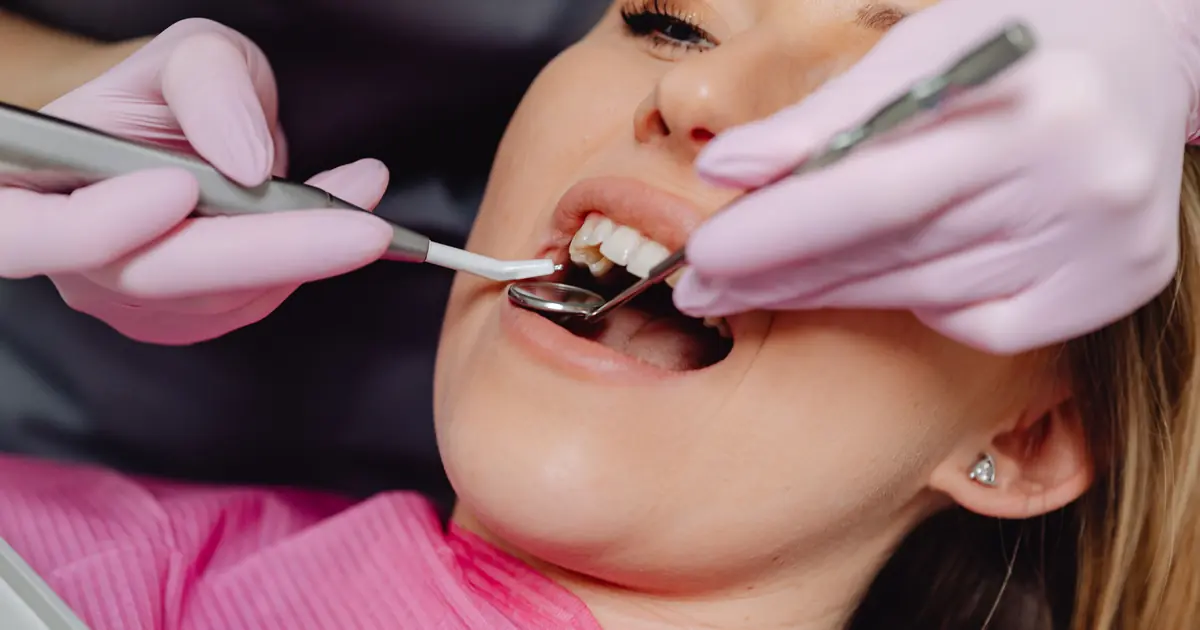
A professional cat dental cleaning is done under general anesthesia and includes a full mouth exam, dental X-rays, scaling to remove tartar above and below the gumline, and polishing. It’s the only way to clean below the gums and check for hidden disease, which is where most feline dental problems actually live.
Here’s roughly how a dental visit goes.
- Pre-anesthetic checkup. Your vet examines your cat and often runs bloodwork to confirm they’re healthy enough for anesthesia.
- Anesthesia and monitoring. Your cat is safely sedated so the team can work thoroughly and pain-free while monitoring vitals.
- Dental X-rays. These reveal problems hidden below the gumline, like resorption or bone loss, that the eye can’t see.
- Scaling. An ultrasonic scaler removes plaque and tartar from every tooth, including under the gums.
- Polishing. Smoothing the enamel slows how fast new plaque sticks.
- Extractions if needed. Severely diseased or resorbing teeth are removed to end the pain.
You may have seen “anesthesia-free” cleanings offered at groomers or pet stores. The AVMA and the American Animal Hospital Association both advise against them. Without anesthesia, no one can clean below the gumline or take X-rays, so the real disease goes untouched while the teeth just look cleaner on top.
How much does a cat dental cleaning cost?
A routine professional cat dental cleaning usually costs $300 to $700 in the US. If your cat needs dental X-rays, extractions, or extra medication, the total can climb to $800 to $1,500 or more. Prices vary by region, your vet’s setup, and how much work your cat’s mouth actually needs.
How often should cats get dental care?
Cats should get a dental checkup at every annual vet visit, and most benefit from a professional cleaning every 1 to 2 years, though some need it more often. At home, daily is the target for brushing or another plaque-fighting habit.
Your vet will tailor the timing to your cat. Some breeds and some individuals build tartar fast and need yearly cleanings. Others coast longer. Older cats, and breeds like Siamese and Abyssinians that are prone to dental issues, deserve extra attention. When in doubt, ask your vet to grade your cat’s teeth at the next visit so you have a baseline.
What’s a simple cat dental care routine?
A simple cat dental care routine is: brush daily (or as often as your cat allows), add a dental diet or VOHC-approved chew, and book a vet dental check every year. Consistency matters far more than perfection, so build the habit rather than chasing an ideal.
- Daily: Brush with cat toothpaste, even for 20 seconds. Offer a dental treat or use a water additive on days brushing flops.
- Weekly: Lift your cat’s lip and take a quick look. Note any new redness, brown buildup, or bad breath.
- Yearly: Get a professional dental exam. Follow your vet’s advice on when to schedule a cleaning.
Start young if you can. Kittens who get used to having their mouth handled turn into adults who tolerate brushing. But it’s never too late, an older cat can learn to accept it too, just go slow and keep it positive.
This article is educational and isn’t a substitute for veterinary advice. Cats hide dental pain well, so if you notice bad breath, red gums, drooling, or changes in eating, have your vet examine your cat’s mouth. If your cat has stopped eating, has facial swelling, or is drooling heavily, see a vet right away.
Frequently asked questions about cat dental care
Q: How do I know if my cat has a dental problem?
The most common signs are bad breath, red or swollen gums, drooling, pawing at the mouth, and eating less or dropping food. Because cats hide pain, any change in eating habits is worth a vet check. A yearly dental exam catches problems you can’t see at home.
Q: How often should I brush my cat’s teeth?
Daily is ideal, because plaque hardens into tartar in about 3 days. Brushing every day disrupts plaque before it can set. If daily isn’t realistic, aim for at least a few times a week and pair it with dental treats or a dental diet.
Q: Is anesthesia safe for a cat dental cleaning?
Modern anesthesia is very safe for most cats when your vet runs pre-anesthetic bloodwork and monitors vitals throughout. It’s the only way to clean below the gumline, take X-rays, and treat pain without stressing your cat. Both the AVMA and AAHA advise against anesthesia-free cleanings.
Q: Can dental disease in cats be reversed?
Only the earliest stage, gingivitis, is fully reversible with a professional cleaning and good home care. Once gum disease progresses to periodontitis, the bone and tissue damage is permanent. That’s why catching problems early makes such a big difference.
Q: Do dental treats really work for cats?
Dental treats help, but they don’t replace brushing. They provide mild mechanical cleaning and can reduce plaque as a daily add-on. Look for treats with the Veterinary Oral Health Council (VOHC) seal, which means they’ve been tested to actually reduce plaque or tartar.
Q: Why does my cat have bad breath?
Persistent bad breath in cats is usually a sign of plaque, tartar, or gum infection, not just normal cat breath. It’s often the first clue of dental disease. Strong or unusual odors can also point to other health issues, so have your vet check if it lingers.
Q: What is tooth resorption in cats?
Tooth resorption is a painful condition where a cat’s body breaks down and dissolves its own tooth structure. It affects an estimated 28 to 67% of cats. There’s no known way to prevent it, so regular vet exams and dental X-rays are the best way to catch and treat it early.
Q: My cat won’t let me brush its teeth. What can I do?
Start slow: let your cat lick cat toothpaste off your finger, then a fingerbrush, building up over days. If brushing truly won’t happen, use a dental diet, VOHC-approved chews, water additives, or oral gels. Something daily is far better than nothing, and your vet can suggest options for your cat.

Hello and welcome to The Ideal Cat!
We are some passionate cat owners from different professions. We love our cats and have a lot of experience in how to care for our pets. We are incredibly excited to share our knowledge, experience, and research with you. So you can take good care of your loving cat. We will answer most of the common questions about owning cats, taking care of them, etc. If you have any question contact with us. Thanks for visiting! Enjoy the content.
