
Grab a cat gently by the loose skin behind its neck and something odd happens: it goes limp and still, like someone hit pause. It looks like magic, but it’s pure instinct.
Here’s why that scruff reflex works, and why you shouldn’t rely on it with adult cats.
- Freezing when scruffed is a reflex called pinch-induced behavioral inhibition, not obedience.
- It mimics how a mother cat carries kittens, keeping them calm and still during transport.
- The reflex is strongest in kittens and fades in adult cats, where scruffing often causes stress.
- Going limp is a protective survival response, not a sign the cat is happy or relaxed.
- Vets discourage scruffing adult cats; support the body and use gentle, low-stress handling instead.
Why do cats freeze when grabbed by the neck?
Cats freeze when grabbed by the scruff because of an automatic reflex known as pinch-induced behavioral inhibition. Pressure on the loose skin at the back of the neck triggers the cat to go still and passive. This is hardwired from kittenhood: it’s the position a mother cat uses to carry her young, and staying limp keeps a kitten safe and easy to move. The freeze is instinctive, not a sign the cat is calm by choice.
Is scruffing the same as how mother cats carry kittens?
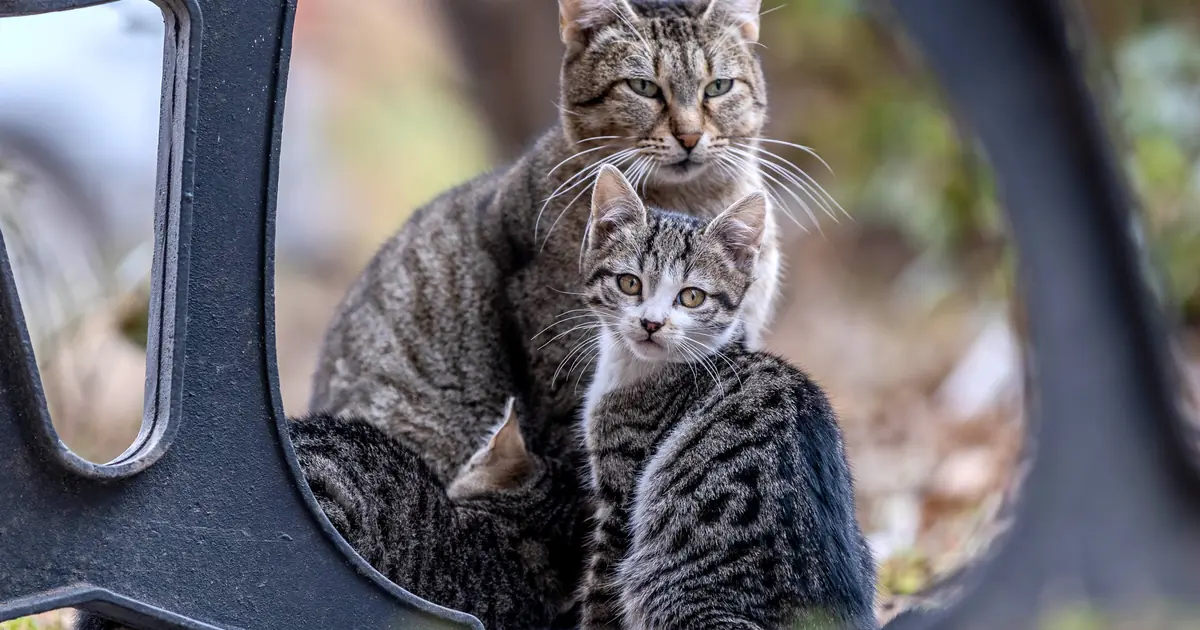
Yes, the scruff freeze evolved directly from maternal carrying. A mother cat gently grips a kitten’s scruff to move it, and the kitten responds by going limp, tucking its tail and legs, and staying quiet, which makes transport quick and safe. That reflex is why the grip produces stillness. Understanding this connection is helpful, and you can read more about it in why mother cats move their kittens.
Does scruffing calm a cat or stress it?
In adult cats, scruffing usually causes stress rather than genuine calm. The freeze can look peaceful, but it’s often a fear-driven “shut down,” the cat feeling trapped and helpless, not relaxed. Kittens tolerate a light scruff because the reflex is strong and their bodies are small. Adults are heavier, so lifting one by the scruff can hurt and frighten it. What looks like calm is frequently a cat enduring, not enjoying, the hold.
Should you ever scruff your cat?
You should avoid scruffing your cat as a handling method. Modern, low-stress veterinary handling discourages it because it increases fear and can damage trust and cooperation. Reserve any scruff contact for true emergencies, and even then support the cat’s full body weight, never dangle it. For everyday handling, gentle, supportive holds work far better. If your cat is fearful or hard to handle, the calming techniques in how to calm a scared cat help, as does knowing where cats like to be touched.
Scruffing myths vs facts
Here’s what’s true and false about the scruff reflex.
| Myth | Fact |
|---|---|
| A limp cat is relaxed and happy | It’s often a stressed, protective shut-down |
| Scruffing is how you should carry any cat | Adult cats should be supported with both hands |
| The freeze means the cat submits to you | It’s an involuntary reflex, not obedience |
| If it works on kittens, it’s fine for adults | Adults are heavier; scruff-lifting can hurt them |
How should you pick up and hold a cat instead?
Pick up a cat by supporting its body, not by the scruff. Place one hand under the chest behind the front legs and the other under the hind end, holding the cat securely against you. This feels safe and keeps the cat’s weight supported. Go slowly, watch for signs it wants down, and never lift by the neck skin. This article is educational and not a substitute for veterinary advice; if handling is a struggle, ask your vet or a certified behaviorist. Low-stress handling guidance is available from the AAHA behavior guidelines and International Cat Care.
Frequently Asked Questions
Q: Why does my cat go limp when I grab its scruff?
It’s an automatic reflex called pinch-induced behavioral inhibition. Pressure on the loose neck skin makes a cat go still, the same instinct that keeps kittens calm while their mother carries them. It’s involuntary, not a choice.
Q: Is scruffing my cat bad?
For adult cats, generally yes. Scruffing usually causes fear and stress rather than calm, and lifting an adult by the scruff can hurt it. Vets discourage it. Support the whole body and use gentle handling instead.
Q: Does going limp mean my cat is relaxed?
Not usually. The limpness often reflects a stressed, protective “shut down,” the cat feeling trapped, not a happy, relaxed state. It can look peaceful, but many cats are simply enduring the hold rather than enjoying it.
Q: Why can mother cats carry kittens by the neck safely?
Kittens have a strong scruff reflex and are light enough to be carried safely. They go limp, tuck in, and stay quiet, making transport easy. The reflex weakens and bodies get heavier as cats grow, so it doesn’t translate to adults.
Q: How should I pick up my cat instead of scruffing?
Support the body: one hand under the chest behind the front legs, the other under the hind end, holding the cat against you. Go slowly and let it feel secure. Never lift a cat by the neck skin.
Q: Do vets still scruff cats?
Modern, low-stress veterinary practice discourages routine scruffing because it raises fear and harms cooperation. Many vets now use gentle, supportive handling and towels instead. Scruffing is reserved for rare emergencies, always with full body support.

Hello and welcome to The Ideal Cat!
We are some passionate cat owners from different professions. We love our cats and have a lot of experience in how to care for our pets. We are incredibly excited to share our knowledge, experience, and research with you. So you can take good care of your loving cat. We will answer most of the common questions about owning cats, taking care of them, etc. If you have any question contact with us. Thanks for visiting! Enjoy the content.
