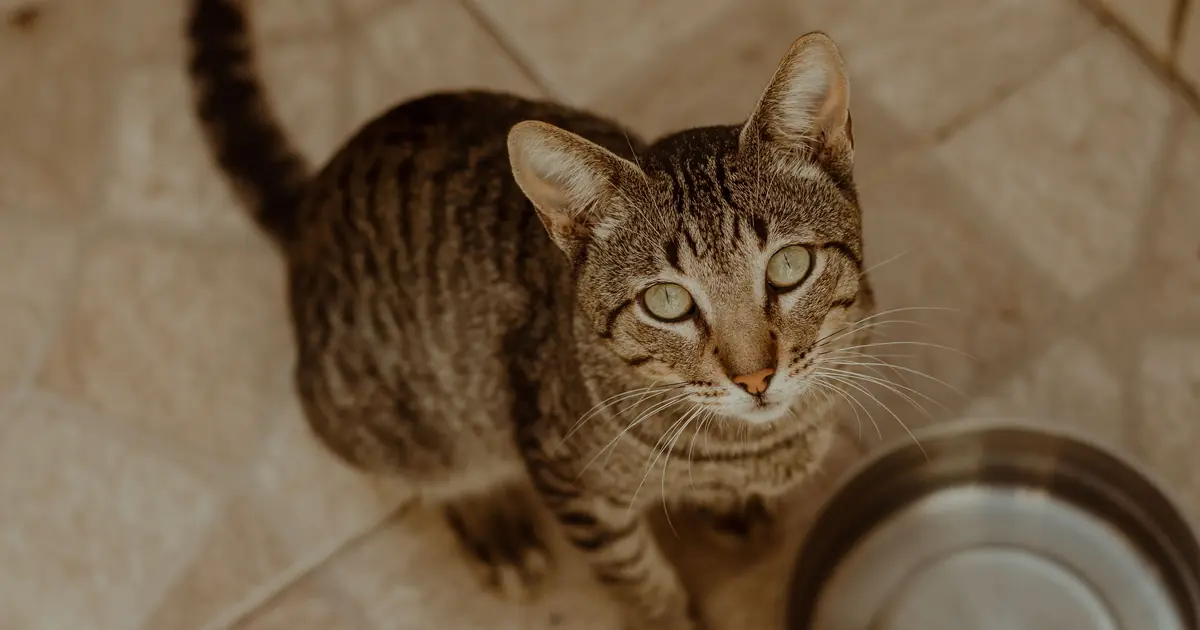
You put down a fresh bowl of food, your cat leans in for a sniff, and then, gag. That dramatic, almost theatrical retch, like the smell personally offended them. Rude? Maybe. Concerning? Usually not.
Cats have incredibly sensitive noses, and a lot of “gagging at food” is just that sensitivity at work. Here’s the full picture, plus the signs that mean it’s more than pickiness.
- Cats have a powerful sense of smell, so strong or unpleasant food odors can trigger a gag or the flehmen response.
- Food aversion, a learned dislike of a certain smell or texture, is a common, harmless cause.
- Nausea, dental disease, or a sore throat can make a cat gag at or refuse food.
- Strong-smelling foods like fish or certain wet foods provoke more reactions than mild ones.
- Frequent gagging with drooling, refusing to eat, or weight loss needs a veterinary check.
Why does my cat gag when smelling food?
Cats gag at food mainly because their sense of smell is far more sensitive than ours, and a strong or “wrong” odor can trigger a reflex. A cat’s nose has tens of millions more scent receptors than a human’s, so a food that smells fine to you can be overwhelming to them. As PetMD notes, smell drives a cat’s appetite far more than taste does. When a smell is too intense, spoiled, or simply not appealing, the reaction can look like a gag or a grimace. Our piece on how far cats can smell food shows just how powerful that nose is.
Is it the flehmen response or a real gag?
Sometimes what looks like gagging is actually the flehmen response, an open-mouth grimace cats use to analyze a scent, not a sign of disgust. The cat pauses, lifts the lip, and holds the mouth open to draw the smell onto a special organ in the roof of the mouth. It can resemble a retch but involves no actual heaving. A true gag includes throat contractions and sometimes a cough or lip-licking.
Could my cat just dislike the food?
Very likely. Food aversion is one of the most common reasons a cat gags at or snubs a meal. Cats can develop a strong dislike of a specific smell, flavor, or texture, sometimes after feeling unwell once while eating it. Strong-smelling foods (fish, liver, some pungent wet foods) provoke more dramatic reactions than mild ones.
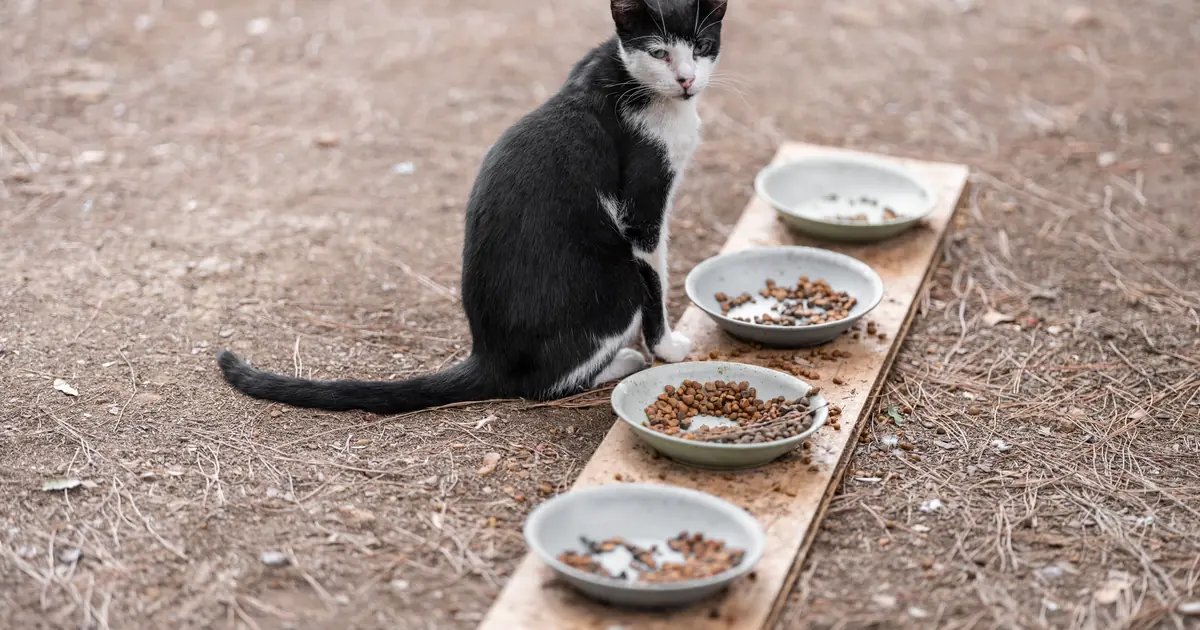
Cats can also simply tire of the same food day after day, which we cover in do cats get tired of the same food. If the gagging is really “no thanks,” your cat will usually walk away and act perfectly normal otherwise.
When does gagging at food mean something medical?
Gagging becomes a medical concern when it comes with other symptoms or a drop in appetite. Some causes to keep in mind:
| Likely harmless | Worth a vet check |
|---|---|
| Gags once, then eats or walks away normally | Gags repeatedly and won’t eat |
| Only with strong-smelling foods | Gags at food it used to love |
| No other symptoms | Drooling, bad breath, or pawing at the mouth (dental disease) |
| Normal energy and weight | Vomiting, weight loss, or lethargy (nausea/illness) |
Nausea, dental disease, a sore throat, or an upper respiratory issue can all make a cat gag near food. Repeated lip-licking or a persistent runny nose alongside the gagging are clues it’s more than pickiness.
How can you help a cat that gags at food?
A few simple tweaks reduce smell-triggered gagging:
- Warm wet food slightly to release aroma gently rather than serving it cold or overly pungent.
- Serve smaller, fresher portions so food doesn’t sit out and turn strong.
- Use wide, shallow bowls to avoid crowding a cat’s sensitive whiskers and face.
- Transition foods gradually to prevent aversion to an abrupt new smell.
- Keep bowls clean, leftover residue can smell off to a cat.
When should you see a vet?
See a vet if your cat gags at food frequently, refuses to eat, drools, has bad breath, is losing weight, or shows any illness signs. Cats hide pain well, and a cat that won’t eat can become seriously ill quickly, so appetite loss is never something to wait out for long. This article is educational and not a substitute for veterinary care; when gagging pairs with any of those red flags, book a visit. Cornell’s Feline Health Center is a reliable reference on appetite and dental issues.
Frequently Asked Questions
Q: Why does my cat gag at the smell of food but still hungry?
The smell may be too strong or unappealing even though your cat wants to eat. Try warming wet food slightly, offering a fresher or milder option, and using a clean, shallow bowl. If your cat wants food but can’t eat, see a vet.
Q: Is it normal for cats to gag at fish or strong-smelling food?
Fairly common. Cats have a very sensitive sense of smell, so intensely fishy or pungent foods can trigger a gag or the flehmen grimace. If your cat gags but is otherwise fine, it’s usually just sensitivity or preference.
Q: Could gagging at food mean my cat has dental problems?
Yes. Dental disease and mouth pain can make a cat gag, drool, or refuse to eat. Watch for bad breath, dropping food, or pawing at the mouth, and have your vet examine the teeth.
Q: My cat gags at food it used to love. What changed?
This can be food aversion (a new dislike, sometimes after feeling ill once while eating it) or an early sign of nausea or illness. A sudden refusal of a favorite food is worth a vet check.
Q: Is gagging the same as coughing or hacking in cats?
Not exactly. Gagging involves the throat and mouth, often near food, while coughing comes from the airways and hacking often precedes a hairball. Frequent coughing or hacking has its own causes and should be evaluated.
Q: How do I stop my cat from gagging at meals?
Warm wet food gently, serve small fresh portions in a clean shallow bowl, transition foods slowly, and avoid the strongest-smelling options if your cat is sensitive. Persistent gagging despite these fixes warrants a vet visit.

Hello and welcome to The Ideal Cat!
We are some passionate cat owners from different professions. We love our cats and have a lot of experience in how to care for our pets. We are incredibly excited to share our knowledge, experience, and research with you. So you can take good care of your loving cat. We will answer most of the common questions about owning cats, taking care of them, etc. If you have any question contact with us. Thanks for visiting! Enjoy the content.
