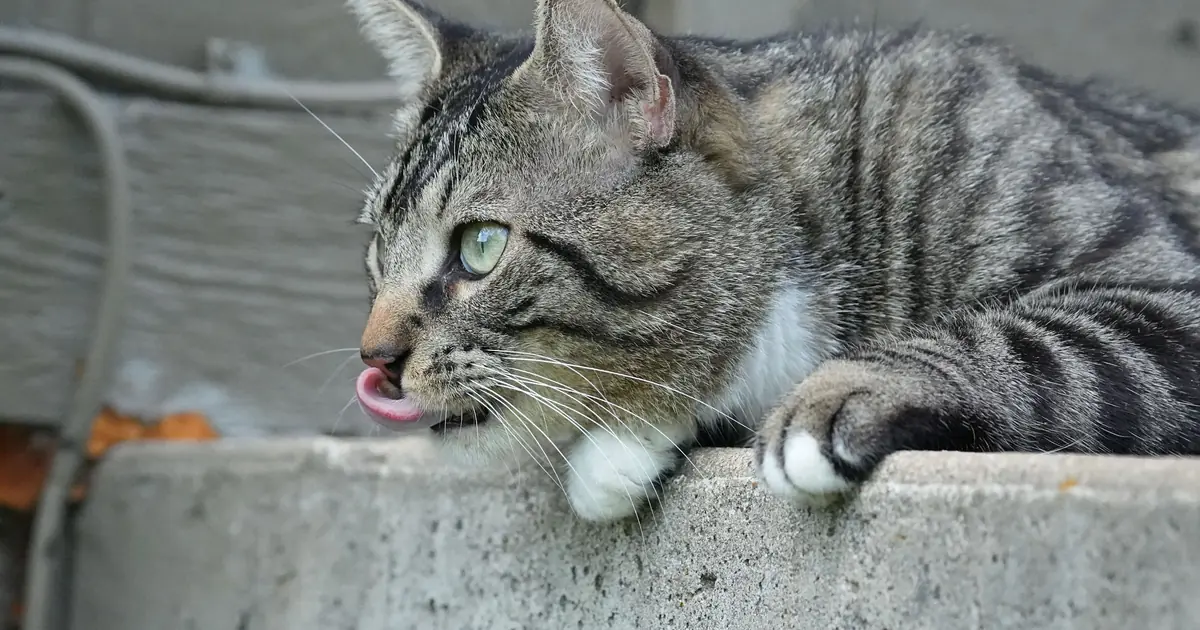
You’re watching your cat after dinner and there it is: a slow, deliberate lip lick, almost like they’re savoring the last bite. Cute, right? Most of the time, yes. Lip-licking is one of those small cat habits that usually means nothing at all.
But not always. Cats also lick their lips when their stomach is upset, when a tooth hurts, or when something in their mouth just feels wrong. The trick is learning to tell the harmless version from the one that needs a vet’s eyes on it, and that’s exactly what this guide walks you through.
- Cats lick their lips after eating or grooming to clean food residue and saliva off their fur and whiskers.
- Lip-licking can be a calming signal, a small self-soothing habit cats use when they feel mildly stressed or unsure.
- Lip-licking often shows up right before vomiting, since nausea triggers extra saliva that cats lick away.
- Dental disease affects most cats over age three, according to Cornell Feline Health Center, and mouth pain is a common medical cause of repeated lip-licking.
- See a vet if lip-licking comes with drooling, pawing at the mouth, bad breath, not eating, or actual vomiting.
Why do cats lick their lips?
Cats lick their lips because it’s a multipurpose behavior that covers grooming, digestion, communication, and sometimes illness. In most cases, it’s simply cleanup duty after a meal or a wash. But the same small gesture can also be your cat’s way of saying “I’m a little uneasy,” or an early warning sign that their stomach or mouth isn’t happy. Context matters more than the lick itself. A single lick after a meal is nothing. Repeated licking with no meal in sight, especially paired with drooling or a hunched posture, is worth paying attention to.
Is lip-licking after eating, drinking, or grooming normal?
Yes, licking lips after eating, drinking, or grooming is completely normal for cats. Wet food, gravy, and even water can leave residue on a cat’s lips and whiskers, and a quick lick tidies that up. The same thing happens during grooming, since saliva ends up around the mouth as a cat cleans its face and paws, and a lip lick resets things before the next pass. Cats are naturally fastidious, and this kind of cleanup is no different from a person wiping their mouth with a napkin. This habit also shows up when a cat is anticipating food. If you’ve ever noticed your cat licking their lips while watching you open a can or prep their bowl, that’s anticipatory drooling and licking, similar to a dog’s response to the sound of a treat bag. If your cat licks their lips a few times around a meal or a wash and then goes about their day, there’s nothing to worry about here.
Can lip-licking be a stress or calming signal?
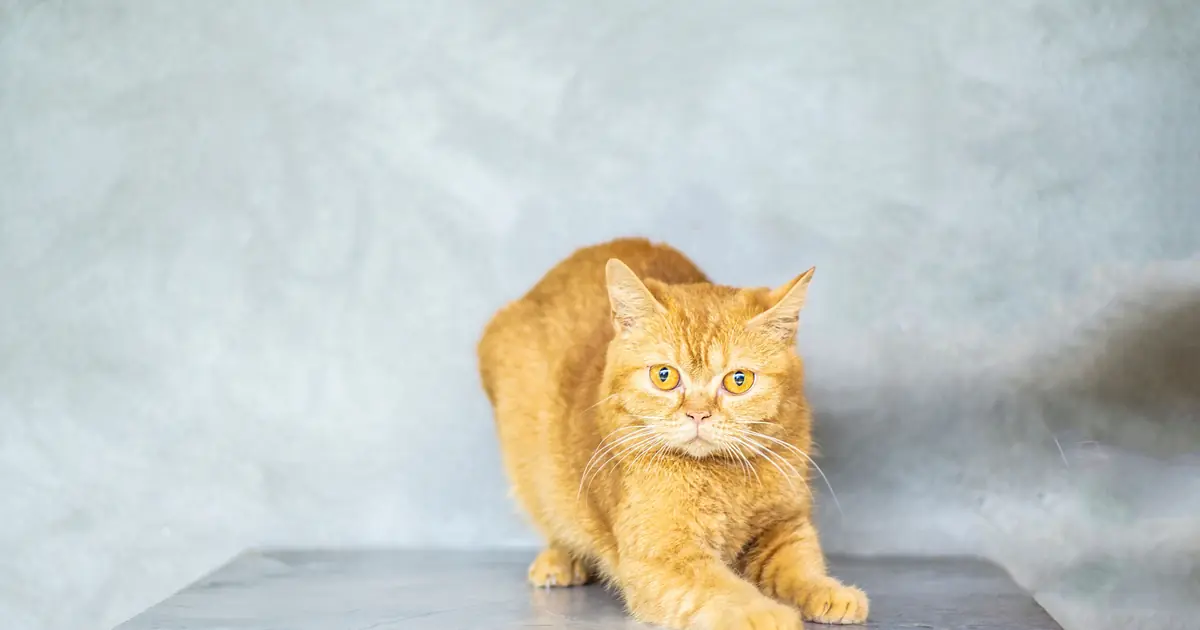
Yes, lip-licking can be a calming or appeasement gesture cats use when they feel mildly anxious or unsure. Behaviorists call these “displacement behaviors”: small, out-of-context actions like a lip lick, a yawn, or a quick self-groom that a cat uses to soothe itself during an uncomfortable moment. You might spot this at the vet’s office, during a car ride, or when a new pet enters the home. It’s a subtle stress cue rather than a full-blown fear response, and it often shows up alongside other signs of stress in cats, like flattened ears, a tucked tail, or hiding. One lip lick during a stressful moment is normal cat body language. It only becomes a concern if the stress itself is frequent or severe.
Does lip-licking mean my cat feels nauseous?
Yes, lip-licking is one of the most common early signs of nausea in cats. Nausea increases saliva production, and cats lick their lips to manage that extra drool before it becomes actual vomiting. If you notice repeated lip-smacking along with lethargy, hiding, a hunched posture, or refusing food, your cat’s stomach may be unsettled. This can come from something as minor as eating too fast or as significant as kidney disease, pancreatitis, or a blockage. According to VCA Hospitals, cats show subtle pre-vomiting signs like lip-licking and swallowing before they actually bring anything up. If nausea signs stick around or lead to repeated vomiting, it’s worth reading through why your cat is vomiting and getting a vet’s opinion.
Can dental or mouth problems cause lip-licking?
Yes, dental disease and mouth pain are among the most common medical reasons cats lick their lips repeatedly. Cats are excellent at hiding pain, and lip-licking is often one of the only outward clues that something in their mouth hurts. Common culprits include:
- Periodontal disease or a broken, abscessed tooth
- Oral ulcers, often linked to stomatitis or feline calicivirus
- A stuck object, like a string, plant fiber, or bone fragment caught on the roof of the mouth or wedged between teeth
- Rodent ulcers or masses on the lip or gum line
International Cat Care notes that dental disease is one of the most under-recognized health problems in cats, since cats rarely stop eating entirely even when their mouth hurts. Lip-licking paired with bad breath is a strong hint that dental disease deserves a look, and it pairs naturally with reading up on why your cat’s breath smells bad.
What other medical causes make cats lick their lips?
Beyond nausea and dental pain, cats also lick their lips after tasting something bitter, toxic, or unpleasant, or when a hairball is building up in the stomach. Cats have a strong reaction to bitter tastes, and even a small lick of a plant, cleaning product, or medication can trigger frantic lip-licking and drooling as they try to get the taste out of their mouth. A hairball working its way up can cause the same nausea-linked licking mentioned earlier, sometimes followed by clear liquid vomit if the stomach is otherwise empty. If you know or suspect your cat has gotten into something toxic, don’t wait it out at home. Contact your vet or an animal poison control line right away.
When should I take my cat to the vet for lip-licking?
You should see a vet if lip-licking is frequent, happens outside of meals, or comes with drooling, pawing at the mouth, bad breath, appetite loss, or vomiting. One or two licks after a meal or a stressful car ride is normal cat behavior. But licking that repeats throughout the day, especially with any of those other signs, points to a dental, digestive, or toxin-related problem that needs a professional exam. This article is educational and isn’t a substitute for veterinary care. If your cat’s lip-licking comes with drooling, gagging, or a swollen face, treat it as urgent and call your vet the same day.
| Context of lip-licking | Likely cause | Normal or vet visit? |
|---|---|---|
| Right after eating or drinking | Cleaning up food or water residue | Normal |
| While watching you prepare food | Anticipatory drooling | Normal |
| During grooming | Managing saliva while washing | Normal |
| At the vet, in the car, around new pets | Calming or stress signal | Normal, unless stress is frequent |
| Repeated licking with lethargy or hiding | Nausea | Vet visit |
| Licking plus bad breath or pawing at mouth | Dental disease or stuck object | Vet visit |
| Sudden frantic licking and drooling | Bitter taste or toxin exposure | Vet visit (urgent) |
| Licking followed by vomiting | Hairball or digestive upset | Vet visit if frequent |
A quick note on safety: this guide is meant to help you understand normal cat behavior and spot red flags early. It isn’t a diagnosis, and it can’t replace a hands-on exam. If your cat’s lip-licking is frequent, paired with drooling, pawing at the mouth, not eating, or nausea, please get them checked out by a licensed veterinarian rather than waiting to see if it passes.
Frequently Asked Questions
Q: Why does my cat lick their lips after I pet them?
This is usually a mild calming signal, similar to the stress-related lip-licking seen at the vet or during car rides. Some cats also do this if petting includes touching a sensitive area like the belly or near the mouth. It’s normal as an occasional response, but frequent lip-licking paired with other stress signs is worth watching.
Q: Is it normal for a cat to lick their lips a lot?
Occasional lip-licking throughout the day is normal, especially around meals or grooming sessions. Frequent, repeated licking with no clear trigger, or licking paired with drooling and appetite loss, is not typical and should prompt a vet visit.
Q: Can stress alone cause a cat to lick their lips?
Yes, mild stress or anxiety can trigger lip-licking as a self-soothing, displacement behavior. It’s the same category of behavior as an out-of-place yawn or a sudden self-groom during a tense moment, and it typically settles once the stressful event passes.
Q: Does lip-licking always mean my cat is about to throw up?
No, lip-licking doesn’t always lead to vomiting, but it is a common early sign of nausea. If lip-licking is paired with lethargy, hiding, or a hunched posture, keep an eye on your cat and call the vet if vomiting follows or the signs don’t improve within a day.
Q: Can dental disease really cause lip-licking in cats?
Yes, dental pain from periodontal disease, an abscessed tooth, or oral ulcers is a well-documented cause of repeated lip-licking in cats. The Cornell Feline Health Center notes that dental disease is extremely common in adult cats and often goes unnoticed until a vet exam catches it.
Q: What should I do if my cat licks their lips and won’t eat?
Lip-licking combined with refusing food for more than 24 hours is a reason to call your vet, since it can point to dental pain, nausea, or a digestive issue. Cats that stop eating for extended periods are also at risk of a serious liver condition called hepatic lipidosis, so don’t wait too long to get them seen.
Q: Can something stuck in my cat’s mouth cause lip-licking?
Yes, a stuck object like a piece of string, a plant fiber, or a bone fragment lodged between teeth or on the roof of the mouth can cause repeated lip-licking, pawing at the face, and drooling. This needs a vet exam to locate and safely remove the object.
Q: Is lip-licking different from lip-smacking or teeth chattering in cats?
Yes, lip-licking is a tongue movement across the lips, while teeth chattering (sometimes called chittering) is a rapid jaw movement cats make while watching prey through a window, often tied to hunting excitement rather than grooming or nausea. The two behaviors look different and mean different things, even though both can seem unusual to a first-time cat parent.

Hello and welcome to The Ideal Cat!
We are some passionate cat owners from different professions. We love our cats and have a lot of experience in how to care for our pets. We are incredibly excited to share our knowledge, experience, and research with you. So you can take good care of your loving cat. We will answer most of the common questions about owning cats, taking care of them, etc. If you have any question contact with us. Thanks for visiting! Enjoy the content.
