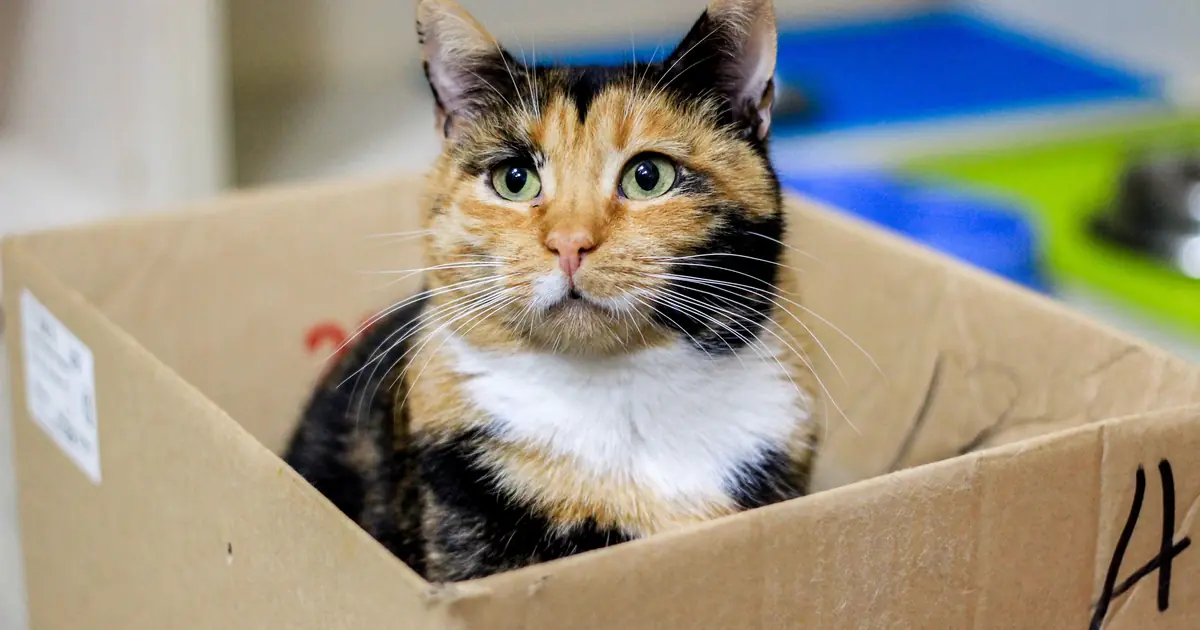
You bring home a tiny new kitten, set down a litter box, and watch this little fluffball stare up at the sides like they’re the walls of a canyon. Can they even climb in? Will they know what to do? Here’s the good news: kittens are wired for this. Their mom starts teaching them young, and their instincts do most of the work. Your job is to give them the right box, the right litter, and a little patience.
Let’s set your kitten up so the litter box just clicks.
- Kittens usually begin using a litter box at 3 to 4 weeks old, once they start weaning off their mother’s milk.
- A kitten needs a low-sided, open box with an entry no higher than about 2 to 3 inches so they can climb in on their own.
- Use unscented, non-clumping litter for kittens under about 4 months, because clumping litter can swell and cause a blockage if swallowed.
- Follow the “one box per cat, plus one extra” rule, so a single kitten in the home does best with two boxes.
- Call your vet if your kitten eats clumping litter, or goes more than a day without peeing or pooping.
When do kittens start using a litter box?
Most kittens start using a litter box between 3 and 4 weeks old. That’s right around when they wean off their mother’s milk and begin eating solid food. Before 3 weeks, newborn kittens can’t go to the bathroom on their own at all. Their mom licks them to stimulate it, and if you’re raising an orphan, that job falls to you with a warm damp cloth.
Once a kitten hits about 3 weeks, their body is ready. Their instinct to dig and bury kicks in fast, and many kittens figure out the box within a few days of being shown it. If you adopt a kitten at 8 to 12 weeks, they’ve very likely already learned from their mom, so you’re mostly just showing them where the box lives in your home.
What size and type of litter box does a kitten need?
A kitten needs a small, open box with low sides, roughly 2 to 3 inches high, so those short legs can climb in without a struggle. A box around 13 inches by 9 inches is a great starting size. Skip the tall, fancy stuff for now.
Here’s the thing about kittens and boxes: what works for a grown cat can trap a kitten. Covered boxes, high-walled models, and self-cleaning units can feel like caves or moving machines to a nervous baby. Keep it simple and open while they learn.
- Low entry: One side should be low enough to step over. A shallow storage tray or a purpose-made kitten box both work.
- Open top: No hood yet. Your kitten needs to see in, get in, and get out easily.
- No moving parts: Automatic and self-cleaning boxes can startle a kitten. Those are a later upgrade, not a starter box. When your cat is grown, you can explore a self-cleaning litter box.
- Easy to reach: If your kitten is confined to one room at first, the box should be just a few steps from their bed and food (but not right next to the food).
As your kitten grows, size up the box. A good rule for any age: the box should be about one and a half times the length of your cat, nose to tail base. You’ll swap up a size or two over the first year.
What’s the best litter for a kitten?
The best litter for a young kitten is unscented and non-clumping. Kittens explore the world with their mouths, and a curious baby will taste the litter. Clumping litter is designed to swell and harden when it hits moisture, so if a kitten swallows some, it can do the same thing inside their tummy and cause a dangerous blockage. Stick with non-clumping until your kitten is at least 3 to 4 months old and past the everything-goes-in-my-mouth stage.
Scent is the other thing to skip. Perfumed litters can smell overwhelming to a tiny nose and actually push a kitten away from the box. Honestly, skip the scented litter entirely, even for adults. A simple, low-dust, unscented litter is kinder on little lungs too.
| Litter type | Good for a kitten? | Why |
|---|---|---|
| Unscented non-clumping clay | Yes, best starter | Safe if tasted, low fuss, easy for kittens to dig. |
| Plain paper pellets | Yes, very safe | Low dust, low risk if swallowed, great for post-surgery or tiny kittens. |
| Clumping clay | Not until ~4 months | Can swell and cause a blockage if a kitten eats it. |
| Scented or crystal litter | No | Strong scent deters kittens; crystals can be swallowed. |
Keep the litter shallow, about 1 to 1.5 inches deep. That’s plenty for a kitten to dig and cover without sinking in. Once your kitten graduates to a bigger box, you can read up on the best cat litter options for grown cats.
How many litter boxes does a kitten need?
Follow the classic “one box per cat, plus one extra” rule. So even a single kitten does best with two boxes. It sounds like a lot for one small cat, but it means there’s always a clean, easy-to-reach spot, and it heads off accidents while they’re still learning.
If you have a multi-level home, put a box on each floor. A kitten who’s playing hard and suddenly needs to go may not make it up or down the stairs in time. Two boxes close by beats one perfect box far away. For the full breakdown, see our guide on how many litter boxes per cat you really need.
Where should you put a kitten’s litter box?
Put the litter box in a quiet, low-traffic spot your kitten can always reach, and keep it away from their food and water. Cats don’t like to eat where they toilet, so a box next to the food bowl can quietly turn them off the box. A corner of a calm room, away from the washing machine and loud foot traffic, is ideal.
When you first bring a young kitten home, confine them to one room with the box, bed, food, and water all in view (box and food at opposite ends). A whole house is overwhelming for a tiny kitten, and they may not find the box in time. As they get confident, open up more of the home and add boxes so they’re never far from one.
How do you litter train a kitten? (Step by step)
Litter training a kitten is mostly about setting the stage and letting instinct do the rest. Most kittens catch on within a few days. Here’s the routine that works.
- Set up the right box. Place a low-sided, open box with 1 to 1.5 inches of unscented, non-clumping litter in a quiet spot.
- Show your kitten the box. Gently set them inside so they feel the litter under their paws. Let them sniff and dig. Don’t force anything.
- Time it right. Pop your kitten in the box right after meals, after naps, and after play. These are the moments they most need to go.
- Let them dig. If your kitten starts scratching at the litter, that’s the instinct working. Stay quiet and let them do their thing.
- Praise, never punish. When they use the box, offer soft praise or a tiny treat. Never scold or rub their nose in an accident. Fear makes litter problems worse.
- Clean accidents fully. Wipe up misses with an enzyme cleaner, not ammonia-based products, so no lingering scent pulls them back to the wrong spot.
- Scoop daily, refresh often. Kittens are picky about clean boxes. Scoop at least once a day and change the litter regularly.
Keep the box in the same place while they’re learning. Moving it around confuses a kitten who’s just built the habit.
Common kitten litter box problems (and easy fixes)
Most kitten litter box hiccups come down to the box, the litter, or the location, and they’re usually quick to fix. Here are the ones cat parents run into most.
My kitten is eating the litter
A little tasting is normal curiosity, but you don’t want a kitten actually eating litter. Switch to a non-clumping or plain paper-pellet litter right away so a mouthful can’t swell inside them. If your kitten keeps eating litter, mention it to your vet, since it can occasionally point to a nutritional gap like anemia.
My kitten won’t use the box
A kitten who avoids the box is usually telling you something’s off. The sides may be too tall, the box too far away, the litter too scented, or the spot too noisy. Lower the box, move it closer, switch to plain unscented litter, and add a second box. If your kitten is older and suddenly stops, our guide on why a cat isn’t using the litter box digs into more causes.
My kitten has accidents outside the box
Accidents are normal in the first couple of weeks and rarely mean anything’s wrong. Confine your kitten to a smaller space with the box nearby, clean misses with an enzyme cleaner, and gently place them in the box after meals and naps. A litter mat under the box also catches tracked litter and stray misses.
When is a kitten litter box problem a health issue?
Most litter troubles are about setup, not sickness, but a few signs mean it’s time to call your vet. Straining without producing anything, crying in the box, blood in the urine or stool, or going more than a day without peeing or pooping all warrant a vet visit. In a young kitten, problems can turn serious fast, so don’t wait it out.
Call your vet right away if your kitten has eaten clumping litter, or if they seem to be straining and can’t pass urine. A cat who can’t pee is a medical emergency at any age.
This article is educational and isn’t a substitute for veterinary advice. When something feels off with your kitten, a licensed vet is your best guide. You can also read more on litter box problems from the ASPCA and step-by-step training tips from PetMD.
Kitten litter box guide by age
Your kitten’s needs shift as they grow. Here’s a quick reference for the box and litter to use at each stage.
| Kitten age | Box recommendation | Litter recommendation |
|---|---|---|
| 3 to 8 weeks | Very low, shallow open tray, sides about 2 inches | Unscented non-clumping or paper pellets, 1 inch deep |
| 2 to 4 months | Small open box, sides about 3 inches, add a second box | Unscented non-clumping, 1 to 1.5 inches deep |
| 4 to 6 months | Standard open box, can start transitioning | Can move to unscented clumping if no more litter tasting |
| 6+ months | Full-size box, 1.5x cat’s length; hood optional | Adult litter of your choice, still unscented is kindest |
For more authoritative training guidance, International Cat Care has a helpful walkthrough on litter training your kitten.
Frequently asked questions
Q: At what age can a kitten use a litter box?
Kittens can start using a litter box at around 3 to 4 weeks old, right as they wean onto solid food. Before 3 weeks, newborn kittens rely on their mother (or you) to stimulate them to go to the bathroom.
Q: What litter is safe for kittens?
Unscented, non-clumping litter is safest for kittens. Plain paper pellets and unscented non-clumping clay are both good choices. Avoid clumping litter until your kitten is about 4 months old, since it can swell and cause a blockage if swallowed.
Q: How many litter boxes does one kitten need?
Even a single kitten does best with two litter boxes, following the “one per cat plus one extra” rule. In a multi-level home, put at least one box on each floor so your kitten is never far from a clean spot.
Q: Why is my kitten not using the litter box?
Kittens usually skip the box when the sides are too high, the box is too far away, the litter is scented, or the spot is too noisy. Lower the box, move it closer, switch to plain unscented litter, and add a second box. Persistent problems in an older kitten can signal a health issue worth a vet check.
Q: Is clumping litter bad for kittens?
Clumping litter can be risky for young kittens because it hardens when wet. If a curious kitten eats some, it can swell inside their digestive tract and cause a blockage. Wait until your kitten is at least 3 to 4 months old and no longer tasting the litter before switching to clumping.
Q: How long does it take to litter train a kitten?
Most kittens learn to use the litter box within a few days to a couple of weeks. Their natural instinct to dig and bury does most of the work. Placing your kitten in the box after meals, naps, and play speeds things along.
Q: Should I use a covered litter box for my kitten?
Skip covered boxes while your kitten is learning. Hooded and self-cleaning boxes can feel like caves or startle a nervous kitten, and the high entry is hard for short legs. Start with a simple open box and consider a cover only once your cat is fully grown and confident.
Q: How deep should litter be for a kitten?
Keep litter about 1 to 1.5 inches deep for a kitten. That’s enough for them to dig and cover without sinking in or struggling to move. Adult cats generally do well with 2 to 3 inches.
Get the box low, the litter plain, and the spot quiet, and your kitten’s instincts will handle most of the rest. A clean box, a little praise, and patience are all it takes to raise a confident, litter-trained cat.

Hello and welcome to The Ideal Cat!
We are some passionate cat owners from different professions. We love our cats and have a lot of experience in how to care for our pets. We are incredibly excited to share our knowledge, experience, and research with you. So you can take good care of your loving cat. We will answer most of the common questions about owning cats, taking care of them, etc. If you have any question contact with us. Thanks for visiting! Enjoy the content.
