
Grooming, shedding, matting, so much about cat care depends on coat type. Knowing whether your cat is double-coated tells you a lot about what to expect.
Here’s how to check your cat’s coat and what a double coat means for grooming.
- A double coat has two layers: a soft, dense undercoat under longer, coarser guard hairs.
- To check, part the fur and look and feel for a fluffy underlayer beneath the top coat.
- Double-coated cats feel very plush, shed heavily seasonally, and are prone to matting.
- Maine Coons, Ragdolls, Norwegian Forest Cats, and many others are double-coated.
- Double coats need regular brushing; never shave a double coat without veterinary advice.
How can you tell if a cat has a double coat?
You can tell a cat has a double coat by parting the fur and checking for two distinct layers. Gently blow on or part the coat down to the skin: if you see a soft, dense, downy underlayer beneath the longer, coarser top hairs, your cat is double-coated. Double coats also feel especially thick and plush, and these cats shed in noticeable seasonal “blowouts.” Most cats have at least some undercoat, but true double-coated cats have a clearly fluffy, insulating underlayer.
What is a double coat, exactly?
A double coat is a two-layer fur system: a protective outer coat of guard hairs plus a soft, insulating undercoat. The longer, coarser guard hairs repel water and dirt and form the visible top layer, while the fine, dense undercoat traps air for warmth. This combination keeps a cat well insulated in cold weather. It’s the same layered structure that makes many cats feel so plush, which we explore in why cats are so soft.
How do you check your cat’s coat at home?
Checking is quick and easy, just look and feel. Try these steps:
- Part the fur down to the skin on the back or flank.
- Look for two layers, a fluffy, lighter underlayer beneath longer top hairs.
- Feel the thickness, double coats feel dense and cushiony, not flat.
- Run a comb through, lots of soft fluff coming out suggests an undercoat.
- Note the shedding, heavy seasonal shedding points to a double coat.
Which cat breeds have double coats?
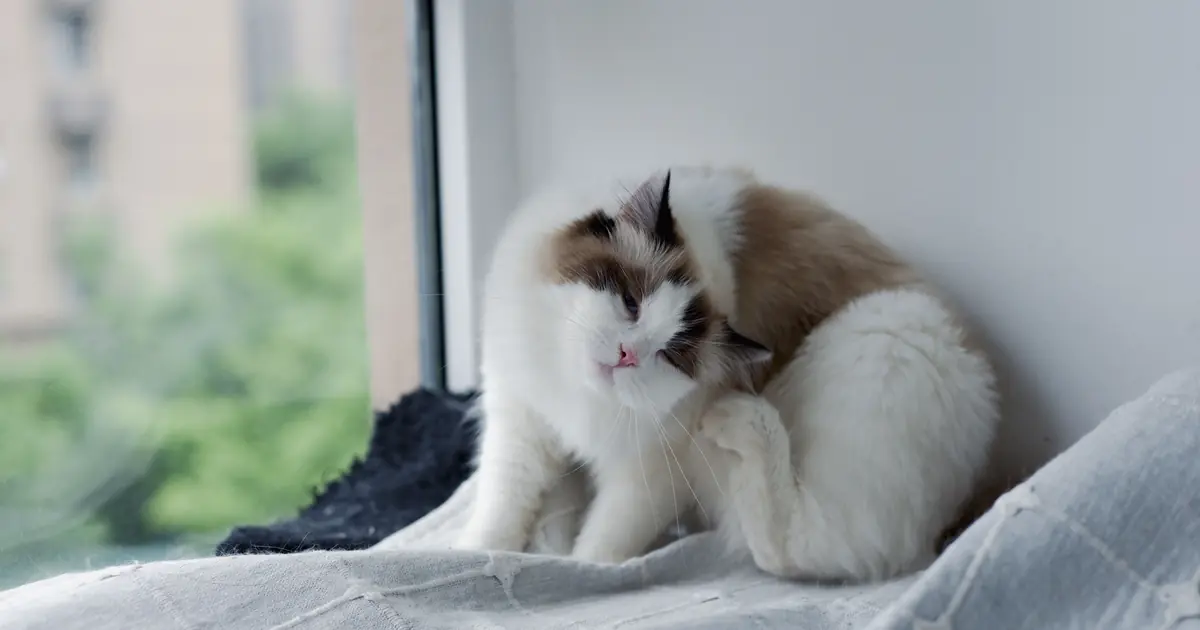
Many popular breeds are double-coated, especially long-haired and cold-climate types. Examples include the Maine Coon, Ragdoll, Norwegian Forest Cat, Siberian, Persian, and British Shorthair, whose plush coat is famously dense. Single-coated cats (with little or no undercoat) are less common but include breeds like some Orientals, and the near-hairless Sphynx has essentially no coat at all. If you have a fluffy breed, it’s very likely double-coated. Coat type is one of the traits explored in cat coat patterns.
Single coat vs double coat
Here’s how the two compare.
| Feature | Single coat | Double coat |
|---|---|---|
| Layers | Mostly guard hairs, little undercoat | Guard hairs + dense undercoat |
| Feel | Sleeker, flatter | Plush, thick, cushiony |
| Shedding | Lighter, steadier | Heavy seasonal shedding |
| Matting risk | Lower | Higher, needs regular brushing |
| Examples | Some Orientals, Sphynx (no coat) | Maine Coon, Ragdoll, Persian |
How do you care for a double coat?
Double coats need regular brushing to prevent mats and manage shedding. Brush a double-coated cat several times a week (daily during heavy shedding seasons) with a comb and de-shedding tool to remove loose undercoat before it tangles. Never shave a double coat unless your vet advises it for a medical reason, shaving can damage the coat’s insulation and regrowth. This article is educational and not a substitute for professional advice. If your cat is already matted, see why cats get matted fur and gentle home grooming tips. Trusted grooming guidance comes from the ASPCA and International Cat Care.
Frequently Asked Questions
Q: How do I know if my cat has a double coat?
Part the fur to the skin and look for two layers: a soft, dense, fluffy undercoat beneath longer, coarser guard hairs. Double coats feel plush and thick, shed heavily in seasons, and often mat. Fluffy breeds are usually double-coated.
Q: What does a double coat feel like?
Very plush, thick, and cushiony, not flat or sleek. When you run your fingers through, you’ll feel a dense, soft underlayer beneath the top hairs, and a comb pulls out lots of fluffy undercoat, especially during shedding season.
Q: Which cats have double coats?
Many long-haired and cold-climate breeds: Maine Coon, Ragdoll, Norwegian Forest Cat, Siberian, Persian, and the plush British Shorthair. Most fluffy cats are double-coated. Single-coated or coatless cats, like the Sphynx, are the exception.
Q: Do double-coated cats shed more?
Yes, they shed heavily, especially in seasonal “coat blows” when they drop undercoat. Regular brushing several times a week (daily during peak shedding) removes loose fluff, reduces hairballs, and keeps the coat from matting.
Q: Should I shave my double-coated cat?
No, not unless your vet recommends it for a medical reason or severe matting. Shaving a double coat can harm its insulation and cause uneven, damaged regrowth. Regular brushing, not shaving, is the right way to manage a double coat.
Q: Do all cats have double coats?
No. Most cats have some undercoat, but true double-coated cats have a distinctly dense, fluffy underlayer. Some breeds are single-coated with minimal undercoat, and the Sphynx is essentially coatless. Parting the fur reveals which type your cat has.

Hello and welcome to The Ideal Cat!
We are some passionate cat owners from different professions. We love our cats and have a lot of experience in how to care for our pets. We are incredibly excited to share our knowledge, experience, and research with you. So you can take good care of your loving cat. We will answer most of the common questions about owning cats, taking care of them, etc. If you have any question contact with us. Thanks for visiting! Enjoy the content.
