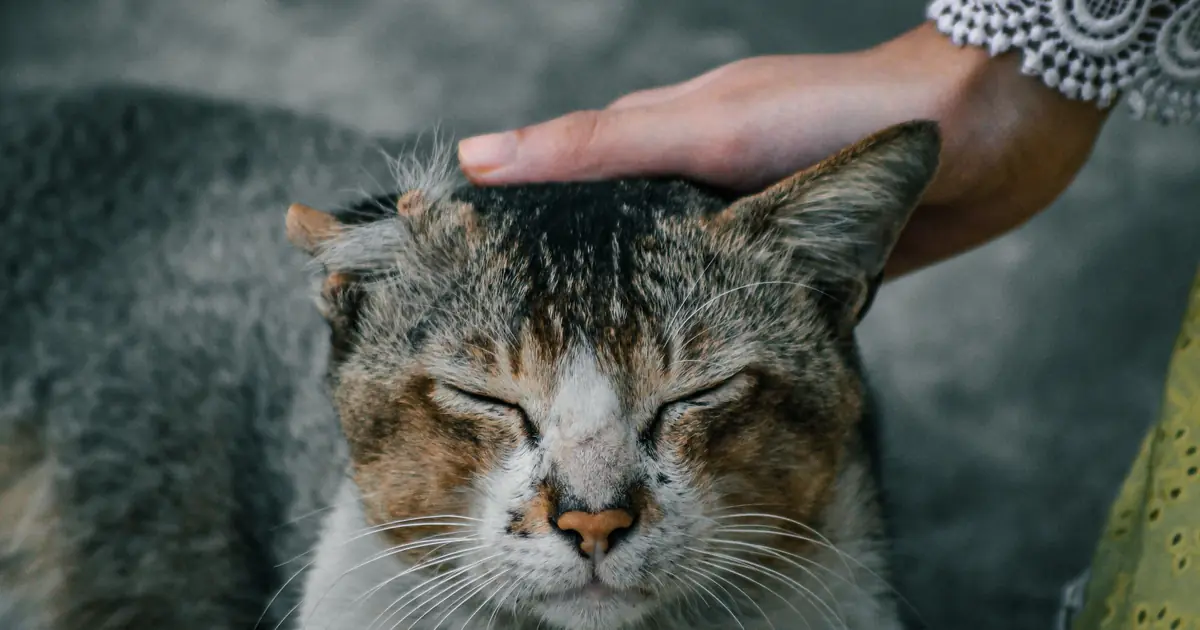
Your cat bonks its head into yours and you freeze: is this a moment? Should you bonk back? Good news, that little headbutt is one of the sweetest things a cat can do, and yes, you can return it.
Here’s what a headbutt means and how to reciprocate the right way.
- A cat headbutt (bunting) is a sign of trust, affection, and scent-sharing, a big compliment.
- You can gently headbutt back, and many cats enjoy it as bonding.
- Return it softly with your forehead or offer a gentle head or cheek rub instead.
- Never headbutt hard, be gentle to avoid startling or hurting your cat.
- Let your cat lead, if it leans in and purrs, great; if it pulls away, stop.
Should I headbutt my cat back?
Yes, you can gently headbutt your cat back, and it’s a lovely way to return the affection, as long as your cat enjoys it. When a cat bonks its head against you (called bunting), it’s showing trust and marking you with its scent as part of its family. Softly pressing your forehead to your cat’s head, or offering a gentle head rub, answers that gesture in a way many cats appreciate. The key word is gentle: keep it light and let your cat set the pace.
What does a cat headbutt actually mean?
A cat headbutt, or bunting, is a affectionate, trust-based behavior that also shares scent. Cats have scent glands on their heads and cheeks, so when your cat rubs or bumps its head on you, it deposits its scent, marking you as safe and “theirs.” It’s a social bonding gesture cats reserve for those they feel comfortable with. So a headbutt is basically your cat saying “I trust you and you’re part of my group,” the same affectionate instinct we explain in why cats headbutt you.
How do you headbutt a cat back safely?
Return a headbutt gently and on your cat’s terms. Here’s how:
- Move slowly and lower your head toward your cat so you don’t loom or startle it.
- Press your forehead lightly to the top of its head or cheek, very softly.
- Keep it brief and gentle, no pushing or hard contact.
- Watch the response, leaning in, purring, or rubbing means your cat likes it.
- Stop if it pulls back, and offer a cheek or head scratch instead.
Do cats like being headbutted back?
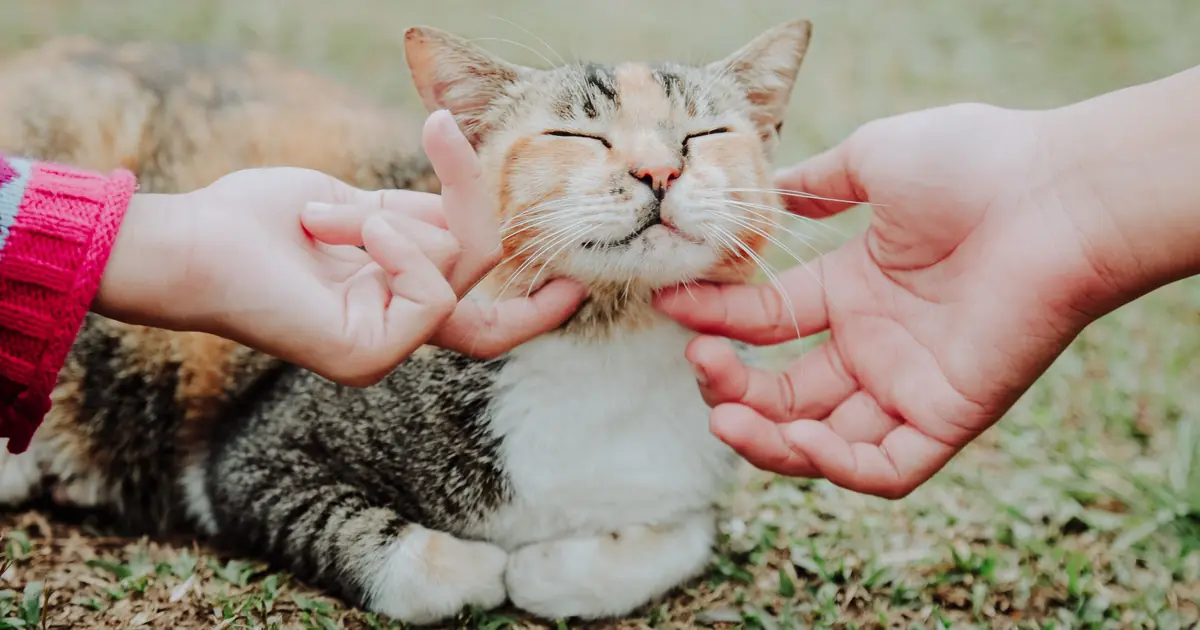
Many cats do enjoy a gentle headbutt or head rub in return, though it varies by cat. For a confident, affectionate cat, reciprocating deepens the bond and continues the “conversation” of scent and trust. Others prefer you answer with a gentle scratch on the head or cheeks rather than head-to-head contact. Since these are exactly the spots cats love, a head or cheek rub is a safe, welcome response, more on the best spots in where cats like to be petted.
Headbutt back vs other ways to respond
Here are good ways to answer a cat’s headbutt.
| Response | When it works well |
|---|---|
| Gentle forehead press | Confident, affectionate cats that lean in |
| Head or cheek scratch | Almost all cats, a safe favorite |
| Slow blink and soft voice | Any cat, reinforces trust |
| Let it rub against you | Cats that prefer to lead the contact |
When should you not headbutt back?
Skip the headbutt if your cat seems tense, unwell, or simply isn’t into it. Don’t force head contact on a shy, overstimulated, or unfamiliar cat, and never headbutt hard enough to startle or hurt. Also, be gentle around a cat’s face if it has any eye, ear, or dental issues. This article is educational; watch for signs your cat wants space, like flattened ears, a lashing tail, or pulling away, and respect them. If a normally affectionate cat suddenly stops bunting or seems off, it can hint at stress or illness, so keep an eye out. For related bonding cues, see why cats enjoy being petted. Trusted guidance on cat body language comes from the ASPCA and International Cat Care.
Frequently Asked Questions
Q: Is it okay to headbutt my cat back?
Yes, gently. A soft forehead press or head rub returns the affection, and many cats love it. Keep it light, move slowly, and let your cat lead. If it leans in and purrs, it’s enjoying the bonding.
Q: What does it mean when my cat headbutts me?
It’s called bunting, a sign of trust and affection that also marks you with your cat’s scent from glands on its head. Your cat is claiming you as family and showing it feels safe with you. It’s a big compliment.
Q: How hard should I headbutt my cat back?
Very gently, just a light forehead touch. Never push or bump hard, which can startle or hurt your cat. Soft is the goal. If you’re unsure, a gentle head or cheek scratch is an equally loving, safer response.
Q: Do cats like when you rub foreheads?
Many confident, affectionate cats enjoy a gentle forehead press, since the head and cheeks are favorite spots. Others prefer a head scratch instead. Watch your cat, leaning in and purring means yes; pulling away means offer a scratch.
Q: Why does my cat headbutt me then walk away?
That’s normal, your cat left its scent and said a quick affectionate “hello,” then moved on. Cats often bunt in passing as a brief bonding gesture. It doesn’t mean rejection; it’s just a compliment on the go.
Q: Should I headbutt a new or shy cat back?
Go slow. Don’t force head contact on a shy or unfamiliar cat, let trust build first. If a nervous cat bunts you, that’s progress; respond with a gentle cheek scratch and calm voice rather than a forehead bump.

Hello and welcome to The Ideal Cat!
We are some passionate cat owners from different professions. We love our cats and have a lot of experience in how to care for our pets. We are incredibly excited to share our knowledge, experience, and research with you. So you can take good care of your loving cat. We will answer most of the common questions about owning cats, taking care of them, etc. If you have any question contact with us. Thanks for visiting! Enjoy the content.
