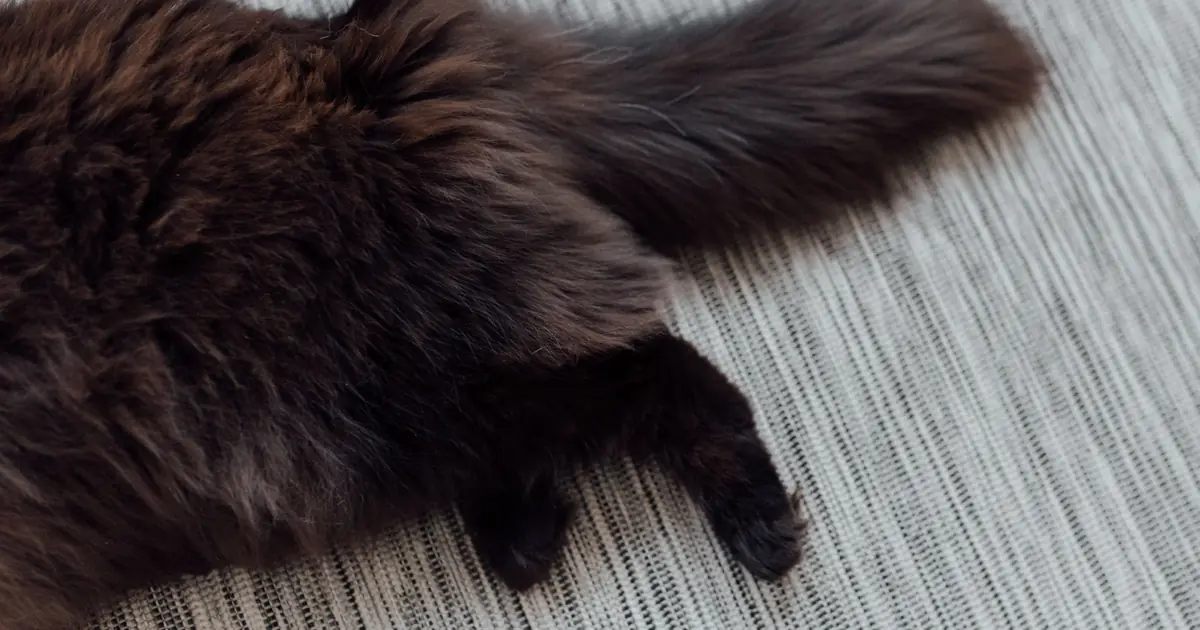
Burying your face in a soft cat is one of life’s simple joys. But have you ever wondered why cats feel so irresistibly plush in the first place?
Here’s the science behind that famous feline softness, and what it says about your cat’s health.
- Cats are soft thanks to a dense undercoat of fine, downy hairs beneath longer guard hairs.
- The undercoat traps air for insulation and gives that plush, cushiony feel.
- Frequent self-grooming keeps the coat clean, smooth, and coated in conditioning oils.
- Good nutrition and health produce a softer, shinier coat, so softness reflects wellbeing.
- A dull, greasy, or rough coat can signal illness, poor diet, or grooming trouble.
Why are cats so soft?
Cats are so soft mainly because of their multi-layered fur, especially a dense undercoat of fine, downy hairs. Most cats have several hair types: coarse guard hairs on top, middle awn hairs, and a soft, fluffy down undercoat beneath. That downy layer is what feels so plush, trapping air and creating a cushiony texture. Add in meticulous self-grooming that smooths and conditions the coat, plus good health and nutrition, and you get that signature velvety softness.
What is it about cat fur that feels soft?
The softness comes down to the fine down undercoat and how the hairs are structured. Down hairs are thin, wavy, and densely packed, so they feel like plush velvet rather than coarse bristle. The longer guard hairs protect the coat, while the down beneath provides warmth and that pillowy feel. Cats bred for extra-soft coats, like the Ragdoll or the famously plush-coated Russian Blue, have especially dense down. Coat type also relates to overall cat coat patterns and texture.
How does grooming keep cats soft?
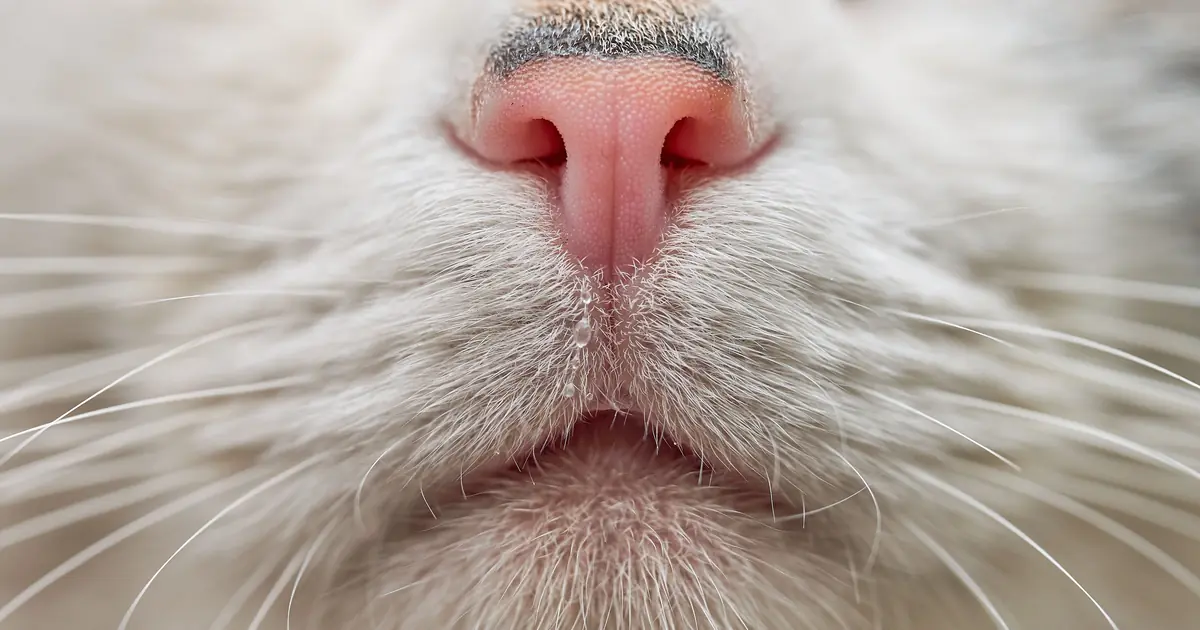
Constant self-grooming is a huge reason cats stay soft and smooth. When a cat licks its coat, its barbed tongue removes dirt, loose hair, and tangles, while spreading natural skin oils (sebum) that condition the fur and give it a healthy sheen. This daily maintenance keeps the coat clean, untangled, and silky. It’s why a cat that grooms well feels wonderful to pet, and why a cat that stops grooming often develops a rough, greasy, or matted coat, as seen with matted fur.
Does diet and health affect coat softness?
Yes, a cat’s softness is closely tied to its nutrition and overall health. A complete, high-quality diet rich in protein and essential fatty acids (like omega-3s) supports skin and coat health, producing softer, shinier fur. Hydration matters too. When a cat is healthy and well-fed, the coat looks and feels its best. That’s why a plush, glossy coat is often a good sign of wellbeing, while a dull or poor coat can hint that something’s off with diet or health.
What makes some cats softer than others?
Softness varies by breed, coat type, age, and health. Here’s what influences it.
| Factor | Effect on softness |
|---|---|
| Undercoat density | More down = plusher, softer feel |
| Breed | Ragdoll, Russian Blue, and others are extra soft |
| Grooming | Regular grooming keeps fur smooth and clean |
| Diet and health | Good nutrition yields a softer, shinier coat |
| Age | Kittens are often especially fluffy; seniors may coarsen |
When does coat texture signal a problem?
A change in your cat’s coat, from soft to dull, greasy, rough, or matted, can be an early sign of a health or grooming issue. Poor coat quality may point to an inadequate diet, dehydration, parasites, pain or arthritis that limits grooming, obesity, or illnesses like kidney or thyroid disease. This article is educational and not a substitute for veterinary care; if your cat’s once-soft coat becomes rough, oily, flaky, or matted, or your cat stops grooming, see your vet to find the cause. For grooming help, see how to groom a cat at home. Trusted background on skin and coat health comes from the ASPCA and VCA Hospitals.
Frequently Asked Questions
Q: Why is my cat’s fur so soft?
Mostly the dense down undercoat, fine, fluffy hairs beneath the coarser guard hairs, which feels plush. Constant grooming spreads conditioning oils and smooths the coat, and good nutrition and health keep it silky.
Q: What makes cat fur softer than dog fur?
Cats typically have a very dense, fine down undercoat and groom themselves meticulously, spreading skin oils that smooth and condition the fur. This combination of fine hair density and constant conditioning gives many cats a plusher feel than dogs.
Q: Are some cat breeds softer than others?
Yes. Breeds with dense, plush coats like the Ragdoll and Russian Blue feel especially soft, thanks to a thick down undercoat. Coat type, grooming, diet, and health all affect softness, so it varies widely between individual cats too.
Q: Does a soft coat mean my cat is healthy?
Often, yes. A soft, shiny coat usually reflects good nutrition, hydration, and grooming, all signs of wellbeing. A dull, greasy, rough, or matted coat can signal a diet, parasite, or health problem worth a vet check.
Q: Why did my cat’s fur get less soft?
A coat that turns dull, rough, or greasy may mean poor diet, dehydration, parasites, obesity, or pain that limits grooming, plus illnesses like thyroid or kidney disease. If your cat’s coat quality drops or it stops grooming, see your vet.
Q: Can I make my cat’s coat softer?
Yes, feed a complete, high-quality diet with omega-3 fatty acids, keep your cat hydrated, and groom regularly to remove loose hair and spread natural oils. Good health is the foundation, so address any underlying issues with your vet.

Hello and welcome to The Ideal Cat!
We are some passionate cat owners from different professions. We love our cats and have a lot of experience in how to care for our pets. We are incredibly excited to share our knowledge, experience, and research with you. So you can take good care of your loving cat. We will answer most of the common questions about owning cats, taking care of them, etc. If you have any question contact with us. Thanks for visiting! Enjoy the content.
