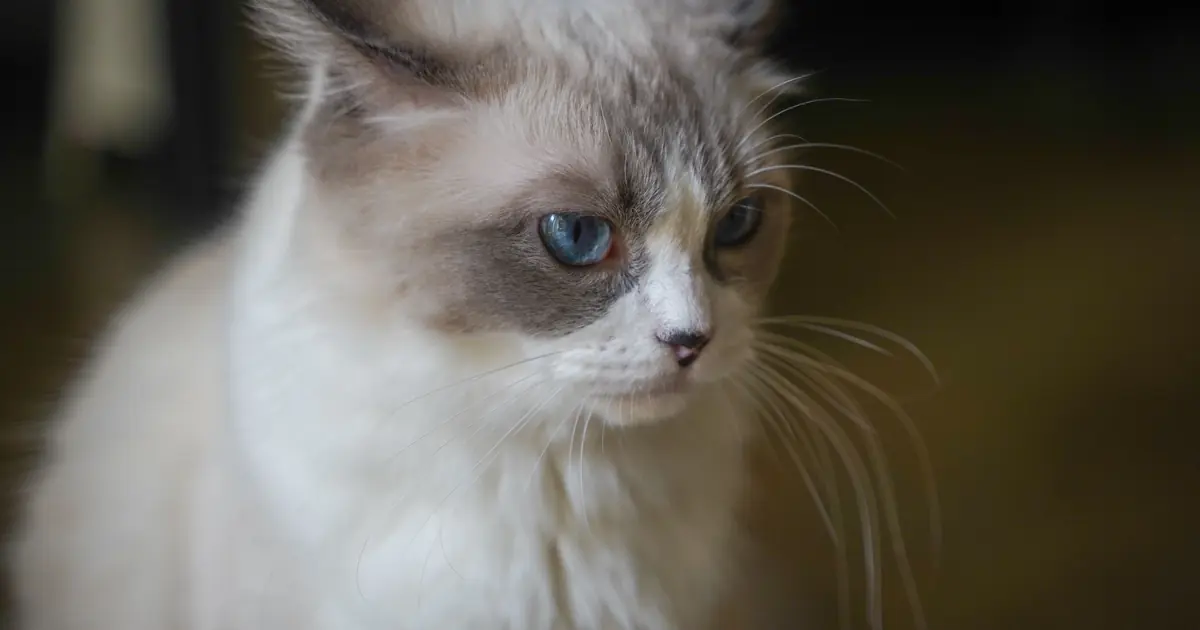
Your Ragdoll follows you room to room, chirping and meowing like it has a running commentary on your day. For this cuddly, devoted breed, that chattiness is mostly pure love.
Here’s why your Ragdoll is so talkative, and when the meowing means something more.
- Ragdolls meow to bond and communicate, they’re affectionate, people-focused cats.
- Common reasons include greeting you, seeking attention, hunger, or wanting play.
- Ragdolls usually have soft, sweet voices and are moderate (not extreme) talkers.
- Responding to every meow can teach a Ragdoll that vocalizing always gets results.
- A sudden spike in meowing can signal stress, pain, or illness, so see a vet if it’s new.
Why does my Ragdoll cat meow so much?
Ragdolls meow so much mainly because they’re deeply affectionate, people-oriented cats that love to communicate. This breed is known for bonding closely with its humans, often following them around, and soft, frequent meowing is how a Ragdoll stays connected, greets you, and asks for what it wants. So a chatty Ragdoll is usually just being its loving, social self. Most Ragdoll vocalizing is normal and sweet, though a sudden change in the pattern is worth noting.
Are Ragdolls a talkative breed?
Ragdolls are moderately talkative, with gentle, melodic voices rather than the loud, demanding calls of some breeds. They’re not as vocal as Siamese, but they’re chattier than many quiet breeds, using soft meows, chirps, and trills to interact. Because Ragdolls are so attached to their people, they tend to “talk” more with the humans they love. So if your Ragdoll seems chatty, that’s typical for the breed, more about connection than complaint, a trait covered in our Ragdoll cat guide.
What are Ragdolls trying to tell you?
Ragdoll meows usually carry a specific, friendly message. Common ones include:
- Greeting you when you come home or enter a room.
- Seeking attention or affection, a hallmark Ragdoll trait.
- Asking for food around mealtimes.
- Wanting play or company, since they dislike being alone.
- Following and “chatting” as part of bonding with you.
Like most cats, Ragdolls mostly reserve meowing for humans, not other cats, which is part of how cats “talk” to us.
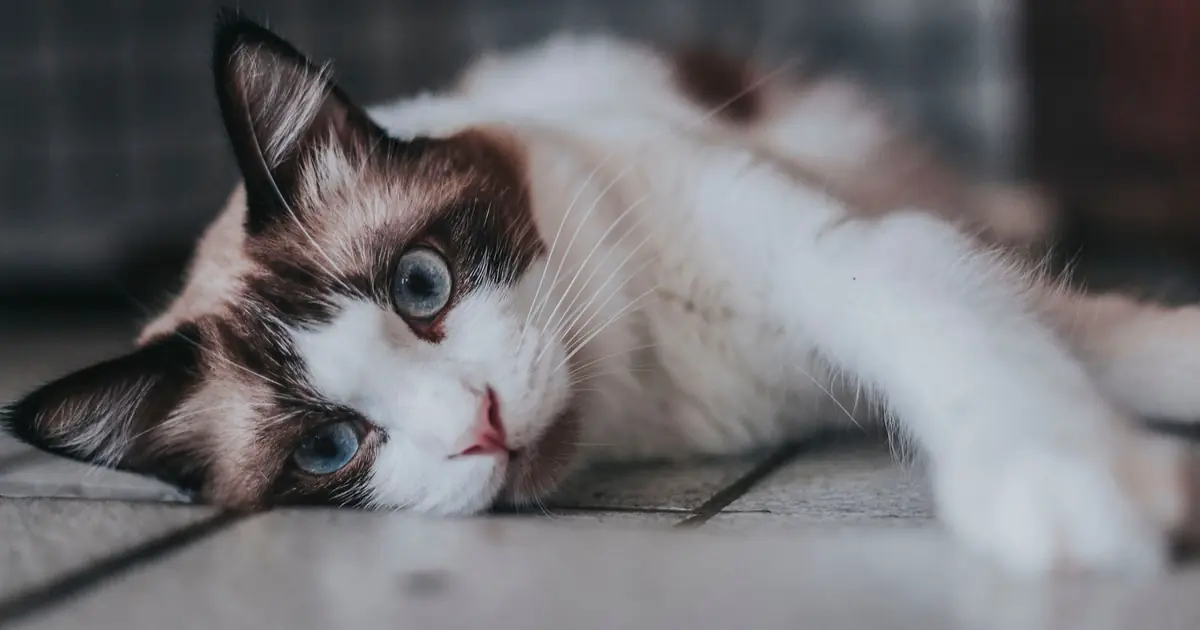
Should you respond to all that meowing?
Respond to your Ragdoll’s needs, but don’t reward nonstop attention-meowing every single time. If you give food, play, or fuss the instant your cat meows, it learns that vocalizing always works, and the meowing increases. Instead, meet genuine needs (food, clean litter, play, company) proactively on a routine, and reward calm behavior with attention. This keeps your affectionate Ragdoll happy without accidentally training it to be a nonstop talker. Plenty of interaction is key, since Ragdolls thrive on companionship.
Normal chattiness vs a warning sign
Here’s how to tell friendly Ragdoll talk from a problem.
| Normal Ragdoll chatter | Worth a vet check |
|---|---|
| Soft greetings and follow-along meows | Sudden, dramatic increase in meowing |
| Meowing around meals or play | Loud yowling, especially at night |
| Consistent, familiar pattern | Meowing with hiding, appetite or weight changes |
| Cat otherwise happy and healthy | Signs of pain, distress, or disorientation |
When should you see a vet?
See a vet if your Ragdoll’s meowing suddenly increases or changes character, especially with other symptoms. Excessive or new vocalizing can signal pain, stress, hyperthyroidism, high blood pressure, or, in older cats, cognitive decline. Watch for accompanying signs like weight loss, appetite changes, restlessness, night yowling, or hiding. This article is educational and not a substitute for veterinary care; a sudden shift in your normally sweet-talking Ragdoll deserves a check-up. For how vocalness varies by cat and breed, see whether black cats are more vocal and more Ragdoll facts. Trusted guidance on feline vocalization comes from the ASPCA and International Cat Care.
Frequently Asked Questions
Q: Why is my Ragdoll so vocal?
Ragdolls are affectionate, people-oriented cats that use soft meows to greet you, seek attention, ask for food, and stay connected. Chattiness is normal for the breed and usually reflects their loving, social nature.
Q: Are Ragdoll cats a noisy breed?
Ragdolls are moderately vocal with gentle, sweet voices, chattier than many quiet breeds but not as loud or demanding as Siamese. They tend to “talk” most with the people they’re bonded to, using soft meows, chirps, and trills.
Q: How do I get my Ragdoll to meow less?
Meet its needs proactively on a routine, food, play, clean litter, and company, and reward calm behavior rather than responding to every meow. Avoid accidentally teaching that meowing always earns attention. Rule out illness if it’s sudden.
Q: Is it normal for Ragdolls to follow you and meow?
Yes, very normal. Ragdolls are famously devoted and love being near their people, so following you around while chatting is typical bonding behavior. It’s a sign of affection, not a problem, as long as the cat is otherwise happy and healthy.
Q: When should I worry about my Ragdoll’s meowing?
Worry if the meowing suddenly increases or changes, especially with yowling, hiding, weight or appetite changes, or signs of pain. These can indicate illness, stress, or (in seniors) cognitive decline, and warrant a vet visit.
Q: Do Ragdolls meow more than other cats?
They’re on the chatty side, more than many quiet breeds, thanks to their strong attachment to people, but generally less intense than Siamese. Individual personality matters most, so some Ragdolls talk far more than others.

Hello and welcome to The Ideal Cat!
We are some passionate cat owners from different professions. We love our cats and have a lot of experience in how to care for our pets. We are incredibly excited to share our knowledge, experience, and research with you. So you can take good care of your loving cat. We will answer most of the common questions about owning cats, taking care of them, etc. If you have any question contact with us. Thanks for visiting! Enjoy the content.
