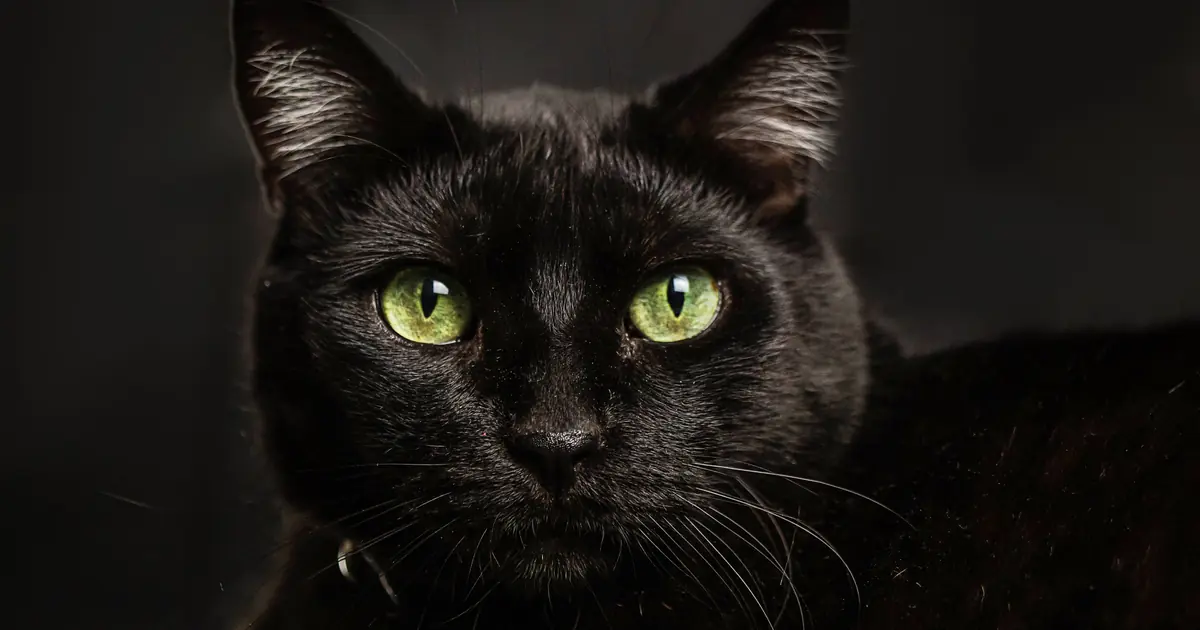
You’ve heard it, maybe even lived it: black cats that never stop talking. Is there something about that glossy black coat that comes with an extra dose of opinions?
Here’s the honest answer, plus what really drives a chatty cat.
- There’s no scientific proof that black cats are more vocal than cats of other colors.
- Vocalness comes from personality, breed, and upbringing, not coat color.
- Chatty breeds like the Siamese and Oriental are vocal regardless of their color.
- The “vocal black cat” idea is anecdotal, though plenty of individual black cats are genuinely talkative.
- A sudden change in your cat’s vocalizing, black or not, is worth a vet check.
Why are black cats so vocal?
Black cats aren’t actually more vocal than other cats, at least not because they’re black. No research links coat color to chattiness. What makes any cat vocal is a mix of personality, breed heritage, and how it was raised and socialized. A very talkative black cat is simply an individual with a chatty temperament, the same way an orange or gray cat can be. The black coat is a coincidence, not the cause.
Does coat color affect how much a cat talks?
No, coat color does not determine how much a cat vocalizes. The gene for a black coat has nothing to do with the traits that shape communication. While some owners swear their black cats are extra chatty (and orange-cat owners often say the same about theirs), these are personal impressions, not scientific patterns. If a color-personality link exists at all, evidence is weak and inconsistent. Behavior varies far more between individuals than between colors.
What actually makes a cat vocal?
A cat’s chattiness comes down to several real factors, none of them color. The big ones are:
- Personality, some cats are simply talkers, others are quiet.
- Breed, certain breeds are famously vocal (more below).
- Upbringing and socialization, cats learn that meowing gets attention or food.
- Age, kittens and senior cats often vocalize more.
- Needs and mood, hunger, boredom, greeting, or stress.
Cats largely reserve meowing for communicating with humans, which is why a chatty cat is often just talking to you, as we explore in can cats talk.
Are some breeds more vocal, regardless of color?
Yes, breed is a genuine driver of vocalness, and it applies at any color. Siamese cats are the classic example, known for loud, frequent, conversational meowing, and related breeds like the Oriental, Balinese, and Tonkinese share the trait. A black cat with some of this ancestry may well be extra chatty, but the talkativeness comes from breed background, not the black coat. Quieter breeds stay quiet whether black, white, or tabby.
Coat color vs real reasons for vocalizing
Here’s the myth next to what actually shapes a cat’s voice.
| Claim | Reality |
|---|---|
| Black cats are naturally more vocal | No scientific evidence; it’s anecdotal |
| Coat color controls personality | Weak, inconsistent evidence at best |
| Vocalness is breed-related | True, e.g. Siamese and Oriental breeds |
| Upbringing shapes meowing | True, cats learn meowing earns responses |
When should a cat’s vocalizing worry you?
What matters isn’t the color, it’s a change in your cat’s normal vocal pattern. See your vet if your cat suddenly becomes much more vocal, or unusually quiet, especially with other signs like weight loss, restlessness, or nighttime yowling. Increased vocalizing can signal pain, hyperthyroidism, high blood pressure, or cognitive decline in seniors. This article is educational and not a substitute for veterinary care. To keep a chatty cat happy, learn more about how cats enjoy interaction in do cats like being talked to, and for fun black-cat lore see what a black cat symbolizes. Trusted background on feline vocalization comes from the ASPCA and International Cat Care.
Frequently Asked Questions
Q: Are black cats more vocal than other cats?
There’s no scientific evidence that black cats are more vocal. Coat color doesn’t control chattiness, personality, breed, and upbringing do. Some black cats are very talkative, but that’s individual temperament, not their color.
Q: Does a cat’s color affect its personality?
Evidence for color-personality links is weak and inconsistent. Many owners have strong impressions (chatty black cats, feisty orange cats), but behavior varies far more between individuals than between colors. Personality and breed matter much more.
Q: What breeds of cat are the most vocal?
Siamese cats are the most famously vocal, along with related breeds like the Oriental, Balinese, and Tonkinese. These cats are chatty at any coat color, so vocalness reflects breed background rather than being black or any other color.
Q: Why is my black cat so talkative?
Likely personality, breed heritage, or learned behavior, your cat has figured out that meowing gets your attention or food. It’s not because the cat is black. Chatty cats often just enjoy communicating with their people.
Q: Should I worry if my cat suddenly gets very vocal?
A sudden change in vocalizing is worth a vet visit. Increased meowing or yowling can signal pain, hyperthyroidism, high blood pressure, or feline cognitive decline in seniors. Mention any other changes like weight loss or restlessness.
Q: Do cats meow more at humans than at other cats?
Yes. Adult cats mostly reserve meowing for communicating with people, not other cats. They learn that vocalizing earns responses from us, so a talkative cat is usually “talking” directly to you, regardless of its coat color.

Hello and welcome to The Ideal Cat!
We are some passionate cat owners from different professions. We love our cats and have a lot of experience in how to care for our pets. We are incredibly excited to share our knowledge, experience, and research with you. So you can take good care of your loving cat. We will answer most of the common questions about owning cats, taking care of them, etc. If you have any question contact with us. Thanks for visiting! Enjoy the content.
