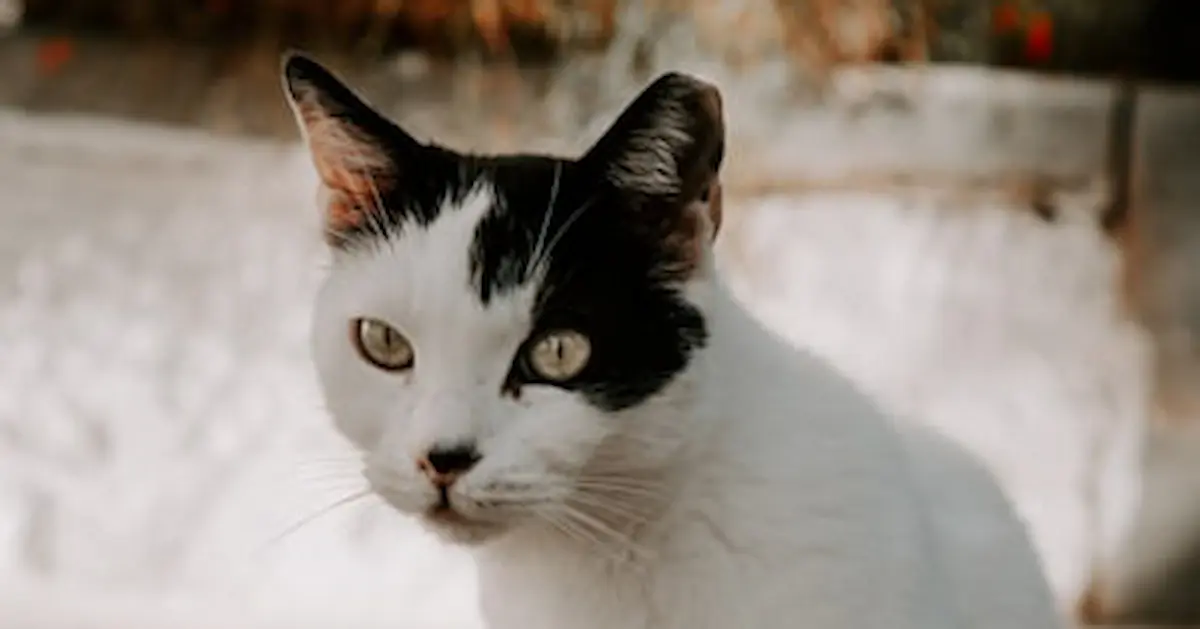
Picture this. You’re trying to read in peace, and a sleek little cat with eyes like sea glass hops onto your chest, looks you dead in the eye, and starts a soft, raspy conversation about her day. She follows you to the bathroom. She supervises your cooking from the counter. She would very much like to be involved in everything you do, forever.
That’s a Tonkinese cat. Friends call them “Tonks,” and once you’ve lived with one, you understand why people get a little obsessed.
Here’s the thing though. That bottomless need for company is exactly what makes some people fall in love and others quietly regret their choice. So before you start browsing kittens, let’s talk honestly about what you’re actually signing up for.
The Tonkinese at a Glance
| Origin | Canada and United States, mid-20th century |
| Weight (Male) | 8 to 12 lbs |
| Weight (Female) | 6 to 8 lbs |
| Lifespan | 12 to 16 years (many reach 18 to 20) |
| Coat | Short, silky, close-lying |
| Colors | Natural, champagne, blue, platinum (plus more, in point, mink, and solid patterns) |
| Energy Level | High |
| Grooming Needs | Low |
| Good With Kids | Yes |
| Good With Other Pets | Yes, including cat-friendly dogs |
| Average Price | $600 to $1,500 from breeders |
Where the Tonkinese Came From
The Tonkinese has one of the more tangled origin stories in the cat world, and it’s actually pretty fun.
The short version: this breed is the deliberate cross of a Siamese and a Burmese. The goal was a cat that landed in the middle, less extreme in body type than the modern Siamese, with a gentler voice but the same brains and affection both parents are known for.
Two breeders get the credit, and they were working separately. Margaret Conroy in Canada and Jane Barletta in the United States both crossed Siamese with Burmese during the 1960s, then teamed up to write the first breed standard. The Canadian Cat Association registered the breed in 1967, and the name shifted from its original spelling, “Tonkanese,” to “Tonkinese” a few years later.
Now for the fun part. Cats that looked a lot like today’s Tonk were showing up way earlier. Visitors brought “chocolate Siamese” cats to England back in the 1880s, and historians now think those were a mix of Burmese, Siamese, and what we’d recognize as Tonkinese. There’s even a strong argument that Wong Mau, the foundation cat of the entire Burmese breed in the 1930s, was secretly a Tonkinese all along. So in a sense, this “new” breed has been quietly around for over a century.
The Cat Fanciers’ Association granted championship recognition in 1984, and the Tonkinese is now recognized by registries across North America, Europe, and beyond.
What a Tonkinese Looks Like
A Tonk is built like an athlete who’s pretending to be a couch cat. They look slim and elegant, but pick one up and you’ll be surprised. They’re solid little tanks, noticeably heavier than they appear, with real muscle under that sleek coat.
The body type sits right between the parent breeds. Not as long and tubular as a show Siamese, not as round and stocky as an American Burmese. The head is a gently rounded wedge with a soft, blunt muzzle, almond-shaped eyes, and ears set a touch toward the sides. The paws are a distinctive oval shape.
The coat is short, close to the body, and has a gorgeous sheen that practically glows in sunlight. It feels like silk under your hand.
One thing that trips up new owners: kittens don’t show their final color right away. A Tonk’s coat keeps developing and darkening for up to a year and a half, sometimes longer. The pale fuzzy baby you brought home will deepen into a richer adult version of itself. So if the breeder’s photos look lighter than the cat in front of you, that’s completely normal.
The Three Coats and Eye Colors, Explained Simply
This is where most guides lose people, so let’s make it dead simple. A Tonkinese comes in one of three patterns, and the pattern tells you what eye color to expect. Choosing a kitten partly means choosing which of these three looks you want.
- Point: Lighter body with darker “points” on the face, ears, legs, and tail, just like a Siamese. These Tonks have blue eyes.
- Mink: The signature look. Medium, even body color with subtle points and that famous, jaw-dropping aqua (blue-green) eye color. When people picture “a Tonkinese,” this is usually it.
- Solid (also called sepia): The most uniform, deepest color overall, more like a Burmese. These cats have green to gold eyes.
On top of the pattern, you’ll see base colors with names like natural, champagne, blue, and platinum, and breeders list extras like chocolate, lilac, cream, and fawn too. The point you really need to remember is the pattern-and-eye combo, because that’s the visible decision you’re making.
And here’s a genuinely cool quirk: the Tonkinese coat is temperature-sensitive. The same gene that gives Siamese their dark points means cooler body areas grow darker fur. Cats living in chilly homes often develop a deeper coat over time. It’s harmless, it’s normal, and it’s a neat little science fact to impress your friends with.
What Living With a Tonkinese Is Really Like
If you want a cat that ignores you and judges you from across the room, keep scrolling. The Tonkinese is the opposite of aloof.
These cats are people-obsessed in the best and most demanding way. They want to be in your lap, on your keyboard, in the doorway watching you shower. Many learn to play fetch, follow you around like a small chatty dog, and greet you at the door. The “puppy-cat” nickname is earned.
They’re also talkers, but not in the way Siamese are. A Tonk’s voice is softer and sweeter, often described as a gentle, raspy little chirp rather than the loud, opinionated yowl of a Siamese. They’ll hold a back-and-forth “conversation” with you without rattling the windows.
And they are sharp. Like, hide-your-treats sharp. Tonks figure out cabinet latches, door handles, and exactly which countertop holds the good snacks. A bored Tonkinese is a destructive Tonkinese, so this is a brain you have to keep busy.
The flip side, and this matters: they do not handle loneliness well. A Tonk left alone for long stretches every day can get anxious, depressed, or downright naughty. This is the single most important thing to sit with before adopting.
Is a Tonkinese the Right Cat for You?
Honestly, this breed is not for everyone, and that’s okay. Let’s figure out which side you’re on.
A Tonkinese is a great fit if you:
- Work from home, are retired, or have a busy household with people around most of the day
- Want a cat that actively participates in your life instead of tolerating it
- Already have another friendly pet, or are open to adopting two Tonks together
- Enjoy interactive play and don’t mind a chatty companion
- Like the idea of a trainable, clever cat
You might want to reconsider if you:
- Are away from home 10+ hours a day with no other pets
- Want a quiet, independent cat that entertains itself
- Need calm and silence and would find a vocal cat stressful
- Travel constantly and can’t commit to daily engagement
Here’s a useful gut check. A lot of breeders will gently suggest you take home two Tonkinese kittens instead of one, precisely because they keep each other company. If your reaction to that is “two cats sounds wonderful,” you’re probably a Tonk person. If it’s “I can barely commit to one,” that’s worth listening to.
Tonkinese vs Siamese vs Burmese
Since the Tonk is a blend of two famous breeds, people constantly ask how it stacks up. Here’s the at-a-glance version.
| Trait | Tonkinese | Siamese | Burmese |
| Body | Medium, muscular, balanced | Long, slender, fine-boned | Compact, stocky, heavy |
| Voice | Soft, sweet, chatty | Loud and very opinionated | Quiet to moderate |
| Eyes | Blue, aqua, or green-gold | Always blue | Gold to yellow |
| Energy | High | High | Moderate to high |
| Vibe | Affectionate middle ground | Intense and dramatic | Mellow and devoted |
The simplest way to think about it: the Tonkinese gives you most of the Siamese personality with the volume turned down and the cuddliness turned up.
Health Issues Every Tonkinese Owner Should Know
The good news is that Tonks are generally a hardy, healthy breed. But “generally healthy” doesn’t mean “no risks,” so here’s what to keep on your radar.
Dental and gum disease. This is the big one. Tonkinese are prone to gingivitis and periodontal disease, where the gums get inflamed and the teeth suffer. Watch for bad breath, drooling, or trouble eating. Regular tooth brushing at home plus professional cleanings make a real difference here, so don’t skip them.
Hypertrophic cardiomyopathy (HCM). This is a heart condition where the heart muscle thickens, and the Tonkinese can carry a genetic tendency for it. Responsible breeders screen their breeding cats, and your vet can monitor your cat’s heart over time.
Amyloidosis. A rarer but serious condition where an abnormal protein builds up in the organs. Signs like sudden weight loss, low energy, and poor appetite warrant a vet visit. There’s no cure, but supportive care can help quality of life.
Crossed eyes and feline asthma. Some Tonks are born slightly cross-eyed, which is often cosmetic. Others can develop asthma, with wheezing or coughing, which is manageable with a vet’s help.
None of this should scare you off. It’s just the homework. Ask any breeder which conditions the parents were tested for, and budget for pet insurance early, before any pre-existing conditions appear.
Grooming and Everyday Care
If you’ve been intimidated by high-maintenance coats, relax. The Tonkinese is about as low-effort as grooming gets.
That short, silky coat doesn’t mat and doesn’t shed heavily. A quick once-a-week brush with a soft rubber or grooming mitt is plenty. It pulls out loose hair, keeps the sheen looking great, and honestly, your Tonk will treat it as bonus attention.
The rest is standard cat care that Tonks just happen to need on schedule. Trim the nails regularly. Brush those teeth, given the breed’s dental tendencies. And glance at the eyes and ears now and then for any redness or discharge. That’s the whole routine.
Feeding Your Tonkinese
Tonks are obligate carnivores, like all cats, so protein comes first. Look for a quality food with named meat (chicken, turkey, fish) high on the ingredient list.
A mix of wet and dry food works well for most. The wet food keeps them hydrated, and a bit of dry kibble can help with the dental health this breed cares about. If your cat has soft stools or sensitivities, your vet can help you fine-tune the balance.
One real risk worth flagging: these cats love food and love being indoors, and that combination plus their athletic build means they can pack on weight if you free-feed and skip playtime. Measure their meals, keep the play sessions going, and you’ll keep that lean, muscular shape intact.
Play, Exercise, and Keeping That Big Brain Busy
A Tonkinese needs a job, or at least the feline version of one. This is a high-energy, high-intelligence cat that gets into mischief when under-stimulated.
Set aside real interactive play every day. Wand toys, feather teasers, and fetch (yes, many Tonks fetch) burn off energy and satisfy that need to engage with you. Puzzle feeders are a fantastic trick: they make your cat work for food and exercise that clever brain at the same time.
Vertical space is huge for this breed. They are leapers and climbers who love a high perch. A tall cat tree or a few wall shelves give them somewhere to launch toward, which matters even more if you’re in a smaller home. A bored Tonk will find their own entertainment, and you may not love their choices.
Living With Kids, Dogs, and Other Cats
This is one of the breed’s strongest selling points. Tonks are social to their core, and that extends to the whole household.
With kids, they’re usually a wonderful match. Their playfulness and tolerance make them happy participants in gentle family chaos, though, as with any cat, teach children to handle them with respect.
With dogs, a cat-friendly pup is often a Tonk’s best buddy. That dog-like personality means they frequently bond fast with the family dog rather than hiding from it.
With other cats, they generally do great, especially with another playful, social cat. In fact, a second cat is one of the best gifts you can give a Tonkinese who’d otherwise be home alone. Do the standard slow introduction, and you’ll likely end up with a tangled pile of napping cats.
Lifespan and Caring for an Aging Tonk
You’ll see wildly different lifespan numbers online, anywhere from 10 to 20 years, so let’s clear that up. The realistic, well-supported range is 12 to 16 years, and Tonks are known for being long-lived. With great care, indoor living, and a bit of luck, plenty reach 18, 19, even 20. The lower numbers floating around tend to be outdated.
To stack the odds in your favor, keep them indoors, stay on top of dental care, feed them well, and don’t skip annual vet visits (twice a year once they’re seniors).
As your Tonk ages, watch for the usual senior shifts: changes in appetite, weight, energy, or litter box habits. Aging cats often appreciate easier access to their favorite perches, so a step or a lower cat tree helps. And the affection never fades. A senior Tonk is just as glued to you as the kitten was, which is honestly the best part.
How Much Does a Tonkinese Cost?
Let’s talk money, because there’s a wide spread.
From a reputable breeder, expect roughly $600 to $1,500 for a Tonkinese kitten. Show-quality kittens, rare colors, or champion bloodlines can push higher. Adopting through a shelter or rescue is far cheaper, often $50 to $150, and that fee usually covers spay/neuter, vaccines, and microchipping.
The kitten price is just the start, though. Plan for ongoing costs: quality food, litter, annual vet care, dental cleanings, and ideally pet insurance. A rough yearly estimate lands in the several-hundred-to-over-a-thousand-dollar range, more in years that need dental work or unexpected care.
Why the high breeder prices? A responsible breeder invests in health testing, vet care, and proper socialization before a kitten ever goes home. That upfront cost often saves you heartbreak and money later.
Where to Find a Tonkinese Ethically
Rescue first, always worth a look. Breed-specific rescues and shelters do sometimes have Tonks and Tonk mixes, and sites that let you search by breed are a good starting point.
If you go the breeder route, here’s what a good one looks like: they health-test the parents, let you see where the kittens are raised, keep kittens until at least 12 weeks, provide vaccination and pedigree records, and ask you plenty of questions in return. A breeder who cares where their kittens land is exactly who you want.
Red flags to walk away from:
- Kittens available year-round with no waitlist
- No health testing or vague answers about the parents
- Won’t let you visit or video-call to see the kittens’ living space
- Pressure to pay fast or buy from a parking lot or shipping-only arrangement
- Suspiciously low prices that seem too good to be true
One newer wrinkle worth knowing: some catteries now import “Thai Tonkinese” lines to widen the gene pool and color range. That can be a positive for genetic diversity, but the same rules apply. Ask about health testing and registration no matter where the lines come from.
Similar Breeds to Consider
Love the Tonk personality but want to compare? These are your closest cousins.
- Siamese: Same brains and chattiness, but louder, leaner, and more dramatic.
- Burmese: A bit mellower and stockier, equally devoted and people-focused.
- Balinese: A long-haired, elegant talker with a similar affectionate streak, often noted as friendlier to allergy sufferers.
- Snowshoe: Another Siamese-influenced charmer with a sweet, social nature and striking markings.
- Burmilla: A softer, easygoing cat with that same lovable, attention-loving temperament.
Common Myths and Misconceptions
Let’s clear up the stuff that gets repeated online.
Myth: Tonkinese are hypoallergenic. Nope. No cat truly is. Tonks shed less and have a short coat, so they may bother some allergy sufferers a little less, but they still produce the Fel d 1 protein that triggers reactions. If allergies are severe, spend time around the breed before committing.
Myth: The name means they’re from Vietnam. The name was changed to reference the Bay of Tonkin, but these cats have no real connection to that region. The breed was developed in North America.
Myth: They’re just fancy Siamese. They’re a distinct breed with their own body type, eye colors, voice, and temperament. Calling a Tonk a Siamese is like calling a Labradoodle a Poodle.
Myth: A Tonkinese is happy as a solo, home-alone cat. This is the one that can hurt a cat. Tonks genuinely struggle with long stretches of solitude. Plan for company, feline or human.
Frequently Asked Questions
Q: Are Tonkinese cats good for first-time owners?
Yes, with one condition. They’re easy to groom, friendly, and trainable, which suits beginners. The catch is they need daily attention, so a first-timer with a busy-but-present household will do great, while someone gone all day may struggle.
Q: Do Tonkinese cats meow a lot?
They’re talkative but not loud. Their voice is soft and sweet, more of a gentle chirp than the piercing yowl of a Siamese. Expect frequent little conversations rather than constant noise.
Q: How long do Tonkinese cats live?
The realistic range is 12 to 16 years, and many reach 18 to 20 with good care. Indoor living, dental care, and regular vet visits all help them hit the higher end.
Q: Are Tonkinese cats expensive?
From a breeder, yes, typically $600 to $1,500. Adoption is far cheaper at around $50 to $150. Remember to budget for ongoing care, especially dental work and insurance.
Q: Can Tonkinese cats be left alone?
Not for long stretches. They’re highly social and prone to loneliness, anxiety, and mischief when isolated. A second pet or a household with people around most of the day is ideal.
Q: Do Tonkinese cats get along with dogs?
Usually very well. Their dog-like, social personality means they often bond quickly with cat-friendly dogs rather than avoiding them. Slow, supervised introductions still apply.
Q: Why do Tonkinese coats change color?
Their coat is temperature-sensitive, thanks to the same gene that creates Siamese points. Cooler body areas and cooler homes lead to darker fur. Kittens also darken naturally as they mature, up to about 16 months.
Q: Are Tonkinese cats hypoallergenic?
No. No cat breed is truly hypoallergenic. Tonks shed less and may trigger milder reactions in some people, but they still produce the Fel d 1 allergen found in all cats.
The Final Verdict: Should You Get a Tonkinese?
If you want a cat that’s basically a small, clever, talkative best friend who wants to be part of everything, the Tonkinese is hard to beat. They’re affectionate, easy to groom, great with kids and other pets, and built to live a long, healthy life.
But be honest with yourself about the one big trade-off. This is a cat that needs your presence. Give a Tonkinese company, play, and attention, and you’ll have one of the most rewarding feline relationships of your life. Leave one alone all day, and both of you will be miserable.
Get the fit right, and trust me, you won’t just own a Tonkinese cat. You’ll be thoroughly, happily owned by one.

Hello and welcome to The Ideal Cat!
We are some passionate cat owners from different professions. We love our cats and have a lot of experience in how to care for our pets. We are incredibly excited to share our knowledge, experience, and research with you. So you can take good care of your loving cat. We will answer most of the common questions about owning cats, taking care of them, etc. If you have any question contact with us. Thanks for visiting! Enjoy the content.
