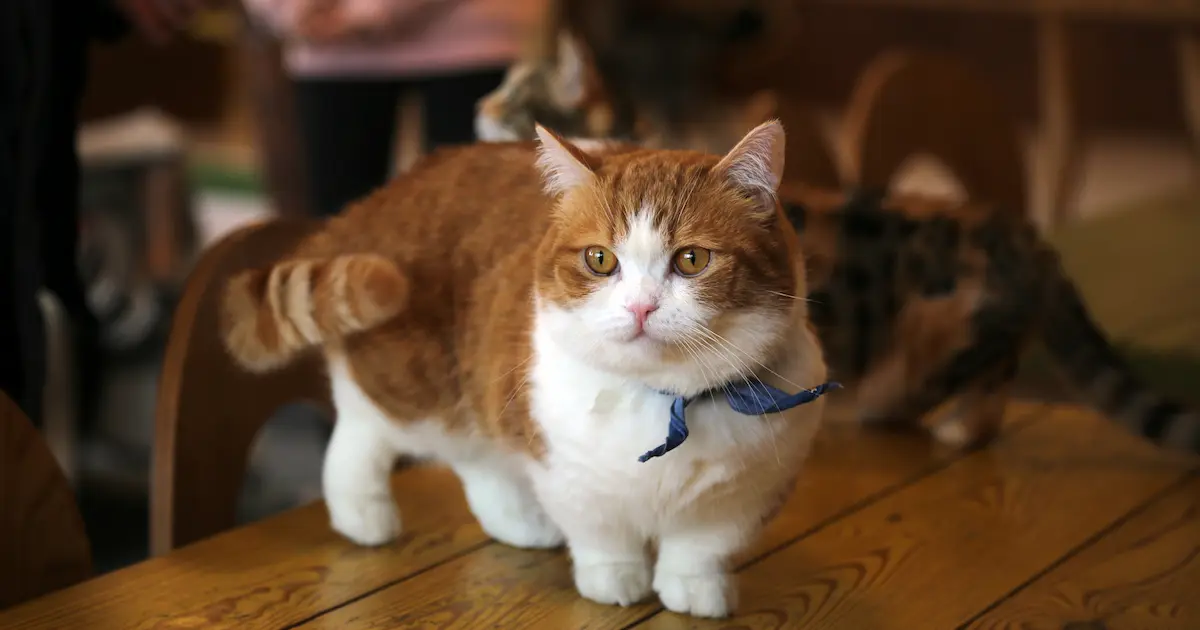
Picture this. You’re sitting on the couch with a coffee, and a small cat comes barreling across the living room floor like a furry little torpedo. It hits the corner, drops low, and somehow takes the turn faster than a cat with normal legs ever could. That’s a Munchkin cat for you. Short legs, zero chill, and a personality that fills the whole room.
People fall for Munchkins fast. The big eyes, the stubby legs, the way they sit up like a meerkat to get a better look at you. But here’s the thing: this is also one of the most debated cat breeds in the world, and you deserve the full story before you fall in love.
So let’s talk about it like two cat people would. The good, the genuinely tricky, and everything in between.
| Origin | United States, 1980s (mutation seen as early as the 1940s) |
| Weight (Male) | 6 to 9 lbs |
| Weight (Female) | 5 to 8 lbs |
| Lifespan | 12 to 15 years |
| Coat | Short or long, soft and easy to manage |
| Colors | Every color and pattern you can think of |
| Energy Level | High |
| Grooming Needs | Low to Moderate |
| Good With Kids | Yes |
| Good With Other Pets | Yes |
| Average Price | $1,000 to $2,000 from breeders |
Where Munchkin Cats Came From
The short legs aren’t new. Cats with this body type have popped up on their own for almost a century. A British vet wrote about a line of healthy short-legged cats back in the 1940s, and similar cats turned up in Russia and parts of the US in the decades after. So nature made the Munchkin long before any breeder did.
The breed as we know it traces back to one cat in Louisiana in the early 1980s. A music teacher took in a pregnant stray she named Blackberry, and about half of Blackberry’s kittens had the same stubby legs. Those kittens became the foundation of today’s Munchkin.
The name is a fun one. It comes straight from the little Munchkin characters in The Wizard of Oz. Honestly, once you see one trotting across the floor, the name fits perfectly.
Here’s where it gets interesting. The Munchkin gained recognition from The International Cat Association (TICA) in the 1990s, but several major registries refused to recognize it at all. The Cat Fanciers’ Association, the Fédération Internationale Féline, and the UK’s Governing Council of the Cat Fancy all kept it off their books over welfare concerns. We’ll get into that, because it matters.
What a Munchkin Cat Actually Looks Like
The legs are the headline, obviously. They’re noticeably shorter than a typical cat’s, with the back legs often a touch longer than the front ones. That gives the body a gentle slope from shoulder to hip and that low-rider, sausage-cat silhouette people adore. Yes, “sausage cat” and “wiener cat” are real nicknames, and yes, they earned them.
Apart from the legs, a Munchkin looks like a regular cat. Small to medium sized, usually 5 to 9 pounds, with a rounded wedge-shaped head, walnut-shaped eyes, and ears that sit proportionate to the face. Males tend to run a little bigger than females.
The coat comes in two types. Shorthaired Munchkins have a plush, springy coat. Longhaired ones get a soft, silky coat that’s still surprisingly low-maintenance. Either way, you’ll find them in basically every color and pattern out there, from solid black to calico to pointed.
One thing worth knowing: not every Munchkin kitten gets the short legs. Because of how the gene works, some kittens in a litter come out with normal-length legs. Breeders call these “non-standard” Munchkins. They carry the same lovely personality, just with regular legs, and they’re often the healthiest cats in the litter. More on that genetics quirk in a minute.
The Munchkin Personality: What Living With One Is Really Like
If you want a cat that ignores you and judges you from across the room, this is not your breed. Munchkins are clingy in the best way. They want to be wherever you are, helping with whatever you’re doing, which usually means sitting directly on it.
They’re playful well past kittenhood. Most cats mellow out around age two. Munchkins seem to skip that memo and stay goofy and bouncy for years. They love chase games, they love toys, and they’re famous little hoarders. Don’t be shocked when you find your hair ties, bottle caps, and one random sock stashed under the bed.
They’re smart, too. You can teach them tricks, train them to a harness, and most pick up litter habits with no fuss. They’re also chatty, though usually not in the loud, demanding way a Siamese is. It’s more like running commentary on their day.
The big one: they’re social. Munchkins generally do great with kids, dogs, and other cats. They’re not delicate wallflowers. They’re confident little characters who assume everyone is a friend until proven otherwise.
The Honest Bit: The Welfare Debate Around Munchkin Cats
This is the section most breed sites skip or rush past. We’re not going to do that, because if you’re considering a Munchkin, you should hear both sides and decide for yourself.
Those short legs come from a genetic mutation that affects bone growth. Fans of the breed point out that Munchkins run, play, and live full lives, and that conditions linked to the breed can show up in regular cats too. Plenty of owners will tell you their Munchkin is happy, active, and healthy.
The other side is just as real. Many vets and welfare groups argue that deliberately breeding for a body deformity is a problem, full stop. Their worry is that short limbs put extra stress on the joints and spine, which can mean earlier arthritis and less freedom to do normal cat things like jumping and climbing. That’s a big part of why several major cat registries won’t recognize the breed, and why breeding dwarf cats is actually restricted or banned in some countries.
Here’s our honest take. The Munchkin is a wonderful companion, and the cats already here deserve all the love in the world. At the same time, this is a breed where ethical sourcing genuinely matters, and where adoption is worth a hard look. You can adore the breed and still think carefully about the welfare side. Both can be true.
Is a Munchkin Cat Right for You?
Let’s make this practical. A Munchkin is probably a great fit if:
- You’re home a fair bit, or you have another pet for company. These cats hate being lonely.
- You want an affectionate, hands-on cat that’s involved in your day.
- You’re happy to cat-proof your home a little so short legs can get around safely.
- You’re committed to keeping your cat lean to protect those joints for life.
It might not be the right pick if:
- You travel constantly or work very long days with nobody home.
- You want a low-interaction, independent cat.
- You feel uneasy about the welfare debate (a totally valid reason to choose another breed or adopt a mixed-breed shortie).
If you read that and thought “yep, that’s me,” keep going. The next sections are the ones that’ll actually make you a great Munchkin owner.
Munchkin Cat Health Issues You Should Know About
Most Munchkins are healthy and active. But the breed does carry a few specific risks, and knowing them early makes you a better advocate for your cat.
Lordosis
This is an excessive inward curve of the spine. Mild cases may cause no obvious trouble, but more serious cases can press on the chest cavity and affect the heart and lungs. It’s present from birth and ranges widely in severity, which is one reason good breeders screen for it.
Pectus excavatum
This is a hollowed or sunken chest, caused by the breastbone and ribs not forming quite right. Mild cases often go unnoticed. Moderate to severe ones can affect breathing and heart function, and may need surgery. It’s usually spotted early in a kitten’s life.
Osteoarthritis and joint stress
This is the one to watch long term. Shorter limbs can put more load on the joints, so some Munchkins develop arthritis earlier than other cats. The good news is you have real influence here. Keeping your cat at a healthy weight is the single biggest thing you can do to protect their joints.
How to spot joint pain early at home: cats hide pain well, so watch for the quiet signs. A cat that used to hop onto the couch but now hauls itself up with the front legs. Hesitating before stairs. Grooming less, especially the back half. More hiding, less play, or grumpiness when touched in certain spots. Litter box accidents because climbing in hurts. If you notice any of these, book a vet visit. Caught early, joint issues are very manageable.
Setting Up Your Home for Short Legs
Here’s the section nobody seems to write, and it’s the most useful one. A few small tweaks make a Munchkin’s life so much easier and safer.
- Add ramps and steps. A pet ramp or a low set of pet stairs up to the couch or bed saves your cat from straining to jump. It also takes pressure off those joints over the years.
- Choose a low-entry litter box. A box with a low cut-out side means your cat isn’t clambering over a tall wall every time. Older Munchkins especially appreciate this.
- Keep favorite spots reachable. Cats love height, and Munchkins are no exception. Use cat trees with closely spaced platforms or wall shelves with gentle steps, not one giant leap.
- Raise food and water slightly. A shallow, slightly elevated bowl can be more comfortable than crouching all the way down.
- Mind the high-up dangers. Because they can’t always control a long fall the way a long-legged cat can, keep balconies and high open windows secured.
None of this is expensive or complicated. It’s just thinking about the world from about six inches off the ground.
Grooming and Care
Good news here. Munchkins are easy to groom. A quick brush once or twice a week keeps shedding down and the coat healthy, and longhaired ones don’t need much more than that. They don’t shed more than your average cat.
There’s one short-leg wrinkle, though. Because they have limited reach, some Munchkins struggle to groom their own back end thoroughly, especially as they age. So keep an eye on spots they might miss and give those areas a gentle brush. The usual basics apply too: trim nails regularly, brush teeth when you can, and check ears now and then.
Feeding Your Munchkin
Munchkins don’t have special dietary needs, but weight management is everything for this breed. Every extra ounce is extra strain on joints that are already working harder than most. So this is one cat where you really want to nail portions.
Go for a quality, protein-rich food, measure meals instead of free-feeding, and keep treats to a small fraction of the daily total. A mix of wet and dry works well for most cats, and wet food helps with hydration. If you’re not sure what a healthy weight looks like, your vet can show you how to feel for the ribs and waistline.
One more tip: use food puzzles and slow feeders. They keep mealtime interesting, slow down fast eaters, and give that busy Munchkin brain something to do.
Exercise and Play
Munchkins are little engines. They need daily play to stay happy and to keep their muscles strong, which actually supports those joints. Aim for a couple of short, fun sessions a day.
Wand toys, balls, and treat puzzles are perfect because they keep play down at floor level, where a Munchkin shines. They’re brilliant at the low chase-and-pounce game. What you want to avoid is encouraging big, repeated leaps from high surfaces, since the landings can be hard on their build. Think speed and agility, not altitude.
Munchkins With Kids, Dogs, and Other Cats
This is one of the breed’s real strengths. Munchkins are sociable and tough-spirited, so they usually slot into a busy household nicely.
With kids, they’re playful and patient, though as with any cat, teach little ones to be gentle and to let the cat have escape spots. With dogs, many Munchkins are totally unbothered and will happily boss around a Labrador three times their size. With other cats, a slow, proper introduction sets everyone up for friendship. Honestly, a second pet can be a gift, since it gives your Munchkin company on days you’re out.
Lifespan and Caring for an Aging Munchkin
Munchkins typically live 12 to 15 years, right in line with cats in general. With good care, plenty make it to the upper end of that range.
As they age, the joint conversation comes back into focus. Senior Munchkins benefit hugely from the home setup we talked about: ramps, low litter boxes, soft warm resting spots, and easy access to everything they need. Many vets suggest starting a joint supplement earlier rather than later for this breed, so ask yours about it. Keep up regular checkups, watch for those subtle pain signs, and your older Munchkin can stay comfy and playful for a long time.
How Much Does a Munchkin Cat Cost?
Let’s talk numbers. From a breeder, a Munchkin usually runs $1,000 to $2,000. Show-quality kittens, rare colors, or sought-after looks can climb to $3,500 or more. If you adopt, fees are far lower, often somewhere between about $40 and $300, though purebred Munchkins are uncommon in shelters.
The sticker price is just the start, though. Budget for the first-year setup (vet visits, vaccinations, neutering, supplies) plus ongoing monthly costs for food, litter, and care. Because of the joint risks, pet insurance is genuinely worth considering for this breed. A surprise treatment can cost more than the cat did.
One red flag on price: a Munchkin offered suspiciously cheap, with no paperwork and a seller eager to meet in a parking lot, often points to careless breeding. With this breed especially, a bargain can turn into big vet bills.
Where to Find a Munchkin Ethically
If you go the breeder route, choose carefully. A responsible breeder will happily show you the cattery, let you meet the parents, and talk openly about health screening for spinal and chest issues. They’ll give you vet records, won’t send kittens home too young, and will ask you plenty of questions in return. They also never breed two Munchkins together, for reasons we’re about to explain.
Walk away if a breeder dodges health questions, pushes “rug hugger” cats with extremely tiny legs, has many litters always available, or treats the cats like stock rather than animals.
And please don’t overlook rescue. Munchkins and Munchkin mixes do turn up in shelters and breed-specific rescues. Adopting gives a lovely cat a second chance, costs far less, and sidesteps the welfare worries tied to breeding entirely.
Similar Breeds to Consider
Love the Munchkin look or personality but want options? Here are a few:
- Minuet (Napoleon): a Munchkin crossed with Persian lines, for a rounder, fluffier short-legged cat.
- Bambino: a Munchkin crossed with the hairless Sphynx, if you want short legs and bare skin.
- Scottish Fold: not short-legged, but similar sweet, round-faced charm (and its own welfare debate, so research it too).
- British Shorthair: a chunky, calm, easygoing cat if you want cuddly without the leg controversy.
- Domestic shorthair rescue: all the personality, none of the breeding concerns, and a cat that truly needs you.
Common Myths and Misconceptions
Myth: Munchkins can’t jump. They can. They just won’t clear the same heights as a long-legged cat. They hop onto couches and low furniture just fine, and they’re shockingly fast at ground level.
Myth: They’re always sick. Not true. Many Munchkins live long, active, happy lives. The breed has specific risks to manage, but “constantly ill” is an exaggeration.
Myth: They’re a recent designer invention. The short-leg mutation has shown up naturally for decades, long before anyone bred for it. Humans named and developed the breed, but they didn’t invent the legs.
Myth: You can breed two Munchkins for more short-legged kittens. You really shouldn’t, and here’s the simple genetics. The short-leg gene is dominant but lethal when a kitten inherits two copies. Pair two Munchkins and a portion of embryos won’t survive. That’s why responsible breeders always pair a Munchkin with a normal-legged cat, which is also why some kittens come out non-standard with regular legs.
Frequently Asked Questions About Munchkin Cats
Q: Are Munchkin cats in pain?
Most Munchkins are not in pain and live active lives. That said, their build can lead to earlier joint issues like arthritis in some cats, so watching for subtle signs of discomfort and keeping them lean really matters.
Q: How long do Munchkin cats live?
They typically live 12 to 15 years, similar to cats in general. Good weight management, regular vet care, and a home set up for short legs all help them reach the upper end.
Q: Can Munchkin cats climb stairs?
Yes, most handle stairs just fine, though steep or very tall staircases can be trickier for them. If yours struggles, a ramp or pet steps makes life easier.
Q: Are Munchkin cats good for apartments?
They’re a great apartment match. They’re playful but happy in smaller spaces, and they bond closely with their people, which suits indoor living well.
Q: Why are Munchkin cats controversial?
Their short legs come from a genetic mutation, and many vets and registries object to breeding for a body deformity over welfare concerns. Several major cat associations don’t recognize the breed for this reason.
Q: How much does a Munchkin cat cost?
Breeder prices usually run $1,000 to $2,000, with rare or show-quality kittens reaching $3,500 or more. Adoption is far cheaper, typically around $40 to $300 when you can find one.
Q: Do Munchkin cats get along with other pets?
Generally yes. They’re confident and social, and they tend to do well with dogs and other cats when introductions are done gradually and calmly.
Q: Are Munchkin cats recognized by cat associations?
TICA recognizes the breed, but the Cat Fanciers’ Association, FIFe, and the UK’s GCCF do not, citing welfare concerns about the dwarfing mutation.
Final Verdict: Should You Get a Munchkin?
Here’s the honest wrap-up. A Munchkin cat is affectionate, hilarious, smart, and endlessly entertaining. If you want a cat that stays playful for life and genuinely wants to be your shadow, few breeds deliver like this one.
But going in with open eyes is the kindest thing you can do. Understand the joint risks, commit to keeping your cat lean, set your home up for short legs, and source your cat thoughtfully, whether that’s a careful breeder or a rescue. And if the welfare debate sits uneasily with you, that feeling is worth listening to.
Do all that, and a Munchkin cat will reward you with years of low-to-the-ground zoomies, meerkat poses, and a little stash of stolen socks you’ll somehow find adorable. Trust me, you won’t look at a regular cat’s legs the same way again.

Hello and welcome to The Ideal Cat!
We are some passionate cat owners from different professions. We love our cats and have a lot of experience in how to care for our pets. We are incredibly excited to share our knowledge, experience, and research with you. So you can take good care of your loving cat. We will answer most of the common questions about owning cats, taking care of them, etc. If you have any question contact with us. Thanks for visiting! Enjoy the content.
