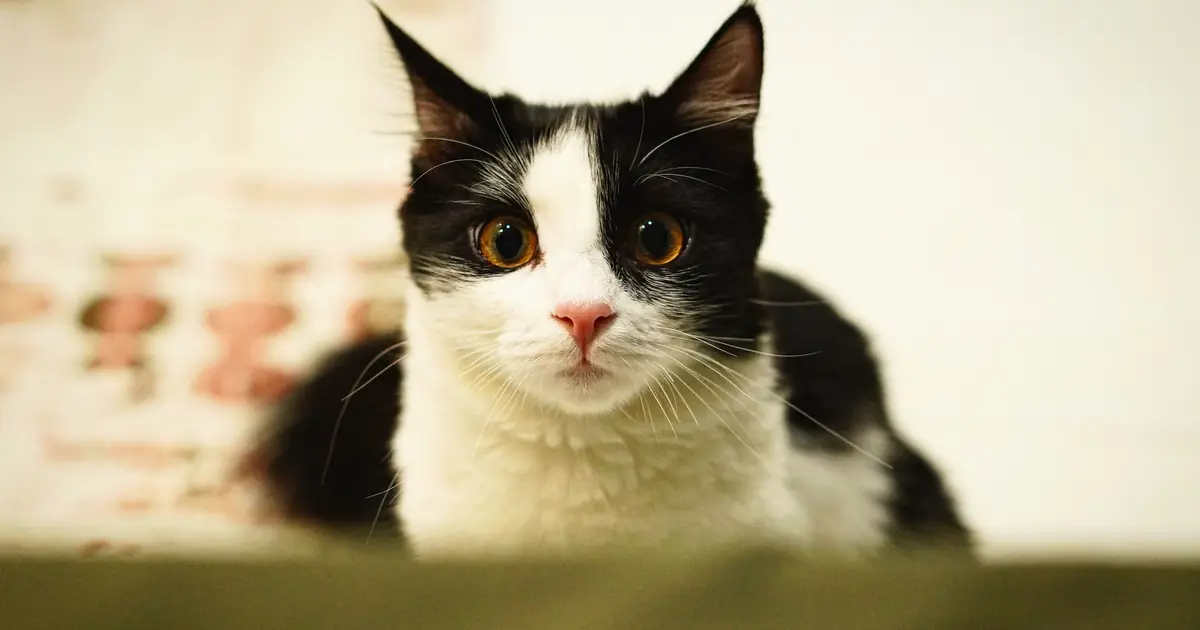
Picture a Persian kitten that never quite grows up. Same round teddy-bear face, same big soft eyes, same plush coat. Now put it on a pair of adorably short legs and let it trot across your kitchen floor like a fuzzy little ottoman with a motor.
That’s the Minuet cat. You might know it by its old name, the Napoleon.
It’s one of the cutest cats most people have never heard of. And behind that face there’s a real animal with real needs, a designer-breed price tag, and a couple of health questions worth asking before you fall in love. Let’s walk through all of it.
🐱 Quick Answer: The Minuet cat, formerly called the Napoleon, is a small-to-medium breed created in 1996 by crossing Munchkins with the Persian group. Minuets weigh about 5 to 9 pounds, live 12 to 15 years, and have a Persian-like round face often paired with short Munchkin legs. They’re sweet, social, and playful but mellow, which makes them great family cats.
Minuet Cat Breed Stats at a Glance
Here’s the quick snapshot before we get into the details. The Minuet (Napoleon) is a small, affectionate, low-jumping companion cat that suits families and quieter homes alike.
| Origin | United States, 1996 (created by Joe Smith) |
| Weight (Male) | About 6 to 9 pounds |
| Weight (Female) | About 5 to 8 pounds |
| Lifespan | 12 to 15 years (often 15+ with good care) |
| Coat | Short or long, both plush and dense |
| Colors | Any color and pattern |
| Energy Level | Moderate: playful but mellow |
| Grooming Needs | Low for short coat, high (daily) for long coat |
| Good With Kids | Yes, very |
| Good With Other Pets | Yes, including cat-friendly dogs |
| Average Price | $1,000 to $2,500 (sometimes more) |
What Is a Minuet Cat? (And Is It the Same as the Napoleon Cat?)
Yes, the Minuet cat and the Napoleon cat are the exact same breed. The Napoleon was renamed Minuet by The International Cat Association (TICA) in January 2015. So if you’ve been searching for a Napoleon cat, you’ve been looking at Minuets the whole time.
The Minuet is a hybrid breed that combines the Munchkin and the Persian group. From the Munchkin it gets the famous short legs. From the Persian (and its relatives, the Himalayan and Exotic Shorthair) it gets the round head, big round eyes, sweet expression, and that thick, plush coat.
The result reads like a permanent kitten. People often call it a “teddy bear cat,” and honestly, that’s fair.
History and Origin: From Napoleon to Minuet
The Minuet started in 1996 with an American breeder named Joe Smith. He’d previously bred Basset Hounds, so the idea of a short-legged, long-bodied animal wasn’t new to him. When he saw a newspaper photo of short-legged Munchkin cats, he wanted to pair that look with the round, doll-like face of the Persian.
Smith bought his first Munchkin kitten in February 1996, and the early litters arrived in the late 1990s. He named the breed the Napoleon, after the French emperor known for his short stature.
Why the name changed to Minuet
In January 2015, TICA’s board voted to rename the Napoleon to the Minuet. A minuet is a small, graceful dance, which suits a petite, charming cat better than a military reference. The breed reached full TICA championship status in 2016.
One thing to know upfront: TICA recognizes the Minuet, but the Cat Fanciers’ Association (CFA) and most other major registries do not. That’s common for newer hybrid breeds, and it’s worth keeping in mind if showing your cat matters to you.
What Does a Minuet Cat Look Like?
A Minuet cat looks like a round-faced Persian shrunk down and set on short legs. It has a broad head, full cheeks, large expressive eyes, small rounded ears, and a sturdy little body that feels heavier than it looks.
Despite the short legs, a good Minuet isn’t fragile or skinny. The breed standard calls for a substantial, medium-boned body. Think solid and squishy, not delicate.
Do Minuet cats have short legs?
Not always, and this surprises people. The short legs come from the Munchkin gene, which is a dominant gene that can’t be doubled up safely. Because of that genetics, every Minuet litter can include both short-legged kittens and standard-leg kittens.
Standard-leg Minuets are still purebred Minuets. They have the same sweet face and personality, just with normal-length legs. Breeders actually need these standard-leg cats to keep the breed healthy, so they’re a normal and valued part of the line.
Long coat vs short coat
Minuets come in two coat lengths, and the difference matters a lot for grooming.
- Shorthair Minuet: A dense, plush, easy-care coat that needs only weekly brushing.
- Longhair Minuet: A flowing, Persian-style coat that needs daily brushing to prevent mats.
Both coats come in every color and pattern you can imagine, from solid white to tabby to colorpoint.
Kitten vs adult
Here’s the charming part. Because the Persian face stays round and soft into adulthood, Minuets keep that “perpetual kitten” look their whole lives. A 10-year-old Minuet can still look like a baby.
Minuet Cat Personality and Temperament
Minuet cats are sweet, social, and people-focused, blending the calm gentleness of the Persian with the playful curiosity of the Munchkin. They’re affectionate without being needy, and playful without being wild.
This is a cat that wants to be in the room with you. Not necessarily on you every second, but nearby, supervising, occasionally trotting over to see what you’re doing.
A few things you’ll notice living with one:
- They bond hard with their people and don’t love being left alone all day.
- They stay playful into adulthood and enjoy chasing toys and small games.
- They tend to get along with kids, dogs, and other cats.
- They’re curious and a little goofy, but rarely hyper or destructive.
The short version: a Minuet is the kind of cat that follows you from room to room and then flops down with a sigh while you work. Good company. Low drama.
Is the Minuet Cat Right for You?
The Minuet suits homes that want an affectionate, low-key companion and don’t mind the upkeep of a designer breed. It’s a great fit for families, retirees, and anyone who’s home a fair amount. It’s a poor fit if you want an independent cat who’s fine alone all day.
Here’s an honest breakdown of who this breed is and isn’t for.
| Great fit if you… | Maybe not if you… |
|---|---|
| Want a cuddly, social companion | Travel constantly or work very long hours |
| Have kids or other gentle pets | Want a hands-off, aloof cat |
| Are home often during the day | Want a budget cat (these aren’t cheap) |
| Can budget for vet care and screening | Can’t commit to daily grooming for a longhair |
Are Minuet Cats Healthy? Common Health Issues
Minuet cats are generally healthy and many live 15 years or more, but they can inherit a few specific conditions from their Munchkin and Persian parents. Responsible breeders screen for these, and good screening makes a real difference.
This is the part where I get a little serious, because cute breeds deserve careful buyers. Here’s what to watch for.
Conditions linked to the Munchkin (short-leg) side
- Lordosis: An excessive inward curve of the spine. Mild cases may cause no problems; severe cases can affect organs.
- Pectus excavatum: A sunken or caved-in chest that can affect breathing in serious cases.
- Osteoarthritis: The short-leg gene affects cartilage in the joints, which can raise the risk of joint wear over time.
Conditions linked to the Persian side
- Polycystic kidney disease (PKD): An inherited disease that forms cysts in the kidneys. A simple DNA test can tell breeders whether a parent carries it, which is why PKD testing is a must.
- Brachycephalic issues: Very flat-faced cats can have breathing trouble, runny or irritated eyes, and dental crowding. The good news: many breeders favor the moderate “doll-face” look, which has a longer nose and fewer of these problems.
The smartest move is to buy from a breeder who tests parents for PKD and breeds for a moderate face, not an extreme flat one. A healthy face beats a cute photo every time.
This article is educational, not a substitute for veterinary advice. If your Minuet shows labored breathing, trouble walking, or signs of pain, see your vet right away.
Minuet Cat Grooming and Care
Grooming a Minuet depends entirely on coat length. A shorthair Minuet needs a quick weekly brush, while a longhair Minuet needs daily brushing to stay mat-free.
Coat care by length
- Shorthair: Brush once or twice a week to control shedding. Easy.
- Longhair: Brush every day. That Persian-style coat tangles fast, especially behind the ears and under the legs.
For longhair Minuets, a good slicker brush makes daily sessions quick and keeps mats from forming in the first place.
Slicker brush for long-coated cats
A slicker brush with fine bent bristles glides through a Persian-style coat and pulls out loose undercoat before it tangles. It’s the single most useful tool for a longhair Minuet, and short daily sessions beat one painful detangling marathon.
The rest of the routine
- Eyes: Flatter-faced Minuets may tear up. Wipe gently with a damp cloth to prevent staining.
- Ears: Check weekly and clean if you see wax buildup.
- Teeth: Brush a few times a week. Brachycephalic cats are prone to dental crowding.
- Nails: Trim every couple of weeks.
Feeding and Diet for a Minuet Cat
Feed a Minuet a high-quality, protein-rich cat food and watch the portions closely, because short legs and extra weight are a bad combination. Like all cats, Minuets are obligate carnivores and do best on animal-based protein.
Weight control matters more here than for the average cat. Carrying extra pounds puts more strain on those small joints, which can speed up arthritis. Measure meals, go easy on treats, and skip the free-feeding if your cat tends to chunk up.
Fresh water always, and a vet check on body condition once or twice a year keeps things honest.
Exercise and Enrichment (Yes, Even Short-Legged Cats Play)
Minuet cats love to play, but they’re floor-level athletes rather than high jumpers. Keep enrichment low and accessible, since short legs make tall leaps harder and riskier.
They can still climb and jump some, but they appreciate a little help. A few ideas that work well:
- Wand toys and ground-level chase games.
- Puzzle feeders that make them work for a snack.
- Low cat trees, ramps, or steps up to favorite perches.
- Soft landing spots near beds and windowsills.
Twenty minutes of play a day keeps a Minuet happy and trim. And watching one chase a feather on those little legs is, frankly, top-tier entertainment.
Living With Kids, Dogs, and Other Cats
Minuet cats are friendly and adaptable, which makes them one of the better breeds for busy households with kids and other pets. Their easygoing nature means they usually take chaos in stride.
- Kids: Gentle and tolerant. Teach children to support the cat’s body and respect nap time.
- Dogs: Fine with calm, cat-friendly dogs after slow introductions.
- Other cats: Social and rarely territorial. Many Minuets enjoy a feline companion.
Because Minuets hate being alone, a second pet can actually be a gift if you’re out of the house a lot.
Minuet Cat Lifespan and Aging Tips
Minuet cats live about 12 to 15 years, and many reach 15 or more with attentive care. Their lifespan lines up with most well-bred companion cats.
To help your Minuet age well:
- Keep weight in check to protect the joints.
- Stay current on vet visits, twice a year for seniors.
- Watch for early kidney signs (drinking more, peeing more) given the Persian PKD link.
- Add ramps and low-sided litter boxes as they slow down.
How Much Does a Minuet Cat Cost?
A Minuet cat usually costs between $1,000 and $2,500 from a reputable breeder, with rarer colors and patterns sometimes pushing prices over $3,000. Pet-quality kittens may start around $500 to $800, while show-quality cats cost the most.
The price reflects how few breeders there are and how much careful (and expensive) health screening goes into a good litter.
| Cost item | Typical range |
|---|---|
| Pet-quality kitten | $500 to $1,000 |
| Standard kitten from a tested line | $1,000 to $2,500 |
| Rare color or show quality | $2,500 to $3,000+ |
| First-year supplies and vet care | $500 to $1,000 |
Don’t forget the ongoing costs: food, litter, grooming for longhairs, and the vet care any cat needs over 15 years. The kitten price is just the start.
Where to Find a Minuet Cat Ethically
Buy a Minuet only from a registered TICA breeder who DNA-tests parent cats for PKD and breeds for a moderate, healthy face. Avoid anyone who can’t show health paperwork or who always has kittens ready to ship.
Questions worth asking a breeder:
- Are the parents PKD-tested? Can I see the results?
- Do you breed doll-face (moderate) or flat-face cats?
- Can I meet the kitten and a parent in person?
- What health guarantee do you offer?
And yes, you can sometimes adopt. Breed-specific and Munchkin or Persian rescues occasionally have Minuets or close mixes. It’s rare, but worth a look before you buy.
Cats Similar to the Minuet
If you love the Minuet but want to compare your options, these breeds share its short legs, flat face, or sweet personality.
| Breed | How it compares to the Minuet |
|---|---|
| Munchkin | The short-legged parent. Same low body, but a normal cat face and more energy. |
| Persian | The flat-faced parent. Same round face and plush coat, but full-length legs and a calmer pace. |
| Exotic Shorthair | A Persian face on a short, easy-care coat. Mellow and sweet, with normal legs. |
| Bambino | A hairless, short-legged breed (Munchkin x Sphynx). Similar build, very different coat (none). |
Common Myths and Misconceptions About Minuet Cats
Short-legged breeds attract a lot of opinions, some right and some not. Let’s clear up the big ones.
Myth: Short legs always mean the cat is in pain
Short legs alone do not mean a Minuet is suffering. The short-leg trait affects mobility for very tall jumps, not everyday comfort. Many short-legged cats run, play, and live full, happy lives. The real concern is whether other conditions like severe lordosis or arthritis are present, which is why screening matters.
Myth: The Napoleon is a different breed from the Minuet
The Napoleon and the Minuet are the same breed under different names. TICA simply renamed it in 2015. If a seller insists they’re selling a “rare Napoleon” that’s different from a Minuet, that’s a red flag.
Myth: Every Minuet has short legs
Plenty of purebred Minuets have standard-length legs. The short-leg gene doesn’t pass to every kitten, so standard-leg Minuets are completely normal and just as much a part of the breed.
Myth: Minuet cats are hypoallergenic
Minuet cats are not hypoallergenic. They shed and produce the usual cat allergens, and the longhair version sheds plenty. No cat is truly allergy-free.
Frequently Asked Questions About Minuet Cats
Q: Is the Minuet the same as the Napoleon cat?
Yes. The Minuet and the Napoleon are the same breed. TICA renamed the Napoleon to Minuet in January 2015. Any cat still sold as a “Napoleon” is simply using the old name.
Q: Are Minuet cats healthy?
Minuet cats are generally healthy and often live 12 to 15 years or more. They can inherit conditions like PKD from the Persian side and lordosis or joint issues from the Munchkin side, so buying from a breeder who screens parents is the best way to get a healthy kitten.
Q: How much is a Minuet cat?
A Minuet cat typically costs $1,000 to $2,500 from a reputable breeder. Pet-quality kittens may start around $500 to $800, while rare colors or show-quality cats can top $3,000.
Q: Do Minuet cats have short legs?
Many do, but not all. The short legs come from the Munchkin gene, which doesn’t pass to every kitten. A single Minuet litter can include both short-legged and standard-leg kittens, and both are purebred Minuets.
Q: Are Minuet cats hypoallergenic?
No. Minuet cats are not hypoallergenic. They shed and produce normal cat allergens, and longhair Minuets shed quite a bit. No cat breed is fully allergy-free.
Q: How big do Minuet cats get?
Minuet cats are small to medium, weighing about 5 to 9 pounds. They look smaller than they are because of their short legs, but the breed standard calls for a substantial, medium-boned body.
Q: Are Minuet cats good with kids and dogs?
Yes. Minuet cats are friendly, gentle, and adaptable, which makes them a good match for families with children and cat-friendly dogs. Slow introductions and supervised play help everyone get along.
Q: How long do Minuet cats live?
Minuet cats usually live 12 to 15 years, and many reach 15 or more with good care. Keeping them at a healthy weight and staying on top of vet visits helps protect their joints and kidneys as they age.
Final Verdict: Is a Minuet Cat Worth It?
If you want a cuddly, playful companion with a face that melts strangers in the grocery store parking lot, the Minuet cat (Napoleon) is hard to beat. It’s sweet, social, family-friendly, and keeps that kitten look for life.
Just go in with open eyes. It’s a designer breed, so it’s pricey, and it carries a few inherited health risks that make breeder screening non-negotiable. Buy from someone who tests for PKD and breeds for a moderate face, keep your cat lean, and you’ve got a wonderful little shadow for the next decade and a half.
Cute is the easy part with a Minuet. Doing right by one is the part that counts.

Hello and welcome to The Ideal Cat!
We are some passionate cat owners from different professions. We love our cats and have a lot of experience in how to care for our pets. We are incredibly excited to share our knowledge, experience, and research with you. So you can take good care of your loving cat. We will answer most of the common questions about owning cats, taking care of them, etc. If you have any question contact with us. Thanks for visiting! Enjoy the content.
: 15 Things to Know Before You Adopt)