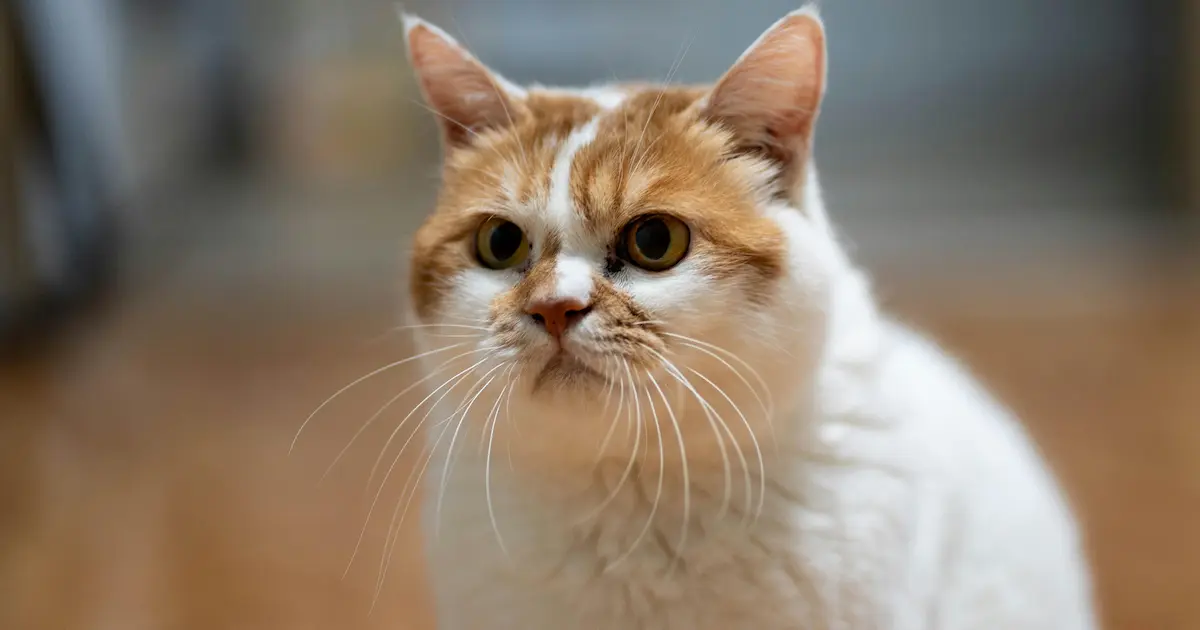
Picture this. You’re scrolling through kitten photos at midnight and one stops your thumb cold. A round little face, huge copper eyes, a nose so flat it looks like someone gently pressed it in, and a body shaped like a plush teddy bear. That’s an Exotic Shorthair, and yes, it’s as soft and cuddly as it looks.
Here’s the thing nobody tells you in the cute reels. That adorable squished face is the same feature that brings real health work into your daily life. Loving an Exotic Shorthair means loving the whole package, eye wipes and all.
So before you fall the rest of the way in love, let’s talk honestly about what living with this cat is actually like. The good, the snuggly, and the stuff the breeder might gloss over.
| Origin | United States, 1950s |
| Weight (Male) | 8 to 13 lbs |
| Weight (Female) | 6 to 12 lbs |
| Lifespan | 12 to 15 years |
| Coat | Short, dense, plush double coat |
| Colors | Wide range: solid, tabby, bicolor, calico, smoke, colorpoint, and more |
| Energy Level | Low to Moderate |
| Grooming Needs | Moderate (easy coat, demanding face care) |
| Good With Kids | Yes, with gentle handling |
| Good With Other Pets | Yes, with a slow intro |
| Average Price | $1,000 to $3,000 from breeders (up to $5,000 for show lines) |
Where the Exotic Shorthair Came From
The Exotic Shorthair is a fairly young breed with a slightly accidental backstory. Back in the 1950s, American Shorthair breeders wanted to borrow the Persian‘s gorgeous silver coat and green eyes to upgrade their own line. They crossed the two, and a few early lines also brought in Burmese and Russian Blue blood.
What happened next surprised everyone. Instead of a silvered American Shorthair, breeders got a round-faced, plush little cat that looked like a Persian who’d visited the groomer. The look was so charming that Persian breeders, who were skeptical at first, ended up joining in.
The Cat Fanciers’ Association recognized the breed in 1967 and named it the Exotic. The International Cat Association followed in 1979. Today every major registry recognizes the Exotic Shorthair, and modern breeding pairs them mainly with Persians and Himalayans.
You’ll hear the nickname “the lazy man’s Persian” thrown around. It’s a little cheeky, but it captures the appeal. You get the Persian’s face and temperament without the daily coat marathon.
What an Exotic Shorthair Actually Looks Like
The first thing you notice is the head. It’s large, round, and sits on a short, thick neck, almost like a furry bowling ball with eyes. Those eyes are big, round, and set wide apart, and the color usually matches the coat pattern.
Below the neck, the body is cobby. That means short, sturdy, broad-chested, and heavily boned, with thick legs and round little paws. They aren’t long or leggy cats. They’re compact and surprisingly heavy when you pick them up.
The coat is the big selling point. It’s short but dense and stands slightly off the body, giving that teddy bear plushness. It comes in a huge range of colors and patterns: solid black, blue, red, and cream, plus tabby, bicolor, calico, smoke, and colorpoint versions.
Now, the flat face. Breeders call the look “brachycephalic,” which simply means short-skulled. The nose sits high and flat, the cheeks are full, and the whole face reads as sweet and slightly grumpy at once. Just know that the flatter the face, the higher the health risk. We’ll come back to that.
Kitten vs Adult: What Changes
Exotic Shorthair kittens are almost comically round, and they grow slowly. Many don’t reach full size until around two years old, and the coat thickens as they mature. Some litters even produce long-haired kittens (called Exotic Longhairs), thanks to the Persian gene hiding in the family tree.
Living With an Exotic Shorthair: The Real Personality
If you want a cat that quietly adores you, this is your breed. Exotic Shorthairs are gentle, affectionate, and famously easygoing. They’d rather curl up beside you than tear around the house.
They’re often described as “velcro cats.” Your Exotic will follow you from room to room, settle near your feet while you work, and migrate onto your lap the second you sit down. They love you with their whole calm little heart.
The good news for light sleepers and apartment dwellers: they’re quiet. Unlike their chatty Siamese cousins, Exotics tend to communicate with soft chirps and a steady gaze rather than constant meowing. They ask for attention politely.
Here’s an honest catch, though. Because they bond so hard, many Exotic Shorthairs struggle with being alone. Leave one by itself for long workdays, every day, and you may see stress, clinginess, or sulking. They genuinely want company.
Personality also varies a little by sex, at least according to a lot of breeders. Males often act like soppy cuddlebugs, while females can be a touch more reserved and dignified. Both are sweet. Neither is high drama.
Is the Exotic Shorthair Right for You?
Let’s get practical. This breed is a fantastic fit for some homes and a frustrating one for others. Be honest with yourself here.
An Exotic Shorthair is a great match if you:
- Are home often, or have another pet to keep them company
- Want a calm lap cat, not an acrobat
- Live in an apartment or a quieter household
- Don’t mind a daily two-minute face-cleaning routine
- Can budget for brachycephalic-related vet care over the years
Think twice if you:
- Travel constantly or work very long days away from home
- Live somewhere hot without reliable air conditioning
- Want a playful, athletic cat that entertains itself
- Feel squeamish about wiping eyes and monitoring breathing
- Have a tight budget with no cushion for surprise vet bills
One survey of flat-faced cat owners found something worth sitting with: those owners were actually less likely than other cat owners to recommend their own breed, mostly because of the upkeep. That’s not a reason to walk away. It’s a reason to go in with your eyes open.
The Flat Face Problem: Health Issues You Have to Take Seriously
This is the section every Exotic Shorthair owner needs to read twice. The breed is wonderful, but it carries some serious genetic baggage, and most of it traces back to that beloved flat face.
Brachycephalic Airway Syndrome. Short skulls come with narrowed nostrils, an elongated soft palate, and sometimes a small windpipe. The result can be snoring, snorting, noisy breathing, and trouble cooling down. Mild cases just sound funny. Severe cases need surgery. If you ever see your cat breathing with its mouth open, treat it as an emergency and call your vet immediately.
Heat intolerance. Because they can’t pant efficiently, Exotics overheat easily. Hot, humid days are genuinely risky for them. Many airlines won’t even fly flat-faced cats in cargo for this reason, so plan travel carefully.
Polycystic Kidney Disease (PKD). This inherited condition causes cysts to form in the kidneys and can lead to kidney failure over time. Signs like increased thirst, weight loss, and lethargy often show up in middle age, though they can appear earlier. The great news: a simple genetic test catches it, and responsible breeders test their cats so affected kittens aren’t bred.
Hypertrophic Cardiomyopathy (HCM). This is a heart-muscle thickening disease seen across many cat breeds, including Exotics. It can be sneaky, so annual heart checks help catch it early.
Eye trouble and dental crowding. Those big eyes paired with shallow sockets mean chronic tearing, tear staining, and a higher risk of corneal ulcers and entropion (where the eyelid rolls inward). The squished jaw also crowds teeth, raising the odds of dental disease. Progressive Retinal Atrophy, a gradual vision loss, shows up in some lines too.
None of this means your cat is doomed. It means you choose a careful breeder, you stay on top of checkups, and you keep your cat lean. Prevention does most of the heavy lifting here.
Grooming and the Daily Face Routine Nobody Warns You About
Let’s clear up a myth right away. People hear “shorthair” and picture a wash-and-go cat. That’s only half true for this breed.
The coat itself is easy. A gentle combing two or three times a week keeps it tangle-free and cuts down on shedding. They do shed, especially with seasonal changes, but it’s manageable.
The face is the real job. Because of all that tearing, you’ll want to gently wipe the eye area daily with a soft, damp cloth or a vet-approved wipe. Skip it and you get crusty stains, irritation, and sometimes infection. It takes two minutes, but it’s two minutes every single day for the cat’s whole life.
Round out the routine with monthly nail trims, regular ear checks (those small ears trap wax), and tooth brushing a few times a week to fight the dental crowding. Get a kitten used to all of this early, and it becomes a calm little ritual instead of a wrestling match.
If you want one tool that earns its keep here, a soft slicker comb makes the coat work painless.
Hertzko Soft Slicker Brush
A gentle slicker that lifts loose undercoat without scratching the skin. The dense, plush Exotic coat sheds more than people expect, and a few minutes with this keeps fur off your couch and matting at bay.
Feeding Your Exotic Shorthair (and the Obesity Trap)
Exotics love food and they love lounging, which is a risky combination. Weight gain is one of the most common problems in the breed, and a heavy cat with a flat face breathes even harder. Keeping your cat lean is one of the kindest things you can do.
Feed a high-quality, protein-rich food made for your cat’s life stage. Cats are obligate carnivores, so animal protein should lead the ingredient list, with carbs kept on the lower side. Measure portions with an actual cup instead of free-pouring, and keep treats to a small slice of daily calories.
One quirk to plan for: that flat face can make eating awkward. Some Exotics struggle to pick up regular kibble and end up gulping it. Shallow, wide bowls and kibble shaped for flat-faced breeds make mealtime easier and tidier.
Exercise and Keeping a “Lazy” Cat Moving
Nobody’s going to call the Exotic Shorthair athletic. They’re moderate-energy at best and perfectly happy to nap their way through an afternoon. That mellow streak is part of the charm, but it also means you have to be the one who gets them moving.
Short, daily play sessions do the trick. A wand toy, a crinkle ball, or the classic laser pointer will coax even a couch-loving Exotic into a few good pounces. Five to ten minutes, twice a day, keeps the weight off and the mind sharp.
They don’t crave tall cat trees the way leggy breeds do, since climbing isn’t their strength. A low, sturdy perch by a window and a comfy scratching post suit them better. Keep play gentle on warm days so they don’t overheat.
Living With Kids, Dogs, and Other Cats
This breed’s calm nature makes it a lovely family cat. Exotics are patient and rarely aggressive, which is great around children. The catch is their tolerance, not their temper. A flat-faced cat can be accidentally hurt by rough handling, so teach kids to be gentle and to let the cat come to them.
Dogs? Usually no problem, as long as the dog is calm and the intro is slow. Exotics are too laid-back to start fights and often end up snoozing next to a mellow pup.
Other cats tend to go fine too, especially if you introduce them gradually over a week or two rather than all at once. Honestly, an Exotic often does better with a companion than alone, since it hates empty houses. A second easygoing pet can be the answer to their separation stress.
Lifespan and Aging Gracefully
With good care, an Exotic Shorthair typically lives 12 to 15 years, and some sail well past that. Genetics set the ceiling, but your daily choices decide how close they get to it.
The big levers are weight, dental care, and regular vet visits. As your cat ages, watch for the early signs of PKD and HCM, and ask your vet about senior bloodwork and heart screening. Older Exotics may slow down further and appreciate softer bedding, easy-access litter boxes, and joint support if arthritis creeps in.
Keep them cool, keep them lean, keep up the eye care, and you give your Exotic Shorthair the best shot at a long, comfortable life.
How Much Does an Exotic Shorthair Cost?
Exotic Shorthairs aren’t cheap, mostly because responsible breeding is expensive. From a reputable breeder, expect to pay roughly $1,000 to $3,000, with top show or rare-color lines reaching $5,000 or more.
That price should buy you peace of mind: health-tested parents, PKD-negative results, early vet care, vaccinations, and a kitten raised underfoot in a clean home. If someone offers you a “purebred Exotic” for a few hundred dollars with no paperwork, that’s a red flag, not a bargain.
Don’t forget the running costs either. Quality food, litter, annual checkups, dental cleanings, and the occasional brachycephalic-related bill add up. Many owners find pet insurance worthwhile for this breed precisely because of the flat-face risks. Budget like a flat-faced cat, not a generic one.
How to Find an Exotic Shorthair Ethically (and Pick a Healthier Kitten)
Here’s where you can actually protect your future cat from suffering. Not all Exotics are bred equally, and the choices you make at the kitten stage matter for the next 15 years.
Start with the breeder. A good one will happily show you written health test results (PKD at minimum), let you meet the parents, raise kittens in the home rather than a shed, and ask you plenty of questions in return. Walk away from anyone who dodges health questions or won’t let you visit.
Then look closely at the kitten’s face. This is the part most guides skip. A slightly less extreme, more “open” face with visible nostrils and a nose that isn’t buried between the eyes will usually breathe far better and tear less. Cuter-looking extreme flatness often means more health misery. Choose the moderate face on purpose.
Adoption is also very real for this breed. Persian and Exotic rescues exist, and flat-faced cats do turn up in shelters when owners underestimate the care. If you’re open to an adult, you can give a deserving cat a soft landing and skip the breeder waitlist.
Similar Breeds to Consider
Not sure the Exotic is your one? A few relatives and lookalikes might fit better:
- Persian: Same sweet face and personality, but with a long coat and serious daily grooming.
- British Shorthair: Plush, round, and mellow, with a far healthier face and easier breathing.
- Scottish Fold: Round-faced and cuddly, though folded ears carry their own genetic concerns.
- Selkirk Rex: Teddy-bear vibes in a curly coat, with a sturdier, less flat structure.
- Ragdoll: Big, docile, and devoted lap cat without the brachycephalic risks.
Common Myths and Misconceptions
Myth: Shorthair means low maintenance. The coat is easy, sure. But the daily eye care and health monitoring make this a more demanding cat than its fur suggests.
Myth: The flat face is just cosmetic. It isn’t. That face shape directly affects breathing, eye health, and dental alignment. It’s a welfare issue, not a styling choice.
Myth: They’re lazy and antisocial. They’re low energy, yes, but deeply social. An Exotic that seems aloof is usually just relaxed, and it still wants you nearby.
Myth: All Exotics snore and wheeze, so it’s normal. Some soft snoring is common. Labored breathing, gasping, or open-mouth breathing is never normal and needs a vet.
Myth: Cheap kittens are the same cat for less. A bargain Exotic with no health testing often means a lifetime of vet bills and heartbreak. You pay either way.
Frequently Asked Questions
Q: Are Exotic Shorthair cats high maintenance?
The coat is low effort, but the face isn’t. You’ll need to wipe their eyes daily to prevent tear staining and infection, plus stay on top of dental care and weight. Most owners find the routine quick once it’s a habit.
Q: Do Exotic Shorthairs have breathing problems?
Many do to some degree, because of their flat, brachycephalic faces. Mild snoring is common, but labored or open-mouth breathing is a medical emergency. Choosing a kitten with a more moderate face greatly reduces the risk.
Q: How long do Exotic Shorthair cats live?
Most live 12 to 15 years, and some go beyond with excellent care. Keeping them lean, scheduling regular vet checks, and screening for PKD and HCM all help them reach the higher end of that range.
Q: Are Exotic Shorthairs good for first-time owners?
They can be, thanks to their calm, gentle nature. The catch is the daily face care and the brachycephalic health needs, so a first-timer should be ready to commit to that routine and budget for vet care.
Q: Do Exotic Shorthair cats shed a lot?
They shed moderately, more than their short coat suggests, especially during seasonal changes. Brushing two or three times a week keeps loose fur and matting under control and your furniture cleaner.
Q: Are Exotic Shorthairs hypoallergenic?
No. No cat is truly hypoallergenic, and Exotics produce the same Fel d 1 protein that triggers allergies. Their plush double coat can actually spread more dander, so they’re not a safe pick for allergy sufferers.
Q: Can Exotic Shorthairs be left alone all day?
Not happily. They bond closely and dislike long stretches of solitude, which can lead to stress and clinginess. If you work long hours, consider a second pet to keep them company.
Q: What’s the difference between an Exotic Shorthair and a Persian?
They share the same face, body type, and sweet temperament. The big difference is the coat: the Persian is long and needs daily grooming, while the Exotic’s short, plush coat just needs a few combings a week.
Final Verdict: Should You Get an Exotic Shorthair?
If you want a quiet, devoted, teddy-bear of a cat that treats your lap like its personal kingdom, the Exotic Shorthair is hard to beat. They give you the Persian’s charm without the grooming marathon, and their gentle nature fits calm homes, apartments, and families beautifully.
Just go in clear-eyed. That gorgeous flat face comes with real responsibilities: daily eye care, weight watching, heat caution, and a careful breeder search to dodge the worst genetic risks. This isn’t a low-effort cat dressed up as one.
Do that work, and an Exotic Shorthair will reward you with years of soft, steady, follow-you-everywhere love. For the right owner, that’s one of the sweetest deals in the cat world.

Hello and welcome to The Ideal Cat!
We are some passionate cat owners from different professions. We love our cats and have a lot of experience in how to care for our pets. We are incredibly excited to share our knowledge, experience, and research with you. So you can take good care of your loving cat. We will answer most of the common questions about owning cats, taking care of them, etc. If you have any question contact with us. Thanks for visiting! Enjoy the content.
