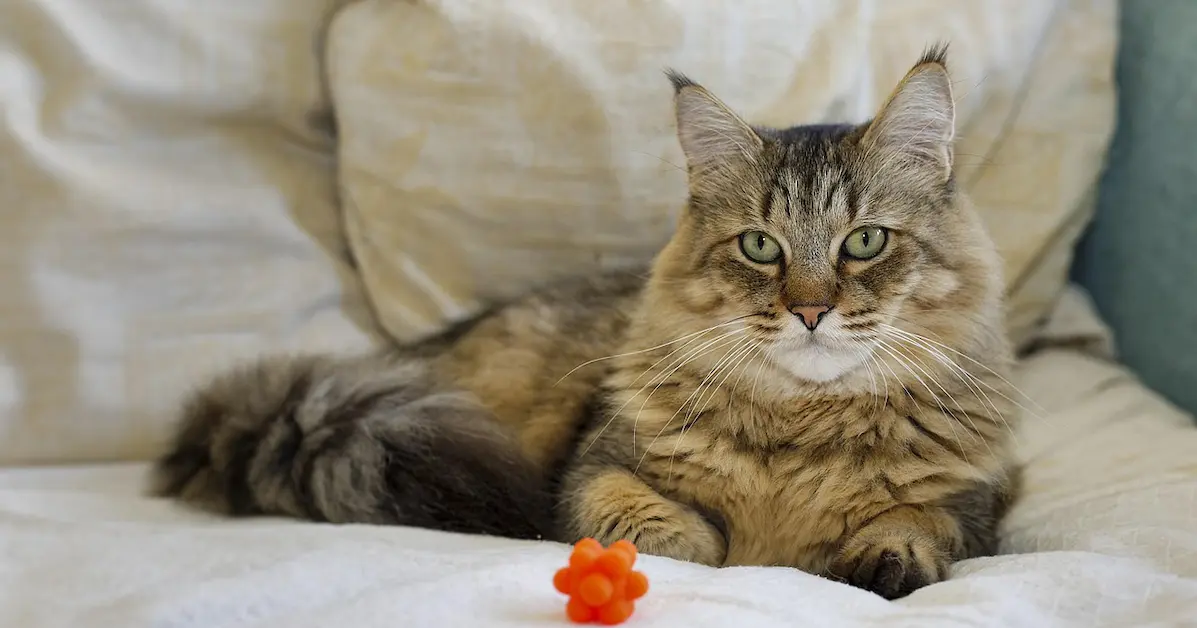
Picture this. You walk through the front door after a long day, and a stocky, spotted cat with tufted ears trots over to greet you, headbutts your shin, then chirps at you like it’s been saving up gossip all afternoon. It looks like a baby bobcat wandered in off a mountain trail. It acts like a golden retriever who happens to have whiskers.
That’s the Pixie-Bob in a nutshell. A cat that wears the costume of a wild predator and the heart of a couch companion.
Here’s the thing though. A lot of what gets said about this breed online is half marketing, half campfire legend. So before you fall for those lynx-tipped ears, let’s talk about what you’d really be signing up for.
| Origin | United States (Washington State), 1980s |
| Weight (Male) | 12 to 17 lbs |
| Weight (Female) | 8 to 12 lbs |
| Lifespan | 13 to 15 years |
| Coat | Double coat, wooly texture, short or long |
| Colors | Brown spotted tabby (tawny to reddish-brown, with ticking) |
| Energy Level | Moderate |
| Grooming Needs | Low to Moderate |
| Good With Kids | Yes |
| Good With Other Pets | Yes |
| Average Price | $1,500 to $3,000 from breeders |
The Pixie-Bob Story: How a Washington Barn Cat Became a Breed
The whole breed traces back to one woman and a couple of unusual cats. In 1985, a breeder named Carol Ann Brewer, living in the Cascade foothills of Washington State, picked up a spotted male cat with a stubby tail and extra toes. Nothing about him looked like a typical house cat.
A few months later she took in a second male, a big, bobtailed tom she named Keba. He was skin and bones when she found him, yet still tipped the scale around 17 pounds. Keba mated with a neighbor’s brown tabby, and in April 1986 that litter produced a female kitten with muted spots and a wild little face. Brewer named her Pixie. That kitten became the foundation cat for the entire breed, and she’s where the name comes from.
Over the next few years, Brewer gathered around 20 more wild-looking barn cats from the region. She called them “Legend Cats,” a term she later trademarked, and used them to build a wide gene pool. Other breeders joined in, and the modern Pixie-Bob took shape.
Recognition came in stages. The International Cat Association accepted the breed for exhibition in 1993, bumped it to new breed and color status in 1996, then granted full championship status in 1998. The American Cat Fanciers Association followed later. The Cat Fanciers’ Association and the European FIFe still don’t recognize it, which is part of why these cats stay rare outside North America.
The Bobcat Myth, Settled Once and For All
Let’s clear this up, because half the internet still won’t.
The origin story says a wild Coastal Red Bobcat mated with a domestic barn cat, and that’s where the Pixie-Bob came from. It’s a great story. It sells kittens. And the cats really do look the part, with their spotted coats, muscular frames, and bobbed tails.
But DNA testing has been done, repeatedly, and it’s conclusive. There are no bobcat genes in the Pixie-Bob. None. These are 100% domestic cats (Felis catus), the same species as the tabby at your local shelter. The wild look is the result of selective breeding by people who chose the most feral-looking barn cats they could find, not actual wildcat ancestry.
Why does this matter to you as a buyer? Because some breeders lean on the bobcat romance to justify sky-high prices. A Pixie-Bob is a wonderful cat. It is not a wild hybrid, and you shouldn’t pay extra believing it is. Compare that to the Savannah cat, which genuinely descends from the African serval. The Pixie-Bob is all costume, no wild blood.
What a Pixie-Bob Actually Looks Like
This is a substantial cat. Males usually land between 12 and 17 pounds, and females run smaller at 8 to 12 pounds. You’ll see breathless claims online about 25-pound Pixie-Bobs, but those are rare outliers, not the norm. Plan for a solid, heavy-boned cat that feels like it works out, not a giant.
Here’s a surprise that catches new owners off guard: Pixie-Bobs grow slowly. Most cats are done filling out by their first birthday. A Pixie-Bob can keep developing for up to four years. So that lean teenage cat you brought home may bulk up into something noticeably chunkier by age three. That’s normal, not weight gain to panic over.
The head is shaped a bit like an upside-down pear, with a strong muzzle, heavy brows, and those signature lynx tips on the ears. The eyes start blue in kittens and settle into gold, brown, or a soft gooseberry green as they grow. Many have facial fur that flares out like little mutton chops.
The coat and colors
Pixie-Bobs come in both short and long-haired versions, and both have a thick, double coat with a wooly, slightly coarse feel. The recognized pattern is brown spotted tabby, ranging from a light tawny to a warm reddish-brown, with heavy ticking that softens the spots. In winter the coat can look frostier and more silvered. Fun fact: the pattern goes right down to the skin, so even a shaved Pixie-Bob keeps its markings.
The tail you might actually get
Now for the truth most breed sites skip. The bobbed tail is the breed’s calling card, ideally somewhere between two inches and the length of the hock. But roughly half of all Pixie-Bob kittens are born with full-length, normal tails.
Ethical breeders do not dock those tails. Ever. So if your heart is set on the stubby bobcat look, ask the breeder directly, because a long-tailed Pixie-Bob is just as much a Pixie-Bob, and it’s perfectly healthy. It just doesn’t have the wild silhouette some buyers expect. The good news is long-tailed kittens often cost less.
About those extra toes
The Pixie-Bob is famous for being polydactyl, meaning it can have extra toes. TICA allows up to seven toes per paw, and this is the only breed where polydactyl cats can compete in championship shows. Not every Pixie-Bob has extra toes, but many do, usually more on the front paws.
Extra toes don’t cause health problems. They do mean more claws to keep trimmed, so factor that into your grooming routine.
Living With a Pixie-Bob: The Dog in a Cat Suit
If you’ve ever wished your cat acted more like a dog, this might be your breed. Pixie-Bob owners say it constantly, and it’s not just hype.
These cats bond hard with their people. Your Pixie-Bob will follow you from room to room, supervise your every chore, and plant itself in whatever you’re trying to do. Many learn to play fetch, walk on a harness, and respond to words like “no” and “come here.” Some even enjoy car rides, which is downright un-catlike.
They’re also genuinely social, even with strangers. Most cats vanish when the doorbell rings. A Pixie-Bob is more likely to come investigate your guests and decide whether they’re worthy of a headbutt.
One quirk worth knowing: Pixie-Bobs barely meow. Instead they chirp, chatter, and make soft chittering sounds. It’s charming once you get used to it, but if you were expecting a chatty Siamese-style yowler, this isn’t that. These cats talk in a different language.
Are they couch potatoes? No. But they’re not bouncing-off-the-walls hyper either. Think moderate energy. They love a good play session and then they’re happy to flop next to you for the evening.
Is a Pixie-Bob the Right Cat for You?
Let’s be honest, because the wrong match makes nobody happy. Here’s a simple gut check.
A Pixie-Bob is a great fit if you:
- Want a cat that’s deeply attached and involved in your day
- Like the idea of leash walks, fetch, and trick training
- Are home often, or have other pets so the cat isn’t alone all day
- Don’t mind a heavier cat that takes years to finish growing
- Want a wild look without the headaches of an actual exotic hybrid
You should probably look elsewhere if you:
- Travel constantly and can’t give a needy cat steady company
- Want an aloof, independent cat that does its own thing
- Have cat allergies (more on that below, the news isn’t good)
- Are buying purely for the bobtail look without asking about tails first
- Have a tight budget, since these cats aren’t cheap to buy or insure
Trust me, the personality is the real reason to get one. If you fall for the looks but ignore the velcro-cat temperament, you’ll both be frustrated.
Health Issues to Know About
The good news first. Because Pixie-Bobs were built from a wide, diverse gene pool and breeders keep outcrossing to Legend Cats, the breed avoids a lot of the inbreeding problems that plague some pedigreed cats. Many breeders also log health data in the Pawpeds database. As breeds go, this is a hardy one.
That said, a few conditions show up more than you’d like, so keep them on your radar.
Cryptorchidism
Some male Pixie-Bobs are born with one or both testicles that never drop into the scrotum. It can be painless, or it can cause discomfort and spraying. Neutering usually fixes it, though the surgery is a bit more involved than a standard procedure. Spaying or neutering early, before six months, helps head off the worst of it.
Dystocia and reproductive issues
A small percentage of females have trouble giving birth, sometimes needing veterinary help to deliver a litter. A related condition, cystic endometrial hyperplasia, also shows up rarely. This mostly concerns breeders, and responsible ones pull affected cats from their programs.
Hypertrophic cardiomyopathy (HCM)
This is a heart condition where the muscle thickens and the heart struggles to work properly. It’s rare in Pixie-Bobs, and the few reported cases have usually involved crossbreeding. Still, good breeders screen their breeding cats yearly with a cardiologist, so ask to see those results.
Obesity and dental disease
These aren’t breed-specific, but they’re the two issues most likely to affect your cat day to day. A heavy-boned cat plus a few extra pounds is a recipe for diabetes and joint pain. And like all cats, Pixie-Bobs get plaque and tartar buildup. Regular dental care matters more than people think.
Pet insurance is worth a serious look for this breed, given the purchase price and the chance of a surgery like cryptorchidism repair.
Grooming and Coat Care
Good news for the busy among us. Pixie-Bobs are low-maintenance in the grooming department, especially the short-haired ones.
A weekly brush or comb is plenty for short coats. It keeps shedding down and spreads the natural oils through that wooly double coat. Long-haired Pixie-Bobs need a little more attention, maybe two or three times a week, to stop mats from forming around the ruff and belly.
Don’t forget the extras. If your cat is polydactyl, those bonus toes mean bonus claws, so keep up with nail trims. Brush the teeth regularly, wipe any gunk from the eyes, and check the ears now and then. That’s honestly about it.
Feeding Your Pixie-Bob
There’s no magic breed-specific diet here. A Pixie-Bob eats like any healthy cat should: a protein-rich diet built around real meat.
Cats are obligate carnivores, so look for a food where named meats like chicken, turkey, or fish sit at the top of the ingredient list. A mix of wet and dry food works well for most. Wet food keeps them hydrated, which is good for kidney and urinary health, and dry food can help a little with plaque.
The one thing to watch with this breed is portion size. Because they’re big-boned and grow slowly, it’s easy to overfeed without realizing it. Roughly half of all pet cats are overweight, and a chunky Pixie-Bob faces real joint and diabetes risks. Feed to a healthy body condition, not to the bowl. When in doubt, ask your vet what your individual cat should weigh.
Exercise, Play, and That Water Obsession
Pixie-Bobs are smart, and smart cats get bored. Give yours something to do.
Climbing furniture, a tall cat tree, puzzle feeders, and interactive toys all earn their keep. Because these cats train so easily, harness walks are a real option and a fantastic way to burn energy. Many Pixie-Bobs take to leash walking faster than you’d expect.
Here’s a fun one: a lot of Pixie-Bobs are fascinated by water. Don’t be shocked if yours bats at a dripping tap, paws at its water bowl, or tries to join you in the bathroom. A pet water fountain can turn this quirk into better hydration, which is a win for everyone.
Pixie-Bobs With Kids, Dogs, and Other Cats
This is where the breed really shines. That dog-like, easygoing nature makes Pixie-Bobs one of the better choices for a busy household.
With kids, they’re patient and playful, and their sturdy build means they handle enthusiastic little hands better than a delicate breed would. Always supervise young children with any cat, but a Pixie-Bob is rarely the problem.
With dogs, they often become genuine buddies, especially if introduced young and slowly. Their loyalty and play style line up surprisingly well with canine company. And with other cats, they generally do fine, though as with any new pet, a gradual introduction beats throwing everyone together on day one.
Lifespan and Caring for an Aging Pixie-Bob
Most Pixie-Bobs live 13 to 15 years, and plenty stretch beyond that with good care. That’s a solid run for a cat this size.
In the kitten and young-adult years, focus on building good habits: a healthy weight, dental care, and steady vet visits. Remember that slow growth, your cat won’t truly be an adult until around four.
As your Pixie-Bob heads into its senior years, usually around seven to ten, watch for stiffness and weight changes. Senior cats sometimes need a diet adjustment, though an active Pixie-Bob may still burn plenty of calories. Keep up the dental care, watch for heart issues given the small HCM risk, and don’t skip those checkups. A little extra attention here adds quality years.
How Much Does a Pixie-Bob Cost?
Let’s talk money, because this breed isn’t a budget pick.
From a reputable breeder, expect to pay somewhere between $1,500 and $3,000 for a Pixie-Bob kitten. Show-quality kittens climb higher, sometimes $4,000 to $5,000 or more. A few pricing patterns are worth knowing:
- Polydactyl kittens usually cost more than straight-footed ones, since the extra toes are prized.
- Short-tailed kittens cost more than long-tailed ones, because that bobtail look is what many buyers want.
- The extra toes don’t make a cat genetically “more bobcat,” so don’t let anyone upsell you on wild ancestry.
Then there’s the ongoing cost. Quality food, litter, yearly vet care, and dental work add up to several hundred dollars a year, more if a health issue pops up. Budget for pet insurance too. Buying the cat is just the entry fee.
One red flag to watch: a “Pixie-Bob” priced at $300 or $400 is almost certainly not a well-bred, properly vetted kitten. With this breed especially, a suspiciously low price usually means a backyard operation or a mislabeled mixed cat.
Where to Find a Pixie-Bob Ethically
Because Pixie-Bobs are rare, you’ll likely go through a breeder. Choose carefully.
A good breeder will be registered with TICA or ACFA and happy to show pedigree papers. They’ll screen breeding cats for HCM with a cardiologist, run health checks, and refuse to send kittens home before about 12 to 14 weeks, once the kittens have had at least two rounds of vaccines. Walk away from anyone offering an eight-week-old kitten, since that’s too young to be safe.
Expect to fill out an application, possibly join a waitlist, and put down a deposit. That’s a sign the breeder cares about placement, not just sales. Good breeders will also let you meet the kitten in person or over a video call.
Don’t rule out rescue, either. Purebred Pixie-Bobs are rare in shelters, but breed-specific rescues exist, and many shelter cats resemble the breed beautifully. Adoption fees run far lower, usually $50 to $300, and often include spay or neuter, vaccines, and a microchip. If the wild look matters more to you than papers, a rescue lookalike could be your perfect match.
Similar Breeds to Consider
Love the Pixie-Bob but want to weigh your options? A few breeds scratch a similar itch:
- Maine Coon: if you want a big, friendly, dog-like cat without the bobtail.
- Bengal: for a wilder-looking, higher-energy spotted cat that’s also fully domestic.
- American Bobtail: another bobtailed, affectionate breed with a rugged look.
- Savannah: if you genuinely want exotic ancestry, since this breed really does descend from the serval.
- Highlander: a newer breed with curled ears, a bobbed tail, and a playful streak.
Common Myths and Misconceptions
This breed collects myths like fur collects on a black sweater. Let’s bust a few.
Myth: Pixie-Bobs are part bobcat. Nope. DNA testing confirms they’re entirely domestic. The wild look is selective breeding, not wild blood.
Myth: All Pixie-Bobs have short tails. About half are born with normal-length tails, and ethical breeders never dock them.
Myth: All Pixie-Bobs have extra toes. Many do, but plenty have the standard number. Polydactyly is allowed and prized, not required.
Myth: They’re hypoallergenic because they look wild. They’re not. No cat truly is. Pixie-Bobs produce the same Fel d 1 allergen as any cat.
Myth: A higher price means a purer cat. Because the gene pool is diverse, price reflects looks and lineage, not some guarantee of “purity.”
FAQ
Q: Are Pixie-Bob cats really part bobcat?
No. DNA testing has repeatedly found no bobcat genes. Pixie-Bobs are fully domestic cats selectively bred to look like the wild Coastal Red Bobcat. The resemblance is intentional, not genetic.
Q: How big do Pixie-Bob cats get?
Males usually weigh 12 to 17 pounds and females 8 to 12 pounds. They’re heavy-boned and muscular, and they keep growing for up to four years, far longer than most cats.
Q: Do all Pixie-Bobs have short tails and extra toes?
No on both counts. Roughly half are born with full-length tails, and only some are polydactyl. Both the bobbed tail and the extra toes are signature traits, but neither is guaranteed.
Q: Are Pixie-Bob cats good with children and dogs?
Yes. Their easygoing, loyal, dog-like temperament makes them excellent family cats. They’re sturdy enough for kids and often bond closely with dogs, especially when introduced young.
Q: Why doesn’t my Pixie-Bob meow?
That’s normal for the breed. Pixie-Bobs rarely meow and instead chirp, chatter, and chitter. It’s one of their most endearing quirks once you get used to the different vocabulary.
Q: How much does a Pixie-Bob kitten cost?
Most breeder kittens run $1,500 to $3,000, with show-quality cats reaching $5,000 or more. Polydactyl and short-tailed kittens typically cost more. Be wary of any priced at a few hundred dollars.
Q: Are Pixie-Bob cats hypoallergenic?
No. No cat breed is truly hypoallergenic. Pixie-Bobs carry the same Fel d 1 protein found in all cats, so they can trigger allergies just like any other breed.
Q: How long do Pixie-Bob cats live?
The typical lifespan is 13 to 15 years, and many live longer with good care. They’re a hardy, genetically diverse breed with relatively few inherited health problems.
Final Verdict: Should You Get a Pixie-Bob?
If you want a cat that’s content to ignore you, keep scrolling. The Pixie-Bob is not that cat.
What you get instead is a loyal, clever, wild-looking companion that wants to be part of everything you do. It’ll follow you around, learn your routines, walk on a leash, and chirp its little heart out. The looks pull people in, but it’s the personality that makes owners fall hard.
Just go in clear-eyed. You’re buying a domestic cat with no wild blood, the tail might be long, the toes might be standard, and the price tag is real. Ask the right questions, choose an ethical breeder or a rescue lookalike, and budget for the years ahead.
Do that, and you’ll bring home one of the most genuinely fun cats out there. A tiny bobcat on the outside, a devoted best friend on the inside. Honestly, what more could you want?

Hello and welcome to The Ideal Cat!
We are some passionate cat owners from different professions. We love our cats and have a lot of experience in how to care for our pets. We are incredibly excited to share our knowledge, experience, and research with you. So you can take good care of your loving cat. We will answer most of the common questions about owning cats, taking care of them, etc. If you have any question contact with us. Thanks for visiting! Enjoy the content.
)