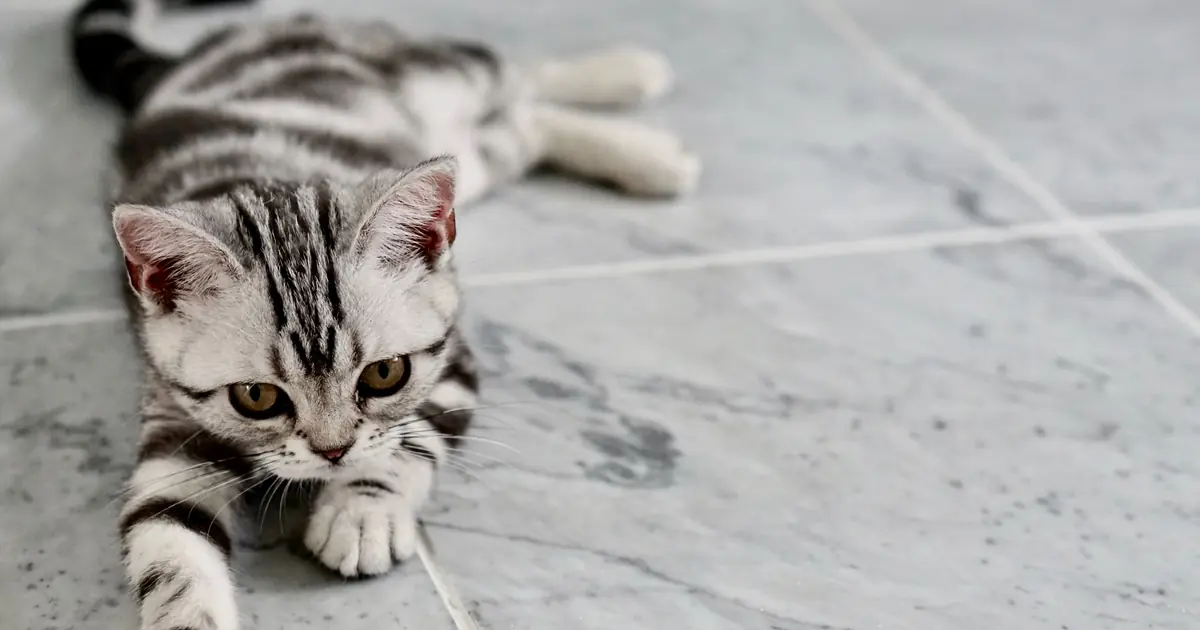
Picture a cat that climbed off a wooden ship a few hundred years ago, went straight to work hunting rats in a grain cellar, and then decided your couch looked pretty good. That’s the American Shorthair in a nutshell.
This is the breed a lot of people picture when they think “regular cat,” and that’s actually a compliment. The American Shorthair is sturdy, friendly, low-drama, and built to last 15 to 20 years. The silver tabby version, with its dark swirls on a pale silver coat, is one of the most recognizable cats in the world.
Here’s the thing though. Most folks confuse the American Shorthair with the British Shorthair, or with the plain “domestic shorthair” tabby down the street. Those are three different things, and we’ll sort that out properly below.
- The American Shorthair is a recognized purebred, not the same as a random-bred “domestic shorthair,” even though they look alike.
- American Shorthairs were one of the first five breeds registered by the Cat Fanciers’ Association (CFA) in 1906 and are recognized by CFA and TICA.
- Adult males typically weigh 11 to 15 lbs and females 6 to 12 lbs, with a lifespan of 15 to 20 years.
- They come in over 80 colors and patterns, but the silver tabby is the breed’s signature look.
- American Shorthairs are easygoing and good with kids, dogs, and other cats, which makes them a great first-time family cat.
- The main health concern to watch for is hypertrophic cardiomyopathy (HCM), a heritable heart condition responsible breeders screen for.
American Shorthair at a Glance
Before we get into the details, here’s the quick stat sheet on the American Shorthair. Skim this, then keep reading for the parts that matter to your home.
| Origin | United States (descended from European working cats, 1600s onward) |
| Weight (Male) | 11 to 15 lbs (5 to 7 kg) |
| Weight (Female) | 6 to 12 lbs (2.5 to 5.5 kg) |
| Lifespan | 15 to 20 years |
| Coat | Short, dense, hard-textured, weather-resistant |
| Colors | Over 80 colors and patterns; silver tabby is the classic |
| Energy Level | Moderate (playful but not hyper) |
| Grooming Needs | Low (weekly brushing) |
| Good With Kids | Yes, very |
| Good With Other Pets | Yes, including dogs |
| Average Price | $500 to $1,500 from a breeder ($75 to $150 to adopt) |
Where Did the American Shorthair Come From?
The American Shorthair descends from European cats that sailed to North America with early settlers, where they earned their keep hunting rats and mice on ships, farms, and in homes. They’re working cats at heart, and that heritage still shows in their muscular build and steady temperament.
Cats are widely believed to have come over on ships like the Mayflower to protect food stores from rodents. Once ashore, they kept doing the job that mattered: guarding grain cellars, barns, and pantries from vermin. For a couple of centuries, these cats bred freely and naturally toughened into a hardy, healthy type.
By the early 1900s, cat fanciers started selectively breeding the best of these native shorthairs to preserve their looks and temperament. The American Shorthair was one of the first five breeds registered by the CFA in 1906.
Here’s a fun wrinkle. The breed was originally called the “Domestic Shorthair.” It was renamed the American Shorthair in the mid-1960s, partly to celebrate its all-American roots and partly to stop people confusing the pedigreed cat with every random tabby on the block. (More on that confusion in a minute, because it still trips people up.)
What Does an American Shorthair Look Like?
The American Shorthair is a medium-to-large, solidly built cat with a round face, full cheeks, and a short, dense coat. Males are noticeably bigger and chunkier than females. The overall vibe is “athletic, not delicate.”
You’ll notice the body looks powerful and balanced, with strong legs and a thick neck. The head is large and round with a sweet, open expression. Their eyes can be gold, green, copper, blue, or odd-eyed, depending on coat color. The coat itself feels firm and weather-resistant, not fluffy or silky. It’s built for the outdoors, even if your cat never sets a paw outside.
What colors and patterns do American Shorthairs come in?
American Shorthairs come in more than 80 recognized colors and patterns, including solids, tabbies, smokes, shaded, and bi-colors. The most iconic is the silver tabby: a pale, almost shimmery silver base coat covered in dense black swirls and stripes, usually with green or hazel eyes. That’s the cat you’ve seen on cat-food bags and calendars.
Other common looks include brown tabby, black, white, blue, cream, and tortoiseshell. One thing they don’t come in: pointed (Siamese-style) coloring isn’t part of the breed standard.
American Shorthair kitten vs adult: what changes?
American Shorthair kittens are round, clumsy, and ridiculously cute, but they don’t fully fill out for a while. This is a slow-maturing breed, and many don’t reach their full adult size and muscle until around 3 to 4 years old.
So if your kitten looks a little gangly at one year, don’t worry. The big cheeks, the broad chest, the heft when you pick them up: those come with time. An adult male can be a genuinely substantial cat.
What Is the American Shorthair Personality Like?
The American Shorthair is famously easygoing, friendly, and adaptable. They like being around their people but aren’t clingy or demanding. Think of them as the laid-back, drama-free roommate of the cat world.
This is a cat that greets you at the door, hangs out in the same room, and then goes about its business. They enjoy a good play session (that hunting instinct never fully switches off), but they’re just as happy napping in a sunbeam. They tend to be quiet, often communicating with soft chirps rather than constant meowing.
Are American Shorthairs friendly? Yes, very. They’re patient, tolerant, and rarely moody, which is exactly why they’re such a popular family cat. They generally handle being picked up and cuddled better than a lot of breeds, though every cat has its own opinion on that.
One word of honesty: easygoing also means independent. American Shorthairs are content on their own for stretches, so if you want a velcro cat that follows you to the bathroom every time, you might find them a touch aloof. For most busy households, that self-sufficiency is a feature, not a bug.
Is the American Shorthair Right for You?
The American Shorthair is a great fit for first-time owners, families with kids, multi-pet homes, and busy people who want an affectionate but low-maintenance cat. They’re forgiving, hardy, and easy to care for.
Who they’re perfect for:
- First-time cat parents who want an easy, forgiving cat
- Families with children or other pets
- People who work and need a cat that’s fine alone during the day
- Anyone who wants a long-lived, healthy, low-grooming companion
Who might want to look elsewhere:
- People wanting a lap-glued, super-vocal, “talk to me all day” cat (a Siamese fits that better)
- Anyone hoping for zero shedding (no shorthair delivers that)
- Folks who won’t watch the food bowl, since this breed gains weight easily
What Health Problems Do American Shorthairs Have?
The American Shorthair is one of the healthier purebred cats, thanks to its natural, hardy working-cat roots. The main heritable concern is hypertrophic cardiomyopathy (HCM), a heart condition. Most American Shorthairs live long, healthy lives of 15 to 20 years.
Hypertrophic cardiomyopathy (HCM) is a disease that thickens the heart muscle, making it harder for the heart to pump. It’s the most common heart disease in cats overall, and in American Shorthairs it can be inherited as an autosomal dominant trait, meaning a parent can pass it on. HCM often shows no early symptoms, which is why screening matters.
A few other things to keep on your radar:
| Condition | What to know |
|---|---|
| Hypertrophic cardiomyopathy (HCM) | Thickened heart muscle; can be inherited. Reputable breeders screen breeding cats with heart ultrasounds. |
| Obesity | This breed loves food and gains weight easily. The most common health issue you’ll actually face. |
| Dental disease | Common in all cats; regular dental care and checkups help a lot. |
| Polycystic kidney disease (PKD) | Occasionally noted; less common, but worth asking a breeder about. |
Watch for red flags that mean call the vet promptly: fast or labored breathing, open-mouth breathing, sudden weakness, fainting, or hind-leg weakness or paralysis. These can signal heart trouble and need same-day attention.
This article is here to educate, not to diagnose. Your vet is your best partner for your individual cat, so book regular checkups and ask about heart screening, especially as your cat ages.
How Do You Groom an American Shorthair?
American Shorthairs are low-maintenance to groom. A quick brush once a week removes loose hair and keeps the coat healthy. That short, dense coat doesn’t mat, so you won’t be fighting tangles.
Do American Shorthairs shed?
Yes, American Shorthairs shed, and they shed more during spring and fall seasonal coat changes. They’re not heavy shedders compared to long-haired breeds, but that thick double-ish coat still drops plenty of fur. Weekly brushing (a bit more often in shedding season) keeps it off your couch.
And no, they aren’t hypoallergenic. No cat truly is. If you have allergies, spend time around the breed before committing.
The rest of the routine is the usual cat stuff: trim nails every couple of weeks, check ears, and brush their teeth if your cat tolerates it. A good de-shedding brush makes the weekly session faster and catches loose undercoat before it ends up on your clothes.
What Should You Feed an American Shorthair?
Feed an American Shorthair a high-quality, protein-rich cat food appropriate for its age, and measure the portions. This breed gains weight easily, so portion control matters more here than with many cats.
A few practical pointers:
- Pick a complete, balanced food that lists real meat first.
- Feed measured meals instead of leaving food out all day (free-feeding is how the pounds creep on).
- Include some wet food for hydration, which supports urinary and kidney health.
- Always keep fresh water available.
- Adjust portions as your cat moves from kitten to adult to senior.
Because American Shorthairs are food-motivated couch fans, obesity is the number-one preventable problem. Carrying extra weight strains the joints, raises diabetes risk, and shortens lifespan. If you can’t easily feel your cat’s ribs, talk to your vet about a plan.
How Much Exercise Does an American Shorthair Need?
American Shorthairs have moderate energy and need daily play to stay fit and engaged, but they aren’t demanding athletes. Two short play sessions a day usually does it.
That working-cat brain still loves to hunt, so lean into it. Wand toys, feather teasers, and toy “mice” tap right into their instincts. Puzzle feeders and food-dispensing toys are gold for this breed, since they add mental work and slow down fast eaters at the same time.
Give them a sturdy scratching post and a tall cat tree or window perch. A bird-friendly window view can keep an American Shorthair entertained for hours. Keep play sessions short and frequent, and you’ll have a happy, well-exercised cat.
Is the American Shorthair Good With Kids, Dogs, and Other Cats?
Yes. The American Shorthair’s calm, tolerant temperament makes it one of the best breeds for homes with children, dogs, and other cats. Their patience and easygoing nature are the whole reason they’re such a popular family pet.
With kids, they’re sturdy enough to handle gentle handling and rarely lash out, though every interaction with young children should still be supervised. With dogs, they usually do fine, especially with cat-friendly dogs and proper introductions. And in multi-cat homes, their laid-back streak means they’re less likely to start turf wars.
As always, slow introductions win. Give a new pet time, separate spaces at first, and let everyone adjust at their own pace. An American Shorthair will usually meet you halfway.
How Long Do American Shorthairs Live, and How Do You Help Them Age Well?
American Shorthairs live 15 to 20 years, which is on the longer end for cats. Good food, a healthy weight, regular vet care, and indoor living help them hit the high end of that range.
To support a long, comfortable life:
- Keep your cat at a lean, healthy weight (this is the single biggest lever you control).
- Schedule yearly vet visits, twice a year once your cat hits senior age (around 10+).
- Ask your vet about heart screening, given the breed’s HCM risk.
- Keep up with dental care to avoid painful tooth and gum problems.
- As they age, add soft beds, easy-to-reach litter boxes, and gentle joint support if your vet recommends it.
Senior American Shorthairs slow down but stay sweet. Watch for changes in appetite, thirst, weight, or litter-box habits, and report anything new to your vet early.
How Much Does an American Shorthair Cost?
An American Shorthair kitten from a breeder usually costs $500 to $1,500, with show-quality cats from champion bloodlines going higher. Adopting from a shelter or rescue runs about $75 to $150.
Price depends on pedigree, color, breeder reputation, and location. The eye-catching silver tabby and pedigreed show lines tend to sit at the top of the range.
| Source / Type | Typical Price |
|---|---|
| Pet-quality kitten (breeder) | $500 to $800 |
| Higher-end / popular colors | $800 to $1,500 |
| Show-quality / champion lines | $1,500 to $3,000+ |
| Shelter or rescue adoption | $75 to $150 |
And don’t forget the real cost is the ongoing one. Food, litter, vet care, and supplies add up over a 15-to-20-year life. Budget for the whole journey, not just the kitten.
Where Can You Find an American Shorthair Ethically?
The most ethical ways to get an American Shorthair are through a responsible CFA- or TICA-registered breeder or through a breed-specific rescue. Avoid pet stores and online “deals,” which often trace back to kitten mills.
If you go the breeder route, look for these green flags:
- Health-tests breeding cats, including heart screening for HCM
- Lets you visit and see where the kittens are raised
- Provides health records and a written health guarantee
- Keeps kittens until at least 12 weeks old
- Asks you plenty of questions too (good breeders care where their cats go)
Don’t overlook adoption. Because American Shorthairs look so much like common tabbies, shelter cats are sometimes listed as “American Shorthair” or “domestic shorthair” mixes. You may find your perfect cat for a fraction of the breeder price, and you’ll be freeing up space for another animal in need.
Breeds Similar to the American Shorthair
If you love the American Shorthair, a few other breeds share its sturdy, easygoing charm. Here’s how they compare.
| Breed | How it compares |
|---|---|
| British Shorthair | Rounder and chunkier, more reserved, less keen on being picked up. Famous for the “British Blue” gray coat. |
| European Shorthair | The European cousin of the working shorthair; similar build and easygoing nature. |
| Maine Coon | Much bigger and long-haired, but shares the friendly, family-friendly temperament. Also screened for HCM. |
| Exotic Shorthair | Short-haired Persian; similar round face but quieter, flatter-faced, and more couch-bound. |
| Domestic Shorthair (mixed) | Looks nearly identical but isn’t a recognized breed; temperament varies cat to cat. |
Common Myths About American Shorthairs
This breed attracts more than its share of mix-ups. Let’s clear up the big ones.
Myth 1: “American Shorthair” means any shorthaired cat
This is the big one. The American Shorthair is a recognized purebred with a defined standard and pedigree. A “domestic shorthair” is just a catch-all term for any mixed-breed short-haired cat, the feline equivalent of a “mutt.” Your tabby from the shelter might look just like one, but unless it has documented American Shorthair lineage, it’s a domestic shorthair, not the breed.
Myth 2: American Shorthairs and British Shorthairs are the same cat
Nope. They’re separate breeds from different countries. American Shorthairs tend to be a bit more athletic, more tolerant of cuddling, and most famous as silver tabbies. British Shorthairs are rounder and plusher, often solid blue-gray, and usually prefer to be admired rather than carried around.
Myth 3: They’re so healthy they don’t need vet care
American Shorthairs are hardy, but “hardy” doesn’t mean invincible. They can still develop HCM, obesity, and dental disease. Regular vet visits and heart screening matter, especially as they age.
Myth 4: Shorthair means no shedding
Short hair still sheds. American Shorthairs have a thick coat that drops plenty of fur, particularly in spring and fall. Weekly brushing keeps it manageable, but a fur-free home isn’t on the menu.
Frequently Asked Questions About American Shorthairs
Q: Are American Shorthairs friendly?
Yes, American Shorthairs are very friendly and easygoing. They’re affectionate without being clingy, patient with kids and other pets, and known for a calm, adaptable temperament. They greet their people warmly but are also happy to entertain themselves, which makes them ideal for busy households.
Q: Do American Shorthairs shed a lot?
American Shorthairs shed a moderate amount year-round and more heavily during spring and fall seasonal changes. They’re not as bad as long-haired breeds, but the dense coat still drops fur. Brushing once a week (more during shedding season) keeps loose hair under control.
Q: What is the difference between an American Shorthair and a domestic shorthair?
An American Shorthair is a recognized purebred cat with documented lineage and a breed standard. A domestic shorthair is not a breed at all; it’s a general term for any mixed-breed short-haired cat. They can look identical, but only a cat with American Shorthair pedigree is the actual breed.
Q: American Shorthair vs British Shorthair, what’s the difference?
They’re two separate breeds from different countries. American Shorthairs are more athletic, tend to enjoy being held more, and are famous as silver tabbies. British Shorthairs are rounder, plusher, often solid blue-gray, and generally prefer not to be picked up. Both are friendly and long-lived.
Q: How much does an American Shorthair cost?
An American Shorthair kitten from a breeder typically costs $500 to $1,500, with show-quality or champion-bloodline cats going up to $3,000 or more. Adopting from a shelter or rescue usually runs about $75 to $150.
Q: How long do American Shorthairs live?
American Shorthairs live 15 to 20 years on average, which is long even for cats. Keeping them at a healthy weight, feeding quality food, providing regular vet care, and keeping them indoors all help them reach the upper end of that range.
Q: Are American Shorthairs hypoallergenic?
No, American Shorthairs are not hypoallergenic. No cat breed truly is, since allergens come mainly from saliva and skin, not just fur. If you have allergies, spend time around the breed before bringing one home, and ask your doctor about managing exposure.
Q: Are American Shorthairs good apartment cats?
Yes, American Shorthairs do well in apartments. Their moderate energy and calm nature mean they don’t need a ton of space, just daily play, a scratching post, a window perch, and your company. Indoor living also helps them live longer.
Final Verdict: Should You Get an American Shorthair?
If you want a sturdy, friendly, low-drama cat that fits almost any home, the American Shorthair is hard to beat. This is the all-American working cat that traded rat-hunting for couch-lounging, and it kept all the best traits along the way: a long 15-to-20-year lifespan, an easygoing personality, simple grooming, and that gorgeous silver tabby coat.
They’re forgiving with kids, friendly with dogs, calm with other cats, and content on their own when you’re at work. Just watch the food bowl, brush weekly, keep up with vet visits and heart screening, and you’ll have a healthy companion for the better part of two decades. For a first cat, a family cat, or simply a great cat, the American Shorthair earns its keep.

Hello and welcome to The Ideal Cat!
We are some passionate cat owners from different professions. We love our cats and have a lot of experience in how to care for our pets. We are incredibly excited to share our knowledge, experience, and research with you. So you can take good care of your loving cat. We will answer most of the common questions about owning cats, taking care of them, etc. If you have any question contact with us. Thanks for visiting! Enjoy the content.
