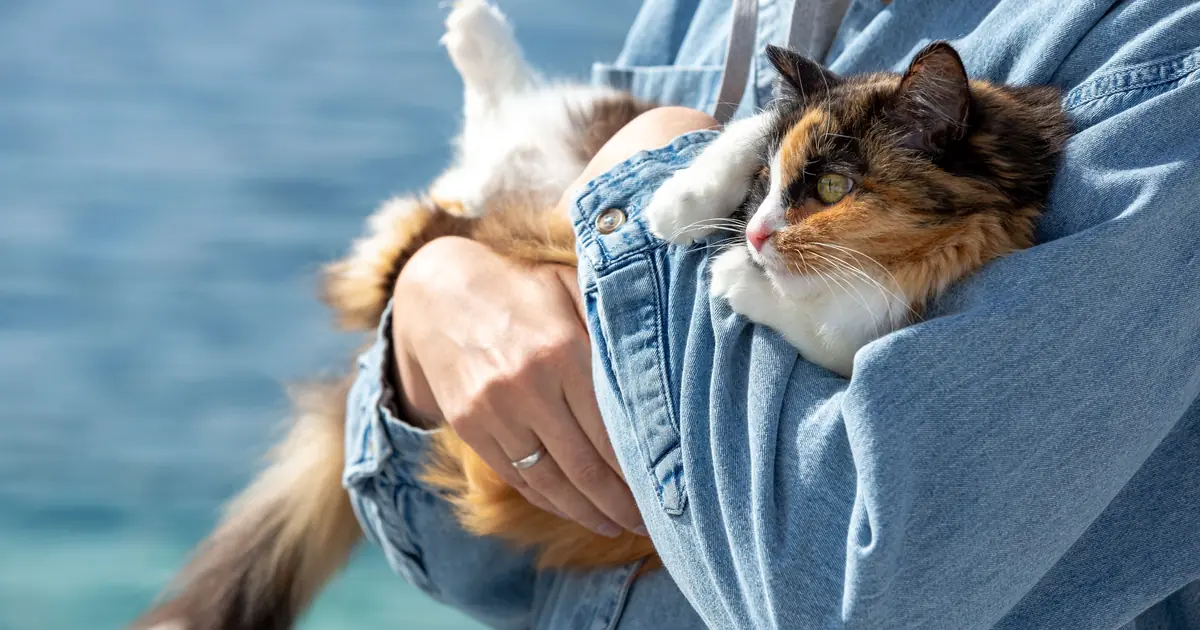
Picture this: you scoop your cat up for a cuddle, and within three seconds they’ve gone stiff as a board and are giving you the “put me down now” stare. Meanwhile your neighbor’s cat practically launches into her arms every time she bends down. Same species, wildly different reactions.
So what’s actually going on? Cats aren’t being dramatic or ungrateful when they squirm out of a hug. There’s real feline psychology behind why some cats melt into your arms and others treat being picked up like a small emergency. Once you understand what’s driving it, you can figure out where your own cat falls on that spectrum, and how to make being held a little more pleasant for both of you.
- Most cats tolerate being picked up rather than truly loving it, since it removes their sense of control and their escape route.
- Kittens handled gently and often between two and seven weeks of age typically grow into cats more comfortable with being held.
- Adult cats should never be picked up by the scruff. Scruffing is only appropriate for very young kittens whose mothers still carry them that way.
- Warning signs a cat wants down include a stiff body, flattened or backward ears, a swishing or thumping tail, and active wriggling.
- The correct way to hold a cat supports both the chest and the hind end, keeping the spine level instead of letting the back legs dangle.
Do Cats Actually Like Being Picked Up?
Some cats do, but plenty don’t, and both reactions are completely normal. Cats are a species built around choice and control. On the ground, they can flee, hide, or approach on their own terms. The moment you lift a cat into the air, all of that control disappears in an instant.
That doesn’t mean holding a cat is wrong. It means the answer is genuinely cat-specific. A confident, well-socialized cat who’s been handled since kittenhood might lean into a pickup and start purring immediately. A more anxious or independent cat might tolerate a quick lift but squirm the second you try to hold them longer than a few seconds. Neither response says anything about whether that cat loves you. It’s mostly about temperament and history, not affection.
Why Do So Many Cats Dislike Being Picked Up?
Most cats dislike being picked up because it takes away their control, blocks their escape route, and can trigger memories of past handling that felt scary or painful. Cats are both predator and prey in the wild, and prey animals instinctively hate having their feet leave solid ground.
A few specific reasons show up again and again:
- Loss of control: A cat on all fours can bolt in a heartbeat. A cat in your arms can’t, and that loss of an exit strategy is stressful even for a cat who trusts you.
- Physical restraint: Being held still, even gently, mimics the kind of restraint a cat associates with the vet clinic, nail trims, or being scruffed as a kitten.
- Past bad experiences: A cat who was picked up roughly, dropped, or grabbed by a child may generalize that fear to any pickup attempt going forward.
- Pain or discomfort: Arthritis, an injury, or a sensitive belly can make being lifted physically uncomfortable, especially in senior cats.
- Poor support: If the back legs or hindquarters dangle unsupported, a cat’s core has to work to stabilize itself, which feels awkward and insecure fast.
According to International Cat Care, cats are highly sensitive to how much control they have over an interaction, and handling that ignores their choice tends to increase stress hormones even in cats that don’t struggle or vocalize.
Why Do Some Cats Love Being Held?
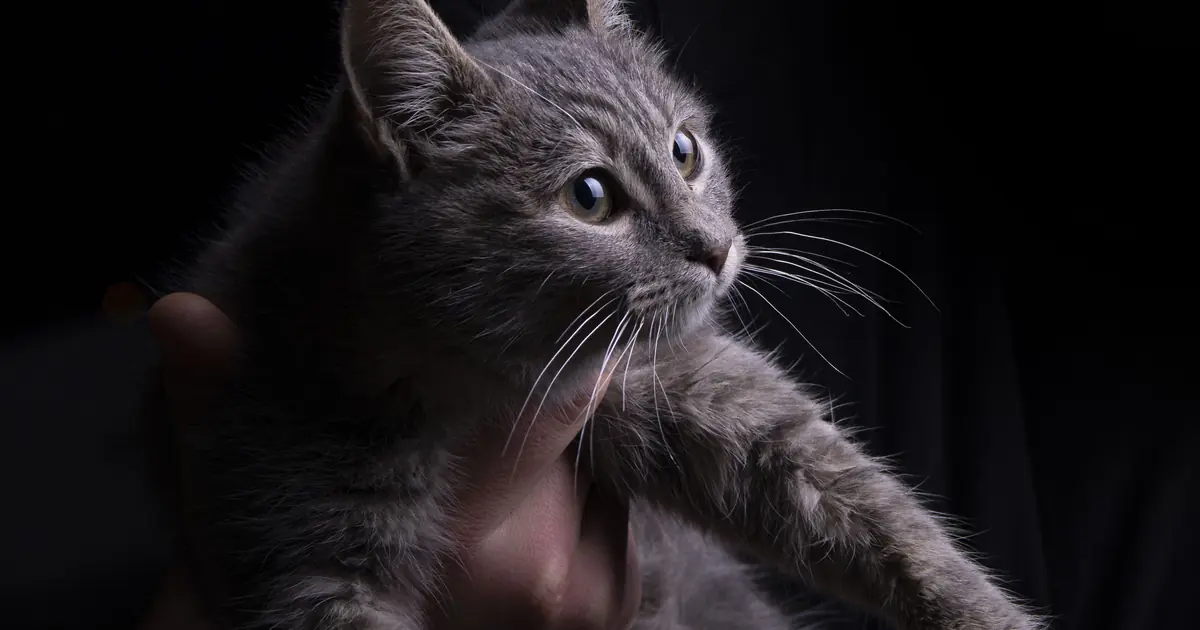
Some cats genuinely enjoy being picked up because they associate it with warmth, closeness, and a predictable, positive routine built over years of gentle handling. These cats have usually learned, through repetition, that being lifted leads to good things: a lap, a chin scratch, a favorite spot by the window.
Bonding plays a role too. A cat who shows love toward you through slow blinking or following you room to room is often more receptive to being held as well. Body heat matters too. Cats run warmer than we do, around 100.5 to 102.5 degrees Fahrenheit, and many seek out warm, enclosed spots. Being tucked against your chest hits that same instinct.
Breed and personality matter here too. Cats bred for people-oriented temperaments, like Ragdolls and Birmans, are more often reported to go limp and relaxed when held, though this varies cat to cat.
Does Kitten Socialization Change How a Cat Feels About Being Held?
Yes. Kittens who are handled frequently and gently between about two and seven weeks of age, a window vets call the primary socialization period, tend to grow into adult cats who are more relaxed about being picked up. This is one of the biggest predictors of how a cat will feel about handling for the rest of its life.
A kitten who only experiences being picked up during scary moments, like a vet visit or a nail trim, tends to associate the whole act with stress. A kitten picked up calmly for cuddles and gentle play learns that hands lifting them off the ground usually mean something good. An adult cat adopted from a hoarding situation or a shelter with little handling may need slower, more patient work before they feel okay being held at all.
How Do You Pick Up a Cat the Right Way?
The correct way to pick up a cat supports both the front half and the back half of the body at once, keeps the hold brief, and never uses the scruff on an adult cat. Doing this well is often the single biggest factor in whether a cat tolerates or resists being lifted.
- Approach calmly and let the cat see you coming. Don’t scoop from behind or startle a sleeping cat.
- Slide one hand under the chest, just behind the front legs. This becomes your main support point.
- Slide your other hand or forearm under the hindquarters and back legs. This stops the back half from dangling.
- Lift smoothly in one motion, keeping the spine roughly level. Avoid tipping the cat vertically or swinging them.
- Hold the cat close to your body, not out at arm’s length. Being held close to a stable chest feels far more secure than hanging in open air.
- Keep it brief, especially at first. A few seconds is plenty for a cat who’s unsure. Set them down before they start to struggle.
For a full step-by-step walkthrough with more troubleshooting tips, our guide on how to pick up a cat covers technique in more depth.
One rule matters more than any other: never pick up an adult cat by the scruff of the neck. Mother cats carry very young kittens this way because a kitten’s scruff reflex temporarily numbs pain and induces stillness, but this reflex fades with age. VCA Hospitals notes that scruffing an adult cat is unnecessary and can cause fear or defensive aggression rather than calm.
How Can You Tell If Your Cat Wants Down?
A cat who wants down almost always tells you clearly through body language before things escalate to biting or scratching. The signs are consistent and easy to learn once you know what to look for. Reading general cat body language cues will help here too, since the same signals show up in other stressful situations, not just handling.
| Signs Your Cat Is Comfortable Being Held | Signs to Put Your Cat Down Right Now |
|---|---|
| Relaxed, loose body with soft muscles | Stiff, rigid, or tense body |
| Ears forward or in a neutral position | Ears flattened or pinned back |
| Tail hanging still or gently curled | Tail lashing, thumping, or puffed up |
| Slow blinking or half-closed eyes | Dilated pupils and a fixed stare |
| Purring or gentle kneading | Growling, hissing, or a low warning meow |
| Staying still or leaning into you | Active wriggling, twisting, or pushing away |
The moment you see the signals in that second column, set your cat down gently and let them walk away. Forcing a hold past that point is how scratches and bites happen, and it teaches your cat that being picked up is a fight rather than a routine.
How Can You Help a Cat Enjoy Being Held More?
You can help a reluctant cat get more comfortable with being held by going slowly, pairing pickups with rewards, and always respecting a clear “no.” This isn’t a fast process, and rushing it usually backfires.
- Start with just a second or two. Pick your cat up, hold briefly, then set them down before they ask to leave.
- Pair it with something good. A treat or a few strokes right after being set down helps build a positive association over time.
- Pick a calm moment. A cat who’s already sleepy or relaxed on your lap is a much easier candidate than one who’s alert and playing.
- Let your cat come to you first. If your cat tends to keep their distance, work on building trust with techniques to get a cat to come to you before adding the extra step of lifting them.
- Watch for overstimulation, not just fear. A cat who was enjoying being held can suddenly reach their limit and nip. This overlaps with why a cat might bite during petting, since both come down to a threshold being crossed.
- Respect a consistent no. Some cats, even with patient work, will never enjoy being held much. That’s fine. Plenty of cats show affection through being petted or sitting nearby instead, and forcing the issue only erodes trust.
It’s also worth separating being held from other forms of touch your cat might enjoy more. Many cats who squirm out of a hug are perfectly happy with belly rubs or a good chin scratch on their own terms, on the ground, where they still have control. Affection doesn’t have to mean holding.
This article is educational and not a substitute for advice from a licensed veterinarian. If your cat suddenly resists being touched or held after previously enjoying it, or reacts to handling with signs of pain, talk to your vet, since sudden aversion to touch can sometimes point to an underlying medical issue like arthritis or an injury.
Frequently Asked Questions
Q: Do cats hate being picked up?
Not universally. Many cats tolerate or dislike being picked up because it removes their control and escape route, but plenty of cats, especially those handled gently since kittenhood, genuinely enjoy it. Reaction to being lifted depends heavily on individual temperament and history.
Q: Why does my cat struggle every time I pick her up?
A cat who struggles when picked up is usually telling you the hold feels insecure or unwanted, often because the hindquarters aren’t supported or the hold lasts too long. Try supporting both the chest and back legs, and keep pickups brief until your cat builds more trust with the process.
Q: Is it okay to pick up a cat by the scruff?
No, not for an adult cat. Scruffing works on very young kittens because it triggers a temporary stillness reflex tied to how mother cats carry them, but that reflex fades with age, and scruffing an adult cat can cause fear, pain, or defensive aggression.
Q: At what age do kittens need to be handled to like being picked up later?
The key window is roughly two to seven weeks of age, known as the primary socialization period. Kittens handled gently and often during this stretch are far more likely to grow into adult cats comfortable with being held and touched.
Q: How long should you hold a cat before putting them down?
A few seconds is plenty for a cat who’s unsure or new to being held. Even confident cats generally do best with holds of under a minute unless they’re actively relaxed, purring, and showing no signs of wanting down.
Q: Why does my cat like being held by one person but not another?
Cats often associate specific people with specific handling experiences. If one person consistently uses a gentle, well-supported hold and the other doesn’t, or if one person only picks the cat up during stressful moments like vet trips, the cat will naturally prefer the person linked to calmer, more positive handling.
Q: Can forcing a cat to be held damage your relationship with them?
Yes, repeatedly holding a cat past the point where they’re showing clear signs of wanting down, like a stiff body or lashing tail, can teach them that being picked up means a fight. Over time this can make a cat warier of hands in general, not just during pickups.
Q: Do senior cats like being picked up less than younger cats?
Often, yes. Arthritis and joint pain are common in cats over 10, and a 2011 study cited by veterinary sources found signs of degenerative joint disease in a majority of older cats on X-ray. A senior cat who suddenly resists being held may be uncomfortable rather than simply less affectionate, so a vet check is worth considering.

Hello and welcome to The Ideal Cat!
We are some passionate cat owners from different professions. We love our cats and have a lot of experience in how to care for our pets. We are incredibly excited to share our knowledge, experience, and research with you. So you can take good care of your loving cat. We will answer most of the common questions about owning cats, taking care of them, etc. If you have any question contact with us. Thanks for visiting! Enjoy the content.
)