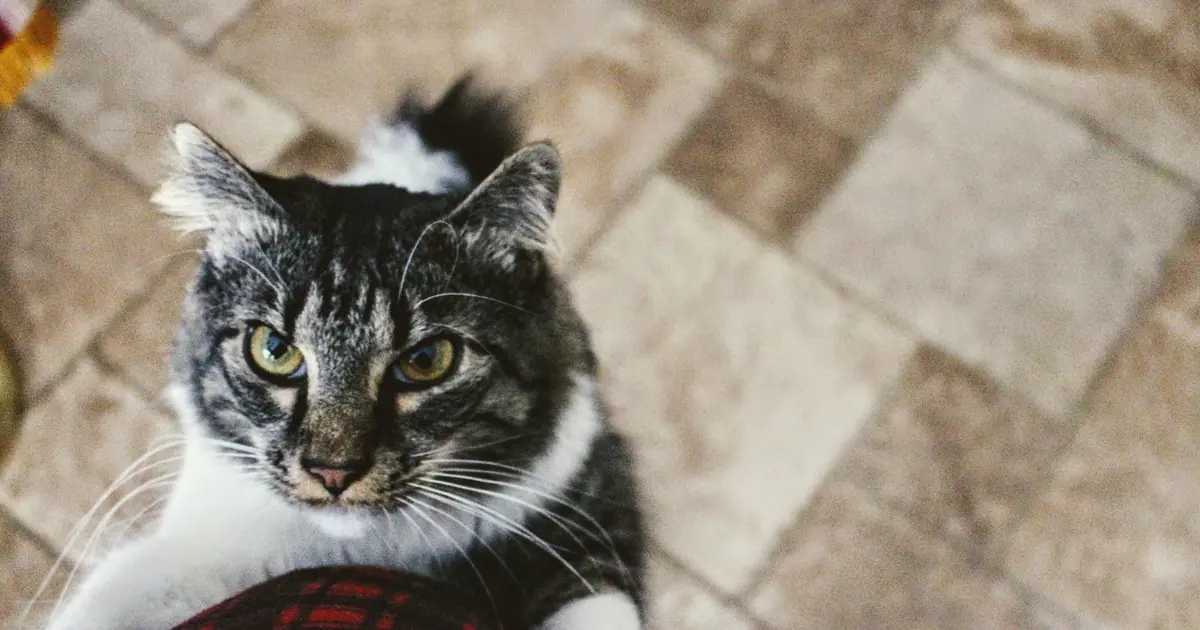
Picture this: you’re on the couch, laptop open, and the second you start typing, your cat plants themselves right on the keyboard. Or maybe it’s worse. A new kitten shows up, and suddenly your resident cat is hissing at the baby gate like it personally wronged them.
It sure looks like jealousy. So do cats get jealous, really, or are we just reading our own feelings into a confused, stressed-out animal? The honest answer is a little of both. Cats absolutely display jealous-like behavior, and in one widely cited survey, 66 percent of cat owners said their cat acted jealous at some point. But whether your cat is feeling the same hot, possessive emotion you’d feel watching your partner flirt with someone else is still up for debate. Here’s what we actually know, and what to do about it.
- A 2021 study found cats pushed a stuffed cat away and monitored their owner more closely when the owner petted it, a response similar to jealousy tests used on dogs and toddlers.
- Unlike dogs in the same type of study, cats did not try to physically separate their owner from the “rival,” suggesting a milder or different response.
- Around 66 percent of cat owners report seeing jealous-looking behavior in their cat, according to owner-reported survey data.
- Most jealous-looking behavior traces back to resource guarding, competition for attention, or stress from a disrupted routine, not a grudge.
- New babies, new pets, and new partners are the three most common triggers for this behavior in cats.
Do Cats Actually Get Jealous?
Cats show behavior that looks a lot like jealousy, though most researchers stop short of confirming it’s the same emotion humans feel. A 2021 study published in the journal Animal Cognition placed cats in a scenario similar to the classic “jealousy test” used on dogs and human infants: the owner ignored their cat to lavish attention on a realistic stuffed cat instead. Real cats responded by watching more closely, approaching, and pushing the fake rival away.
Here’s the interesting twist though. Cats did not try to wedge themselves between their owner and the stuffed cat the way dogs typically do. That gap matters. It suggests cats notice when attention shifts away from them and react to it, but the reaction may be milder, or driven by something other than the possessive jealousy we recognize in ourselves. Cats do have a well-developed limbic system, the part of the brain tied to emotion, so it’s not far-fetched that they feel something. We just can’t ask them what.
What Does Jealous Behavior in Cats Actually Look Like?
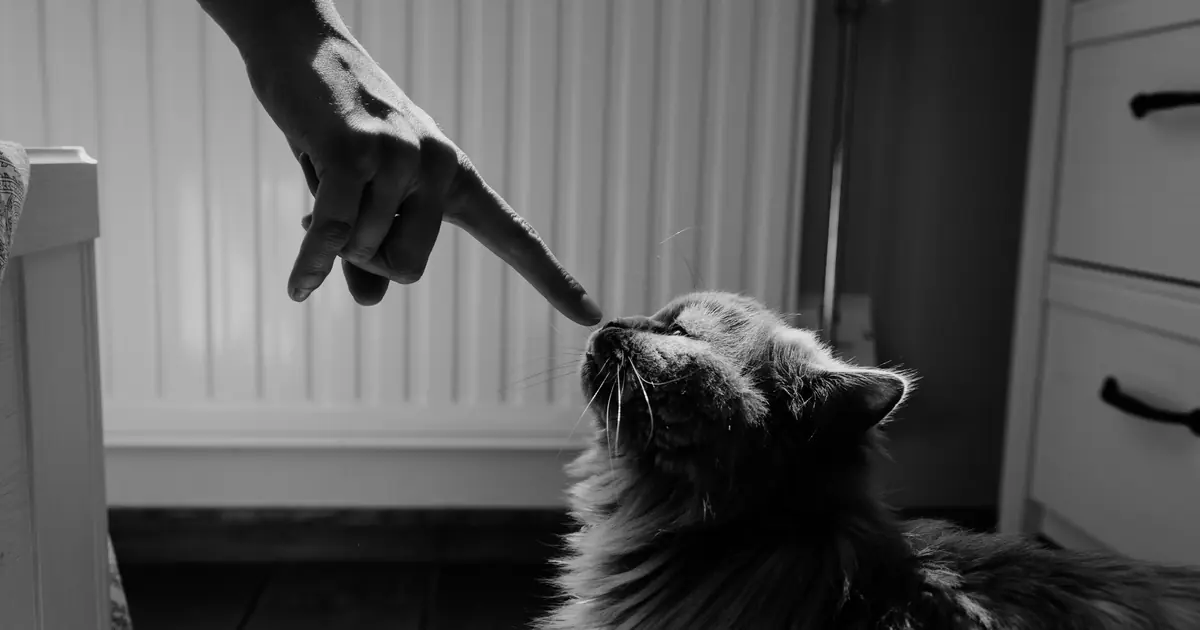
Jealous-looking behavior in cats usually shows up as pushing in, blocking, or acting out right when attention shifts to someone or something else. You’ve probably seen at least one of these:
- Pushing between you and a laptop, phone, or book: sitting directly on whatever is stealing your focus
- Blocking a rival: physically standing between you and another pet, a partner, or a visitor
- Swatting or hissing: aimed at a new pet, or occasionally at a person, when they get too close to you
- Attention-seeking meowing: loud, repeated calls right when you’re focused elsewhere
- Guarding a favorite spot: refusing to share your lap, a chair, or a sunny windowsill
- Acting out: spraying, hiding, or skipping the litter box when a new baby, pet, or partner moves in
- Knocking things over: a classic “look at me” move when you’ve been distracted too long
None of this means your cat is plotting revenge. It means your cat noticed a resource they value, usually you, is being shared or threatened, and they’re doing what cats do: trying to control access to it. If you want a broader read on what your cat’s posture and expressions are telling you in these moments, our guide to reading feline body language is a good next stop.
Why Do Cats Act Jealous?
Cats act jealous mainly because they’re territorial, routine-loving animals who see you, your lap, and your attention as resources worth protecting. A few things tend to be going on at once:
- Resource competition: attention, food, litter boxes, and prime napping spots are all limited resources in a cat’s mind, and a newcomer means less for them
- Territorial instinct: cats are wired to defend their space, and a new pet or person changes the map overnight
- Routine disruption: cats thrive on predictability, so a new baby’s schedule, a partner moving in, or even rearranged furniture can feel destabilizing
- Insecurity: if a cat isn’t sure where they rank in the household anymore, acting out is often how that anxiety comes out
This is worth sitting with for a second: a cat who’s acting jealous is usually a cat who’s stressed, not a cat who’s spiteful. That distinction changes how you should respond. For more on what stress looks like day to day, check out our post on signs of stress in cats.
Jealous-Looking Behavior vs. What It Really Is
What owners label as jealousy almost always has a more specific root cause underneath it. Here’s how the common behaviors break down:
| What It Looks Like | What’s Really Going On |
|---|---|
| Pushing onto your laptop or book | Wants physical contact and attention, competing with an object for your focus |
| Hissing at a new kitten or puppy | Territorial defense and uncertainty about a stranger in the home |
| Spraying after a baby arrives | Stress and scent-marking to reclaim a sense of control over a changed environment |
| Blocking you from a partner | Resource guarding: protecting access to you specifically |
| Yowling when you’re on the phone | Attention-seeking, often reinforced if it’s worked before |
| Hiding when a new pet moves in | Fear and insecurity, not necessarily jealousy at all |
How Do You Handle a Jealous Cat?
You handle a jealous-acting cat by managing resources and routines, not by punishing the behavior. Scolding a cat for guarding yo
u or a spot in the house usually backfires, since it adds more stress on top of what’s already driving the behavior. Try these instead:
- Keep resources separate. Multiple cats need their own food bowls, water stations, and litter boxes, ideally one per cat plus one extra, spread around the house rather than lined up in one spot.
- Protect one-on-one time. Ten or fifteen minutes of undivided play or petting a day, with no phone and no other pet competing for your lap, goes a long way toward reassuring an insecure cat.
- Keep the routine steady. Feed, play, and settle down for the night at roughly the same times, especially during a big change like a new baby or a move.
- Introduce new pets slowly. Gradual, scent-first introductions behind a closed door for the first few days beat a face-to-face meet and greet every time.
- Add enrichment. Vertical space, scratching posts, and puzzle feeders give a cat outlets and a sense of control that don’t depend on you.
- Consider pheromone diffusers. Synthetic feline facial pheromone products can take the edge off stress during a transition, according to International Cat Care.
- Never punish guarding or spraying. Punishment teaches a stressed cat you’re unpredictable too, which makes the insecurity worse, not better.
A cat who’s clingy on top of the jealous streak might benefit from a look at our piece on why cats get clingy, and if your cat has always been your shadow, why cats follow their people everywhere covers the attachment side of this in more depth.
When Should You Worry It’s More Than Jealousy?
Sudden or extreme behavior changes deserve a vet visit before you chalk them up to jealousy. Spraying, litter box avoidance, aggression, appetite changes, or hiding can look identical whether the cause is a new baby in the house or a urinary tract infection, arthritis pain, or another medical issue. This article is educational, not a substitute for veterinary care, so if the behavior is sudden, severe, or paired with any physical symptom, get your cat checked out. The ASPCA notes that ruling out a medical cause is always step one before treating a behavior as purely emotional. If aggression toward another pet or a person escalates, a certified feline behaviorist can help you build a structured plan.
Frequently Asked Questions
Q: Can cats be jealous of a new baby?
Yes, cats often act out around a new baby, though it’s usually stress and disrupted routine rather than jealousy of the baby itself. New smells, sounds, and a sudden drop in attention can make a cat spray, hide, or become clingy.
Q: Do cats get jealous of other cats?
Cats commonly show jealous-looking behavior around other cats, especially new ones, including blocking, hissing, and guarding shared resources like food or litter boxes. This is usually territorial competition rather than emotional jealousy.
Q: Why does my cat push between me and my partner?
Your cat is likely guarding access to you as a valued resource, a behavior seen in the 2021 Animal Cognition study on feline jealousy. It’s a bid for attention and reassurance, not a sign your cat dislikes your partner.
Q: Is it bad to let my cat act jealous?
Letting mild jealous behavior slide is fine, but ignoring escalating signs like spraying or aggression can let stress build. Address the root cause with routine, resources, and one-on-one time rather than punishing the behavior itself.
Q: How do I stop my cat from being jealous of my new pet?
Slow, scent-first introductions over one to two weeks, separate food and litter resources, and equal one-on-one attention for both pets are the most effective ways to ease jealousy-like behavior around a new pet.
Q: Can jealousy in cats turn into aggression?
Yes, unmanaged resource guarding and insecurity can escalate into swatting, hissing, or fighting between pets. If aggression continues past the first few weeks of an introduction, a feline behaviorist can help build a structured plan.
Q: Do male or female cats get jealous more?
There’s no strong evidence that sex determines how jealous-looking a cat’s behavior is. Individual personality, early socialization, and how territorial a specific cat is matter more than whether they’re male or female.
Q: What’s the difference between jealousy and resource guarding in cats?
Jealousy implies an emotional response to a perceived threat to a relationship, while resource guarding is a more concrete defense of food, space, or attention. Most feline behavior labeled “jealousy” is actually resource guarding or stress.

Hello and welcome to The Ideal Cat!
We are some passionate cat owners from different professions. We love our cats and have a lot of experience in how to care for our pets. We are incredibly excited to share our knowledge, experience, and research with you. So you can take good care of your loving cat. We will answer most of the common questions about owning cats, taking care of them, etc. If you have any question contact with us. Thanks for visiting! Enjoy the content.
