- A deshedding brush removes loose undercoat fur, which reduces both shedding around your home and hairballs your cat swallows.
- Deshedding tools like the FURminator and self-cleaning slicker brushes are the most effective options for heavy shedders.
- Deshedding brushes should only be used once or twice a week, since overuse can irritate or damage your cat’s skin.
- Long-haired and double-coated cats shed the most and benefit most from a dedicated deshedding tool.
- Regular deshedding cuts down on the fur your cat swallows while grooming, which lowers the risk of hairballs.
Related reading: best cat brush. cat slicker brush. how to help a cat with hairballs.
Our Top Picks
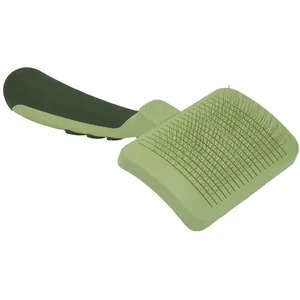
Safari Self-Cleaning Slicker Brush for Cats
Best Overall
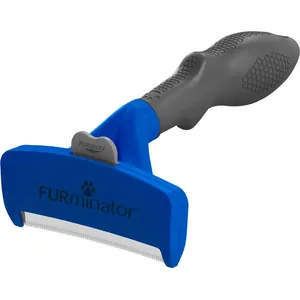
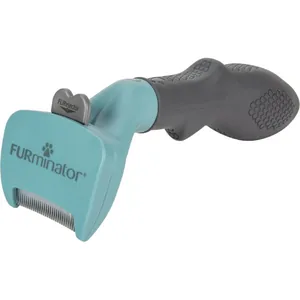
FURminator Short Hair Dog Deshedding Tool, Blue, Large
Best for Short-Haired Heavy Shedders
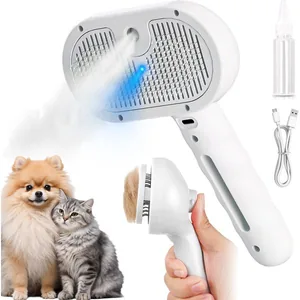
VIVIPAL 2-in-1 Self-Cleaning Slicker Brush
Best for Mats and Tangles
How to Pick the Right Cat Shedding Brush for YOUR Cat
Before you spend a dime, answer these three quick questions about your cat. The answer points you straight to the right type of brush.1. How long is your cat’s hair?
This is the single biggest factor. Short-haired cats (think tabbies, Bengals, Siamese) shed differently than long-haired cats (Maine Coons, Persians, Ragdolls). Their coats need different tools.- Short hair (under 2 inches): A bristle brush, grooming glove, or short-hair deshedding tool works best.
- Medium hair: A self-cleaning slicker brush handles loose fur and small tangles.
- Long hair (over 2 inches): You need a long-tine slicker brush plus a long-hair deshedding tool for the undercoat.
2. Does your cat have an undercoat?
Most cats have two layers: a topcoat you can see, and a soft undercoat hiding underneath. The undercoat is where 80% of shedding actually comes from. If your cat has a thick, dense feel when you scratch their back, they have a heavy undercoat. They need a deshedding tool, not just a regular brush.3. Does your cat tolerate being touched?
Be honest. Some cats love grooming. Others act like you’re trying to perform surgery. If yours falls into the second camp, skip the metal-pin slicker brushes for now. Start with a soft grooming glove. They feel like petting and don’t trigger as much resistance.The 6 Best Cat Shedding Brushes Compared at a Glance
| Brush | Best For | Coat Type | Type |
|---|---|---|---|
| Safari Self-Cleaning Slicker | Most cats overall | Short to medium | Slicker |
| FURminator Short Hair | Heavy shedders, short coat | Short hair | Deshedder |
| FURminator Long Hair | Fluffy breeds | Long hair | Deshedder |
| VIVIPAL 2-in-1 Self-Cleaning Slicker Brush | Mats and tangles | All coats | Slicker |
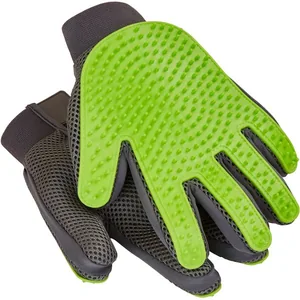
| Frisco Grooming Glove | Skittish cats | Short to medium | Glove |
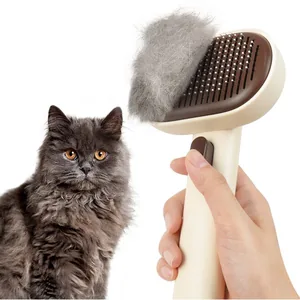
| Aumuca Self Cleaning Slicker | Budget pick | All coats | Slicker |
The 6 Best Cat Shedding Brushes Reviewed
1. Safari Self-Cleaning Slicker Brush for Cats (Best Overall)
2. FURminator Short Hair deShedding Edge (Best for Short-Haired Heavy Shedders)
3. FURminator Long Hair Cat Deshedding Tool (Best for Fluffy Breeds)
VIVIPAL 2-in-1 Self-Cleaning Slicker Brush: Best Self-Cleaning
The VIVIPAL 2-in-1 Self-Cleaning Slicker Brush combines a fine-pin slicker with a one-press cleaning button. Brush your cat, hit the button, and the pins retract so all that collected fur pops off into the trash in one motion. No more picking clumps out of the bristles.
It pulls double duty as a deshedding tool, reaching loose undercoat while smoothing the top layer. That makes it a solid all-in-one for cat parents who don’t want a drawer full of separate brushes. Use it once or twice a week on heavy shedders and empty it as you go.
Pros:
- Self-cleaning button ejects collected fur in one quick press
- Works as both a slicker and a deshedding tool
- Fine pins reach loose undercoat to cut down on shedding
- Saves money by replacing two separate grooming tools
Cons:
- Fine pins can irritate skin if used too often or too firmly
- Retract mechanism may wear out faster than a basic slicker
5. Frisco Grooming Glove (Best for Skittish Cats)
6. Aumuca Self Cleaning Slicker Brush (Best Budget Pick)
The Big Mistake Most Cat Parents Make With Deshedding Tools
Here’s something nobody tells you when you buy your first FURminator: you can damage your cat’s coat by using it too often. Deshedding tools work by reaching beneath the topcoat to pull out loose undercoat hair. That’s amazing once or twice a week. But if you use one every day, you’ll start thinning the undercoat itself. That undercoat isn’t just fluff. It insulates your cat, regulates their body temperature, and protects their skin. Vets and groomers recommend using a deshedding tool no more than 1-2 times per week for 10-20 minutes per session. If you want to brush daily, use a slicker brush or grooming glove on the other days. Save the deshedder for your weekly heavy lifting. Signs you might be overdoing it:- Bald or thinning patches starting to show
- Skin irritation or redness after grooming
- Your cat suddenly hates the brush they used to tolerate
- The coat looks duller or rougher than before
How Often Should You Actually Brush Your Cat?
Brushing frequency depends entirely on coat length. Here’s the general rule veterinarians give:- Short-haired cats: 1-2 times per week is plenty. They shed less and don’t tangle.
- Medium-haired cats: 2-3 times per week to keep loose fur under control.
- Long-haired cats: Daily brushing is ideal. Their fur mats fast, and a single missed week can lead to painful knots.
- During shedding season (spring and fall): Add an extra session or two per week regardless of coat type.
My Cat Hates Being Brushed. How Do I Even Start?
You’re not alone. Plenty of cats act like the brush is a personal attack the first time you bring it out. The good news is most cats can learn to tolerate (or even enjoy) brushing if you approach it the right way. Here’s a simple progression that works for most cats:- Let them sniff the brush first. Don’t try to brush. Just hold it out, let them sniff it, rub their face on it if they want. Reward with a treat. Do this for a few days.
- Start with their favorite spots. Most cats love being scratched on the head, chin, and cheeks. Do 2-3 quick strokes there with the brush, then stop. Big treat.
- Keep sessions tiny at first. 30 seconds is plenty. The goal isn’t to remove all the hair. The goal is to teach your cat that brushes equal good things.
- Read the body language. Tail flicking fast, ears pinned back, skin twitching? Stop. End on a positive note before they get annoyed.
- Pick the right time. A relaxed, post-meal cat is way easier to brush than a cat who just spotted a bird out the window.
When Excessive Shedding Means Something’s Wrong
Shedding is totally normal. But sometimes it’s your cat’s way of telling you something is off. Here’s when to call your vet instead of just brushing more:- Sudden, dramatic increase in shedding without a seasonal explanation
- Bald patches or thinning in specific areas
- Red, irritated, or flaky skin showing through the coat
- Constant scratching or over-grooming (could mean fleas, allergies, or stress)
- Dull, brittle, or greasy fur alongside the shedding
- Behavior changes like hiding, eating less, or low energy
Tips to Reduce Shedding Beyond Brushing
The brush is your main weapon, but it’s not the only one. A few quick adds that make a real difference:- Feed for the coat. Foods with omega-3 and omega-6 fatty acids support healthy skin and stronger fur that sheds less. Look for fish, fish oil, or flaxseed on the ingredient list.
- Keep them hydrated. Dehydrated skin sheds more. Wet food helps. So does a pet water fountain if your cat isn’t a big drinker.
- Control the indoor climate. Dry air in winter makes coats brittle. A humidifier helps both you and your cat.
- Watch for stress. Stressed cats over-groom and shed more. New pets, new homes, and loud noises can all set this off.
Cat Shedding Brush FAQ
Q: Do cat shedding brushes really work?
Yes, a good cat shedding brush can reduce loose hair around your home by 60-90% when used regularly. Deshedding tools like the FURminator pull out the loose undercoat before it ends up on your furniture. The key is matching the brush to your cat’s coat and using it the right number of times per week.Q: How often should I use a deshedding brush on my cat?
Use a deshedding tool like a FURminator 1-2 times per week for 10-20 minutes per session. Daily use can thin your cat’s undercoat and damage their coat over time. For daily brushing, switch to a softer slicker brush or grooming glove.Q: What’s the difference between a slicker brush and a deshedding tool?
A slicker brush has fine wire pins that smooth the coat and remove surface loose hair. A deshedding tool has a metal edge that reaches under the topcoat to pull out the loose undercoat where most shedding actually comes from. Most cats benefit from owning both.Q: Is the FURminator safe for cats?
Yes, when used correctly. The FURminator doesn’t cut skin or damage the topcoat if you use light pressure and follow the 1-2 times per week guideline. Don’t use it on cats with thin coats, sensitive skin, or open sores, and pick the right size and version (short hair or long hair) for your cat.Q: Can I use a dog brush on my cat?
Some dog brushes work fine on cats, especially slicker brushes labeled for both. But cat skin is thinner and more sensitive than dog skin, so avoid stiff dog bristle brushes or harsh deshedding tools designed for thick double coats. When in doubt, pick a brush labeled for cats.Q: How long does it take to see less shedding after I start brushing?
Most cat parents notice a clear difference within 1-2 weeks of regular brushing. You’ll see less hair on furniture, fewer hairballs, and a softer, shinier coat on your cat. The first few brushing sessions usually pull out the most fur as you clear backed-up undercoat.Q: Why does my cat shed so much even though I brush her?
Heavy shedding despite regular brushing can mean you’re using the wrong brush type, not brushing frequently enough, or there’s a health issue at play. Diet, dehydration, allergies, parasites, and stress can all increase shedding. If you’ve tried the right brush at the right frequency for a month and nothing changes, see your vet.Q: Should I bathe my cat to reduce shedding?
Most cats don’t need regular baths. They groom themselves well. An occasional bath during heavy shedding season can help loosen dead fur, but bathing too often dries out the skin and can actually increase shedding. Brushing is much more effective for most cats.Final Thoughts
The right cat shedding brush isn’t the most expensive one or the one with the most fancy features. It’s the one that matches your specific cat. Short-haired tabby? Start with a grooming glove or the Safari slicker. Maine Coon with hairballs? You need the FURminator Long Hair. Skittish rescue who still doesn’t trust you? Reach for the Frisco glove and take it slow. Whichever you pick, remember that consistency beats intensity. Five minutes twice a week will do more for your cat (and your couch) than one frustrating hour-long session every month. Pair the right brush with the right routine, and that black sweater stays black. Happy brushing.
Hello and welcome to The Ideal Cat!
We are some passionate cat owners from different professions. We love our cats and have a lot of experience in how to care for our pets. We are incredibly excited to share our knowledge, experience, and research with you. So you can take good care of your loving cat. We will answer most of the common questions about owning cats, taking care of them, etc. If you have any question contact with us. Thanks for visiting! Enjoy the content.
)