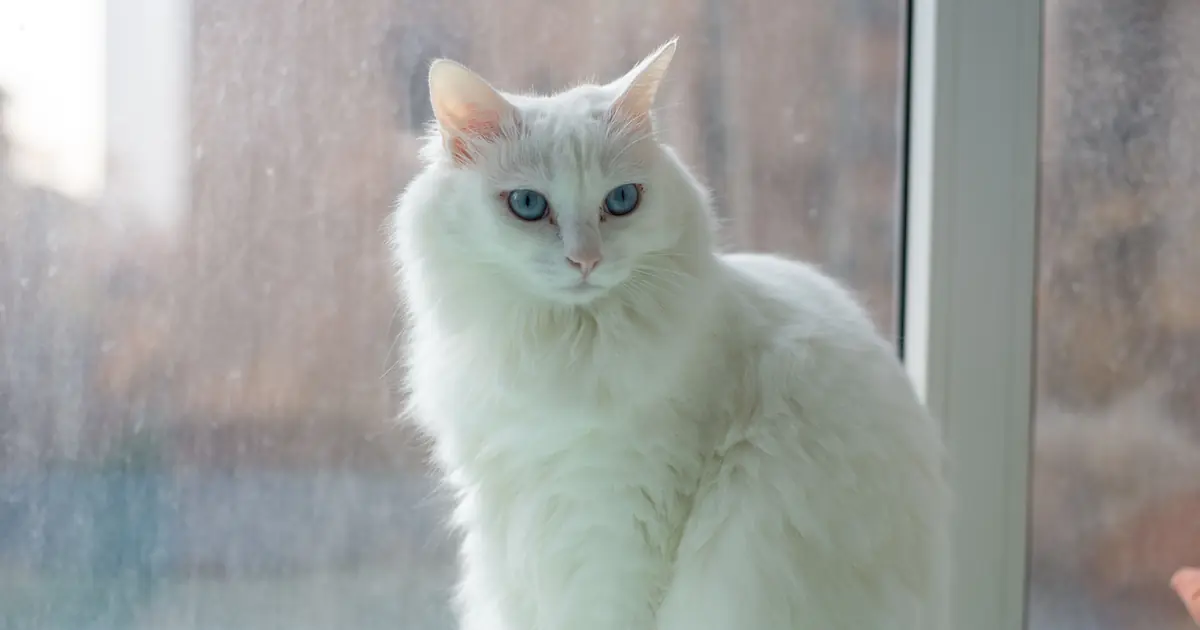
Some cats look like they got dressed for a fancy party and never took the outfit off. That flowing coat, the fluffy tail, the little pantaloons on the back legs. If you’ve fallen for a long-haired cat, you already know the pull.
Long-haired breeds are stunning, cuddly, and full of personality. They also come with a brush and a bit of commitment. Here’s a friendly roundup of the most popular long-haired cat breeds, what each one is really like to live with, and how much grooming you’re actually signing up for.
- Popular long-haired cat breeds include the Maine Coon, Persian, Ragdoll, Siberian, Norwegian Forest Cat, Birman, and Himalayan.
- Long-haired cats need more grooming than short-haired cats, usually brushing 3 to 7 times a week to prevent painful mats and reduce hairballs.
- No long-haired cat is truly hypoallergenic, because the Fel d 1 allergen comes from a cat’s saliva and skin, not the length of its fur.
- The Persian and Himalayan need daily brushing, while the Ragdoll, Ragamuffin, and Balinese have silkier coats that mat less.
- Pick a breed by matching its energy, grooming needs, and personality to your home, not just its looks.
What counts as a long-haired cat breed?
A long-haired cat breed is any cat with a coat long enough to flow, drape, or plume, usually more than about two inches. Some, like the Persian, have a dense double coat with a thick undercoat. Others, like the Balinese, have a single silky coat with no heavy underlayer. That difference matters a lot, because a plush double coat mats and sheds more than a fine single one.
Long fur is a natural trait shaped by breeding and, originally, by cold climates. Breeds from chilly places like Norway, Siberia, and the mountains of Turkey grew thick coats to survive harsh winters. That heritage is exactly why so many fluffy cats trace back to cold corners of the world.
The 12 most popular long-haired cat breeds at a glance
Here’s a quick comparison of twelve favorite long-haired breeds, with origin, personality, and how much brushing each one needs. Use it as a shortlist, then read the profiles below for the full picture.
| Breed | Origin | Personality | Grooming (brushing) |
|---|---|---|---|
| Maine Coon | United States (Maine) | Gentle, dog-like, playful | 2 to 3 times a week |
| Persian | Iran (Persia) | Calm, quiet, laid-back | Daily |
| Ragdoll | United States (California) | Docile, affectionate, floppy | 2 to 3 times a week |
| Siberian | Russia | Playful, loyal, agile | 2 to 3 times a week |
| Norwegian Forest Cat | Norway | Independent, sturdy, friendly | 2 to 3 times a week |
| Birman | Myanmar (Burma) | Sweet, gentle, people-loving | 2 to 3 times a week |
| Himalayan | United States/UK (crossbreed) | Mellow, sweet, quiet | Daily |
| Ragamuffin | United States | Cuddly, easygoing, mellow | 2 to 3 times a week |
| Turkish Angora | Turkey (Ankara) | Smart, lively, mischievous | 1 to 2 times a week |
| Somali | Somalia/US (longhair Abyssinian) | Active, curious, clever | 1 to 2 times a week |
| Balinese | United States (longhair Siamese) | Vocal, social, intelligent | 1 to 2 times a week |
| Nebelung | United States | Shy, gentle, devoted | 2 times a week |
Maine Coon: the gentle giant
The Maine Coon is one of the largest domestic cat breeds, and one of the friendliest. Males can reach 15 to 25 pounds, with a shaggy, water-resistant double coat, a bushy tail, and tufted “lynx” ears. This breed developed naturally in the cold Northeast of the United States, which is why the coat is so weatherproof.
Maine Coons are famously dog-like. They follow you around, play fetch, chirp and trill instead of meowing, and many don’t mind water. Brush that thick coat two to three times a week, more during seasonal sheds. Want the deep dive? Our full Maine Coon cat guide covers size, care, and personality.
Persian: the glamorous couch cat
The Persian is the classic long-haired cat, with a long, flowing double coat, a flat face, and big round eyes. It’s also one of the highest-maintenance coats in the cat world. That fine, cottony fur mats easily, so Persians need daily brushing and regular face-wiping to keep tear stains at bay.
Personality-wise, Persians are the definition of a lap cat. Quiet, sweet, and happy to lounge, they’d rather supervise from a cushion than climb the curtains. If a Persian is on your list, read our Persian cat guide before you commit to the grooming routine. Honestly, if you won’t brush daily, pick a different breed.
Ragdoll: the cat that goes limp when you hold it
The Ragdoll is a big, docile, blue-eyed breed famous for flopping in your arms like, well, a rag doll. Its coat is long and silky but has a sparse undercoat, so it mats far less than a Persian’s. That makes the Ragdoll one of the easier long-haired cats to groom, needing just a couple of brushings a week.
Ragdolls are gentle, affectionate, and love to follow their people from room to room. They’re great with kids and other pets. Curious about size and temperament? Our Ragdoll cat guide has the full story.
Siberian: the fluffy one people with allergies ask about
The Siberian is Russia’s national cat, a sturdy, agile breed with a thick triple coat built for brutal winters. Despite all that fur, Siberians are often on “lower-allergen” lists because some produce less Fel d 1 protein than average. To be clear, they are not hypoallergenic, but some allergy sufferers do tolerate them better.
Siberians are playful, loyal, and surprisingly athletic, with a soft spot for their families. They shed heavily twice a year and need brushing two to three times a week (daily during a big shed). Our Siberian cat breed guide digs into the allergy question in more detail.
Norwegian Forest Cat: the Viking’s cat
The Norwegian Forest Cat, or “Wegie,” is a large, muscular breed with a glossy, water-shedding top coat and a wooly undercoat. Legend says these cats sailed with the Vikings around 1,000 years ago. They’re built for cold, with a ruff around the neck and a full plumed tail.
Wegies are independent but affectionate, excellent climbers, and calmer than the similar-looking Maine Coon. Brush two to three times a week, and expect a serious shed in spring when that winter coat comes off in clumps.
Birman: the sacred cat of Burma
The Birman is a color-pointed breed with striking blue eyes and pure white “gloves” on all four paws. Its silky, medium-long coat has almost no undercoat, so it resists matting and stays low-fuss. A brush a couple of times a week keeps it glossy.
Birmans are gentle, quiet, and deeply people-oriented. They love company and often greet you at the door. If you want a long-haired cat with an easy coat and a sweet temperament, the Birman is hard to beat.
Himalayan: Persian looks with Siamese points
The Himalayan is a cross between the Persian and the Siamese, so it has the Persian’s long, luxurious coat and the Siamese color points and blue eyes. Like the Persian, that thick double coat mats fast and needs daily brushing plus face care.
“Himmies” are calm, sweet, and low-energy, happiest curled up somewhere soft. They’re a lovely lap cat for a quiet home, as long as you’re ready for the daily grooming commitment that comes with the coat.
Ragamuffin: the teddy bear cat
The Ragamuffin is a close relative of the Ragdoll, known for its huge size, plush rabbit-soft coat, and sweet expressive eyes. The fur is dense but silky, with a moderate tendency to mat, so brushing two to three times a week keeps it in shape.
Ragamuffins are famously cuddly and easygoing. They go limp when held, love to be carried, and get along with just about everyone. Think of them as a slightly fluffier, more colorful cousin of the Ragdoll.
Turkish Angora: the elegant acrobat
The Turkish Angora is one of the oldest natural breeds, tracing back to the Ankara region of Turkey. It has a fine, silky single coat with no heavy undercoat, which means minimal matting and only light grooming, about once or twice a week.
Don’t let the delicate looks fool you. Angoras are smart, athletic, and mischievous, often found on top of the fridge or splashing in the water bowl. They bond hard with their people and stay playful well into adulthood.
Somali: the fox in cat form
The Somali is the long-haired version of the Abyssinian, with a ticked, warm-toned coat and a spectacular bushy tail that earns it the “fox cat” nickname. The medium-long coat is soft and rarely mats, so a weekly brush usually does it.
Somalis are busy, brilliant, and endlessly curious. They open cabinets, learn tricks, and need plenty of play and climbing space. This is not a cat that wants to nap all day, so match it to an active home.
Balinese: the long-haired Siamese
The Balinese is essentially a Siamese with a long, silky coat and a plumed tail. It has a single coat and no woolly undercoat, so it’s one of the lowest-maintenance long-haired breeds, needing just a weekly comb-through.
Balinese cats are chatty, clever, and very social. They’ll tell you about their day in that classic Siamese voice and expect you to answer. If you want a talkative, dog-loyal companion with a graceful coat, this is your cat.
Nebelung: the quiet blue beauty
The Nebelung is a rare, long-haired blue cat, essentially a longhaired Russian Blue, with a shimmering silver-tipped coat and green eyes. The name comes from the German word for “creature of the mist.” Its soft double coat needs brushing about twice a week.
Nebelungs are shy with strangers but devoted to their chosen people. They’re gentle, sensitive, and thrive on routine and calm. If you love the misty gray look, our roundup of grey cat breeds covers the Nebelung and its short-haired cousins.
Do long-haired cats need more grooming?
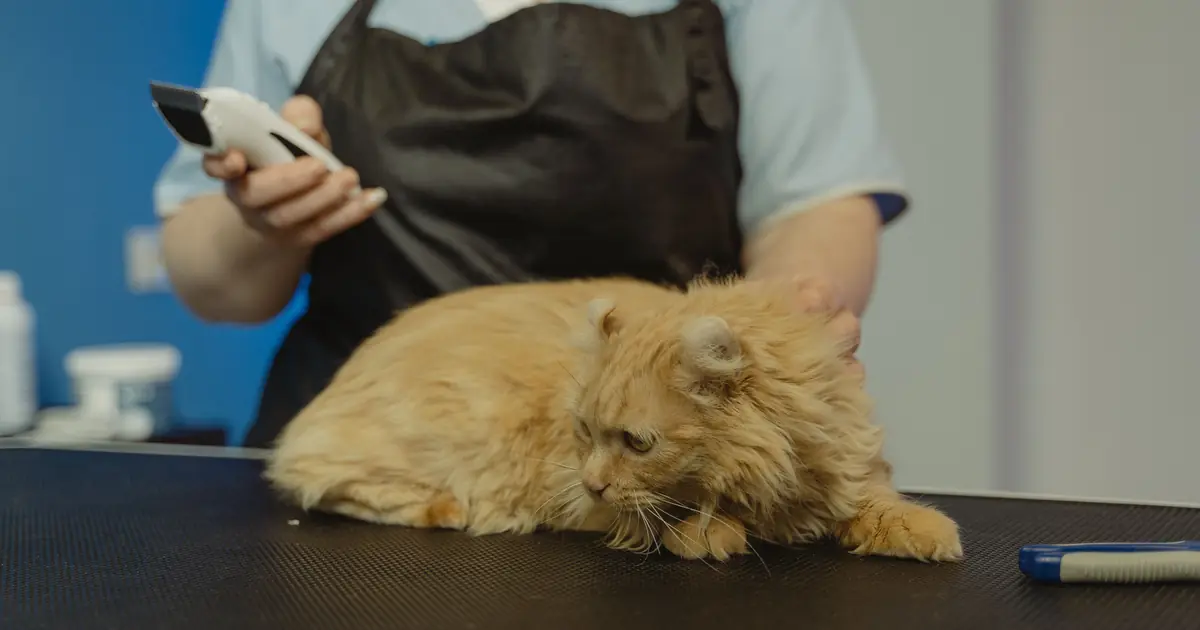
Yes, long-haired cats need noticeably more grooming than short-haired cats. Their long fur tangles and mats without regular brushing, and mats aren’t just ugly, they pull on the skin and can hurt. Most long-haired breeds need brushing 3 to 7 times a week, plus extra attention during seasonal sheds.
Brushing does more than keep a cat pretty. Every session pulls out loose, dead hair before your cat swallows it during self-grooming, which cuts down on hairballs. According to International Cat Care, regular brushing also lets you spot skin issues, fleas, or lumps early. A few grooming basics for any long-haired cat:
- Use the right tools. A wide-tooth comb and a slicker brush reach the undercoat where mats start.
- Brush to the skin, gently. Surface brushing leaves mats forming underneath.
- Watch the trouble spots. Armpits, behind the ears, the belly, and the “pants” mat first.
- Never cut a mat out with scissors. It’s easy to nick the skin. Ask a groomer or vet for tight mats.
- Make it pleasant. Short, calm sessions with treats beat one long wrestling match.
If your cat swallows a lot of loose fur, brushing helps, but hairballs can still happen. Persistent hacking or vomiting is worth a vet chat.
Are long-haired cats hypoallergenic?
No, long-haired cats are not hypoallergenic. This is the biggest myth about fluffy cats. Cat allergies are triggered by a protein called Fel d 1, which is made in a cat’s saliva and skin glands, not by the fur itself. When a cat grooms, that protein spreads onto the coat and then into your home.
Because the allergen comes from saliva and skin, coat length has almost nothing to do with it. Research summarized by the Smithsonian found that every cat produces Fel d 1 regardless of breed, sex, or hair length, so no cat is truly allergen-free. Some breeds, like the Siberian and Balinese, are anecdotally reported to bother certain people less, but that’s individual, not guaranteed. If allergies are a concern, spend time with the specific cat before adopting.
Do long-haired cats shed a lot?
Most long-haired cats shed, and the amount depends on the coat type. Double-coated breeds like the Maine Coon, Persian, Siberian, and Norwegian Forest Cat shed the most, especially during spring and fall coat changes. Single-coated breeds like the Balinese, Turkish Angora, and Somali shed noticeably less.
You can’t stop shedding, but you can manage it. Regular brushing captures loose hair before it lands on your couch, and a healthy diet supports a stronger coat. If you’re seeing bald patches or excessive hair loss rather than normal shedding, that’s a reason to call your vet, since it can signal stress, allergies, or a skin condition.
How do I pick the right long-haired cat breed?
Pick a long-haired breed by matching its grooming needs, energy, and personality to your real life, not just its photo. A gorgeous coat is a daily job with some breeds and a weekly one with others. Be honest about how much brushing you’ll actually do.
Run through these questions before you choose:
- How much grooming can I commit to? Persians and Himalayans need daily care. Balinese, Angoras, and Somalis are far lower-maintenance.
- Do I want calm or active? Ragdolls, Persians, and Ragamuffins are mellow. Somalis, Angoras, and Bengals-of-the-fluffy-world like the Siberian want play and climbing.
- Kids or other pets? Birmans, Ragdolls, and Maine Coons are famously easygoing in busy households.
- Allergy concerns? Remember, no cat is hypoallergenic. Meet the individual cat first.
- Adopt or shop? Many long-haired cats and mixes wait in shelters. You don’t always need a breeder to get a fluffy cat.
Not sure what your current fluffy friend actually is? Our guide on how to tell what breed your cat is can help you sort it out. And whatever breed you land on, register your choice with a breed authority like The International Cat Association if you want documented standards to compare.
Long-haired cat breeds FAQ
Q: What is the most popular long-haired cat breed?
The Maine Coon is consistently one of the most popular long-haired cat breeds worldwide, prized for its large size and gentle, dog-like personality. The Ragdoll and Persian are close runners-up.
Q: Which long-haired cat needs the least grooming?
Single-coated breeds like the Balinese, Turkish Angora, and Somali need the least grooming, usually just one or two brushings a week, because they lack a heavy undercoat that mats. The Persian and Himalayan need the most, requiring daily brushing.
Q: Are any long-haired cats hypoallergenic?
No long-haired cat is truly hypoallergenic. Cat allergies come from the Fel d 1 protein in saliva and skin, not fur length. Some people report reacting less to Siberians or Balinese cats, but this varies by individual and is never guaranteed.
Q: Do long-haired cats shed more than short-haired cats?
Long-haired cats don’t necessarily shed more hair, but the hair they lose is longer and more visible. Double-coated breeds like the Maine Coon and Persian shed heavily during seasonal coat changes, while single-coated breeds like the Angora shed less.
Q: What long-haired cat is best for families with kids?
The Ragdoll, Ragamuffin, Birman, and Maine Coon are all excellent family cats. They’re patient, affectionate, and tolerant of handling, which makes them a good match for homes with children and other pets.
Q: How often should I brush a long-haired cat?
Most long-haired cats should be brushed 3 to 7 times a week, and daily during heavy seasonal shedding. Persians and Himalayans need daily brushing year-round to prevent painful mats, while silkier-coated breeds do fine with a couple of sessions a week.
Q: What is the calmest long-haired cat breed?
The Persian, Himalayan, Ragdoll, and Ragamuffin are among the calmest long-haired breeds. They’re low-energy lap cats that prefer lounging and gentle attention over high-octane play, making them ideal for quieter homes.
Q: Do long-haired cats get more hairballs?
Long-haired cats can get more hairballs because they swallow more loose fur while self-grooming. Regular brushing removes that loose hair before your cat ingests it, which is the simplest way to cut down on hairballs.
In the end, choose the long-haired cat breed whose personality and grooming needs fit your home, and the fluffy coat will feel like a bonus, not a burden. Whether you fall for the giant Maine Coon, the glamorous Persian, or the floppy Ragdoll, keep that brush handy and you’ll have a happy, gorgeous, non-matted cat for years.

Hello and welcome to The Ideal Cat!
We are some passionate cat owners from different professions. We love our cats and have a lot of experience in how to care for our pets. We are incredibly excited to share our knowledge, experience, and research with you. So you can take good care of your loving cat. We will answer most of the common questions about owning cats, taking care of them, etc. If you have any question contact with us. Thanks for visiting! Enjoy the content.
