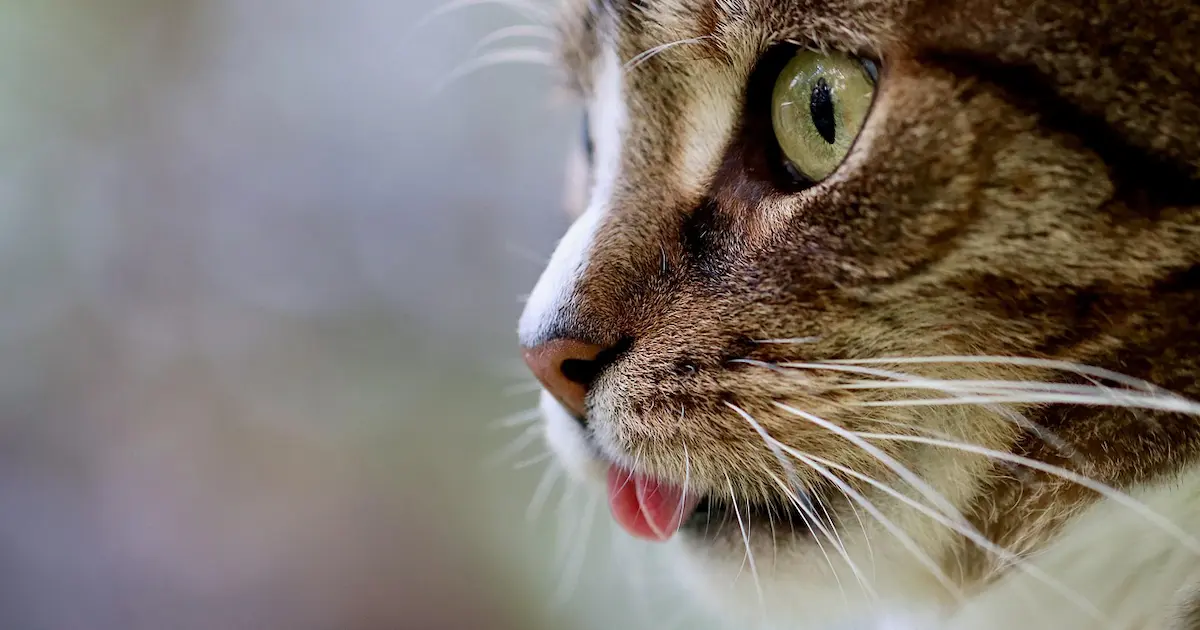
Picture this. You get up to make coffee, and a soft, heavy cat the size of a small dog pads after you into the kitchen. You sit down to work, and there he is again, draped across your lap like a warm blanket that purrs. You go to the bathroom and, yep, he’s waiting outside the door.
That’s life with a Ragamuffin. These cats don’t just like you. They kind of orbit you.
The Ragamuffin is one of the sweetest, most people-obsessed cats you can bring home. But it’s also one of the most misunderstood. Half the internet thinks it’s just a fancy Ragdoll, and because the breed is genuinely rare, plenty of “Ragamuffin” kittens for sale aren’t Ragamuffins at all. So before you fall in love, let’s get you the real story.
| Origin | United States, 1990s |
| Weight (Male) | 15 to 20+ lbs |
| Weight (Female) | 10 to 15 lbs |
| Lifespan | 12 to 16 years |
| Coat | Semi-long, silky, rabbit-soft |
| Colors | Every color and pattern accepted |
| Energy Level | Moderate |
| Grooming Needs | Low to Moderate |
| Good With Kids | Yes |
| Good With Other Pets | Yes, with slow intro |
| Average Price | $800 to $2,500 from breeders |
Where the Ragamuffin Came From
Here’s where things get a little soap-opera dramatic for a cat breed.
Back in the 1960s, a breeder named Ann Baker in Riverside, California started developing cats from a sweet-natured longhaired stray named Josephine. Those cats became the Ragdoll. Baker was protective of her work, to put it kindly. She trademarked the name “Ragdoll,” set up her own registry, and ran the whole thing like a tightly controlled franchise.
By the early 1990s, a group of her breeders had enough. They wanted more freedom to widen the gene pool and breed for a broader range of colors. So they broke away. Because Baker owned the “Ragdoll” trademark, they couldn’t keep the name. In 1994 they relaunched their cats under a brand new name: the Ragamuffin.
The “Muffin” part, by some accounts, was a nod to how big, huggable, and lovable these cats are. Fitting, honestly.
The breed slowly earned official footing. The Cat Fanciers’ Association accepted it for registration in 2003 and granted full Championship status in 2011. Today the Ragamuffin is recognized by the CFA, ACFA, and the UK’s Governing Council of the Cat Fancy, among others. That split is the reason the breed still flies under the radar, and it’s a big clue for spotting fakes later in this guide.
What a Ragamuffin Actually Looks Like
Big. That’s the first word everyone reaches for, and it fits.
A Ragamuffin is a heavily boned, rectangular cat with a broad chest and a short, sturdy neck. Females usually land between 10 and 15 pounds. Males can sail right past 15 and reach 20 pounds or more. Pick one up and it feels less like a cat and more like a very furry, very relaxed bowling ball.
The coat is the showstopper. It’s semi-long, dense, and unbelievably soft, the kind of texture people compare to a rabbit. The good news is it grows longer around the neck into a ruff and feathers out on the back legs, which gives them that plush, teddy-bear look without the daily detangling drama you’d get from a Persian.
Their faces are round and sweet, with puffy whisker pads and large, walnut-shaped eyes that can be any color you can think of: green, gold, copper, blue, or even one of each. And here’s a fun part for color lovers. Unlike their Ragdoll cousins, Ragamuffins come in every color and pattern. Solid, tabby, tortoiseshell, smoke, mink, tuxedo, you name it.
The Slow 4-Year Glow-Up
One thing first-time buyers don’t expect: Ragamuffins take their sweet time growing up. This is a slow-maturing breed that doesn’t reach full size and full coat until around four years old.
So if you bring home a kitten that looks a bit gangly or has a shorter coat than the glossy adults you saw online, don’t panic. Your cat is still cooking. The upside? You get years of that goofy, kittenish personality before they fully settle in.
Ragamuffin vs Ragdoll: How to Actually Tell Them Apart
This is the question everyone asks, so let’s settle it. The two breeds share the same roots, so the family resemblance is real. But once you know what to look for, you can spot the difference in seconds.
Three things give it away:
The eyes. Ragdolls always have blue eyes, and they’re almond-shaped. Ragamuffins have rounder, walnut-shaped eyes that come in any color. If you’re looking at a green-eyed or gold-eyed cat, it’s not a Ragdoll.
The color. Ragdolls always wear a colorpoint pattern, meaning a pale body with darker “points” on the face, ears, legs, and tail. Ragamuffins have no such rule. A solid black or tabby cat can absolutely be a Ragamuffin, never a show Ragdoll.
The flop. Pick the cat up. Ragdolls are famous for going completely limp in your arms, like, well, a rag doll. Ragamuffins are relaxed and cuddly too, but they don’t melt into that signature floppy slump quite the same way.
One more difference that matters if you’re choosing between them: many longtime breeders say Ragamuffins bond even harder to their people than Ragdolls do. Both are velcro cats, but the Ragamuffin tends to be the one tracking your mood and parking itself wherever you are.
Living With a Ragamuffin: The Real Personality
If you want an aloof, independent cat that does its own thing, scroll on. The Ragamuffin is the opposite of that.
These cats are deeply, almost comically social. They greet you at the door. They flop onto your keyboard. They want to be held, and unlike a lot of cats, most of them actually enjoy it. People describe them as dog-like, and it’s earned. Some will even learn to play fetch.
Don’t let the cuddliness fool you into thinking they’re lazy, though. A Ragamuffin will happily snooze on you for an hour, then bounce up the second you pull out a wand toy. They’ve got a playful streak that lasts well into adulthood. Trust me, that four-year kittenhood isn’t just about looks.
They’re also on the quiet side. Ragamuffins do “talk,” but in soft, sweet little chirps rather than the loud, demanding yowls of a Siamese. If you’ve lived with a vocal breed before, this one feels like a relief.
Is a Ragamuffin Right for You?
Here’s the honest part most breed sites skip. This is a wonderful cat, but it’s not a great fit for everyone.
A Ragamuffin is a great match if you:
- Are home a lot, or have other pets to keep your cat company
- Want a cuddly companion that’s genuinely into being handled
- Have kids and want a patient, easygoing family cat
- Prefer a quiet cat over a chatty one
- Don’t mind a low-key grooming routine
Think twice if you:
- Work long hours and travel often. These cats hate being alone and can get bored or anxious.
- Want an independent cat that doesn’t need much from you. That’s not this breed.
- Are set on a cat that can free-roam outdoors. Ragamuffins are trusting to a fault and far too friendly to be street-smart. They’re indoor cats, full stop.
- Are on a tight budget. Between the kitten price, the bigger appetite, and the vet care, this is not a cheap cat to own.
If you read that list and the “think twice” side made your stomach drop a little, that’s good. Better to know now than after you’ve brought home a 20-pound cat who cries when you leave for work.
Health Issues to Know About
The Ragamuffin is generally a sturdy, healthy breed, partly thanks to its wider gene pool. But “generally healthy” isn’t the same as “nothing to watch for.” Here’s what actually matters.
Hypertrophic Cardiomyopathy (HCM)
This is the big one. HCM is the most common heart disease in cats, and it causes the heart muscle to thicken so the heart can’t pump properly. It can be silent for years and, in bad cases, lead to sudden cardiac death. Scary, I know.
Here’s the empowering part. Because Ragamuffins share Ragdoll ancestry, they can carry the same Ragdoll HCM gene mutation (called MYBPC3), and there’s a real DNA test for it. Labs like the UC Davis Veterinary Genetics Laboratory can screen for it from a simple cheek swab. Responsible breeders test their breeding cats so they don’t pass it on.
What this means for you as a buyer: ask the breeder to show you the parents’ HCM results in writing. A negative test isn’t a 100% guarantee against all heart disease, but a breeder who tests is a breeder who cares. One who shrugs at the question is a breeder to walk away from.
Polycystic Kidney Disease (PKD)
PKD causes fluid-filled cysts to slowly form in the kidneys, which can lead to kidney failure later in life. Like HCM, it can be screened for, and good breeders test their lines. UK breeders working with imported Ragamuffins, for example, DNA test for both HCM and PKD before breeding. Ask for proof here too.
Obesity
This one’s on us, not genetics. Ragamuffins are big, food-motivated, and happy to lounge. Combine a hearty appetite with a relaxed personality and the pounds creep on fast. And extra weight stresses the joints, heart, and pancreas. Portion control and daily play aren’t optional with this breed. They’re the whole ballgame.
Dental and Urinary Issues
Like most cats, Ragamuffins can develop dental disease and the occasional urinary problem. Watch for straining in the litter box, peeing outside it, or any signs of pain when they go. Urinary blockages can turn into an emergency fast, so don’t wait it out. Regular dental care and fresh water help head off both.
Grooming and Coat Care
Good news here, and it surprises people. That gorgeous plush coat is shockingly low-maintenance.
The Ragamuffin’s fur is tangle-resistant by nature, so you don’t need the daily brushing marathons a Persian demands. A few minutes with a stainless steel comb once or twice a week is plenty to pull out dead hair and keep things glossy. Step it up a notch during the heavier shedding seasons in spring and fall.
One caveat: some Ragamuffin lines have a bit of Persian in their background, and those cats can mat more easily. If yours has a denser, fluffier coat, keep a closer eye on the armpits and behind the ears where tangles hide. Beyond that, the usual applies: trim nails, check ears, and brush those teeth.
Feeding Your Ragamuffin
Because obesity is the number one preventable problem in this breed, feeding is where you’ll do the most good.
Go for a high-quality cat food built around real animal protein, with a named meat like chicken or turkey as the first ingredient. Big cats eat more than average cats, so factor that into your grocery budget. But “more food” doesn’t mean a bottomless bowl.
Skip the free-feeding. Measure meals, follow the portion guidance for your cat’s ideal weight (not its current weight if it’s already chubby), and treat treats as occasional, not constant. A food puzzle or two slows down fast eaters and gives that busy brain something to do.
Exercise and Enrichment
Ragamuffins have moderate energy, which is a polite way of saying they’ll match your vibe. Leave them alone and they’ll nap. Engage them and they light right up.
Aim for a couple of short, active play sessions a day. Wand toys, balls, and anything they can chase will do it. Many Ragamuffins love a good fetch game, so don’t be shocked if your cat brings a toy mouse back to you for a third throw.
Since these are strictly indoor cats, vertical space matters. A sturdy, tall cat tree gives them somewhere to climb, perch, and survey their kingdom. Get one rated for big cats, because a flimsy tower won’t survive a 20-pound Ragamuffin launching onto it.
Ragamuffins With Kids, Dogs, and Other Cats
This is where the breed really shines. Ragamuffins are famously patient and tolerant, which makes them one of the better choices for a busy family home.
With kids, they tend to roll with the chaos. They’ll let gentle children carry them around and rarely lash out. That said, always teach kids to handle any cat respectfully, and supervise the little ones. A patient cat still has limits.
With dogs and other cats, Ragamuffins are usually game to make friends. To this breed, pretty much everyone is a potential buddy. Just do the introductions slowly and on neutral ground so everyone settles in without drama. Their easygoing nature does most of the work for you.
Lifespan and Aging Tips
A well-cared-for Ragamuffin typically lives 12 to 16 years, and plenty sail past that with good genetics and good care.
Through the kitten and young-adult years, focus on lean weight and lots of play. Remember they’re not fully grown until around four, so don’t rush to “calm them down.” Into the senior years, watch for the usual age-related stuff: kidney changes, dental disease, stiff joints, and weight shifts in either direction.
The single best thing you can do at every age is keep up with vet visits. An annual checkup for a young cat, and twice-yearly once they’re seniors, catches the quiet problems like early heart or kidney disease while there’s still time to act.
How Much Does a Ragamuffin Cost?
Let’s talk money, because this cat isn’t a bargain.
A pet-quality Ragamuffin kitten from a reputable breeder usually runs $800 to $1,500. Show-quality kittens, or those from sought-after bloodlines and rarer colors, can climb to $1,500 to $2,500 or more. If you get lucky and find one through a rescue, adoption fees are far lower, often in the $75 to $200 range, though purebred Ragamuffins rarely turn up in shelters.
Why so pricey? The breed is rare, litters aren’t common, and responsible breeders pour money into health testing, vet care, and raising kittens underfoot so they’re well socialized. That cost gets passed along, and honestly, that’s the breeder you want.
Then there’s the part buyers forget: the ongoing costs. Food for a big cat, litter, routine vet care, and pet insurance add up year after year. Budget realistically before you commit, not after.
How to Find a Ragamuffin Ethically
Because Ragamuffins are rare and not every registry recognizes them, this is the corner of the market where buyers get burned. So pay close attention here.
What a good breeder looks like:
- Tests breeding cats for HCM and PKD and shows you the results in writing
- Offers a written health guarantee
- Raises kittens inside the home, not in cages
- Asks you plenty of questions (a breeder who interviews you is a breeder who cares where their kittens go)
- Lets you meet the kitten and at least one parent
- Is registered with a recognized body like the CFA or works with the official Ragamuffin breeder groups
Red flags that should send you running:
- “Ragamuffin” kittens at suspiciously low prices. A real one is expensive for a reason.
- No health testing, or vague “they’re all healthy, don’t worry about it” answers
- A seller who’ll meet you in a parking lot and won’t let you see where the kittens live
- Pressure to pay a deposit fast or buy on the spot
And here’s the warning nobody else gives you. Because the breed is rare and unfamiliar to most people, some sellers slap the “Ragamuffin” label on any fluffy, friendly domestic longhair and charge a premium. There’s nothing wrong with a sweet mixed-breed cat (they make amazing pets), but you shouldn’t pay purebred prices for one. If a seller can’t provide registration papers and a documented pedigree, you’re likely not buying a true Ragamuffin. Walk in knowing that.
Similar Breeds to Consider
Not 100% sold on a Ragamuffin? A few relatives and look-alikes worth a look:
- Ragdoll: The obvious cousin. Go for this if you specifically want blue eyes and that signature floppy cuddle.
- Maine Coon: Even bigger, a touch more independent, and great if you want a giant cat with a playful streak.
- Birman: A gentle, semi-longhaired colorpoint cat that’s affectionate without being quite as needy.
- Persian: If the plush coat and mellow vibe are the draw, but be ready for more serious grooming.
- British Longhair: Calm, round-faced, and cuddly, with a similar easygoing temperament.
Common Myths and Misconceptions
Let’s clear up the stuff people get wrong about this breed.
Myth: “A Ragamuffin is just a Ragdoll.” Nope. They share ancestry, but they’re separate breeds with different eyes, different color rules, and slightly different personalities. One is not a version of the other.
Myth: “They’re lazy because they love to cuddle.” The lounging is real, but so is the play drive. A bored Ragamuffin will let you know.
Myth: “That coat needs constant grooming.” Honestly one of the easiest plush coats out there. A weekly comb usually does it.
Myth: “Big cat means a few extra pounds is fine.” Big-boned is not the same as overweight. Obesity is the most common health problem this breed faces, and those extra pounds matter.
Frequently Asked Questions
Q: Are Ragamuffin cats hypoallergenic?
No. No cat is truly hypoallergenic. Ragamuffins produce the same Fel d 1 allergen as other cats, and their longer coat can spread it around the home. If you have severe allergies, spend time around the breed before committing.
Q: How big do Ragamuffin cats get?
Females usually weigh 10 to 15 pounds, and males can reach 20 pounds or more. They’re a heavily boned, large breed and take up to four years to reach full size.
Q: Do Ragamuffin cats shed a lot?
They shed a moderate amount, with heavier seasonal sheds in spring and fall. Their coat sheds less than you’d expect for the length, and weekly combing keeps it under control.
Q: Are Ragamuffins good for first-time owners?
Yes, very much so. Their easygoing, affectionate nature and low-drama grooming make them forgiving for new cat parents, as long as you can be home enough to give them attention.
Q: Can Ragamuffin cats be left alone?
Not for long stretches. They bond hard to their people and can get bored or anxious when left alone all day. A second pet or a midday check-in helps a lot if you work long hours.
Q: How much does a Ragamuffin kitten cost?
Expect $800 to $1,500 for a pet-quality kitten from a reputable breeder, and up to $2,500 or more for show lines or rare colors. Adoption, when available, runs far less.
Q: Are Ragamuffin cats healthy?
Generally yes, thanks to a wider gene pool. The main concerns are HCM, PKD, and obesity. Buy from a breeder who DNA tests for HCM and PKD, and keep your cat lean.
Q: Do Ragamuffin cats get along with dogs?
Usually very well. Ragamuffins are friendly toward almost everyone, including dogs and other cats. Just introduce them slowly and on neutral ground for a smooth start.
Final Verdict: Should You Get a Ragamuffin?
If you want a cat that treats you like the center of its universe, the Ragamuffin is hard to beat. It’s big, soft, gentle, quiet, and shockingly easy to groom for such a fluffy thing. For families, retirees, and anyone who’s home a lot, it’s close to a perfect companion.
The catch is the same as the charm. This is a cat that needs you. Leave it alone all day, skimp on the budget, or buy from the wrong seller, and you’ll both be unhappy. But go in with your eyes open, find an honest breeder who health-tests, and keep your gentle giant lean and loved, and you’ll have one of the best feline friends you could ask for.
The Ragamuffin asks for a lot of your time and a fair bit of your wallet. In return, it gives you a decade-plus of the warmest, most devoted company a cat can offer. For the right person, that’s the easiest trade in the world.

Hello and welcome to The Ideal Cat!
We are some passionate cat owners from different professions. We love our cats and have a lot of experience in how to care for our pets. We are incredibly excited to share our knowledge, experience, and research with you. So you can take good care of your loving cat. We will answer most of the common questions about owning cats, taking care of them, etc. If you have any question contact with us. Thanks for visiting! Enjoy the content.
