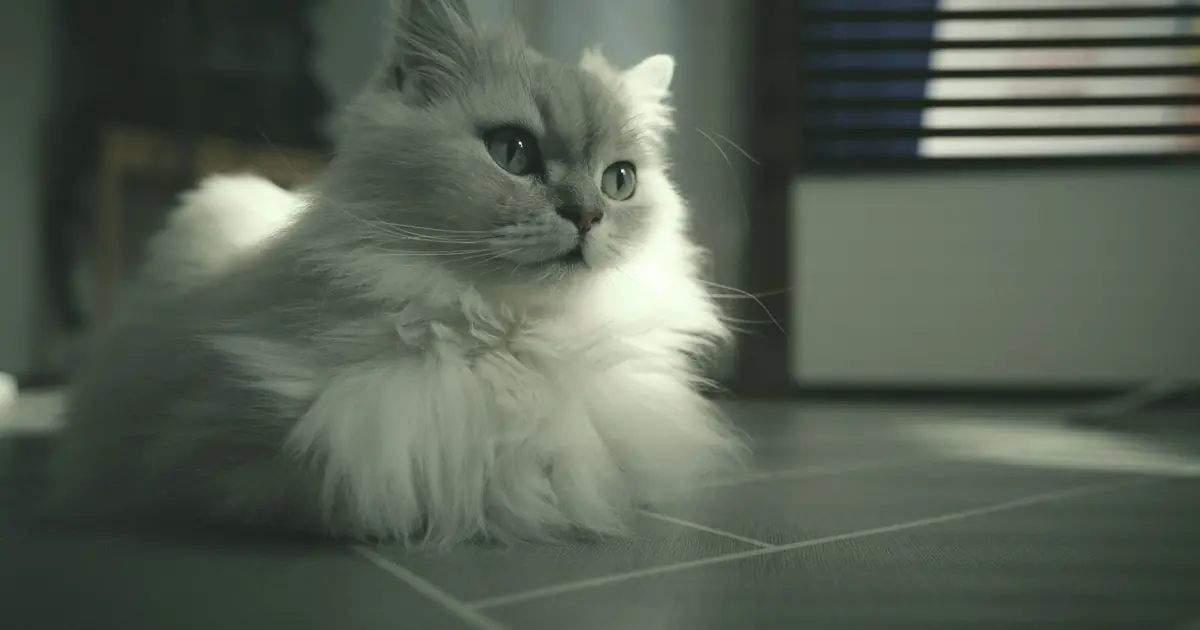
Picture a British Shorthair. Round face, chubby cheeks, that permanently unimpressed expression. Now imagine that same cat after a month of skipping the groomer. Soft, dense, slightly ridiculous fluff everywhere.
That’s basically a British Longhair.
Here’s the surprising part: it’s the same family tree. The British Longhair carries a long-hair gene that traces back to Persian crosses made over a century ago. So you get the calm, easygoing British personality, just wrapped in a plush teddy-bear coat that needs a bit more upkeep.
Key Takeaways
- The British Longhair is the semi-long-haired version of the British Shorthair, created through Persian outcrossing, and the two share the same calm temperament.
- Males typically weigh 10 to 16 pounds and females 8 to 11 pounds, making it a medium-to-large, solidly built breed.
- British Longhairs live 12 to 16 years on average, with some reaching 20 with good care.
- This breed is affectionate but independent: it loves being near you but usually dislikes being picked up or held on laps.
- Their long coat needs brushing several times a week, and they’re prone to weight gain, so portion control matters.
- TICA and the GCCF recognize the breed, while CFA and FIFe do not treat it as separate from the British Shorthair.
| Origin | United Kingdom (long-haired offshoot of the British Shorthair) |
| Weight (Male) | 10 to 16 pounds (4.5 to 7.3 kg), sometimes more |
| Weight (Female) | 8 to 11 pounds (3.6 to 5 kg) |
| Lifespan | 12 to 16 years (some reach 20) |
| Coat | Dense, plush, semi-long double coat |
| Colors | Wide range; blue (grey) is most famous, plus lilac, cream, black, white, golden, tabby, bicolor, colorpoint and more |
| Energy Level | Low to moderate (relaxed, not hyper) |
| Grooming Needs | Moderate to high; brush several times a week, daily during shedding |
| Good With Kids | Yes, calm and tolerant with respectful kids |
| Good With Other Pets | Yes, generally gets along with cat-friendly dogs and other cats |
| Average Price | $1,000 to $3,000 from a reputable breeder (rare colors higher) |
Where Does the British Longhair Come From?
The British Longhair is a long-haired version of the British Shorthair, and its roots are firmly British. The Shorthair itself is one of the oldest cat breeds, with ancestry often traced back to cats the Romans brought to Britain.
So how did a famously short-haired cat end up fluffy? Persians.
Early in the 20th century, between roughly 1914 and 1918, breeders crossed British Shorthairs with Persians. That added the long-hair gene to the bloodline. Later, after World War II, British Shorthair numbers crashed and breeders again leaned on Persian (and other) outcrosses to rebuild the breed. The long-hair gene is recessive, so it quietly hid in many British Shorthair lines for generations.
Eventually, breeders started celebrating the fluffy kittens instead of treating them as accidents. The result became its own thing.
Is the British Longhair an official breed?
It depends on who you ask, and this trips a lot of people up. The International Cat Association (TICA) granted the British Longhair championship status in 2009, recognizing it as a distinct breed. The UK’s GCCF acknowledges it too, though historically as a variant of the British Shorthair. Meanwhile, the CFA and FIFe do not treat it as a separate breed at all; to them it’s simply a long-haired British Shorthair.
You may also see it called the Lowlander (in the US) or Britanica (in parts of Europe). Same cat, different name.
What Does a British Longhair Look Like?
A British Longhair looks like a soft, rounded, slightly stout cat with a famously sweet face. Everything about it reads “plush.” Round head, full cheeks (especially in mature males), big round eyes, and a sturdy, cobby body sitting low to the ground.
The coat is the headline. It’s a dense, semi-long double coat that stands away from the body a little, giving that signature fluffy outline. It’s not a long, flowing Persian coat and it’s not as flat as a Shorthair’s. It sits right in between: thick, soft, and very pettable.
British Longhair colors
British Longhairs come in a huge range of colors and patterns. The blue (a soft blue-grey) is the most iconic and the one most people picture. But you’ll also find:
- Solids: blue, black, white, cream, lilac, chocolate, red
- Tabby patterns
- Bicolor (color plus white)
- Colorpoint (Siamese-style points)
- Golden and shaded varieties
- Tortoiseshell
Eye color usually pairs with coat color, ranging from deep copper and gold to green, with some pointed cats showing blue eyes.
How big do British Longhair kittens get?
British Longhair kittens are slow to finish growing. Like their Shorthair cousins, they often aren’t fully mature until around 3 to 5 years old. A fluffy kitten can keep filling out, broadening, and developing those round cheeks well into adulthood. So that “small fluffball” stage doesn’t last, plan for a solid, substantial adult cat.
What Is the British Longhair’s Personality Like?
The British Longhair is calm, even-tempered, and quietly affectionate. If you want a cat that’s chill rather than chaotic, this is a strong pick. They’re not the type to climb your curtains or sprint laps at 3am (most of the time).
Here’s the personality in a nutshell: dignified, independent, and devoted in a low-key way.
Are British Longhairs friendly?
Yes, British Longhairs are friendly, but on their own terms. They genuinely love their people and often follow you room to room, supervising your every move like a fuzzy little manager. They’ll settle near you on the couch, ask for pets, and greet you when you come home.
They tend to be a bit reserved with strangers at first. Give them time and they warm up.
Are British Longhairs lap cats?
Not really, and this is the honest truth a lot of listings gloss over. Most British Longhairs don’t love being picked up or held, and many won’t sit on your lap for long. They prefer to be near you rather than on you. Think “I’ll sit right beside you and lean in for chin scratches,” not “I’ll melt into your lap for an hour.”
If your dream is a clingy cat that lives on your chest, this might not be your breed. If you want a calm companion with healthy boundaries, it’s perfect.
Is the British Longhair Right for You?
The British Longhair suits calm households, busy professionals, families with gentle kids, and first-time owners who want an easygoing cat. It’s a great fit if you want companionship without constant demands. It’s a weaker fit if you travel constantly and can’t keep up the brushing, or if you specifically want a snuggly lap cat.
Quick gut check:
| Great fit if you… | Think twice if you… |
|---|---|
| Want a calm, quiet, low-drama cat | Want a high-energy, super-cuddly lap cat |
| Can brush a few times a week | Hate grooming or are very short on time |
| Spend long days out but come home to bond | Want a cat that’s constantly in your arms |
| Have respectful kids or other calm pets | Have a chaotic, very loud household |
What Health Problems Do British Longhairs Have?
British Longhairs are generally robust, but they share a few inherited risks with the British Shorthair and Persian lines they descend from. The big three to know are heart disease (HCM), kidney disease (PKD), and plain old obesity. None of this should scare you off, but it should shape how you choose a breeder and a vet.
This guide is educational, not a substitute for veterinary advice. Talk to your vet about screening and a care plan for your individual cat.
Hypertrophic cardiomyopathy (HCM)
HCM is the most common heart disease in cats, and it shows up in British lines. It’s a thickening of the heart muscle that makes the heart pump less efficiently. It can be silent for a long time, which is why regular vet checks (including heart screening) matter. Responsible breeders often screen their breeding cats for it.
Polycystic kidney disease (PKD)
PKD is an inherited condition, linked to Persian ancestry, where fluid-filled cysts form in the kidneys and can slowly lead to kidney failure. The good news: there’s a reliable DNA test for it. Ethical breeders test parent cats so they don’t pass it on, which is one of the biggest reasons to buy from someone who screens.
Obesity
This one’s on us, not genetics. British Longhairs are naturally relaxed and not big exercisers, so the calories add up fast. Extra weight raises the risk of diabetes, arthritis, and heart strain. Portion control and a bit of daily play go a long way.
Red flags worth a same-day vet call: trouble breathing, sudden lethargy, not eating for more than a day, straining in the litter box, or hind-leg weakness.
How Do You Groom a British Longhair?
British Longhairs need brushing several times a week to keep that dense double coat from matting, and daily during heavy shedding seasons. This is the main “extra” compared to a British Shorthair. The longer fur tangles more easily, especially behind the ears, under the legs, and around the back end.
Do British Longhairs shed a lot?
Yes, British Longhairs shed, and more than the British Shorthair simply because there’s more hair. The double coat blows out heavily in spring and fall. Regular brushing is your best defense: it pulls loose fur off the cat before it ends up on your sofa, and it stops mats before they form.
A few care basics:
- Brush 3 to 4 times a week, daily during shedding season
- Use a comb to catch tangles a slicker brush misses
- Check and gently clean ears and eyes
- Trim nails every couple of weeks
- Keep up dental care; brushing teeth helps long-term
A good de-shedding tool or wide-tooth comb makes a real difference with a coat this dense.
Hertzko Self-Cleaning Slicker Brush
A slicker brush like this one helps lift loose undercoat and work through light tangles on a semi-long coat, and the retractable bristles make cleanup easy. It’s a sensible everyday brush for a British Longhair’s routine.
What Should You Feed a British Longhair?
Feed a British Longhair a high-protein, portion-controlled diet, because this breed gains weight easily. A relaxed cat plus a full bowl is a recipe for a chunky cat. Measure meals instead of free-feeding, and let your vet help you set the right calorie target for your cat’s age and weight.
General feeding tips:
- Pick a quality food with real animal protein as the first ingredient
- Measure portions; don’t leave the bowl full all day
- Include some wet food to support hydration and kidney health
- Use puzzle feeders to slow eating and add mental work
- Keep treats to roughly 10% of daily calories
Because PKD and kidney health are part of the breed’s story, fresh water and some moisture-rich food are smart lifelong habits.
How Much Exercise Does a British Longhair Need?
British Longhairs need only light, regular play, but they do need it, because they won’t seek out much on their own. Left to their own devices, many will happily nap the day away. Your job is gentle encouragement: short, fun sessions that keep them moving and their mind busy.
Easy enrichment ideas:
- Two short play sessions a day with a wand or feather toy
- Food puzzles and treat-dispensing toys
- A sturdy cat tree or window perch for watching the world
- Rotating a few toys so they stay interesting
- A scratching post to protect your furniture
You don’t need a hyperactive play schedule. Just enough to keep the weight off and the brain engaged.
How Do British Longhairs Do With Kids, Dogs, and Other Cats?
British Longhairs are tolerant, easygoing housemates and usually do well with respectful kids, calm dogs, and other cats. Their laid-back nature means they don’t rattle easily. They’re more likely to walk away from drama than start it.
With kids
This breed is patient and gentle with children who know how to handle a cat kindly. Since they dislike being grabbed or carried, teach kids to pet, not pick up. Give the cat an escape route and a quiet spot of its own.
With dogs and other cats
British Longhairs generally accept cat-friendly dogs and fellow felines, especially with slow, proper introductions. They’re not territorial fireballs. They tend to coexist peacefully once everyone’s settled in.
How Long Do British Longhairs Live, and How Do You Help Them Age Well?
British Longhairs typically live 12 to 16 years, and some reach 20 with attentive care. Good genetics, a healthy weight, and regular vet visits are the three biggest levers you control.
To support a long, comfortable life:
- Keep your cat at a healthy weight (the single most impactful thing)
- Schedule yearly vet checks, twice yearly for seniors
- Ask about heart and kidney screening, given HCM and PKD risk
- Watch for senior changes: stiffness, weight shifts, drinking more, accidents outside the box
- Add ramps or steps so older cats can reach favorite perches
As they age, keep grooming gentle; older cats sometimes groom themselves less, so your brushing matters even more.
How Much Does a British Longhair Cost?
A British Longhair kitten from a reputable breeder usually costs $1,000 to $3,000, with rare colors and patterns pushing higher. Prices swing based on color, pedigree, breeder reputation, and your region. Blue is popular; lilac, golden, and colorpoint kittens often cost more.
| Expense | Typical Cost |
|---|---|
| Kitten from a reputable breeder | $1,000 to $3,000+ |
| Rare colors (lilac, golden, pointed) | $2,500 to $5,000 |
| Initial supplies (litter box, bed, tree, toys) | $150 to $400 |
| First vet visit, vaccines, spay/neuter | $200 to $500 |
| Annual food and litter | $400 to $800 |
| Routine vet care per year | $150 to $400 |
The kitten price is just the entry fee. Budget for the lifetime cost, including the grooming tools this coat needs.
Where Can You Find a British Longhair Ethically?
The safest way to get a healthy British Longhair is through a breeder who DNA-tests for PKD and screens breeding cats for HCM. This breed’s known risks make health testing the whole ballgame. A good breeder will happily show you results; a sketchy one will dodge the question.
What to look for:
- Proof of PKD DNA testing and HCM heart screening on parents
- Kittens raised in the home, well socialized, not in cages
- Kittens stay with mom until at least 12 weeks
- A health guarantee and willingness to take the cat back if needed
- Registration with TICA or GCCF, and lots of questions for you
And don’t rule out rescue. British Longhairs and British Shorthair mixes do turn up in breed-specific rescues and shelters. Adoption is a wonderful route if you’re open to it.
What Breeds Are Similar to the British Longhair?
If you love the British Longhair but want to compare, a few breeds share its plush look or calm vibe. Here’s how the closest cousins stack up.
| Breed | Coat | Personality | Best For |
|---|---|---|---|
| British Shorthair | Short, dense, plush | Calm, independent, easygoing | Same personality, far less grooming |
| Persian | Long, flowing, high-maintenance | Quiet, sweet, very mellow | People who want a true lap-loving lounger |
| Selkirk Rex | Curly, plush, semi-long | Patient, cuddly, relaxed | Plush coat with a more affectionate streak |
| Ragdoll | Semi-long, silky | Docile, very people-focused | People who do want a floppy lap cat |
| Scottish Fold (Longhair) | Semi-long, dense | Sweet, calm, affectionate | Similar round, fluffy charm |
British Longhair vs British Shorthair: what’s the difference?
The only major difference between a British Longhair and a British Shorthair is coat length. Same body type, same round face, same calm temperament, same health considerations. The Longhair carries a recessive long-hair gene (from old Persian crosses) that gives it a semi-long, fluffy coat, while the Shorthair has a short, dense, plush coat. Practically, the Longhair sheds more and needs more brushing. If you adore the British personality but want low grooming, get the Shorthair. If you want the same cat in fluffy form, get the Longhair.
Common Myths About British Longhairs
A few myths follow this breed around. Let’s clear them up.
Myth 1: “It’s just a long-haired Persian.” Not true. The British Longhair has Persian ancestry, but it’s a British Shorthair in build and temperament, with a rounder, sturdier body and a less flat face than a modern Persian.
Myth 2: “Long hair means it’ll be a cuddly lap cat.” Nope. The fluff is misleading. Most British Longhairs prefer sitting beside you, not on you, and many dislike being held.
Myth 3: “The coat is constant grueling work.” Overstated. It’s a semi-long coat, not a full Persian coat. A few brushings a week handles it for most cats.
Myth 4: “It’s recognized everywhere as its own breed.” Not quite. TICA and the GCCF recognize it, but the CFA and FIFe consider it a long-haired British Shorthair, not a separate breed.
British Longhair FAQ
Q: Are British Longhairs friendly?
Yes, British Longhairs are friendly and affectionate with their families, though a bit reserved with strangers at first. They love being near their people and often follow you around, but they show affection on their own calm, independent terms rather than demanding constant attention.
Q: Do British Longhairs shed a lot?
Yes, British Longhairs shed, and more than British Shorthairs because of their longer double coat. Shedding peaks in spring and fall. Brushing several times a week (daily during heavy shedding) keeps loose fur and mats under control.
Q: Are British Longhairs lap cats?
Generally no. Most British Longhairs prefer to sit near you rather than on your lap, and many dislike being picked up or held. They’re affectionate but independent, so they bond by keeping you company rather than cuddling for hours.
Q: How much does a British Longhair cost?
A British Longhair kitten from a reputable breeder typically costs $1,000 to $3,000, with rare colors like lilac, golden, or colorpoint running higher. Price depends on color, pedigree, breeder reputation, and location.
Q: What’s the difference between a British Longhair and a British Shorthair?
The main difference is coat length. The British Longhair has a semi-long, fluffy double coat from a recessive long-hair gene, while the British Shorthair has a short, dense coat. They share the same body type, round face, calm temperament, and health profile.
Q: How big do British Longhairs get?
British Longhairs are medium-to-large cats. Males usually weigh 10 to 16 pounds and females 8 to 11 pounds. They’re slow to mature and may not reach full size until around 3 to 5 years old.
Q: How long do British Longhairs live?
British Longhairs typically live 12 to 16 years, and some reach up to 20 with good care. Keeping a healthy weight, scheduling regular vet checks, and screening for HCM and PKD all support a long life.
Q: Are British Longhairs good with kids and dogs?
Yes, British Longhairs are generally calm and tolerant with respectful children, cat-friendly dogs, and other cats. Because they dislike being grabbed, it’s best to teach kids to pet gently rather than pick them up, and to introduce other pets slowly.
The Final Verdict on the British Longhair
The British Longhair is one of the easiest, most pleasant cats you can share a home with, as long as you go in with the right expectations. You’re getting a calm, dignified, quietly devoted companion in a gorgeous plush coat, not a needy lap cat and not a low-maintenance one either.
Brush it a few times a week. Watch the waistline. Buy from a breeder who tests for PKD and HCM. Do those three things, and a British Longhair will reward you with years of soft, steady, low-drama companionship. For a lot of cat parents, that’s exactly the cat they’ve been looking for.

Hello and welcome to The Ideal Cat!
We are some passionate cat owners from different professions. We love our cats and have a lot of experience in how to care for our pets. We are incredibly excited to share our knowledge, experience, and research with you. So you can take good care of your loving cat. We will answer most of the common questions about owning cats, taking care of them, etc. If you have any question contact with us. Thanks for visiting! Enjoy the content.
