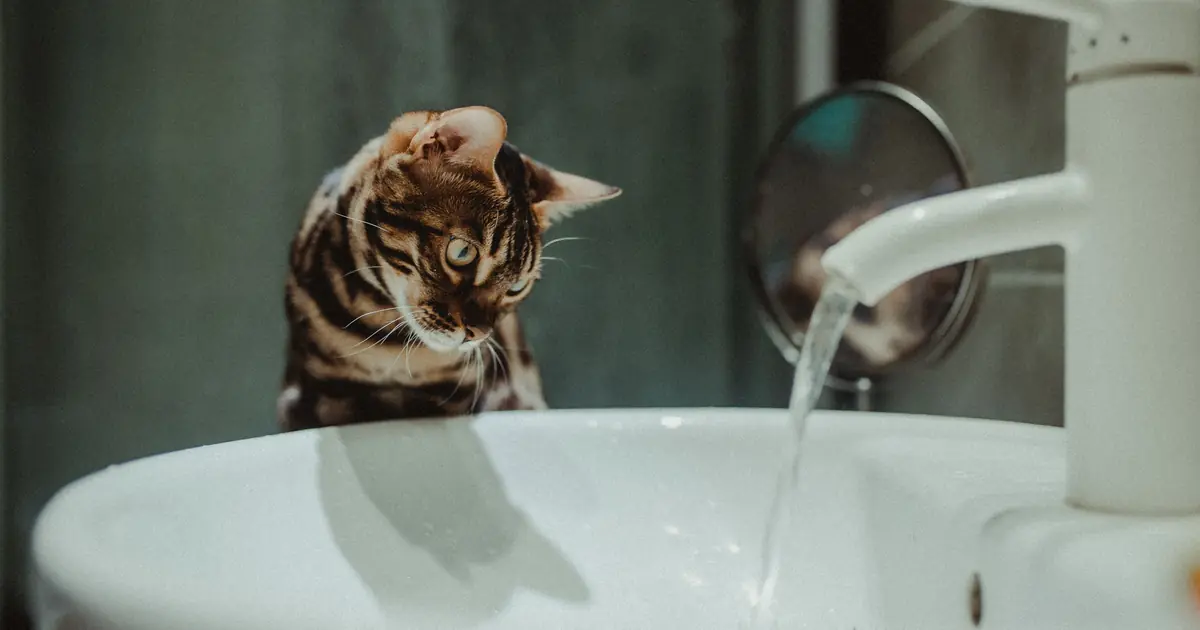
Faucets, doorknobs, the edge of a metal bowl, your cat keeps giving them long, deliberate licks. It’s odd, a little gross, and enough to make you wonder if they’re missing something in their diet.
Sometimes it’s harmless curiosity. Sometimes it’s a clue worth acting on. Here’s how to tell.
- Many cats lick metal for its cool feel, smooth texture, or the taste of water and minerals on it.
- Repeated licking of non-food items is called pica and can be behavioral or medical.
- Anemia and nutritional deficiencies can drive a cat to lick or crave metal and other odd objects.
- Stress, boredom, dental discomfort, and nausea are other possible triggers.
- Occasional licking is usually fine, but frequent or compulsive metal-licking needs a vet visit.
Why does my cat lick metal?
Cats lick metal for a mix of sensory and, sometimes, medical reasons. The cool temperature and slick surface are interesting to a curious cat, and metal often carries traces of water (condensation), minerals, food residue, or your scent that taste appealing. In many cats it’s simple curiosity. But when the licking becomes frequent or compulsive, it can point to something more, and that’s when it’s worth investigating.
Is licking metal a form of pica?
Yes, persistent licking or eating of non-food items is called pica. Some cats lick or chew metal, plastic, fabric, or walls. Pica can be purely behavioral (a habit, or stress relief) or a sign of an underlying issue. If your cat targets many non-food objects, not just metal, our guide on why cats lick everything covers the broader pattern, and the odd craving for earwax is a related quirk.
Can licking metal mean my cat is anemic?
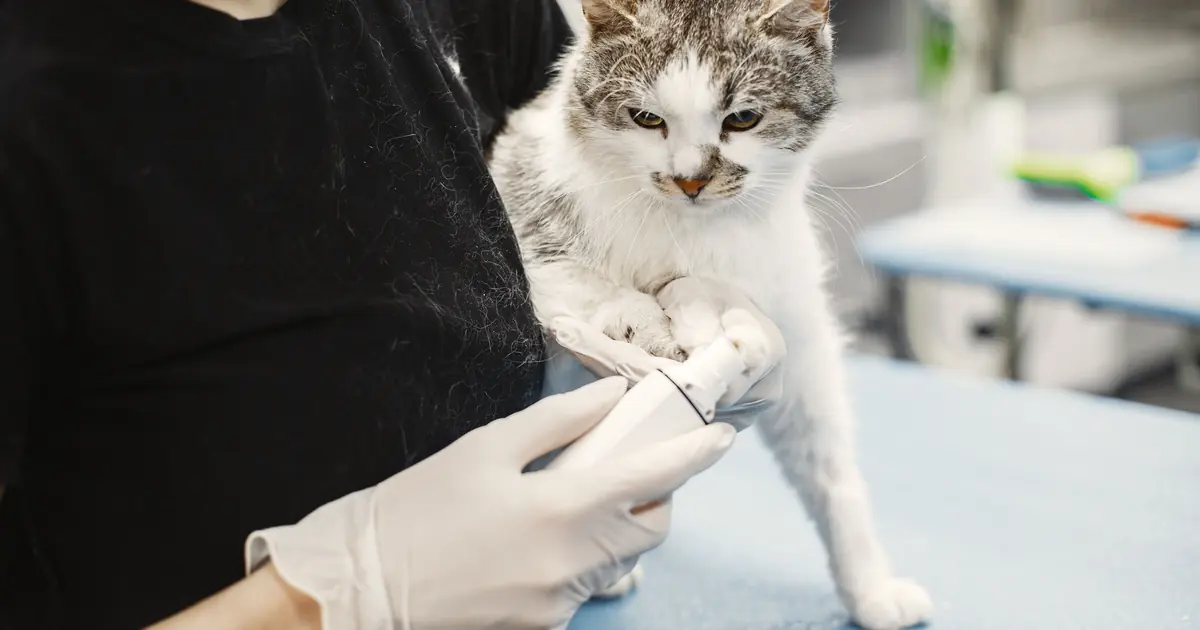
It can. One medical cause of craving or licking metal is anemia or a nutritional deficiency. Cats low on iron or certain minerals may seek out metallic surfaces, similar to the way some people with anemia crave unusual things. This is one reason compulsive metal-licking shouldn’t be brushed off, a simple vet exam and blood test can rule it out.
What else makes cats lick metal?
Beyond curiosity and anemia, several other triggers can be at play. Here’s how the common causes compare.
| Cause | Clues |
|---|---|
| Curiosity / texture / taste | Occasional, casual licking; cat is otherwise normal |
| Chasing water/minerals | Licks faucets, sinks, damp metal |
| Pica (behavioral) | Licks or chews many non-food items, sometimes when stressed or bored |
| Anemia / deficiency | Compulsive licking plus pale gums, low energy, poor appetite |
| Nausea / dental issues | Licking with drooling, lip-licking, or reluctance to eat |
How can you help a cat that licks metal?
Start by ruling out medical causes, then address behavior. Practical steps:
- See your vet if licking is frequent or new, to check for anemia, deficiencies, dental disease, or nausea.
- Enrich the environment: more play, puzzle feeders, and climbing to ease boredom and stress.
- Offer fresh water in appealing spots (or a fountain) if your cat seems to chase moisture on metal.
- Limit access to sharp or hazardous metal items your cat fixates on.
- Reduce stress with routine and safe spaces if the habit spikes during change.
Grooming-related licking, like the paw-cleaning ritual, is different and usually normal; see why cats lick their paws.
When should you see a vet?
See a vet if your cat licks metal frequently or compulsively, or if licking comes with pale gums, lethargy, weight loss, vomiting, or appetite changes. Those can indicate anemia, a deficiency, or another medical problem that needs diagnosis. This article is educational and not a substitute for veterinary care. Cornell’s Feline Health Center and PetMD’s pica overview are reliable references.
Frequently Asked Questions
Q: Why is my cat obsessed with licking metal?
Curiosity about the cool texture and taste is common, and metal often holds water or mineral residue. But an obsessive habit can signal pica, anemia, a deficiency, or stress, so frequent licking is worth a vet check.
Q: Does licking metal mean my cat has a vitamin deficiency?
It can. Anemia or mineral/vitamin deficiencies sometimes drive cats to lick or crave metal and other odd items. A vet exam and blood work can confirm whether a deficiency is behind it.
Q: Is it dangerous for my cat to lick metal?
Licking smooth metal is usually harmless, but avoid letting your cat lick or chew sharp edges, rusty items, or anything coated in chemicals. Ingesting metal objects can also be dangerous, so supervise and limit access.
Q: What is pica in cats?
Pica is the repeated licking or eating of non-food items like metal, plastic, fabric, or walls. It can be behavioral, from stress or boredom, or medical, and persistent pica should be evaluated by a vet.
Q: Can stress make my cat lick metal?
Yes. Stress and boredom can trigger repetitive behaviors, including licking non-food objects. Increasing enrichment, play, and routine, and reducing stressors, often helps alongside ruling out medical causes.
Q: Should I stop my cat from licking the faucet?
Occasional faucet-licking for water is usually fine, offering fresh water or a fountain can satisfy it. If it becomes constant or compulsive, or comes with other symptoms, check with your vet.

Hello and welcome to The Ideal Cat!
We are some passionate cat owners from different professions. We love our cats and have a lot of experience in how to care for our pets. We are incredibly excited to share our knowledge, experience, and research with you. So you can take good care of your loving cat. We will answer most of the common questions about owning cats, taking care of them, etc. If you have any question contact with us. Thanks for visiting! Enjoy the content.
