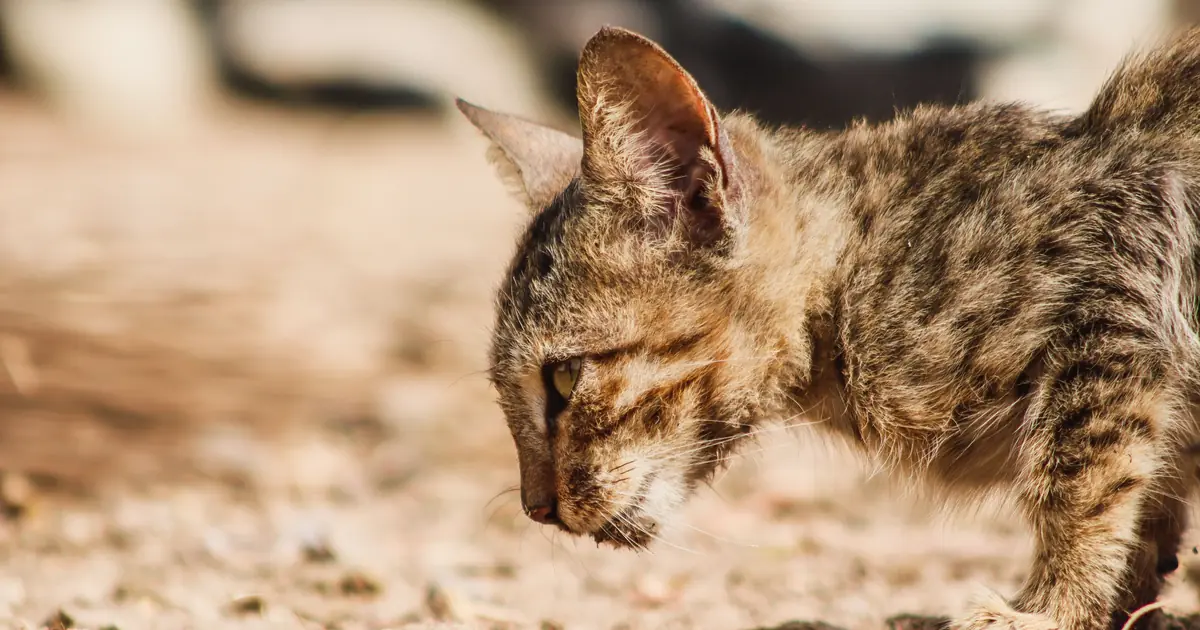
You pull your earbuds out after a call, set them on the nightstand, and turn around to find your cat sniffing them like they just found buried treasure. Sometimes they go further: a quick lick, a nudge, maybe even a full-on chew session before you can grab them back.
It’s a little gross, sure. But it’s also one of those weirdly common cat habits that makes total sense once you understand how a cat’s nose and taste buds actually work. Let’s get into why your cat is so into your earwax, when it’s fine, and when it’s worth a closer look.
- Earwax (cerumen) contains fatty acids like oleic acid and palmitic acid, the same compounds found in meat and animal fat, which is why it appeals to a carnivore’s nose.
- Cats have between 45 and 80 million scent receptors in their noses, compared to roughly 5 million in humans, so they pick up on smells people can’t detect at all.
- Eating a small amount of earwax off an earbud is usually harmless, but chewing the earbud itself can cause choking or a blocked gut.
- Frequent, intense eating of non-food items is called pica, and it can point to a dietary deficiency or an underlying medical condition.
- Most cats grow out of the odd earbud-licking phase, but a habit that escalates or shows up alongside other symptoms deserves a vet visit.
Why Do Cats Like Earwax?
Cats like earwax because it’s loaded with fatty acids and proteins that smell and taste like animal fat to them. Earwax, known medically as cerumen, is a mix of long-chain fatty acids, cholesterol, squalene, and shed skin cells. Two of those fatty acids, oleic acid and palmitic acid, are the same compounds found in meat.
Cats are obligate carnivores, which means their bodies are built to run on animal protein and fat, not plants. Their noses are wired to notice exactly that kind of scent. A cat’s nose has somewhere between 45 and 80 million olfactory receptors, compared to roughly 5 million in a human nose, so a smell you can’t even register reads to your cat like a dinner bell.
Add in the salty, slightly musky scent of your own skin oils mixed into that wax, and you’ve basically built a snack your cat’s nose can’t ignore.
Why Does My Cat Go for My Earbuds or Lick My Ears?
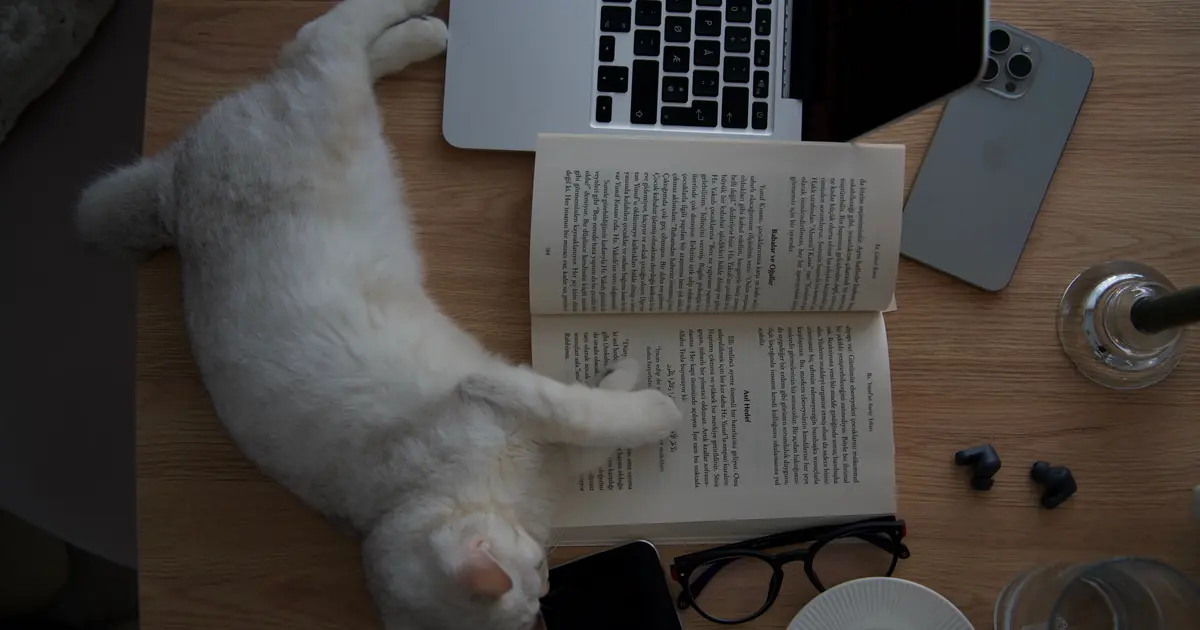
Cats target earbuds and your ears because both are loaded with the same fatty, salty residue their nose is drawn to. Used earbuds pick up a concentrated layer of earwax and skin oil every time you wear them, which makes them an easy, accessible target sitting right there on your desk or nightstand. Licking your actual ears works the same way, minus the convenience.
Some cats also do this as a bonding behavior. Allogrooming (mutual grooming between cats) is a normal way cats show affection to each other and to people they trust. If your cat treats your ear the way they’d treat a housemate cat’s ear, a little earwax-flavored affection might be part of the appeal, not just the smell.
This is in the same family of behavior as when your cat licks your face after a nap or headbutts you for butt pats. It’s affection wrapped in a slightly odd delivery system.
| Earwax Source | Why the Cat Likes It | Risk Level |
|---|---|---|
| Used earbuds | Concentrated wax and skin oil, easy to reach, sits out in the open | Moderate: foam tips and small parts are a choking or ingestion hazard |
| Your ear directly | Fresh scent and salty taste, plus bonding-style licking | Low: mildly annoying, generally not harmful |
| Another pet’s ear | Same fatty-acid appeal, plus normal mutual grooming between animals | Low, unless the other pet has an ear infection or mites |
Is It Dangerous for a Cat to Eat Earwax?
Eating a trace amount of earwax off an earbud or your ear is not dangerous for a cat. The wax itself, in the tiny quantities a cat would actually ingest, is not toxic and won’t upset most cats’ stomachs. The real risk isn’t the wax at all, it’s what comes with it.
Chewing on the earbud itself is where things get risky. Foam or silicone tips can break off and become a choking hazard or get lodged in the esophagus. Hard plastic housings can crack into sharp fragments. Wired earbuds add a cord a cat can swallow, which can cause a linear foreign body, a type of intestinal obstruction that sometimes needs emergency surgery. The VCA Animal Hospitals guide to pica in cats notes that swallowing indigestible material is a common way cats end up with a life-threatening blockage.
So the wax is the least of your worries. The earbud is the problem.
Is Liking Earwax a Sign of Pica in Cats?
Liking earwax by itself is not pica, but it can be part of the picture if your cat is also chewing and swallowing other non-food objects. Pica is the compulsive eating of things that aren’t food: fabric, plastic, rubber bands, hair ties, cords, and yes, earbuds. A cat who sniffs and licks earwax now and then is just following its nose. A cat who’s actually swallowing earbud pieces, chewing through cords, or eating plastic on a regular basis is showing a different, more concerning pattern.
PetMD’s overview of pica in cats points to a few possible triggers: nutritional gaps (especially fiber or certain vitamin deficiencies), gastrointestinal disease, dental pain, feline leukemia, diabetes, or even boredom and anxiety in cats that don’t get enough stimulation. Breed can play a role too. Siamese and other Oriental breeds are more prone to fabric-chewing pica than most.
How Do I Stop My Cat From Stealing My Earbuds?
Stop the habit by keeping earbuds out of reach and giving your cat something more appropriate to chase instead. A few things actually work:
- Store earbuds in a closed case, drawer, or charging box the second you take them out. If your cat can’t smell them, they can’t steal them.
- Wipe down earbuds with a damp cloth after use to cut down on the scent that’s drawing your cat in.
- Redirect the sniffing habit with a food puzzle or a catnip toy left in the same spot your cat usually raids.
- Add a few extra minutes of play each day. Cats who are bored or under-stimulated are more likely to go looking for trouble, earbuds included.
- If your cat is intensely fixated on chewing objects (not just sniffing), talk to your vet about ruling out a medical cause before assuming it’s “just a quirk.”
When Should I Worry About My Cat Eating Non-Food Things?
Worry when the behavior is frequent, intense, or your cat has actually swallowed something. A cat who occasionally licks an earbud and moves on is fine. A cat who repeatedly chews and swallows cords, plastic, foam, or fabric needs a vet visit. Watch for red flags like vomiting, not eating, straining or failing to pass stool, lethargy, or a swollen belly, all of which can signal a blockage that needs urgent care.
The ASPCA Animal Poison Control Center is a good resource if you know or suspect your cat swallowed something and you’re not sure how urgent it is. This article is educational, not a substitute for a vet exam, so when in doubt, get your cat checked out rather than waiting to see what happens.
If the pica seems tied to appetite changes or your cat is also acting off in other ways, it’s worth ruling out digestive issues, the same way you’d investigate a cat who’s eating litter instead of using it. Both behaviors can point back to the same kinds of underlying causes.
One more small reassurance: cats groom themselves constantly and manage all sorts of stray debris on their fur and paws without getting sick, the same way they handle licking themselves clean every day. A stray taste of earwax isn’t going to throw that system off. It’s the swallowed hardware that causes trouble, not the wax.
Frequently Asked Questions
Q: Why does my cat sniff my ears so much?
Your cat sniffs your ears because they’re a concentrated source of fatty acids, skin oils, and scent your cat’s nose can pick up easily. With up to 80 million scent receptors, cats notice smells around your ears that people can’t detect at all.
Q: Is it safe for my cat to lick earwax off my earbuds?
A quick lick of earwax residue is generally safe in small amounts. The bigger danger is the earbud itself: foam tips, small parts, and cords can cause choking or a swallowed obstruction, so it’s the object you want to watch, not the wax.
Q: Why does my cat like the smell of dirty ears specifically?
Dirty ears carry a stronger concentration of the same fatty acids, like oleic and palmitic acid, that make earwax smell like meat to a cat’s nose. The more built-up the wax, the stronger that scent signal gets.
Q: Can eating earwax make my cat sick?
Trace amounts of earwax typically won’t make a cat sick. The real risk comes from what a cat swallows along with it, like earbud foam, plastic casing, or cords, which can cause choking or a blocked intestine that needs emergency vet care.
Q: Is my cat’s earwax obsession a sign of a health problem?
Occasional sniffing or licking is normal cat curiosity, not a health problem. But if your cat is compulsively chewing and swallowing non-food items on a regular basis, that pattern is called pica, and it can signal a nutritional gap or a medical issue worth a vet visit.
Q: How do I stop my cat from stealing my earbuds?
Store earbuds in a closed case immediately after use, wipe them down to reduce scent, and give your cat more play and enrichment so they’re less likely to go looking for something to chew. Consistency matters more than any single trick.
Q: Do all cats like earwax, or is it just some cats?
Not every cat cares about earwax. Interest varies by individual cat, much like catnip sensitivity does. Cats with an especially strong food drive or a keen sense of smell tend to be the ones most fixated on it.
Q: Should I let my cat lick my ears?
It’s mostly harmless but not something to actively encourage. Human earwax can carry bacteria, and repeated licking near the ear canal isn’t a great habit to reinforce, so gently redirecting your cat to a toy is the better call.

Hello and welcome to The Ideal Cat!
We are some passionate cat owners from different professions. We love our cats and have a lot of experience in how to care for our pets. We are incredibly excited to share our knowledge, experience, and research with you. So you can take good care of your loving cat. We will answer most of the common questions about owning cats, taking care of them, etc. If you have any question contact with us. Thanks for visiting! Enjoy the content.
