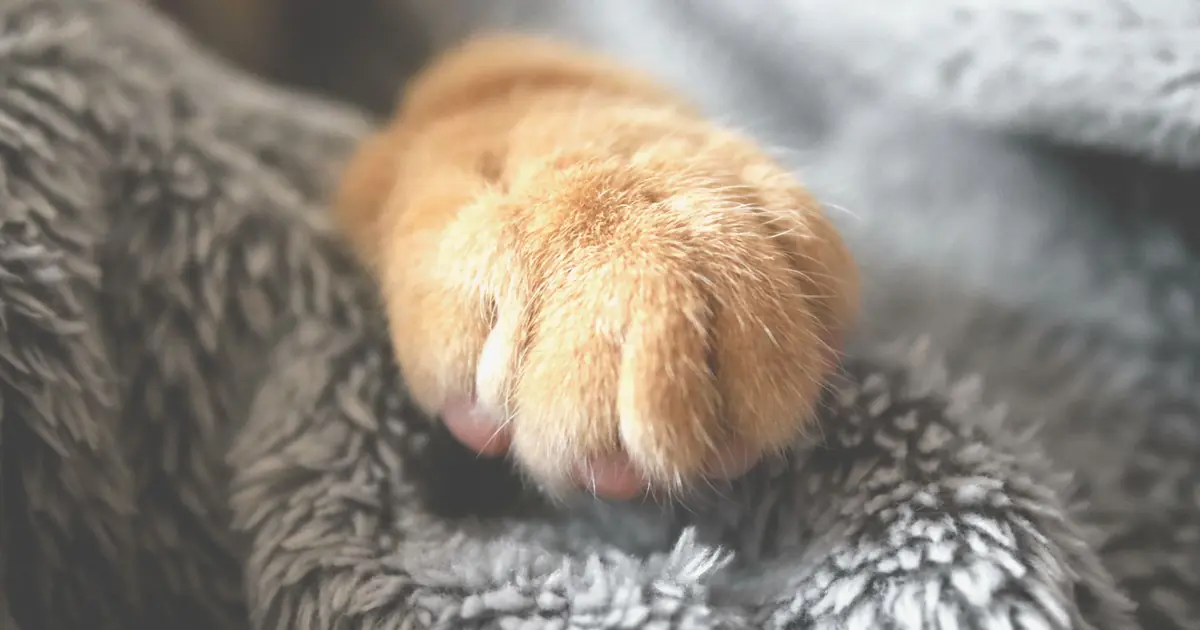
Picture it. You’re finally settled on the couch, and your cat climbs onto your lap, plants both front paws on your leg, and starts pushing in and out like a tiny baker working dough. Push, push, purr, push. It’s adorable. It’s also a little mysterious (and, if the claws come out, a little painful).
That rhythmic paw-pressing has a name: kneading. Cat folks lovingly call it “making biscuits.” And your cat is doing it for some genuinely sweet reasons rooted in how they were raised. Here’s what kneading means, why cats aim it at you and your blankets, and what to do when those little claws start to sting.
- Kneading is the rhythmic pushing of a cat’s front paws in and out against a soft surface, nicknamed “making biscuits.”
- The behavior starts in kittenhood, when nursing kittens knead their mother’s belly to stimulate milk flow.
- Adult cats knead to show contentment, self-soothe, and bond, often purring at the same time.
- Cats have scent glands in their paw pads, so kneading also marks you or a blanket as their own.
- Kneading is completely normal and a sign of trust, so there’s no need to stop it, just trim claws or use a blanket if it hurts.
What is kneading, and why is it called “making biscuits”?
Kneading is when a cat rhythmically pushes their front paws in and out against a soft surface, alternating left and right like they’re working dough. People call it “making biscuits” because the motion looks exactly like a baker kneading biscuit dough on a counter. Some cats use just their front paws, some get all four going, and some drool or purr happily while they do it.
The behavior shows up on laps, blankets, pillows, plush beds, and the occasional unsuspecting belly. It’s one of the most common and instinctive things cats do, and it usually means your cat is feeling relaxed and safe.
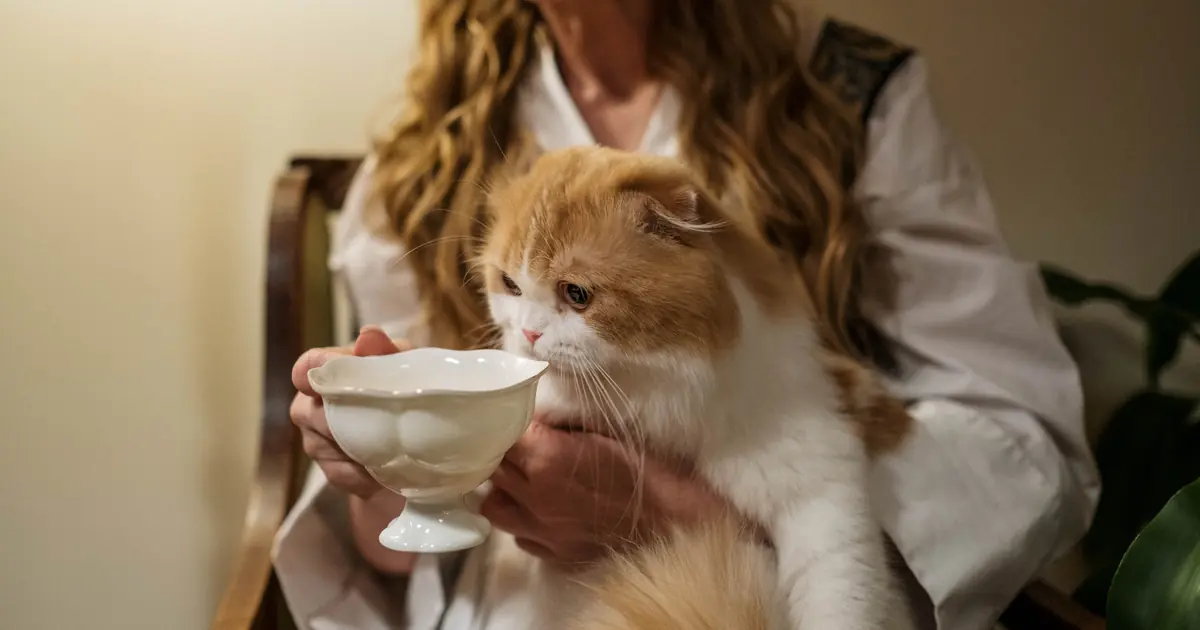
Why do cats knead? The main reasons
Cats knead for a handful of connected reasons, and most trace back to comfort and communication. The habit begins in kittenhood and sticks around because it simply feels good. Here’s a quick map of what’s usually behind those busy little paws.
| Reason | What’s happening | Common clue |
|---|---|---|
| Nursing instinct | Kittens knead the mother’s belly to stimulate milk flow, and the habit carries into adulthood | Often paired with purring, drooling, or blanket suckling |
| Contentment and bonding | Kneading releases feel-good chemistry linked to the safety they felt as kittens | Happens when your cat is calm, cuddly, and purring |
| Scent marking | Scent glands in the paw pads deposit pheromones to claim you or an object | Kneading a favorite person, blanket, or spot repeatedly |
| Making a comfy nest | An old instinct to pat down grass or bedding into a soft sleeping spot | Kneading a bed or blanket right before curling up to sleep |
| Self-soothing | The motion lowers stress and helps an anxious cat calm down | Kneading during change, tension, or a new environment |
| Heat cycle | Unspayed females often knead more when going into heat | Paired with extra vocalizing and rolling in an intact female |
| Stretching | A gentle way to work stiff muscles after a nap | A few slow presses right after waking up |
It starts with nursing kittens
Kneading begins in the very first weeks of life. Nursing kittens push their paws against their mother’s mammary glands to stimulate milk flow, and this instinctive motion is where the whole behavior comes from. Because nursing pairs with warmth, safety, and their mother’s calming scent, kneading gets wired into a kitten’s brain as a comfort ritual. Many cats simply never grow out of it. As the vets at PetMD explain, continuing to knead in adulthood likely recreates that same cozy, secure feeling.
It says “I’m happy and I trust you”
When an adult cat kneads, they’re usually telling you they feel calm and content. Cats tend to knead when they’re relaxed and safe, which is why it so often comes with purring, half-closed eyes, and a puddle of loose, happy cat. If your cat climbs on you to make biscuits, take it as a compliment. You’re their safe place.
It marks you as theirs
Kneading is also a quiet way for cats to claim territory. Cats have scent glands in the pads of their paws that release pheromones, and pressing those paws in and out deposits their personal scent onto whatever they’re kneading. So when your cat makes biscuits on your lap, they’re partly saying “this human is mine” to any other cat that might come sniffing. The scent is undetectable to us, but it’s a loud, clear message in cat language.
It builds a comfy spot to sleep
Sometimes kneading is just interior decorating. Wild cats pat down grass and leaves to shape a soft, safe nest before lying down, and your indoor cat runs the same ancient program on their bed or your blanket. If your cat kneads a spot for a few seconds and then flops down for a nap, you’ve just watched them fluff their pillow.
Why does my cat knead on me specifically?
Your cat kneads on you because you’re warm, soft, and someone they trust deeply. When a cat chooses a person to make biscuits on, comfort, scent marking, and affection usually all fire at once. You’re their favorite napping surface and their chosen human rolled into one.
Some cats also pick the exact worst moment, like the second you finally sit down or right at bedtime. That’s not you being inconvenient. That’s your cat associating your presence with the calm, unhurried moments when kneading feels best. If your cat also likes to scratch at walls and surfaces around the house, you’re seeing the same instinct to touch, mark, and interact with their territory.
Why does my cat knead and bite the blanket or suckle?
Cats that knead while biting, sucking, or nuzzling a blanket are usually deep in nursing-comfort mode. This combo mimics how they fed as kittens, pawing the belly while suckling, and it’s a strong self-soothing behavior, a bit like a child sucking a thumb. Kneading and suckling can actually lower a cat’s heart rate and release calming brain chemistry.
This shows up most in cats that were weaned a little early, before around eight weeks, so a soft blanket stands in for mom. Some breeds are more prone to it too, especially Siamese, Tonkinese, and other Oriental types. It’s usually harmless. Just keep an eye out for one thing: if your cat stops nuzzling and starts actually tearing off and swallowing fabric, that can signal pica, a condition where cats eat non-food items. Chatting with your vet is a good idea if that happens, since swallowed fabric can cause a dangerous blockage.
Is kneading normal, and should I stop it?
Kneading is completely normal, and there’s no reason to stop it. Feline behavior experts agree it’s a natural, instinctive trait, and the American Animal Hospital Association treats it as healthy, ordinary cat behavior. Your cat isn’t misbehaving. They’re showing you they feel safe and happy, and letting cats express natural behaviors helps keep them content.
Never scold or punish a cat for kneading. They aren’t trying to hurt you, and punishment just confuses and stresses a cat who’s basically hugging you the only way they know how. The goal isn’t to stop the biscuits, just to manage the claws.
Does kneading hurt, and what can I do about the claws?
Kneading can hurt when claws dig into your lap, but your cat isn’t being mean. Cats extend their claws to get a better grip, exactly like they did on their mother’s soft belly as kittens. It’s an affectionate act with a slightly pointy delivery. You’ve got a few easy, cat-friendly fixes.
- Keep those nails trimmed. Regular nail trims are the single biggest help. Dull tips mean gentle biscuits.
- Lay a thick blanket on your lap. Keep a folded blanket nearby and slide it between you and the paws when kneading time starts.
- Redirect to a plush spot. Gently move your cat to a soft blanket or bed and let them knead there instead of your bare skin.
- Give them a scratching outlet too. A good cat scratching post lets your cat stretch, mark, and work their paws, and a sturdy post that helps file nails can keep claws naturally blunter.
Whatever you do, don’t pull away sharply or push your cat off in frustration. Calmly rearranging things keeps the trust intact and the biscuits coming, minus the ouch.
When could kneading signal a problem?
Kneading itself is almost never a problem, but a sudden change in how or how much your cat kneads can be worth noticing. Cats are creatures of habit, so a shift in a normal behavior sometimes hints that something else is going on.
Keep a casual eye out for these situations:
- Frantic, nonstop kneading with obvious anxiety can point to stress, so look for a recent change like a move, a new pet, or a schedule shift. The ASPCA’s guidance on cat behavior is a helpful starting point for managing feline stress.
- Kneading paired with swallowing fabric (not just suckling) can signal pica and deserves a vet chat, since eaten fabric risks a blockage.
- A once-relaxed cat who suddenly seems uncomfortable while kneading, or who guards a paw, could have a sore paw, nail, or joint. A vet can check for anything painful.
- A big, unexplained change in a behavior your cat has always had is always worth mentioning at the next vet visit.
This article is educational and isn’t a substitute for veterinary care. If your cat’s behavior changes suddenly or something feels off, check in with your vet.
Cat kneading FAQ
Q: Why do cats knead and purr at the same time?
Cats knead and purr together because both are comfort behaviors tied to feeling safe and content. The pairing usually means your cat is deeply relaxed and happy, often recreating the secure feeling they had while nursing as a kitten.
Q: Do all cats knead?
No, not every cat kneads, and that’s perfectly normal. Kneading is an instinct that varies by individual and by how a cat was raised. A cat who doesn’t make biscuits can still be happy and well-adjusted and simply shows affection in other ways.
Q: Why does my cat knead me but not anyone else?
Your cat kneads you because they associate you with safety, warmth, and comfort. Choosing one person for biscuits is a strong sign of trust and bonding, mixed with a bit of scent marking to claim you as their favorite human.
Q: Is it bad if my cat kneads with claws out?
No, kneading with claws out isn’t bad or aggressive. Cats extend their claws for grip, just as they did on their mother’s belly. Trim your cat’s nails regularly and keep a thick blanket handy to protect your lap.
Q: Why does my cat knead the blanket before lying down?
Cats knead a blanket before lying down to fluff and shape a comfy sleeping spot. It’s an old instinct from wild cats who patted down grass and leaves to build a soft, safe nest before resting.
Q: Should I stop my cat from kneading?
No, you shouldn’t stop your cat from kneading, since it’s a normal, healthy sign of contentment and trust. If the claws hurt, trim their nails or use a blanket as a barrier instead of scolding or moving them roughly.
Q: Why did my cat suddenly start kneading a lot?
A cat may knead more when feeling extra relaxed and bonded, or when self-soothing during stress or change. Unspayed females also knead more in heat. If the increase seems anxious or comes with other changes, mention it to your vet.
Q: Do cats knead when they are in pain?
Kneading is usually a comfort behavior, not a pain signal. But a cat who seems uncomfortable while kneading, favors a paw, or suddenly changes the behavior could have a sore paw or joint and should be checked by a vet.
Bottom line: when your cat makes biscuits on your lap, you’re watching a happy kitten memory play out in real time. Kneading is comfort, trust, and a little “you’re mine” all rolled into one. Keep those nails trimmed, keep a soft blanket handy, and enjoy the compliment. Your cat feels safe with you, and that’s the whole point.

Hello and welcome to The Ideal Cat!
We are some passionate cat owners from different professions. We love our cats and have a lot of experience in how to care for our pets. We are incredibly excited to share our knowledge, experience, and research with you. So you can take good care of your loving cat. We will answer most of the common questions about owning cats, taking care of them, etc. If you have any question contact with us. Thanks for visiting! Enjoy the content.
