It’s 6am. The bowl gets a scoop of kibble, your cat crunches away, and you’re out the door. That’s the magic of dry food: fast, tidy, and easy to leave out. But is the best dry cat food actually good enough to build your cat’s whole diet on?
Short version: quality dry food can absolutely keep a cat healthy, as long as you pick the right formula and handle the one thing kibble is bad at, which is water. Cats are desert animals with a low thirst drive, so a dry-only diet can leave them running a little dry.
Below are eight dry foods worth your money, sorted by what your cat actually needs, from kittens to seniors to the fluffy one who could stand to lose a pound.
- The best dry cat food is AAFCO complete and balanced for your cat’s life stage, with a named animal protein like chicken or salmon as the first ingredient.
- Dry food is only about 10 percent moisture, versus roughly 70 to 80 percent in wet food, so cats on kibble need an easy, appealing water source nearby.
- Indoor and less active cats burn fewer calories, so a lower-calorie or weight-management kibble helps prevent the slow creep toward obesity.
- Kittens need a formula made for growth, and seniors often do better on a mature-cat recipe, since one adult food does not fit every age.
- Switch foods gradually over 7 to 10 days, mixing more new food into the old each day, to avoid stomach upset.
Our Top Picks
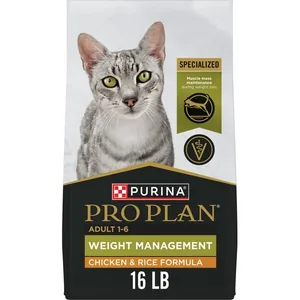
Purina Pro Plan Focus Weight Management Chicken & Rice Cat Food, 16-lb
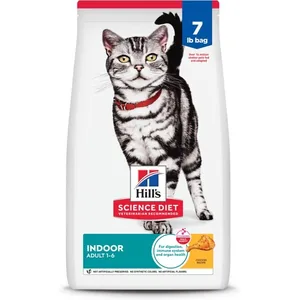
Hill’s Science Diet Adult Indoor Chicken Recipe Dry Cat Food, 7-lb bag
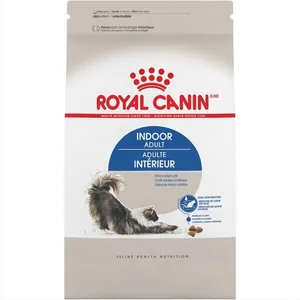
Royal Canin Feline Health Nutrition Indoor Adult Dry Cat Food, 7-lb bag
Dry cat food compared at a glance
| Food | Best for | Type | Price |
|---|---|---|---|
| Purina Pro Plan Focus Weight Management Chicken & Rice Cat Food, 16-lb | Best for weight management | Weight management | $56.48 |
| Hill’s Science Diet Adult Indoor Chicken Recipe Dry Cat Food, 7-lb bag | Best vet-recommended | Adult indoor dry | $34.99 |
| Royal Canin Feline Health Nutrition Indoor Adult Dry Cat Food, 7-lb bag | Best for hairballs | Adult indoor dry | $36.99 |
| Blue Buffalo Wilderness Chicken Recipe Dry Cat Food, 12 lb | Best high-protein | Grain-free adult dry | $46.98 |
| Purina ONE Tender Selects Blend with Real Salmon Natural Dry Cat Food, 7-lb bag | Best budget | Adult dry | $17.46 |
| Iams ProActive Health Weight & Hairball Care Dry Cat Food, 7-lb bag | Best hairball and weight | Adult dry | $16.97 |
| Purina Pro Plan LiveClear Kitten Chicken & Rice Formula Dry Cat Food, 5.5-lb bag | Best for kittens | Kitten dry | $39.58 |
| Purina Pro Plan LIVECLEAR Adult 7+ Prime Plus Longer Life Formula Dry Cat Food, 3.2-lb bag | Best for seniors 7+ | Senior dry | $23.48 |
The 8 best dry cat food picks, reviewed
Purina Pro Plan Focus Weight Management Chicken & Rice Cat Food, 16-lb: best for weight management
Purina Pro Plan Focus Weight Management Chicken & Rice is built for the cat who loves food a little too much. It uses real chicken as the first ingredient and trims calories and fat while keeping protein high, so your cat can lose weight without feeling starved. The big 16-pound bag also makes it a sensible pick for multi-cat homes.
Who it’s for: indoor cats, neutered cats, and anyone whose vet has said the word “diet.” Who it’s not for: kittens or very active outdoor cats who need every calorie. Always confirm a weight-loss plan with your vet first, since dropping weight too fast is genuinely risky for cats.
Hill’s Science Diet Adult Indoor Chicken Recipe Dry Cat Food, 7-lb bag: best vet-recommended
Hill’s Science Diet Adult Indoor Chicken is the kibble a lot of vets reach for when a client asks what to feed. It’s formulated for indoor adults, with real chicken first, a calorie level tuned for cats who nap more than they hunt, and added fiber to help move hairballs along. Nothing flashy, just consistent, well-tested nutrition.
Who it’s for: healthy indoor adult cats who need a reliable everyday food. Who it’s not for: kittens, seniors 7 and up, or cats with a diagnosed condition that needs a therapeutic diet. This is our top overall pick because it nails the basics for the most common cat: the indoor housecat.
Royal Canin Feline Health Nutrition Indoor Adult Dry Cat Food, 7-lb bag: best for hairballs
Royal Canin Indoor Adult is a fiber-forward kibble designed for the classic indoor problem: hairballs and a slower metabolism. A specific blend of fibers helps usher swallowed hair through the gut instead of back up onto your rug, and the calorie content is set for low-activity cats. Royal Canin’s oddly shaped kibble is also made to slow gulpers down.
Who it’s for: long-haired or heavy-shedding indoor cats who cough up hairballs often. Who it’s not for: kittens or cats who need a grain-free or novel-protein diet. If hairballs are a weekly event, this is a smart, targeted choice.
Blue Buffalo Wilderness Chicken Recipe Dry Cat Food, 12 lb: best high-protein
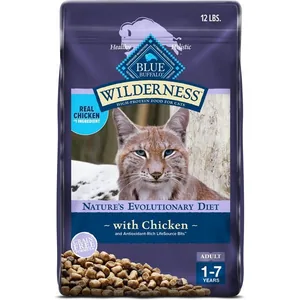
Blue Buffalo Wilderness Chicken leans into the cat’s carnivore nature with a high-protein, grain-free recipe led by real chicken. It skips corn, wheat, and soy, and adds Blue’s LifeSource Bits, little kibble pieces with vitamins and antioxidants. Cats who love meat tend to dig into this one.
Who it’s for: active adult cats and owners who want a meat-first, grain-free formula. Who it’s not for: cats your vet has flagged for grain-free diets, or those needing calorie control, since high-protein kibble can be calorie-dense. Grain-free is a preference, not a health requirement for most cats, so choose it because your cat thrives on it, not out of fear of grains.
Purina ONE Tender Selects Blend with Real Salmon Natural Dry Cat Food, 7-lb bag: best budget
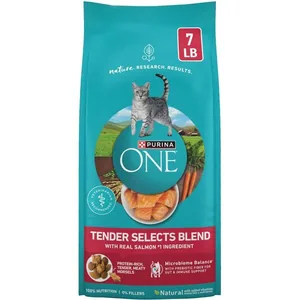
Purina ONE Tender Selects Blend with Real Salmon proves a good dry food doesn’t have to cost a fortune. Real salmon leads the ingredient list, it’s complete and balanced for adults, and it mixes crunchy kibble with tender, meaty pieces cats seem to love. For the price, the quality punches well above its weight.
Who it’s for: budget-minded owners who still want a named-protein-first food. Who it’s not for: cats needing a specialized therapeutic or single-protein diet. If you want solid everyday nutrition without the premium price tag, this is the value pick.
Iams ProActive Health Weight & Hairball Care Dry Cat Food, 7-lb bag: best hairball and weight
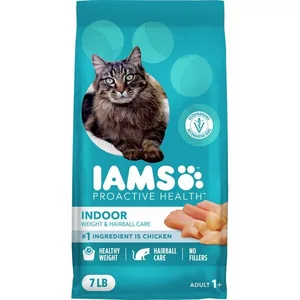
Iams ProActive Health Weight & Hairball Care does two jobs at once, which is handy for the chunky cat who also coughs up hairballs. It’s built with reduced fat and added fiber to support a healthy weight while helping minimize hairballs, and real chicken sits at the top of the list. The price makes it easy to keep buying.
Who it’s for: overweight indoor cats with a hairball habit. Who it’s not for: kittens, or cats needing a strict veterinary weight-loss formula. It’s an affordable two-in-one for a very common combo of problems.
Purina Pro Plan LiveClear Kitten Chicken & Rice Formula Dry Cat Food, 5.5-lb bag: best for kittens
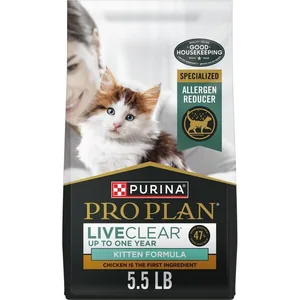
Purina Pro Plan LiveClear Kitten Chicken & Rice is a growth formula packed with the protein and calories kittens need to build muscle and bone. It’s got DHA to support brain and eye development, and the LiveClear technology is designed to reduce the allergen in the cat’s saliva that ends up on their coat. It’s a strong start-in-life kibble.
Who it’s for: kittens up to about a year old, and pregnant or nursing queens. Who it’s not for: adult or senior cats, since the calorie density is too rich for them. Feed a kitten-specific food until your vet says it’s time to switch to adult.
Purina Pro Plan LIVECLEAR Adult 7+ Prime Plus Longer Life Formula Dry Cat Food, 3.2-lb bag: best for seniors 7+
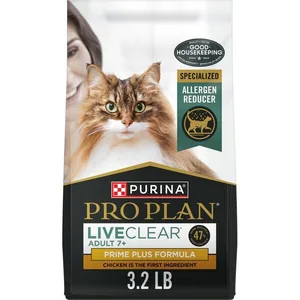
Purina Pro Plan LiveClear Adult 7+ Prime Plus is made for the cat easing into their golden years. It focuses on supporting a longer, healthier life with nutrients aimed at aging cats, higher protein to help maintain muscle, and the same allergen-reducing LiveClear technology. The smaller 3.2-pound bag suits a single older cat who eats less.
Who it’s for: healthy cats 7 and older. Who it’s not for: kittens, young adults, or seniors with a diagnosed kidney or other condition that calls for a prescription diet. Older cats have changing needs, so a mature formula plus regular vet check-ups is the way to go.
How to choose the best dry cat food
Picking the best dry cat food comes down to a few honest questions. Here’s how to shop like you know what you’re doing.
Start with AAFCO and life stage
Flip the bag over and look for a statement that the food is “complete and balanced” for a life stage, set by the Association of American Feed Control Officials (AAFCO). That single line means the food has everything your cat needs, in the right amounts. Match the stage to your cat: growth for kittens, adult maintenance for grown cats, or a formula labeled for all life stages.
Check the protein source
Cats are obligate carnivores, meaning they need meat to thrive. Look for a named animal protein like chicken, salmon, or turkey as the first ingredient, not a vague “meat by-product” or a plant protein leading the list. The experts at the Cornell Feline Health Center are a good, unbiased place to read up on feline nutrition basics.
Plan for moisture, because kibble is dry
This is the one real weakness of dry food. Kibble is only around 10 percent water, while wet food is 70 to 80 percent. Cats naturally have a low thirst drive, so a dry-only cat can cruise along mildly under-hydrated. The fix is simple: give them a reason to drink. A pet water fountain, a few water bowls around the house, or mixing in some wet food all help keep the tank topped up.
Mind the calories for indoor and less active cats
An indoor cat lounging on the couch burns far less than a farm cat on mouse patrol. Free-feeding a rich, calorie-dense kibble is one of the fastest roads to a chubby cat, and feline obesity is linked to diabetes and joint trouble. Choose an indoor or weight-management formula if your cat is a homebody, and measure the portions.
Consider kibble size and your cat’s mouth
Kittens, flat-faced breeds like Persians, and seniors with fewer teeth may struggle with big, hard pieces. Some brands shape their kibble to encourage chewing and slow down speed-eaters. If your cat swallows kibble whole and throws it back up, a different size or shape can genuinely help.
Switch foods slowly
Never swap foods cold turkey. Transition over 7 to 10 days, adding a little more of the new food and a little less of the old each day, to give your cat’s gut time to adjust and avoid diarrhea or a hunger strike.
One more thing: if your cat has any health issue, from kidney disease to allergies to diabetes, talk to your vet before choosing a food. Groups like the American Animal Hospital Association (AAHA) stress that diet is part of medical care, and the right food for a healthy cat may be wrong for a sick one. This guide is educational, not a substitute for your vet’s advice.
Is dry food bad for cats?
No, dry food is not bad for cats, and plenty of cats live long, healthy lives on quality kibble. The concern is not the kibble itself, it’s the moisture. Because dry food holds so little water and cats don’t drink much on their own, a dry-only diet can leave a cat chronically under-hydrated, which matters most for cats prone to urinary or kidney issues.
Here’s the balanced truth:
- Quality dry food is complete, convenient, affordable, and good for dental crunch and free-feeding schedules.
- Its weak spot is hydration, which you can solve with a water fountain, multiple water stations, or by adding wet food to the routine.
- Cats with a history of urinary crystals, bladder issues, or kidney disease often do better with more moisture, so ask your vet whether wet food or a mix is smarter for your cat.
For most healthy cats, a good kibble plus a solid water plan is a perfectly sound diet. Many owners land on a happy middle ground: dry food available during the day, a scoop of wet food at meals.
Common mistakes to avoid
- Leaving a full bowl out 24/7. Free-feeding rich kibble is the classic path to an overweight cat. Measure daily portions instead of topping up the bowl on autopilot.
- Feeding dry food with no water plan. Kibble alone can leave cats under-hydrated. Add a fountain, extra bowls, or some wet food to make drinking easy and appealing.
- Switching foods overnight. An abrupt change often means vomiting, diarrhea, or a cat who refuses to eat. Transition over 7 to 10 days.
- Feeding the wrong life stage. Giving a kitten adult food, or a senior a rich growth formula, misses their real needs. Match the food to your cat’s age.
- Storing kibble badly. An open bag going stale, or fats going rancid, kills flavor and nutrition. Seal it in an airtight container, keep it cool and dry, and mind the best-by date.
Related guides
Related guides:
- For the full picture across wet and dry, see our roundup of the best cat food overall.
- Boost your cat’s moisture intake with the best wet cat food.
- Homebody cat? Check the best indoor cat food picks.
- Prefer no grains? Here’s the best grain-free cat food.
- Solve the hydration problem with the best cat water fountain, and dial in portions using our guide on how much to feed your cat.
Frequently asked questions
Q: Is dry food ok for cats?
Yes, dry food is fine for most healthy cats as long as it’s AAFCO complete and balanced for their life stage. The one catch is hydration, since kibble is only about 10 percent water. Pair it with a water fountain or some wet food so your cat drinks enough.
Q: What is the best dry food for indoor cats?
For indoor cats, a formula designed for lower activity and hairball control works best, like Hill’s Science Diet Adult Indoor Chicken. Indoor cats burn fewer calories, so a lower-calorie indoor kibble helps prevent weight gain. Measure portions rather than free-feeding all day.
Q: Is dry or wet food better for cats?
Neither is simply better, they each have strengths. Wet food wins on hydration at 70 to 80 percent moisture, while dry food is more convenient and budget-friendly. Many vets suggest a combination, dry for grazing and wet to boost water intake, especially for cats prone to urinary issues.
Q: How much dry food should I feed my cat per day?
Most adult cats need roughly 1/4 to 1/2 cup of dry food per day, but the exact amount depends on the food’s calorie content and your cat’s weight and activity. Always follow the feeding chart on the bag as a starting point, then adjust with your vet. Overfeeding kibble is a top cause of feline obesity.
Q: Is grain-free dry food better for cats?
Not for most cats. True grain allergies in cats are rare, and grains like rice are a fine, digestible energy source. Grain-free foods like Blue Buffalo Wilderness are a good choice if your cat does well on them, but they’re a preference, not a health requirement. Ask your vet if you’re unsure.
Q: What is the best kitten kibble?
The best kitten kibble is a growth formula with high protein, calories, and DHA for development, such as Purina Pro Plan Kitten Chicken & Rice. Feed a kitten-specific food until about 12 months old, since adult food doesn’t supply the energy a growing kitten needs. Then transition to adult food gradually.
Q: Can I feed my senior cat regular adult dry food?
You can, but a mature formula for cats 7 and up is often a better fit. Senior recipes help maintain muscle and support aging bodies. If your older cat has kidney disease or another condition, your vet may recommend a specific therapeutic diet instead.
Q: How do I switch my cat to a new dry food?
Transition over 7 to 10 days to avoid stomach upset. Start with about 25 percent new food mixed into 75 percent old, then shift the ratio a bit more toward the new food every couple of days. If your cat gets loose stools, slow the change down.
The bottom line
There’s no single best dry cat food for every cat, but there is a best one for yours. For most healthy indoor adults, Hill’s Science Diet Adult Indoor Chicken is our top all-rounder. Feeding a kitten? Go with Purina Pro Plan Kitten. Got a senior, a chunky cat, or a hairball machine? There’s a targeted pick above for each. Whatever kibble you choose, make it AAFCO complete and balanced, match it to your cat’s life stage, and set up an easy water source so the one weakness of dry food never becomes a problem. Do that, and the best dry cat food for your cat is the one that keeps them lean, hydrated, and happily crunching.

Hello and welcome to The Ideal Cat!
We are some passionate cat owners from different professions. We love our cats and have a lot of experience in how to care for our pets. We are incredibly excited to share our knowledge, experience, and research with you. So you can take good care of your loving cat. We will answer most of the common questions about owning cats, taking care of them, etc. If you have any question contact with us. Thanks for visiting! Enjoy the content.
)