Your indoor cat sleeps 16 hours a day, patrols the same three windowsills, and somehow still acts starving at 5am. Sound familiar? Then your vet’s gentle comment about “a little extra weight” probably didn’t shock you. Switching to a wet food built for indoor cats is one of the easiest levers to pull.
Here’s the thing about the best indoor cat food: it’s built for a cat who burns fewer calories than her barn-cat cousins. Indoor formulas usually run a bit leaner and add fiber to move hairballs along, since a cat who lounges all day still swallows plenty of fur.
We rounded up 7 solid picks below, from a budget-friendly overall winner to a wet food for the hydration crowd. Every one is complete and balanced, and we’ll tell you honestly who each is for.
- The best indoor cat foods list a named animal protein first, like chicken or salmon, and meet AAFCO complete-and-balanced standards for a cat’s life stage.
- Indoor formulas typically run lower in calories than regular adult food because a couch-bound cat burns far less energy than an outdoor hunter.
- Added fiber, such as beet pulp or cellulose, helps swallowed fur pass through the gut instead of coming back up as hairballs.
- Portion control usually matters more than the word ‘indoor’ on the bag; measure meals and feed to your cat’s target weight, not the label’s default.
- Switch to any new food slowly over 7 to 10 days to avoid stomach upset and diarrhea.
Our Top Picks
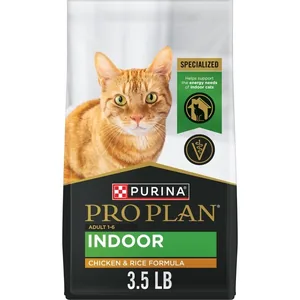
Purina Pro Plan Adult Indoor Chicken & Rice Formula High Protein Dry Cat Food, 3.5-lb bag
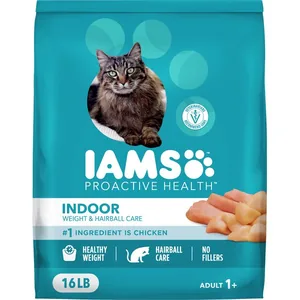
Iams ProActive Health Indoor Weight & Hairball Care Cat Food, 16-lb
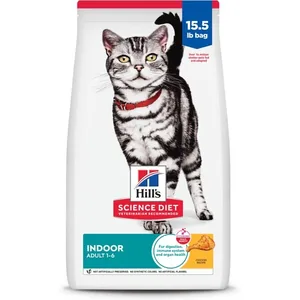
Hill’s Science Diet Adult Indoor Chicken Recipe Dry Cat Food, 15.5-lb bag
Indoor cat food compared at a glance
| Food | Best for | Type | Price |
|---|---|---|---|
| Purina Pro Plan Adult Indoor Chicken & Rice Formula High Protein Dry Cat Food, 3.5-lb bag | Best overall indoor | Adult dry | $16.88 |
| Iams ProActive Health Indoor Weight & Hairball Care Cat Food, 16-lb | Best for weight and hairball | Adult dry | $33.98 |
| Hill’s Science Diet Adult Indoor Chicken Recipe Dry Cat Food, 15.5-lb bag | Best vet-recommended | Adult dry | $63.99 |
| Wellness Complete Health Grain-Free Indoor Deboned Chicken Recipe Dry Cat Food, 11.5-lb bag | Best grain-free indoor | Grain-free dry | $35.19 |
| Blue Buffalo Indoor Health Chicken & Brown Rice Dry Cat Food, 15 lb | Best natural | Adult dry | $46.98 |
| Tiki Cat After Dark Pate+ Chicken & Beef Grain-Free Wet Cat Food, 5.5-oz can, case of 8 | Best wet indoor | Wet pate | $29.12 |
| Royal Canin Feline Health Nutrition Indoor Adult Dry Cat Food, 7-lb bag | Best for digestion | Adult dry | $36.99 |
The 7 best indoor cat food picks, reviewed
Purina Pro Plan Adult Indoor Chicken & Rice Formula High Protein Dry Cat Food, 3.5-lb bag: best overall indoor
Purina Pro Plan Adult Indoor Chicken & Rice leads our list because it nails the basics without a scary price tag. Real chicken is the first ingredient, it’s higher in protein than most indoor kibbles, and it includes natural fiber to help control hairballs and keep digestion smooth.
This one’s for the cat parent who wants a trusted, widely available food that just works. If your cat needs a strict prescription weight-loss diet, this isn’t that, but for everyday healthy indoor cats it’s a very easy yes.
Iams ProActive Health Indoor Weight & Hairball Care Cat Food, 16-lb: best for weight and hairball
Iams ProActive Health Indoor Weight & Hairball Care tackles the two biggest indoor-cat headaches in one bag. It uses a tailored fiber blend to reduce hairballs and keeps calories in check to support a healthy weight, with chicken as the first ingredient.
Great pick if your cat is a chunky monkey who also coughs up fur. The 16-lb bag is a good value for multi-cat homes. Skip it if your cat is already skinny or very young, since a lean-formula food isn’t ideal for growing kittens.
Hill’s Science Diet Adult Indoor Chicken Recipe Dry Cat Food, 15.5-lb bag: best vet-recommended
Hill’s Science Diet Adult Indoor Chicken is the food a lot of vets reach for, and there’s a reason. It’s balanced for indoor adult cats with controlled energy, added fiber for hairballs, and Hill’s reliable quality control behind it.
Best for owners who want a science-backed, consistent food and don’t mind paying more for it. The main catch is price, since the 15.5-lb bag sits at the higher end. Worth it if peace of mind matters to you.
Wellness Complete Health Grain-Free Indoor Deboned Chicken Recipe Dry Cat Food, 11.5-lb bag: best grain-free indoor
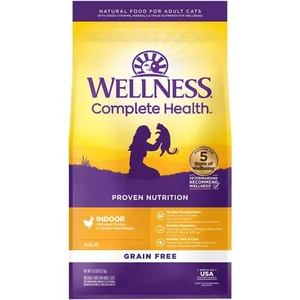
Wellness Complete Health Grain-Free Indoor Deboned Chicken skips the grains and leads with real chicken and turkey. It’s protein-forward with controlled calories and fiber for hairball support, so indoor cats stay satisfied on smaller portions.
This one suits cats who do better without grains or whose owners simply prefer grain-free. Just know that grain-free isn’t automatically healthier for every cat, so chat with your vet if your cat has no specific reason to avoid grains.
Blue Buffalo Indoor Health Chicken & Brown Rice Dry Cat Food, 15 lb: best natural
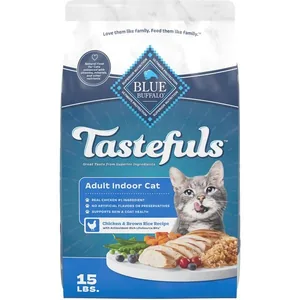
Blue Buffalo Indoor Health Chicken & Brown Rice keeps things simple and natural: real chicken first, wholesome brown rice, and Blue’s signature LifeSource Bits packed with vitamins and antioxidants. It’s formulated for indoor cats with fiber to help with hairballs and weight.
Pick this if you like a natural-style food with no chicken by-product meals, corn, wheat, or soy. Some picky cats snub the LifeSource Bits, so if yours is fussy, watch that first bag closely.
Tiki Cat After Dark Pate+ Chicken & Beef Grain-Free Wet Cat Food, 5.5-oz can, case of 8: best wet indoor
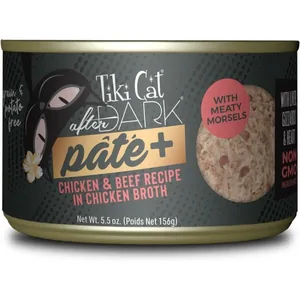
Tiki Cat After Dark Pate+ Chicken & Beef is a rich, high-protein, grain-free wet food, and wet food is a quiet weapon for indoor cats. The extra moisture supports hydration and helps cats feel full on fewer calories, which is handy for weight control.
Best for indoor cats who need to lose a little or who don’t drink enough water. It’s not marketed as an indoor-specific formula, but its high protein and moisture make it a smart addition. Pricier per calorie than kibble, so many owners mix it with dry food.
Royal Canin Feline Health Nutrition Indoor Adult Dry Cat Food, 7-lb bag: best for digestion
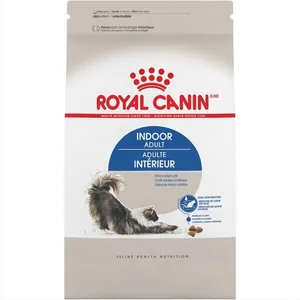
Royal Canin Feline Health Nutrition Indoor Adult is built around digestion and litter-box realities. It uses highly digestible proteins and a specific fiber blend to support healthy stools and reduce stool odor, plus moderate calories for indoor life.
Reach for this if your indoor cat has a sensitive tummy or your litter box is, let’s say, aromatic. The kibble is designed for indoor adults, so it’s not the right fit for kittens or seniors with different needs.
How to choose the best indoor cat food
Picking the best indoor cat food comes down to a few honest questions. Here’s what actually matters once you get past the marketing on the bag.
Calorie density and portion control
Indoor cats move less, so they need fewer calories. Indoor formulas trim calorie density a little, but the real lever is how much you pour. Measure every meal with an actual measuring cup, not a coffee mug. Weight gain and feline obesity are genuine health issues, so ask your vet for your cat’s target weight and daily calorie number, then feed to that. The American Animal Hospital Association offers owner guidance on healthy weight worth a read.
Fiber for hairballs
A cat who grooms all day swallows a lot of fur. Moderate fiber, from sources like beet pulp, cellulose, or psyllium, helps that fur travel through the gut instead of coming back up on your rug. If hairballs are a weekly event, a fiber-boosted indoor formula genuinely helps.
Protein first
Cats are obligate carnivores, meaning they need meat to thrive. Look for a named animal protein, like chicken or salmon, as the first ingredient. High protein helps a dieting indoor cat hold onto muscle while losing fat. Cornell’s vets have a helpful primer on feeding your cat that’s worth bookmarking.
Indoor vs regular formula: is it just marketing?
Partly, yes. “Indoor” isn’t a regulated term, so quality varies. A good indoor formula does lower calories and raise fiber, which helps. But a well-portioned bowl of quality regular adult food can work just as well for many cats. Don’t treat the word “indoor” as a free pass to overfeed.
Wet food for hydration and weight
Wet food is roughly 70 to 80 percent moisture, which supports hydration and helps cats feel full on fewer calories. That combo is a friend to indoor cats, especially ones trying to slim down or those who barely touch the water bowl.
Transition slowly
Switch foods over 7 to 10 days. Start with mostly old food and a little new, then shift the ratio each day. Rushing it is the fastest route to diarrhea and a food your cat now distrusts. Whatever you choose, confirm the label says it meets AAFCO complete-and-balanced standards for your cat’s life stage. And if your cat is overweight or has any health condition, talk to your vet before making a big diet change.
Do indoor cats really need special food?
Not always. Indoor cats don’t require a food labeled “indoor” to be healthy, but many benefit from what those formulas offer: fewer calories and more fiber. The honest truth is that portion control often matters more than the label on the bag.
- Where indoor food helps: cats who gain weight easily, cough up frequent hairballs, or lounge all day and barely play.
- Where it’s optional: active, lean cats on a well-measured portion of quality regular adult food, who may do perfectly fine without it.
- The bottom line: a good indoor formula makes healthy feeding easier, but it can’t outrun an overflowing bowl.
Common mistakes to avoid
- Free-feeding all day. Leaving the bowl full lets an indoor cat graze past her calorie needs. Measure meals instead.
- Trusting the ‘indoor’ label over portions. The word on the bag doesn’t count calories for you. How much you feed still decides your cat’s weight.
- Skipping wet food and water. Dry-only diets leave many indoor cats under-hydrated. A little wet food or a fountain helps.
- Ignoring hairballs. Frequent hairballs aren’t just gross, they signal you may need more fiber or better grooming support.
- Feeding the wrong life stage. Kittens and seniors have different needs than adults. Match the food to your cat’s age, not just the indoor claim.
Related guides
Related guides:
- Compare the field in our full roundup of the best cat food across every category.
- Kibble-first household? See the best dry cat food picks.
- For moisture and weight, browse the best wet cat food for indoor cats.
- Avoiding grains? Check our best grain-free cat food guide.
- If your vet wants pounds off, start with cat food for weight loss and our guide on how much to feed your cat.
Frequently asked questions
Q: Do indoor cats need special food?
Indoor cats don’t strictly need a food labeled ‘indoor,’ but many benefit from the lower calories and added fiber those formulas offer. The bigger factor is portion control. A well-measured bowl of quality adult food can keep an indoor cat healthy either way.
Q: What is the best food for indoor cat weight loss?
For weight loss, look for a high-protein, lower-calorie food and feed to your cat’s target weight, not the bag’s default. Adding wet food helps cats feel full on fewer calories thanks to its high moisture. Always ask your vet for a target weight and safe pace before a diet.
Q: Is indoor cat food different from regular cat food?
Indoor formulas usually trim calories and add fiber for hairballs, since indoor cats move less than outdoor ones. ‘Indoor’ isn’t a regulated term, though, so quality varies between brands. A quality regular adult food fed in measured portions can work just as well for many cats.
Q: How much should I feed an indoor cat?
Most indoor adult cats need roughly 20 calories per pound of ideal body weight per day, but this varies a lot. Use the feeding guide on the bag as a starting point, then adjust based on your cat’s weight over time. Your vet can give you an exact daily calorie target.
Q: What is the best cat food for hairballs?
The best hairball foods add moderate fiber, such as beet pulp or cellulose, to help swallowed fur pass through the gut. Indoor and hairball-control formulas like Iams Indoor Weight & Hairball Care are built for this. Regular brushing also cuts down on how much fur your cat swallows.
Q: Is wet or dry food better for indoor cats?
Both can work, and a mix is often ideal. Wet food adds moisture for hydration and helps with weight because cats feel full on fewer calories. Dry food is convenient and budget-friendly. Many indoor cats do best with wet meals plus measured dry food.
Q: Can indoor cat food help with a smelly litter box?
Sometimes, yes. Highly digestible foods with tailored fiber, like Royal Canin Indoor Adult, are designed to reduce stool volume and odor. If litter-box smell is sudden or severe, though, see your vet, since it can signal a digestive or health problem.
Q: How do I switch my cat to a new indoor food?
Transition over 7 to 10 days. Start with about 75 percent old food and 25 percent new, then shift the ratio a little each day. Going slowly helps prevent diarrhea and stomach upset and gives a picky cat time to accept the new taste.
The bottom line
For most homes, the best indoor cat food is Purina Pro Plan Adult Indoor Chicken & Rice: high in protein, lean on calories, and easy to find at a fair price. If hairballs and weight are your battle, Iams Indoor Weight & Hairball Care is the smarter buy, and Tiki Cat After Dark is a great wet-food add-on for hydration. Whatever you pick, measure the portions, transition over 7 to 10 days, and let your vet set the target weight. Do that, and the food does its job.

Hello and welcome to The Ideal Cat!
We are some passionate cat owners from different professions. We love our cats and have a lot of experience in how to care for our pets. We are incredibly excited to share our knowledge, experience, and research with you. So you can take good care of your loving cat. We will answer most of the common questions about owning cats, taking care of them, etc. If you have any question contact with us. Thanks for visiting! Enjoy the content.
)