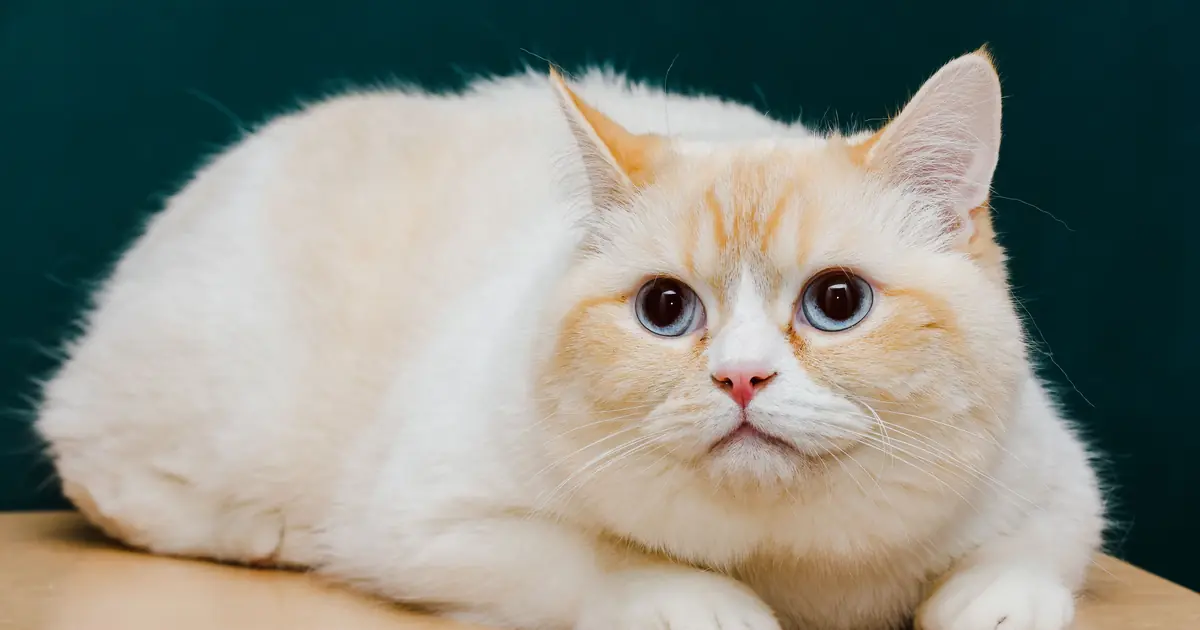
You go to pick your cat up for a cuddle and something feels off. Their belly looks rounder than usual, maybe even tight to the touch. Your mind jumps straight to the worst case, and honestly, that’s a fair reaction. A sudden change in your cat’s shape is one of those things that’s hard to ignore.
Here’s the thing though: a bloated-looking belly doesn’t always mean disaster. Sometimes it’s a big meal or a lazy afternoon of no litter box trips. But sometimes it really is a sign your cat needs help fast. This guide walks you through both ends of that spectrum, so you know exactly what to check and when to stop waiting and call the vet.
- A soft, doughy belly that isn’t painful is usually from overeating, gas, or mild constipation, and often settles within a day.
- A hard, tight, or painful belly, especially one that’s swelling quickly, can mean fluid buildup, a tumor, or a blockage and needs urgent vet care.
- Kittens with round, pot-bellied tummies plus a dull coat or diarrhea often have intestinal worms, which is common and treatable.
- The “primordial pouch,” the saggy flap of skin that hangs under most adult cats’ bellies, is completely normal and not bloat at all.
- Feline infectious peritonitis (FIP) and ascites (fluid in the abdomen) are two serious causes of a distended belly that require prompt diagnosis by a veterinarian.
Why does my cat look bloated?
Your cat’s belly can look bloated for reasons as harmless as a big meal or as serious as fluid building up around the organs. The trick is figuring out which end of that range you’re dealing with. Mild bloating usually comes from something in the digestive tract: gas, stool, or food that hasn’t moved through yet. Serious bloating usually comes from something building up inside the abdominal cavity itself, like fluid, an enlarged organ, or a mass that’s pushing the belly outward.
A good rule of thumb: if your cat is acting completely normal, eating, playing, and using the litter box, mild causes are more likely. If your cat seems uncomfortable, tired, or off their food along with the swelling, take that seriously and get it checked.
What are the common, milder causes of a bloated belly?
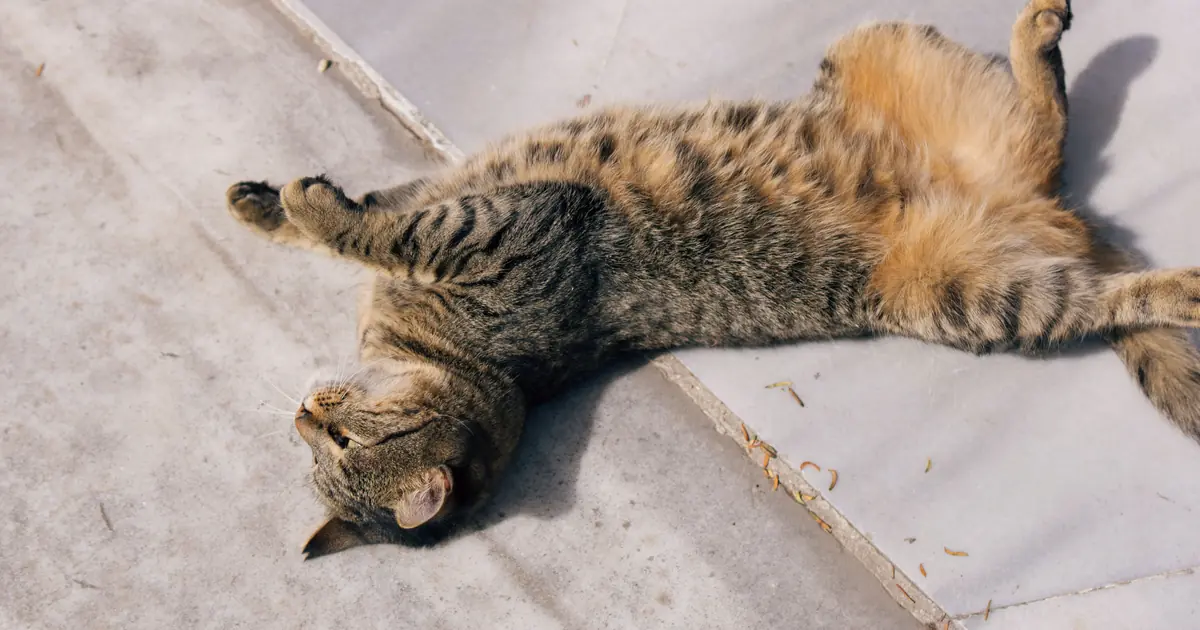
Most of the time, a swollen-looking tummy comes down to overeating, gas, constipation, mild weight gain, or a normal loose belly flap. These causes usually don’t come with pain, vomiting, or a change in your cat’s energy level.
- Overeating: Cats who wolf down a big meal, or sneak extra food from another cat’s bowl, can look temporarily round and tight. This is more common in kittens who haven’t learned to pace themselves; if you’re curious how much is too much, our guide on whether a kitten can overeat covers the signs to watch for.
- Gas from diet: A sudden food switch, a new treat, or a sensitive stomach can trap gas in the intestines and puff the belly out slightly.
- Constipation: A backed-up colon can make the lower belly feel firm and full. Straining in the litter box, small hard stools, or no stool at all for a couple of days are the giveaways. Our piece on how to tell if a cat is constipated walks through what to look for.
- Mild weight gain: Extra body fat settles around the belly first in a lot of cats, giving them a rounder look that builds up gradually rather than overnight. If your cat’s whole body seems bigger lately, not just the tummy, read why your cat looks so big for more on healthy weight ranges.
- Pregnancy: An intact female cat’s belly will noticeably round out starting around the third or fourth week of a pregnancy that typically lasts 63 to 65 days.
Is the “primordial pouch” the same thing as bloat?
No, the primordial pouch is not bloat. It’s a loose flap of skin and fat that hangs along the underside of a cat’s belly, just in front of the hind legs, and nearly every adult cat has one to some degree. It sways when your cat runs or jumps, which is exactly what confuses new cat parents into thinking something is swollen.
This pouch is normal cat anatomy, not a symptom of anything. It’s soft, loose, and moves freely in your hand. Bloat, by contrast, tends to affect the whole belly shape and can feel tight or firm rather than saggy. If you can gently jiggle the flap and it swings like a little pendulum, that’s the pouch doing its job, not a health problem.
What are the serious causes of a swollen or bloated belly?
A hard or rapidly swelling belly can point to intestinal parasites, fluid buildup in the abdomen, an enlarged organ, a tumor, or a physical blockage in the gut. These causes tend to come with other red flags like vomiting, appetite loss, or lethargy, and they need veterinary diagnosis, not a wait-and-see approach.
- Intestinal parasites (worms): Roundworms and tapeworms are especially common in kittens and can cause a classic pot-bellied look along with a dull coat, diarrhea, or visible segments near the tail. According to the Cornell Feline Health Center, roundworms are one of the most common parasites in kittens and can be passed from a mother cat before or shortly after birth. If you want to understand how cats pick these up, our articles on whether kittens are born with worms and how cats get tapeworms go into more detail.
- Ascites (fluid in the abdomen): This is a buildup of fluid inside the belly, and it can come from heart disease, liver disease, cancer, or a serious infection. The belly often feels like it’s sloshing or unusually heavy, and according to VCA Animal Hospitals, ascites is always a sign of an underlying disease that needs veterinary workup, never a condition on its own.
- Feline infectious peritonitis (FIP): This is a viral disease that, in its “wet” form, causes fluid to accumulate in the abdomen or chest. The Merck Veterinary Manual notes that wet FIP typically causes a visibly distended, fluid-filled belly along with weight loss, fever, and lethargy, and it’s fatal without treatment.
- Organ enlargement: An enlarged liver, spleen, or kidneys can push the belly outward. This can come from infection, cancer, or chronic organ disease and usually needs bloodwork and imaging to sort out.
- Tumors or masses: A growth in the abdomen, whether on an organ or free-floating in the belly cavity, can create a firm, sometimes lopsided swelling.
- GI obstruction (blockage): Cats who swallow string, hair ties, or other foreign objects can develop a blockage in the intestines. This traps gas and fluid behind the obstruction, causing rapid swelling along with vomiting and a complete loss of appetite. Blockages are a surgical emergency in most cases.
- Heart or liver disease: Both can lead to fluid retention in the belly as the underlying organ struggles to function normally, often alongside other symptoms like weight loss or breathing changes.
What should I check at home if my cat’s belly looks bloated?
Start by gently feeling your cat’s belly and watching their behavior for the next few hours. A soft, non-painful belly with a cat who’s still eating, drinking, pooping, and moving normally is far less worrying than a hard belly paired with any change in behavior.
- Feel the belly gently. Is it soft and squishy, or hard and tight like a drum?
- Watch for pain. Does your cat flinch, hiss, or pull away when you touch their tummy?
- Check appetite. Are they eating normally, or have they gone off food? If your cat’s suddenly skipping meals, see why a cat might be hiding and not eating for other clues.
- Check the litter box. Are they pooping normally, straining, or producing nothing at all?
- Look at energy levels. Are they playful and alert, or unusually quiet and withdrawn?
- Note how fast it happened. A belly that swelled up over hours is far more urgent than one that’s crept up gradually over weeks.
What causes go with which symptoms?
| Cause | Other signs | Urgency |
|---|---|---|
| Overeating or gas | Belly is soft, cat is otherwise normal, settles within a day | Low, monitor at home |
| Constipation | Straining in litter box, small or no stool, mild discomfort | Low to moderate, see a vet if it lasts more than 1-2 days |
| Primordial pouch | Loose, saggy flap that swings when walking; not new or tight | None, this is normal anatomy |
| Worms (kittens especially) | Pot-bellied look, dull coat, diarrhea, visible worm segments | Moderate, schedule a vet visit soon |
| Ascites (fluid buildup) | Belly feels heavy or sloshy, lethargy, breathing changes | High, seek vet care promptly |
| GI obstruction (blockage) | Vomiting, no appetite, rapid swelling, straining with no result | Emergency, go now |
When should I see a vet for a bloated cat belly?
See a vet right away if your cat’s belly is hard, painful to the touch, or swelling up quickly, especially alongside vomiting, appetite loss, or low energy. These signs together point toward the serious causes, not the mild ones, and time matters with several of them.
This article is educational and isn’t a substitute for an exam from a licensed veterinarian. If your cat’s belly changes suddenly or you’re not sure which category it falls into, it’s always safer to call your vet or an emergency animal hospital and describe what you’re seeing.
Watch for these red flags:
- A belly that’s hard, tight, or drum-like rather than soft
- Pain or flinching when the belly is touched
- A belly swelling up over hours rather than days
- Vomiting, especially repeated or unproductive vomiting
- No interest in food or water
- Lethargy, hiding, or general dullness
- Straining in the litter box with little or no result
- Labored or rapid breathing
- Pale or gray gums
- A kitten with a persistent pot belly, especially with diarrhea or poor growth
Never give your cat human gas relief medication, laxatives, or any other over-the-counter remedy without a vet’s direction. Cats process medications very differently than people do, and the wrong one can make things worse fast.
Frequently Asked Questions
Q: Can a cat’s belly bloat from eating too fast?
Yes. Cats who eat quickly swallow extra air along with their food, which can trap gas in the stomach and intestines and make the belly look temporarily rounder. This usually settles on its own within a few hours and isn’t cause for alarm if your cat seems otherwise comfortable.
Q: How can I tell the difference between a fat belly and a bloated belly?
A fat belly builds up gradually over weeks or months and feels soft and evenly padded across the whole body, not just the tummy. A bloated belly often appears suddenly, can feel firm or tight, and may be paired with other symptoms like poor appetite or lethargy.
Q: Why does my kitten have a round, pot-bellied tummy?
A pot-bellied kitten tummy is a classic sign of intestinal worms, most often roundworms, which are extremely common in young kittens. A vet can confirm this with a simple fecal test and treat it with deworming medication.
Q: Is a swollen belly always an emergency in cats?
No. A soft, non-painful belly in a cat who’s eating, pooping, and acting normal is usually mild, from something like overeating or gas. A hard, painful, or fast-swelling belly, especially with vomiting or lethargy, is an emergency that needs immediate veterinary care.
Q: What is ascites in cats?
Ascites is the medical term for fluid building up inside the abdominal cavity. It’s not a disease on its own but a sign of an underlying problem such as heart disease, liver disease, or cancer, and it always needs a veterinarian to find the cause.
Q: Can constipation make my cat’s belly look bloated?
Yes. A colon full of backed-up stool can make the lower belly feel firm and look swollen. Most cats with constipation also strain in the litter box or pass small, hard stools, and it usually resolves with dietary changes or vet-guided treatment.
Q: What is FIP and how does it cause a bloated belly?
Feline infectious peritonitis (FIP) is a viral disease that, in its wet form, causes fluid to leak into the abdomen or chest, creating a visibly distended belly along with fever, weight loss, and lethargy. It’s a serious, typically fatal disease without prompt treatment, so any suspected case needs urgent veterinary attention.
Q: Should I feel my cat’s belly if I think it’s bloated?
Yes, gently. Pressing lightly on the belly and watching your cat’s reaction can tell you whether it’s soft or hard and whether it’s painful, both of which help you and your vet judge urgency. Stop immediately if your cat shows pain, and never press hard or repeatedly on a swollen belly.

Hello and welcome to The Ideal Cat!
We are some passionate cat owners from different professions. We love our cats and have a lot of experience in how to care for our pets. We are incredibly excited to share our knowledge, experience, and research with you. So you can take good care of your loving cat. We will answer most of the common questions about owning cats, taking care of them, etc. If you have any question contact with us. Thanks for visiting! Enjoy the content.
