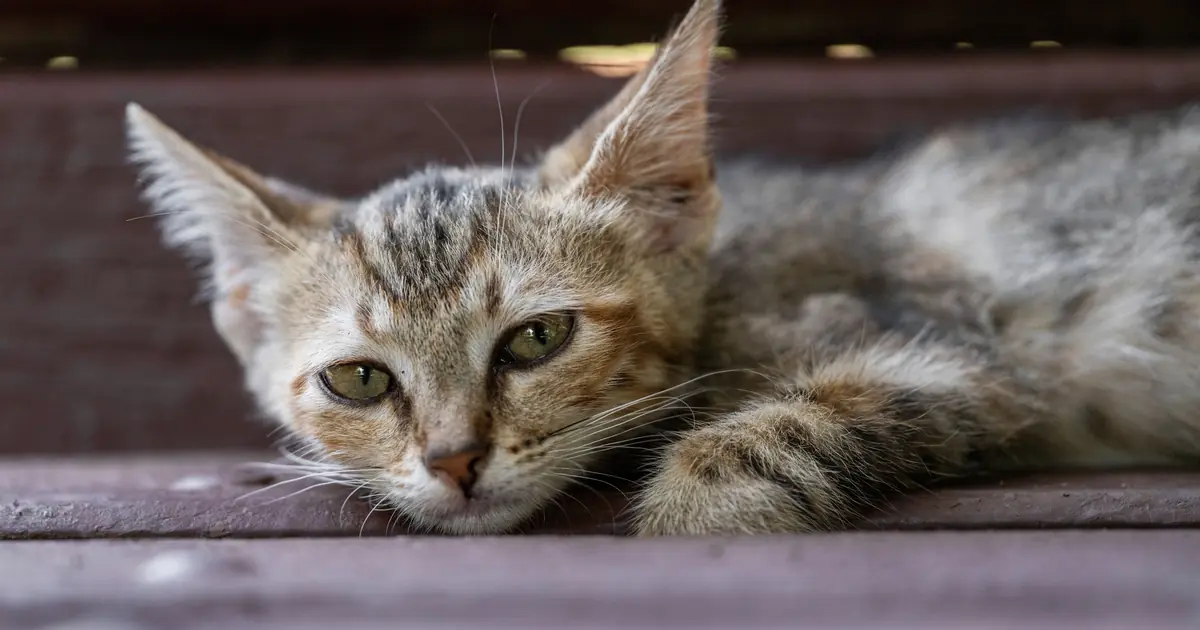
Few words scare a cat parent like FIP. For decades, a FIP diagnosis meant heartbreak, because the disease was considered a death sentence. So let’s start with the part nobody used to be able to say.
That has changed. FIP is now a treatable disease, and most cats who get the right antiviral therapy recover and go on to live normal lives. This guide walks you through what FIP actually is, how to spot it, how vets diagnose it, and exactly where treatment stands in 2026.
This article is educational and isn’t a substitute for veterinary care. FIP moves fast, so if you’re worried, call your vet today.
- FIP develops when a common, usually harmless feline coronavirus (FCoV) mutates inside an individual cat and triggers severe inflammation.
- Feline coronavirus is a cat-only virus. It is not the same as human coronaviruses and cannot make people sick.
- FIP mostly affects cats under 2 years old, especially in multi-cat homes, shelters, and catteries.
- The two main forms are wet (effusive), with fluid in the belly or chest, and dry (non-effusive), which targets the eyes, brain, and organs.
- FIP was once nearly 100% fatal, but the antiviral GS-441524 now puts roughly 80 to 90% of treated cats into remission.
- Compounded GS-441524 became legally available in the US by veterinary prescription on June 1, 2024.
What is FIP in cats?
FIP, or feline infectious peritonitis, is a serious immune-driven disease caused by a mutated form of feline coronavirus. Feline coronavirus (FCoV) itself is extremely common and usually harmless. It lives in the gut, spreads through poop, and causes little more than mild diarrhea, if anything, in most cats.
Here’s the twist that makes FIP so tricky. In a small number of cats, that ordinary gut virus mutates inside the cat’s own body. The mutated virus escapes the intestines, gets into certain immune cells, and sets off a storm of inflammation throughout the body. That runaway inflammation is what we call FIP.
One reassuring point up front: this is a cat virus. Feline coronavirus is not related to the human coronaviruses that cause colds or COVID-19, and it cannot infect people or other pets like dogs. According to the UC Davis School of Veterinary Medicine, FIP develops sporadically in individual cats rather than spreading from cat to cat as FIP itself. You cannot “catch” FIP from your cat, and one cat rarely gives FIP to another.
Which cats are most at risk for FIP?
FIP overwhelmingly targets young cats, most often those under 2 years old. Kittens and young adults have less mature immune systems, which seems to tip the odds toward the virus mutating and taking hold.
The other big risk factor is crowding. Places where many cats share space and litter boxes, like shelters, catteries, foster homes, and busy multi-cat households, spread feline coronavirus easily. More virus circulating means more chances for that unlucky mutation. UC Davis reports that roughly 4 to 5% of FCoV-infected adult cats and 5 to 10% of kittens in multi-cat settings go on to develop FIP.
Stress plays a supporting role too. Rehoming, surgery, or a new environment can strain a young cat’s immune system right when the virus is active. Certain purebred lines, including some pedigreed breeds, also appear more prone to FIP, likely due to genetics. If you’ve just brought home a shelter kitten, keep an eye out and don’t panic; the odds are still in your favor, but awareness helps you act fast if something seems off.
What are the symptoms of FIP in cats?
Early FIP symptoms are vague and easy to miss: a fever that won’t quit, low energy, a poor appetite, and slow weight loss. A classic red flag is a fever that doesn’t respond to antibiotics. From there, FIP usually settles into one of two forms, and the form shapes the symptoms.
Wet (effusive) FIP
Wet FIP causes fluid to build up inside body cavities. The most recognizable sign is a swollen, pot-bellied abdomen from fluid pooling in the belly. If fluid collects in the chest instead, the cat may breathe fast or struggle to breathe. Wet FIP tends to progress quickly.
Dry (non-effusive) FIP
Dry FIP produces little to no fluid. Instead, inflammation forms in the organs, eyes, and nervous system. You might see cloudy or color-changed eyes, wobbly or uncoordinated walking, head tilts, or even seizures. Dry FIP often develops more slowly and can be harder to pin down.
Many cats show a mix of both forms, and dry FIP can shift into wet FIP over time. Here’s a side-by-side to make the two easier to tell apart.
| Feature | Wet (effusive) FIP | Dry (non-effusive) FIP |
|---|---|---|
| Fluid buildup | Yes, in the abdomen and/or chest | Little to none |
| Most visible sign | Swollen belly or labored breathing | Eye changes or neurological signs |
| Eye and brain signs | Less common | Common (cloudy eyes, wobbliness, seizures) |
| Speed of progression | Often rapid | Often slower |
| Shared early signs | Persistent fever, lethargy, poor appetite, weight loss | |
Some of these signs overlap with other illnesses. Weight loss and low energy can point to many conditions, and ongoing tummy trouble has its own long list of causes, which is why knowing when to worry about cat vomiting is worth a read. The takeaway with FIP: a young cat with a stubborn fever and fading appetite deserves a vet visit sooner rather than later.
How do vets diagnose FIP?
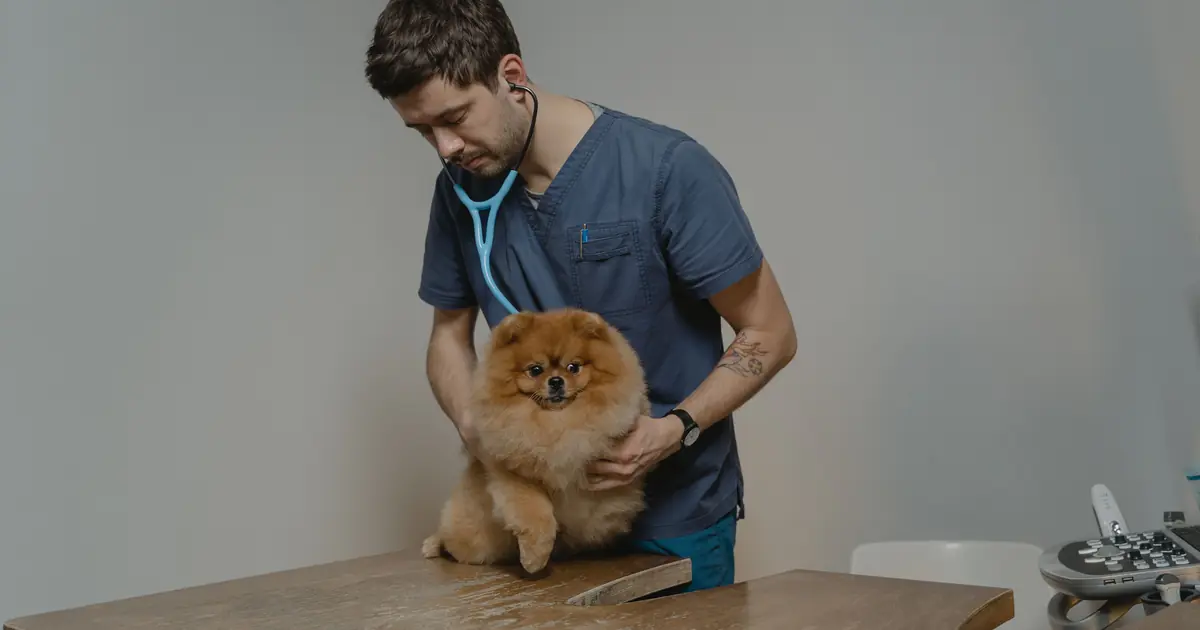
There is no single test that confirms FIP with 100% certainty, so vets diagnose it by putting several pieces together. That’s what makes FIP one of the harder feline diseases to nail down. Your vet builds the picture from your cat’s history, symptoms, and a combination of tests.
Diagnosis usually draws on some mix of these:
- Clinical signs and history: a young cat, often from a multi-cat background, with a persistent fever and weight loss.
- Bloodwork: vets look for anemia, high total protein or globulins, and a low albumin-to-globulin ratio, which are common in FIP.
- Fluid analysis: in wet FIP, a sample of the belly or chest fluid is tested. The classic FIP fluid is thick, straw-yellow, and high in protein.
- Imaging: ultrasound or X-rays to find fluid or affected organs.
- PCR testing: molecular tests can detect feline coronavirus and certain mutations in fluid, tissue, or spinal fluid to support the diagnosis.
No single result is a slam dunk, which is why your vet may run several tests or refer you to an internal medicine specialist. The Cornell Feline Health Center stresses that FIP diagnosis rests on the whole clinical picture, not one number on a lab report.
Can FIP in cats be treated or cured?
Yes. This is the biggest change in feline medicine in years. FIP was long considered almost always fatal, with up to 95% of untreated cats dying from it. Today, an antiviral drug called GS-441524 sends most treated cats into remission, and many go on to live full, healthy lives.
GS-441524 blocks the virus from copying itself, giving the cat’s body a chance to recover. Its close relative, remdesivir, is the injectable form (a prodrug that the body converts into GS-441524), and vets often use remdesivir injections first, then switch to GS-441524 tablets for the rest of the course. Studies from research groups in Australia, the UK, and the US report remission and survival rates in the range of roughly 80 to 90%, with some reports as high as 92%.
The standard course runs daily for 84 days (12 weeks), followed by an observation period of around another 12 weeks to watch for relapse. Newer research suggests some cats may do just as well on shorter courses, but 84 days remains the widely used protocol. Relapses happen in roughly 10% of cats, usually within about 60 days after treatment ends, and many of those cats respond to a second round.
Treatment isn’t a DIY project. Dosing depends on the form of FIP, your cat’s weight, and how they respond, and neurological or eye cases often need higher doses. This is a partnership with your vet from start to finish, so please don’t source drugs from unregulated sellers or guess at doses at home.
Is FIP treatment legal and available in the US now?
Yes. For years, GS-441524 was only available through an unofficial gray market, which left desperate owners buying unregulated products online. That changed in 2024. Compounded GS-441524 became legally available in the US by veterinary prescription on June 1, 2024, after a compounding pharmacy began offering an oral formulation.
The shift came because the US Food and Drug Administration announced it would not take enforcement action against compounded GS-441524 when a veterinarian prescribes it for a specific cat with FIP. There is still no fully FDA-approved FIP drug, but the compounded medication is now obtainable legally through veterinary channels and compounding pharmacies. Cornell’s Feline Health Center has confirmed that a veterinary prescription is now the route to get this treatment.
The bottom line for you: if your cat is diagnosed with FIP, ask your vet directly about GS-441524 treatment. If your regular vet isn’t experienced with it, ask for a referral to one who is.
How can you prevent FIP?
There’s no guaranteed way to prevent FIP, but you can lower the risk by reducing how much feline coronavirus circulates around your cats. Since the virus spreads through feces, litter box hygiene does a lot of heavy lifting.
Practical steps that help:
- Keep litter boxes spotless. Scoop at least once or twice a day and clean the boxes regularly. Aim for one box per cat, plus one extra.
- Don’t overcrowd. Feline coronavirus thrives in dense multi-cat settings. Smaller, stable groups spread less virus.
- Place boxes away from food and water. This limits fecal-oral spread between cats.
- Reduce stress during big changes. Go slow with new cats, moves, and introductions, especially for kittens.
- Stay on top of routine care. A healthy immune system matters, so keep up with parasite prevention. Our guide to cat parasite treatment covers the basics.
What about a vaccine? An FIP vaccine does exist, but it is not generally recommended. The American Association of Feline Practitioners notes there isn’t enough evidence that it provides meaningful protection, so most vets skip it. Prevention through hygiene and sensible cat density is far more useful.
FIP can look similar to other serious feline infections at first, and it sometimes gets confused with them. If you’re researching immune-related diseases, it helps to understand how conditions like living with an FIV-positive cat and feline leukemia treatment differ, since each has its own outlook and care plan.
Frequently asked questions about FIP
Q: Is FIP contagious to other cats or to humans?
FIP itself is rarely passed from cat to cat, and it cannot infect humans or dogs at all. What does spread between cats is the common feline coronavirus, mostly through shared litter boxes. That ordinary virus only turns into FIP in a small number of individual cats when it mutates inside them.
Q: What is the survival rate for FIP with treatment?
With antiviral treatment using GS-441524, roughly 80 to 90% of cats reach remission, and some studies report success rates up to 92%. Without treatment, FIP was historically fatal in up to 95% of cats. Early diagnosis and starting treatment promptly improve the odds.
Q: How long does FIP treatment take?
The standard GS-441524 protocol runs daily for 84 days, or 12 weeks, followed by about a 12-week observation period to watch for relapse. Some newer research suggests shorter courses may work for certain cats, but 84 days remains the most common approach. Always follow your vet’s specific plan.
Q: How much does FIP treatment cost?
Costs vary widely by your cat’s weight, the form of FIP, and your region, since dosing runs for about 12 weeks. It’s not cheap, and can run into the thousands of dollars over a full course. Ask your vet or compounding pharmacy for a quote, and know that some clinics offer payment plans.
Q: Can a cat survive FIP without treatment?
Rarely. Untreated FIP was fatal in up to 95% of cats, often within days to weeks for the wet form. This is why prompt veterinary care and antiviral treatment matter so much. If you suspect FIP, don’t wait to see a vet.
Q: At what age do cats usually get FIP?
FIP most often affects cats under 2 years old, with kittens and young adults at the highest risk. Cats from shelters, catteries, and crowded multi-cat homes are more likely to develop it because feline coronavirus spreads easily in those settings.
Q: Is there a vaccine for FIP?
A vaccine exists, but it is not generally recommended. The American Association of Feline Practitioners says there isn’t enough evidence it provides meaningful protection. Preventing FIP relies more on good litter box hygiene and avoiding overcrowded cat environments.
Q: What were the first signs of FIP in your cat?
The earliest signs are usually vague: a persistent fever that antibiotics don’t fix, low energy, poor appetite, and gradual weight loss. Later signs depend on the form, such as a swollen belly with wet FIP or eye and neurological changes with dry FIP. Any young cat with a lingering fever should see a vet.
Here’s what to hold onto: FIP is no longer the automatic tragedy it once was. It’s serious, and it still demands fast action and a good vet, but a diagnosis today comes with real hope and a treatment that works. If your young cat has a fever that won’t break and just isn’t themselves, trust that instinct and make the call. Catching FIP early gives your cat the best possible shot.

Hello and welcome to The Ideal Cat!
We are some passionate cat owners from different professions. We love our cats and have a lot of experience in how to care for our pets. We are incredibly excited to share our knowledge, experience, and research with you. So you can take good care of your loving cat. We will answer most of the common questions about owning cats, taking care of them, etc. If you have any question contact with us. Thanks for visiting! Enjoy the content.
