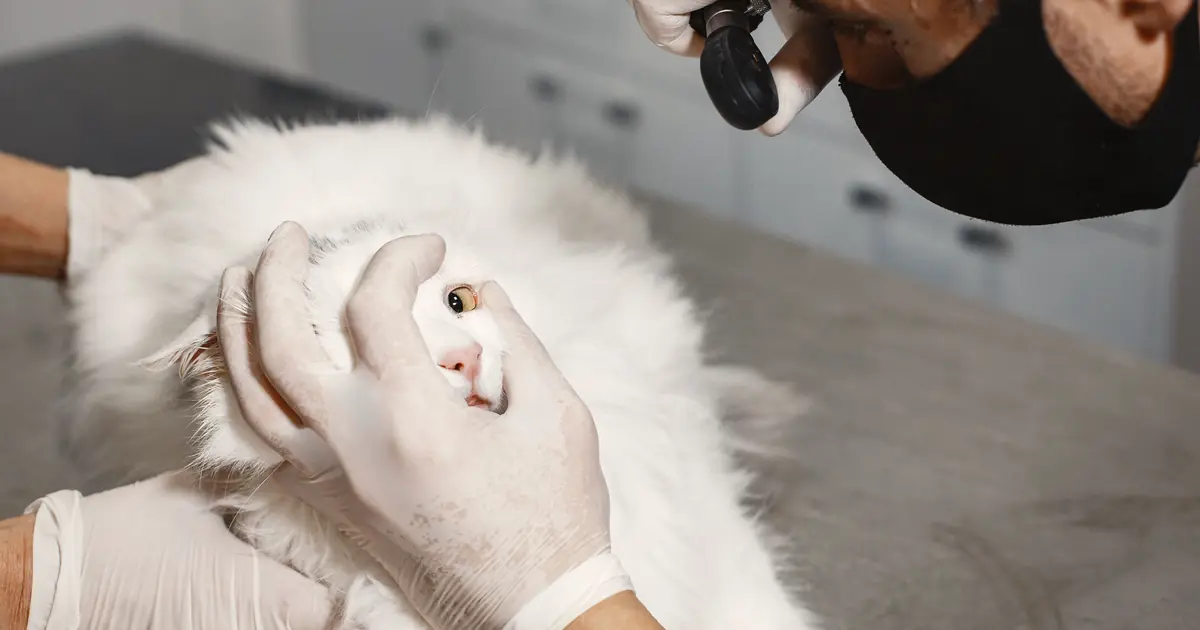
Here’s a truth no cat parent loves: parasites are common, and even a spotless indoor cat can pick one up. A single flea hitching a ride on your pant leg. A kitten already carrying worms from its mom. A sip from a puddle on the patio.
The good news? Almost every common cat parasite is very treatable once you know which one you’re dealing with. That last part matters, because the wrong product does nothing. Let’s walk through each parasite, how it’s actually treated, and when your cat needs a vet.
This article is educational and isn’t a substitute for veterinary care. Parasite medications are chosen by weight and diagnosis, so always confirm treatment with your vet.
- Cat parasites split into two groups: external (fleas, ticks, ear mites) and internal (roundworms, tapeworms, hookworms, giardia, coccidia).
- Regular dewormers kill worms but do nothing against giardia and coccidia, which need separate antiprotozoal medication.
- A fecal (stool) test is the only reliable way to know which internal parasite your cat has, since many are invisible to the naked eye.
- Most kittens are born with or quickly pick up roundworms from their mother, so kitten deworming starts early and repeats often.
- Several cat parasites, including roundworms and hookworms, can infect people, so hand-washing and litter hygiene matter.
What are the most common cat parasites?
The most common cat parasites are fleas, ticks, and ear mites on the outside, and roundworms, tapeworms, hookworms, giardia, and coccidia on the inside. External parasites live on the skin or in the ears. Internal parasites live in the gut. Each one has its own treatment, so the first job is figuring out which parasite you’re up against.
| Parasite | Type | How it’s usually treated |
|---|---|---|
| Fleas | External | Vet-approved topical spot-on or oral flea medication |
| Ticks | External | Safe removal plus a topical or oral tick preventive |
| Ear mites | External | Medicated ear drops or a topical product; some monthly preventives cover them |
| Roundworms | Internal (worm) | Deworming medication, usually repeated in 2 to 4 weeks |
| Hookworms | Internal (worm) | Deworming medication, often the same as for roundworms |
| Tapeworms | Internal (worm) | A specific dewormer (praziquantel) plus flea control |
| Giardia | Internal (protozoa) | Antiprotozoal medication, not a standard dewormer |
| Coccidia | Internal (protozoa) | Antiprotozoal medication prescribed by a vet |
Notice one thing on that table: ringworm isn’t on it. Despite the name, ringworm is a fungus, not a worm, so it’s treated with antifungals, not dewormers. Easy to mix up, very different fix.
How are external parasites (fleas, ticks, and ear mites) treated?
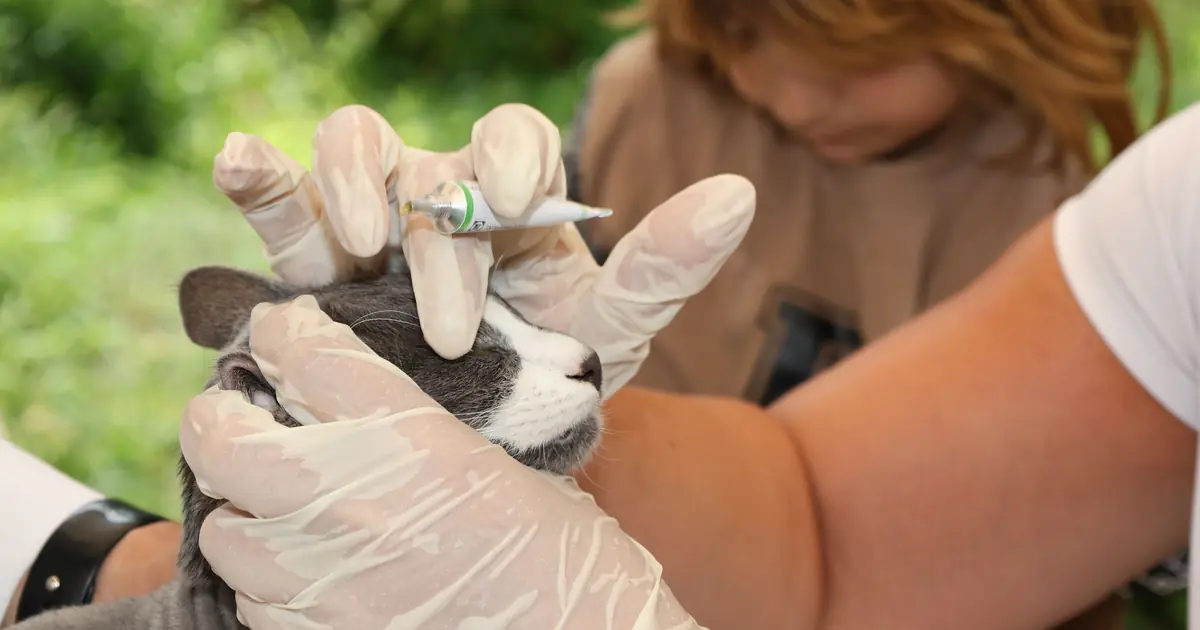
External parasites are treated with vet-approved topical or oral products applied directly to your cat. Fleas and ticks respond to spot-on liquids or chewable tablets. Ear mites clear up with medicated ear drops or certain all-in-one preventives. The key is using a product labeled for cats, because some dog flea products contain permethrin, which is toxic to cats.
Treating fleas
Fleas are treated with a modern flea product that kills adult fleas and breaks the life cycle. A spot-on applied to the skin at the back of the neck, or an oral tablet, usually starts killing fleas within hours. Here’s the catch most people miss: only about 5% of a flea problem is on your cat. The rest (eggs, larvae, pupae) is in your carpet, bedding, and furniture. So treating the cat and the home together is what actually ends it. Our full guide on getting rid of cat fleas walks through both, and if you want to compare products, see the best cat flea treatments.
Treating ticks
Ticks are handled by removing any attached tick safely, then using a tick preventive to stop future bites. To remove one, grip it close to the skin with fine tweezers and pull straight out with steady pressure. Don’t twist, and don’t use matches or nail polish. After removal, clean the spot and watch it. Many monthly flea products also repel or kill ticks, which is worth it for cats who roam outdoors.
Treating ear mites
Ear mites are treated with medicated ear drops or a topical parasite product prescribed by your vet. The classic sign is dark, crumbly, coffee-ground debris in the ears and a cat scratching like mad. Your vet will often clean the ears first, then apply treatment. Some monthly spot-on preventives treat ear mites too, which is handy for multi-cat homes where mites spread easily between cats.
How are intestinal worms treated in cats?
Intestinal worms are treated with deworming medication matched to the specific worm, usually given as a tablet, paste, or spot-on. Most dewormers start working within 24 hours, but a single dose rarely finishes the job. Vets typically repeat treatment in 2 to 4 weeks to catch worms that were still eggs or larvae during the first round.
Roundworms and hookworms
Roundworms and hookworms are treated with a broad-spectrum dewormer, often repeated a couple of weeks later. Roundworms are the most common feline intestinal parasite, and most kittens are infected early through their mother’s milk, according to the Cornell Feline Health Center. Hookworms latch onto the gut wall and feed on blood, which can cause anemia, especially in kittens. Both are diagnosed with a fecal test and clear well with the right dewormer. For product options, see our guide to the best cat dewormers.
Tapeworms
Tapeworms are treated with a specific dewormer (the active ingredient is usually praziquantel) plus flea control, because fleas spread tapeworms. Cats get tapeworms by swallowing an infected flea while grooming, or by eating an infected rodent or bird. The telltale sign is small, rice-like or sesame-seed-shaped segments near your cat’s rear or in the litter box. Curious what you’re looking at? Our guide on what cat worms look like helps you identify them. Treating tapeworms without also killing fleas usually means they come right back.
How are giardia and coccidia treated?
Giardia and coccidia are treated with prescription antiprotozoal medications, not standard dewormers. This is the single biggest mistake cat parents make: reaching for an over-the-counter worm product when the real culprit is a single-celled parasite it can’t touch. Both giardia and coccidia cause watery, sometimes smelly diarrhea, and both spread through contaminated water, feces, or shared litter boxes.
Because these two don’t respond to typical dewormers, a vet visit and a fecal test are essential. Your vet will prescribe the right drug, usually for several days, and may recommend a repeat stool test to confirm it’s gone. Cleaning up the environment matters too, since these parasites survive in the litter box and on surfaces. If your cat’s main symptom is loose stool, our guide on cat diarrhea covers when it’s an emergency.
Can I treat cat parasites at home or do I need a vet?
Some external parasites like fleas can be managed at home with vet-approved products, but internal parasites almost always need a vet first. That’s because you can’t tell roundworms from giardia by looking, and the treatments are completely different. Guessing wastes time and money, and lets the parasite dig in.
A vet fecal test (fecal flotation) is the gold standard. A tiny stool sample reveals eggs and organisms invisible to the eye, so your cat gets the exact right medication the first time. Never give a cat leftover dog dewormer or human medication, and never guess at a dose. Parasite drugs are dosed by weight, and the wrong one can be useless or dangerous.
What does cat parasite treatment cost?
Cat parasite treatment usually costs somewhere between a fecal test and a few doses of medication. Prices vary by region and clinic, but the ranges below give a rough idea of what to expect.
| Service | Typical cost range (USD) |
|---|---|
| Fecal test (diagnosis) | $30 to $130 |
| Deworming medication | $15 to $100+ depending on type |
| Flea or tick preventive (monthly) | $15 to $25 per dose |
| Ear mite treatment | Often bundled with an exam and cleaning |
When should I see a vet for cat parasites?
See a vet whenever you suspect internal parasites, or when a flea problem comes with other symptoms. A quick fecal test and the right prescription solve most cases fast. Kittens, senior cats, and any already-sick cat should be seen promptly, since they handle parasites poorly and can go downhill quickly.
Call your vet soon, or head to an emergency clinic, if you notice:
- Diarrhea or vomiting that lasts more than a day or two
- Blood in the stool, or a black, tarry appearance
- A bloated belly, especially in a kitten
- Pale gums, weakness, or lethargy (possible anemia from hookworms or fleas)
- Visible worms or rice-like segments in the stool or near the rear
- A cat losing weight despite eating normally
- Constant ear scratching, head shaking, or dark ear debris
The American Veterinary Medical Association notes that some intestinal parasites cause few obvious signs until they’re well established, which is exactly why routine fecal testing matters even for a cat who seems fine.
How do I prevent cat parasites?
You prevent cat parasites with year-round preventive medication, good litter hygiene, and regular vet checks. Prevention is cheaper and easier than treatment, and it protects your family too. A steady routine keeps most parasites from ever taking hold.
- Use a vet-recommended monthly flea and parasite preventive, even for indoor cats.
- Deworm on schedule: kittens frequently in their first months, adult cats usually every 3 months (more often for hunters and outdoor cats).
- Scoop the litter box daily and wash your hands after, since eggs need time in the environment to become infectious.
- Keep fleas under control, which automatically lowers tapeworm risk.
- Bring a stool sample to annual vet visits for a routine fecal check.
- Discourage hunting and don’t let cats drink from puddles or stagnant water.
Are cat parasites contagious to humans?
Yes, several cat parasites are zoonotic, meaning they can spread to people. Roundworms and hookworms are the main concerns, along with the Toxoplasma parasite. This isn’t a reason to panic, but it is a reason to wash your hands and keep the litter box clean.
Roundworm eggs passed in cat stool can infect humans, and rarely cause serious eye or organ problems, most often in children who put dirty hands in their mouths. Hookworm larvae can burrow through bare skin, which is why walking barefoot near contaminated soil is risky. As the Cornell Feline Health Center explains, simple habits cut the risk sharply: wear gloves when gardening or scooping litter, wash your hands after, and keep your cat on parasite prevention. Pregnant people should have someone else handle the litter box when possible, because of Toxoplasma.
Cat parasite treatment FAQ
Q: How long does it take to get rid of parasites in cats?
Most dewormers start working within 24 hours, but full clearance often takes a few days and a repeat dose 2 to 4 weeks later. Fleas can take several weeks to fully clear because you also have to treat the home. Giardia and coccidia usually need several days of prescription medication.
Q: Can I treat cat worms without going to the vet?
Over-the-counter dewormers exist, but they only work if you know the exact worm and dose correctly. A vet fecal test confirms which parasite is present, since giardia and coccidia won’t respond to regular dewormers at all. For anything beyond a simple, confirmed worm, see your vet.
Q: What kills all parasites in cats?
No single product kills every parasite. Some monthly preventives cover fleas, ear mites, heartworm, and several intestinal worms at once, but none treat tapeworms, giardia, and coccidia all together. Your vet can recommend a combination that fits your cat’s risks.
Q: How often should I deworm my cat?
Most adult cats should be dewormed about every 3 months, or four times a year. Cats that hunt or roam outdoors often need monthly deworming. Kittens are dewormed much more frequently, typically every 2 weeks in early life and then monthly until around 6 months old.
Q: Do indoor cats need parasite treatment?
Yes. Indoor cats can still get fleas carried in on clothing, mosquitoes that transmit heartworm, or worms from a stray insect or rodent. Many vets recommend year-round prevention even for strictly indoor cats. Talk to your vet about the right plan for your cat’s lifestyle.
Q: Can I get worms from my cat?
Some cat worms, including roundworms and hookworms, can infect people, usually through accidental contact with contaminated stool or soil. The risk is low with good hygiene. Wash your hands after scooping litter, keep the box clean, and keep your cat on parasite prevention.
Q: Why does my cat still have parasites after treatment?
Parasites often return because the environment wasn’t cleared, the wrong product was used, or a repeat dose was missed. Fleas re-hatch from carpets, and tapeworms come back if fleas aren’t controlled. If treatment isn’t working, ask your vet to run another fecal test and confirm the right medication.
Bottom line: cat parasite treatment isn’t complicated once you know the target. Match the product to the parasite, treat the home when fleas are involved, repeat doses on schedule, and lean on a quick fecal test when anything internal is in play. Prevention keeps most of it from happening at all, and your vet is your best partner for getting it right.

Hello and welcome to The Ideal Cat!
We are some passionate cat owners from different professions. We love our cats and have a lot of experience in how to care for our pets. We are incredibly excited to share our knowledge, experience, and research with you. So you can take good care of your loving cat. We will answer most of the common questions about owning cats, taking care of them, etc. If you have any question contact with us. Thanks for visiting! Enjoy the content.
