You part your cat’s fur and there it is: a round, crusty, hairless patch that wasn’t there last week. Your stomach sinks. Ringworm.
First, breathe. Despite the creepy name, ringworm isn’t a worm at all. It’s a fungal skin infection, and it’s very treatable. The catch? It’s stubborn, it’s contagious, and clearing it takes patience plus a real plan. Here’s exactly how to treat cat ringworm, step by step, the way vets actually do it.
This article is educational and isn’t a substitute for veterinary care. Ringworm needs a vet’s diagnosis and prescription, so please loop yours in.
- Ringworm in cats is dermatophytosis, a fungal infection (usually Microsporum canis), not a parasite or an actual worm.
- The gold-standard treatment combines a topical antifungal with a vet-prescribed oral antifungal like itraconazole or terbinafine.
- Ringworm is zoonotic, meaning it spreads from cats to people, especially young children and anyone with a weakened immune system.
- Ringworm spores can survive in your home for up to 18 to 24 months, so decontaminating the environment is half the battle.
- Treatment usually runs several weeks to a few months, and a cat is only truly cured after two consecutive negative fungal cultures.
What is ringworm in cats, really?
Ringworm in cats is a fungal skin infection called dermatophytosis, not an infection caused by any kind of worm. The fungus (most often Microsporum canis) feeds on keratin in the skin, hair, and claws. It got its name from the round, ring-shaped lesion it can leave behind, but the “worm” part is pure myth.
Classic signs include circular patches of hair loss, scaly or crusty skin, broken hairs, and sometimes redness or dandruff. Some cats barely look affected at all, yet still shed spores everywhere. If you’re not sure what you’re looking at, our guide on what ringworm looks like on a cat walks through the telltale signs with more detail.
How do you treat cat ringworm? The step-by-step plan
You treat cat ringworm with a combination approach: topical antifungals on the skin, oral antifungals from your vet, and aggressive cleaning of the home. No single step does it alone. Here’s the full plan in order.
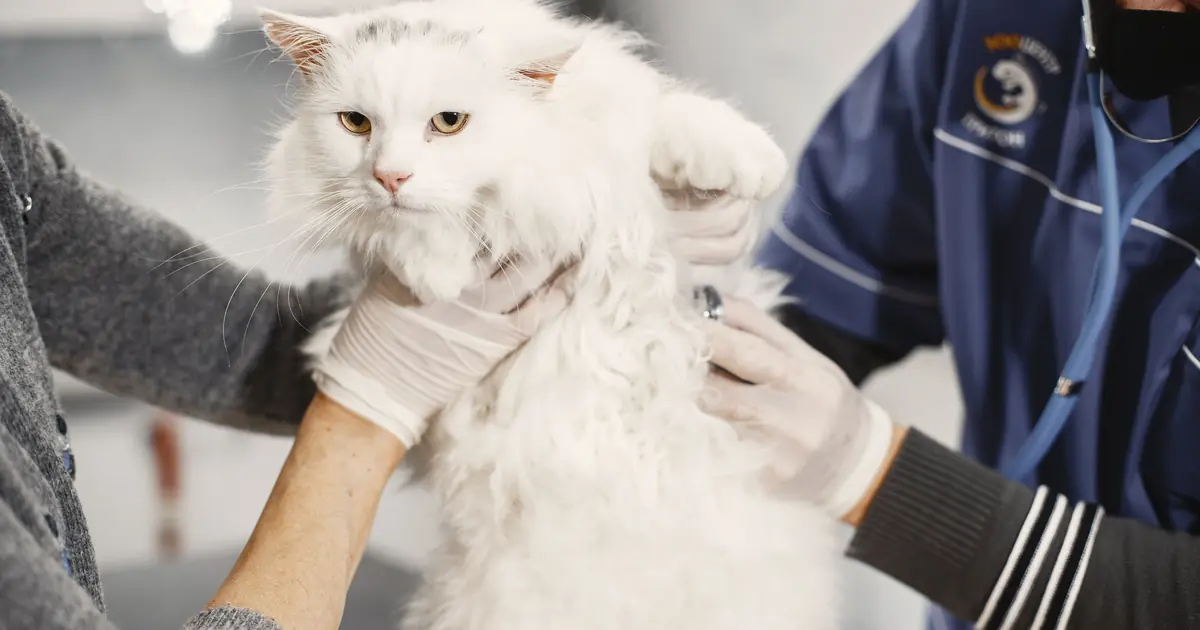
- Get a real vet diagnosis first. Several skin problems mimic ringworm, so guessing wastes time. Your vet may use a fungal culture, a Wood’s lamp, or a look under the microscope to confirm it. A fungal culture is the most reliable test, and it’s also how your vet later confirms the infection is gone.
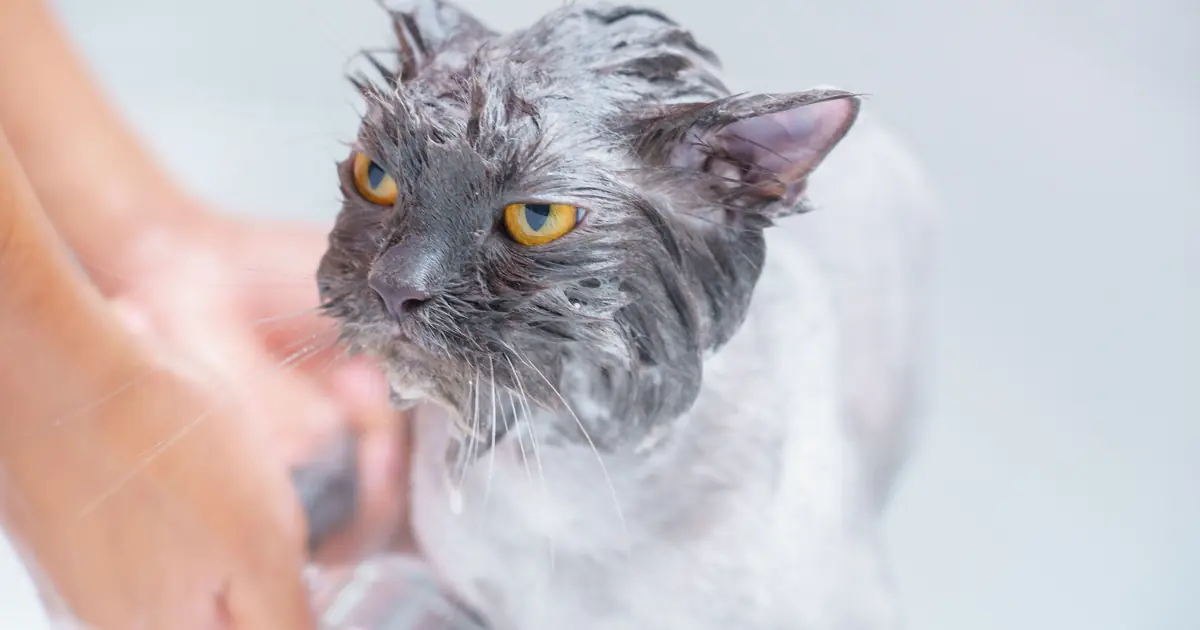
- Start topical antifungal treatment. Topicals kill the fungus on the coat and cut down on spore shedding. Vets commonly use twice-weekly lime sulfur dips (a yellow, sulfur-smelling rinse) or a miconazole and chlorhexidine shampoo. For a small, single lesion, a targeted antifungal cream with miconazole, clotrimazole, or terbinafine may be added. Follow your vet’s product and schedule exactly.
- Give the vet-prescribed oral antifungal. Most confirmed cases need a systemic drug taken by mouth, usually itraconazole or terbinafine, to clear the fungus from inside the hair follicles. These are prescription-only. Never guess a dose or use human antifungal pills, and finish the full course even after the skin looks healed.
- Decontaminate your home. This step is non-negotiable. Ringworm spores fall off with every shed hair and can reinfect your cat. Vacuum daily, wash bedding on hot, wipe hard surfaces with a diluted bleach solution where safe, and toss or replace items you can’t clean.
- Confine your cat while treating. Keeping your cat in one easy-to-clean room limits how far spores travel and makes cleanup realistic. Choose a room without carpet or upholstery if you can.
- Treat or check other pets. Ringworm spreads between animals. Your vet may want to treat every pet in the house, or at least examine and culture them, so an untreated pet doesn’t keep the cycle going.
- Follow up with repeat cultures. Don’t stop early just because the skin looks clear. Your vet reruns fungal cultures, and treatment continues until you get two negative results in a row.
Skip the “natural” internet cures. Tea tree oil, garlic, and many essential oils are toxic to cats and don’t reliably kill the fungus. The VCA Animal Hospitals guidance is clear that only use over-the-counter or home remedies under a vet’s direction.
Topical vs. oral antifungals: what does each one do?
Topical and oral antifungals work together, not instead of each other. Topicals attack spores on the outside of your cat, while oral drugs reach the fungus growing deep in the hair follicles. Here’s how the common options compare.
| Treatment | Type | What it does | Typical use |
|---|---|---|---|
| Lime sulfur dip | Topical | Kills spores, reduces shedding and reinfection | Whole-body rinse, about twice weekly |
| Miconazole + chlorhexidine shampoo | Topical | Antifungal wash for the whole coat | Bathing on a vet’s schedule |
| Antifungal cream (miconazole, clotrimazole, terbinafine) | Topical | Spot treatment for small, isolated lesions | Applied to specific patches |
| Itraconazole | Oral (prescription) | Clears fungus from inside hair follicles | Given by mouth, vet-dosed |
| Terbinafine | Oral (prescription) | Systemic antifungal for widespread cases | Given by mouth, vet-dosed |
Ringworm is technically a type of parasite-like invader on the skin, but the treatment is nothing like worming. If you’re sorting out other creepy-crawly issues too, our guides on cat parasite treatment and how to get rid of cat fleas cover those separately.
How long does it take to cure cat ringworm?
Cat ringworm usually takes several weeks to a few months to fully clear, not days. Oral antifungals are often given for a minimum of about six weeks, and treatment continues until testing confirms the fungus is gone, not just until the skin looks better.
In one study of shelter cats treated with itraconazole for 21 days plus twice-weekly lime sulfur dips, the average time to a mycological cure was about 18 days, and all cats were cured by day 49. Real-world timelines vary a lot based on how widespread the infection is and how consistent the home cleaning is. The Cornell Feline Health Center describes ringworm as serious but readily treatable, and the biggest reasons treatment drags on are stopping too early and skipping environmental cleanup.
Is cat ringworm contagious to humans?
Yes, cat ringworm is contagious to humans. It’s a zoonotic infection, meaning it passes between animals and people through direct contact or contaminated surfaces, hair, and bedding. Even a cat with no obvious lesions can spread it.
Young children, older adults, and anyone with a weakened immune system are most at risk. In people, ringworm typically shows up as a round, red, itchy patch with a scaly ring, appearing about 4 to 14 days after contact. The CDC notes that ringworm spreads through touch with an infected animal or contaminated objects. To protect your family: wear gloves when handling your cat or its bedding, wash your hands right after, and see your doctor if a suspicious patch appears on your skin.
How do you clean your house after cat ringworm?
Cleaning your house after cat ringworm means removing infected hairs and killing spores, because those spores can survive in your home for up to 18 to 24 months. Environmental cleanup is just as important as treating your cat, since spores left behind cause frustrating reinfections.
- Vacuum floors, furniture, and vents daily, and throw away the bag or empty the canister outside each time.
- Damp-mop and wipe hard, washable surfaces with a diluted bleach solution where it’s safe for the material.
- Wash your cat’s bedding, blankets, and your own linens on the hottest safe setting, separately from other laundry.
- Disinfect grooming tools, or replace cheap ones you can’t fully clean.
- Confine your cat to one easy-to-clean room so you’re not chasing spores through the whole house.
Consistency beats intensity here. A quick vacuum every single day does more than one deep clean a week, because your cat keeps shedding spores until the infection clears.
How can you prevent cat ringworm?
You can lower your cat’s ringworm risk with good hygiene and quick action, though no method is foolproof. Prevention matters most in multi-cat homes, shelters, and households that foster or adopt often.
- Quarantine and check new cats or kittens before introducing them to your resident pets.
- Keep your cat’s environment clean, dry, and regularly vacuumed.
- Support a strong immune system with good nutrition and routine vet care.
- Watch kittens closely, since they catch ringworm more easily than healthy adult cats.
- Act fast at the first scaly, hairless patch instead of waiting to see if it spreads.
Cat ringworm treatment FAQ
Q: Can cat ringworm go away on its own?
In a healthy adult cat, ringworm can sometimes resolve on its own over several months, but vets don’t recommend waiting. Untreated cats keep shedding spores, reinfecting themselves and spreading the fungus to other pets and people. Treatment shortens the illness and protects your household.
Q: What kills ringworm spores in the house?
A diluted bleach solution kills ringworm spores on hard, washable surfaces, and thorough daily vacuuming removes infected hairs. Hot-water laundry handles bedding and fabric. Because spores can survive up to 18 to 24 months, consistent cleaning throughout treatment is essential.
Q: How long is a cat with ringworm contagious?
A cat with ringworm stays contagious until it is fully treated and clears fungal cultures. That’s why vets confirm a cure with two consecutive negative cultures rather than relying on how the skin looks. Keep the cat isolated and keep handling precautions up until then.
Q: Can I treat cat ringworm without going to the vet?
It’s not recommended. Many skin conditions mimic ringworm, oral antifungals are prescription-only, and home remedies like tea tree oil are toxic to cats. A vet confirms the diagnosis, prescribes safe medication, and tells you when treatment is truly finished.
Q: Do I need to treat my other pets if one cat has ringworm?
Often, yes. Ringworm spreads easily between animals, so your vet may want to treat every pet in the home or at least examine and culture them. Treating only one animal while others carry spores lets the infection bounce back.
Q: Why does ringworm treatment take so long?
Ringworm treatment takes weeks to months because the fungus lives deep in hair follicles and spreads spores throughout the home. Oral antifungals often run at least six weeks, and cleanup must continue the whole time. Stopping early is the most common reason infections return.
Q: Can indoor cats get ringworm?
Yes. Indoor cats can catch ringworm from spores carried in on shoes, clothing, or a new pet, and from contact with an infected animal. Spores are hardy and travel easily, so an indoor-only lifestyle lowers the risk but doesn’t eliminate it.
Ringworm is a nuisance, no question. But it’s beatable. Stick with your vet’s plan, keep up the cleaning, and don’t quit early just because the bald spot filled back in. Treat cat ringworm fully and follow through on the cultures, and you’ll clear it from your cat and your home for good.

Hello and welcome to The Ideal Cat!
We are some passionate cat owners from different professions. We love our cats and have a lot of experience in how to care for our pets. We are incredibly excited to share our knowledge, experience, and research with you. So you can take good care of your loving cat. We will answer most of the common questions about owning cats, taking care of them, etc. If you have any question contact with us. Thanks for visiting! Enjoy the content.
