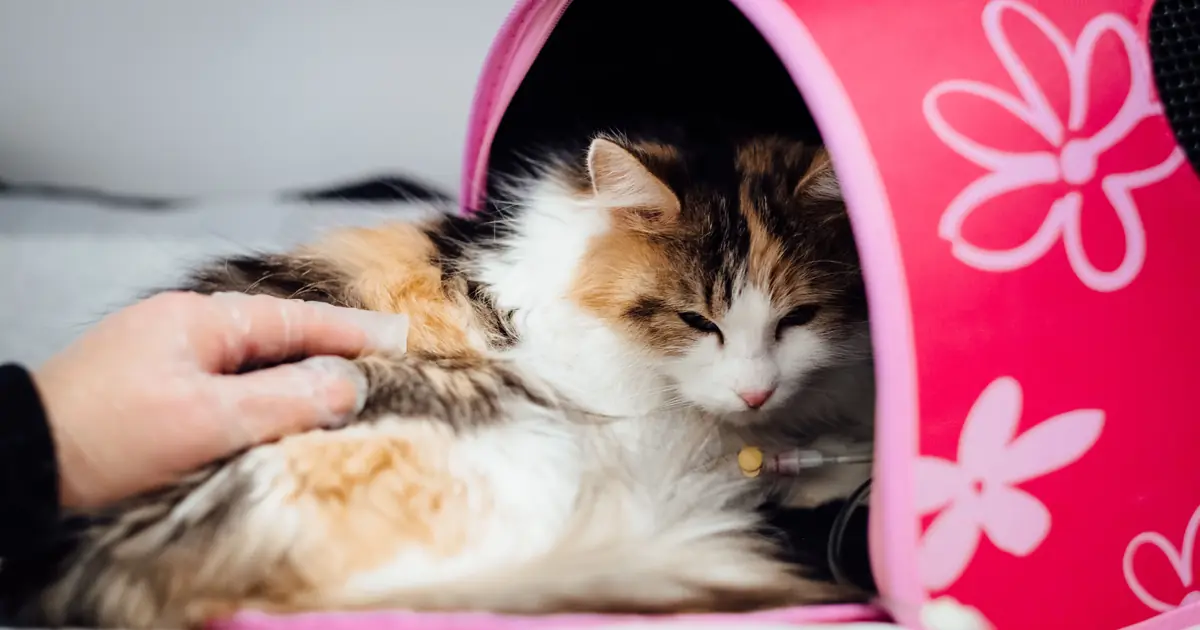
You know the sound. The second that carrier door clicks shut, your cat turns into a completely different animal: yowling, clawing at the mesh, throwing their whole body against the door like it personally wronged them. It’s alarming the first few times, and honestly, it doesn’t get much less dramatic the tenth time either.
Here’s the thing, though. That same cat probably has a favorite cardboard box sitting in the living room right now, and they climb into it on purpose, all curled up and content. So what gives? Is your cat claustrophobic, or is something else going on? Let’s get into it.
- Cats aren’t diagnosed with claustrophobia the way humans are, but they can experience real panic when they feel trapped with no way to escape.
- The difference between a cozy hideout and a stressful confinement comes down to control: cats love spaces they chose and can leave, and they hate spaces someone else forced them into.
- Common triggers for trapped-panic include carriers, being physically restrained, small rooms with no hiding spot, and getting cornered by another pet or a stranger.
- Signs a cat feels trapped include yowling, frantic escape attempts, panting, drooling, dilated pupils, freezing in place, or sudden aggression.
- A study of shelter cats found that those given a hiding box reached a calmer stress baseline about a week faster than cats without one, showing how much a chosen hideout helps.
Can cats be claustrophobic?
Not in the clinical sense, no. Claustrophobia in humans is a diagnosed anxiety disorder tied to a fear of tight spaces themselves. Cats don’t get that specific diagnosis. What cats do get is a very real, very physical panic response when they feel confined and unable to escape. The distinction matters: it’s not the size of the space that scares a cat, it’s the lack of an exit.
Think about it this way. A cat curled up in a shoebox on the closet floor is relaxed, sometimes even asleep. A cat stuffed into a carrier for a vet visit is a completely different creature: wide-eyed, tense, sometimes drooling from stress. Same amount of physical space. Totally different emotional experience. That gap is the whole story.
Why do cats love small spaces but seem to hate confinement?
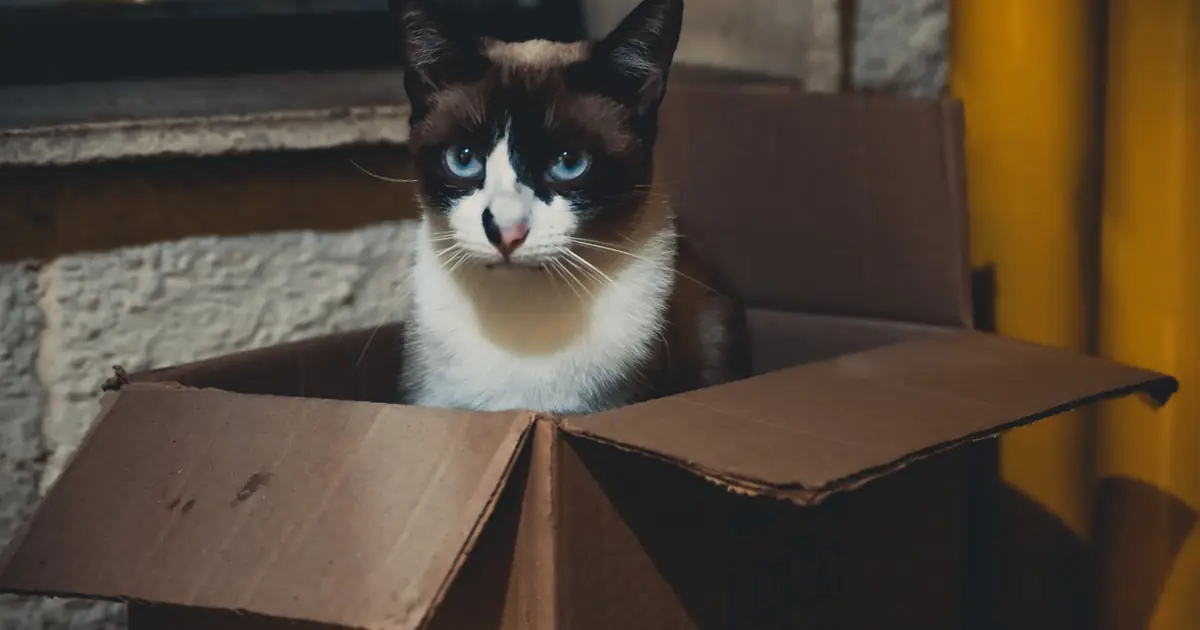
Cats seek out tight, enclosed spots because those spots feel safe, not because cats enjoy being squeezed. A box, a cubby, or the gap under the bed gives a cat a spot to watch the room from without being seen, and it’s a spot they picked and can leave whenever they want. Confinement without an exit strips away that choice, and that’s what triggers stress.
Researchers have actually measured this. In a well-known study of shelter cats, animals given access to a hiding box reached a calmer, steady stress level about a week faster than cats without one, according to a randomized controlled trial published in PLOS One. A hiding box is basically a small, dark refuge the cat controls. That’s the opposite of a locked carrier, even though both are “small spaces” on paper.
So if you’re wondering why your cat treats cardboard boxes like five-star hotel suites but treats the carrier like a torture device, this is your answer. Control and an exit route change everything.
What actually triggers trapped-panic in cats?
The most common triggers are carriers, physical restraint, small rooms with nowhere to hide, and being cornered by a person, dog, or another cat. Each one shares the same core problem: the cat can’t leave on their own terms.
- Carriers. A closed carrier is imposed by you, latched shut, and often followed by a bumpy car ride and a scary-smelling vet clinic.
- Being held or restrained. Scruffing, tight hugs, or pinning a cat down for nail trims or medication removes their ability to move away, which can flip a calm cat into full fight-or-flight.
- Small rooms with no hiding spot. A bare bathroom or laundry room with nowhere to duck under or behind can feel exposed and inescapable, especially during a scary event like fireworks or a house full of guests.
- Being cornered. A dog charging over, a toddler reaching in, or another cat blocking the only doorway out of a room can trigger the same trapped feeling as a locked carrier.
The Ohio State Indoor Pet Initiative notes that the carrier itself, plus the car ride, unfamiliar sounds, and strange smells at the vet, all stack together to make travel one of the most stressful experiences in a cat’s life.
What are the signs a cat feels trapped or panicked?
A trapped cat usually shows some combination of yowling, frantic clawing or escape attempts, panting, drooling, dilated pupils, freezing in place, or sudden aggression like hissing and swatting. These are stress signals, not bad behavior, and they’re your cat’s way of saying “get me out of here.”
| Sign | What it looks like |
|---|---|
| Yowling or crying | Loud, repeated vocalizing, often rising in pitch as the situation continues |
| Frantic clawing or escape attempts | Scratching at the carrier door, pushing against walls, trying to squeeze through gaps |
| Panting | Open-mouth breathing, which in cats usually signals extreme stress or overheating, not casual exertion |
| Drooling | Excess saliva or wet fur around the chin, common during high-stress car rides |
| Dilated pupils | Pupils widen even in bright light as part of the fear response |
| Freezing | The cat goes completely still, crouched low, sometimes mistaken for calm when it’s actually shutdown |
| Aggression | Hissing, growling, or swatting when a scared cat feels cornered with no way to flee |
The Cornell Feline Health Center lists dilated pupils, flattened ears, and a tucked tail among the clearest physical signs that a cat is afraid. If you’re seeing several of these at once, your cat isn’t being dramatic. They’re genuinely distressed. For a broader rundown of body language, check out these signs of stress in cats.
Why is a box different from a carrier if both are small and enclosed?
A box is different because the cat chose it, can enter and exit whenever they like, and it doesn’t move. A carrier is imposed by you, gets latched shut, and often comes attached to a car ride and a vet visit. The physical dimensions can be nearly identical. The emotional experience is not even close.
This is also why some cats burrow under blankets and seem perfectly happy there. If you’ve ever wondered how cats breathe under blankets without any trouble, the short version is that loosely draped fabric still lets in plenty of air, and again, the cat is the one who crawled in there. Choice changes the whole equation.
How can you help a stressed cat handle confinement?
You help a stressed cat by making confinement predictable, familiar, and gradual instead of sudden and forced. The goal is to turn the carrier or small space into something neutral, or even good, long before you actually need to use it.
- Carrier-train ahead of time. Leave the carrier out in a common room, door open, with a soft blanket inside. Let your cat explore and nap in it on their own schedule, with zero pressure.
- Use treats and familiar scent. Toss treats inside, feed meals near it, and add a blanket that already smells like home so the carrier feels like an extension of their territory instead of a foreign object.
- Try a feline pheromone product. Synthetic pheromone sprays, applied to the carrier well before travel, can take the edge off for some cats.
- Cover the carrier during travel. Draping a light towel over the top and sides blocks scary visual stimulation and helps a cat feel hidden rather than exposed. The Ohio State Indoor Pet Initiative specifically recommends covering carriers at the vet’s office to lower stress.
- Never force or drag a cat into a space. Chasing or shoving a cat into a carrier teaches them to fear it even more the next time. Let them walk in, or gently guide them in rear-end first with a calm, low-key approach.
- Always leave hiding spots available. Whether it’s a cat cave, a box, or just a covered bed, give your cat a chosen refuge in every room they spend time in.
- Go slow with desensitization. Practice short, low-stakes carrier trips (a walk around the block, a quick car ride to nowhere) so the carrier doesn’t only mean “something scary is about to happen.”
If your cat is dealing with restraint stress generally, not just carriers, these tips on how to calm a scared cat cover the basics of giving them space and reading their body language before you approach.
When does confinement stress need extra help?
Confinement stress needs professional attention when the panic is severe, when your cat risks injuring themselves trying to escape, or when the anxiety shows up constantly, not just around carriers or vet trips. A cat who claws until they bleed, vomits from stress every single car ride, or seems anxious even in ordinary daily spaces is dealing with more than a one-off bad reaction.
Talk to your veterinarian if this sounds like your cat. They can rule out pain or illness that might be making things worse, and they can discuss options that go beyond training, including whether an anti-anxiety approach makes sense for your specific cat. If you want a gentle first step you can try at home, our guide to calming cat treats is a good starting point, though any medication decision has to come from your vet, not a blog post.
This article is meant to help you understand and support your cat, not replace a vet visit. Severe or ongoing panic during confinement is a real welfare issue worth addressing, not something to just push through.
Do some cats handle confinement worse than others?
Yes. Cats with limited socialization, a history of trauma, or a generally anxious temperament tend to react more intensely to confinement than confident, well-socialized cats. A kitten who was gently introduced to carriers, car rides, and handling early on usually copes better as an adult than a cat who only sees a carrier once a year, right before something unpleasant happens.
Cats who are already prone to fear in general, the kind who bolt at a doorbell or hide from every visitor, are also more likely to panic hard in confinement. If your cat seems to have gotten more fearful recently for no obvious reason, it’s worth reading up on why a cat might be scared all of a sudden, since sudden fearfulness can sometimes point to pain or illness rather than pure personality.
Frequently Asked Questions
Q: Do cats actually get claustrophobic?
Not in the clinical, diagnosed sense that humans do. Cats can experience intense panic when they feel trapped with no escape route, but that reaction is about losing control, not a fear of tight spaces themselves. A cat curled up in a cozy box is often perfectly relaxed.
Q: Why does my cat freak out in the carrier but love boxes?
Your cat chose the box and can leave it anytime, which makes it feel safe. The carrier is closed by you, often followed by a car ride and a vet visit, which removes any sense of control. That difference, not the size of the space, explains the opposite reactions.
Q: What are the first signs my cat feels trapped?
Look for dilated pupils, panting, drooling, frantic scratching at doors or walls, and yowling. Some cats freeze and go silent instead, which can look calm but actually signals shutdown from stress.
Q: Is it cruel to use a cat carrier?
No, a carrier keeps your cat safe during travel and is genuinely necessary. What matters is how it’s introduced. A carrier your cat has explored calmly for weeks feels very different from one that only appears right before a scary car ride.
Q: How do I get my cat used to the carrier?
Leave the carrier out with the door open in a room your cat already likes, add a soft blanket and some treats inside, and let your cat investigate on their own schedule. This can take days to weeks, and rushing it usually backfires.
Q: Can holding a cat too tightly cause the same panic as a carrier?
Yes. Restraint, like scruffing or pinning a cat down, removes their ability to move away and can trigger the same fight-or-flight response as being locked in a carrier. Cats generally do better with gentle, minimal restraint during handling.
Q: Should I cover my cat’s carrier with a towel?
Yes, covering the carrier with a light towel is a widely recommended trick, including from the Ohio State Indoor Pet Initiative, because it blocks scary sights at the vet clinic and helps a stressed cat feel hidden and safer.
Q: When should I talk to a vet about my cat’s carrier anxiety?
Reach out if your cat injures themselves trying to escape, vomits or has diarrhea from stress every trip, or seems anxious even outside of carrier situations. A vet can rule out pain and discuss whether extra support beyond training makes sense.

Hello and welcome to The Ideal Cat!
We are some passionate cat owners from different professions. We love our cats and have a lot of experience in how to care for our pets. We are incredibly excited to share our knowledge, experience, and research with you. So you can take good care of your loving cat. We will answer most of the common questions about owning cats, taking care of them, etc. If you have any question contact with us. Thanks for visiting! Enjoy the content.
