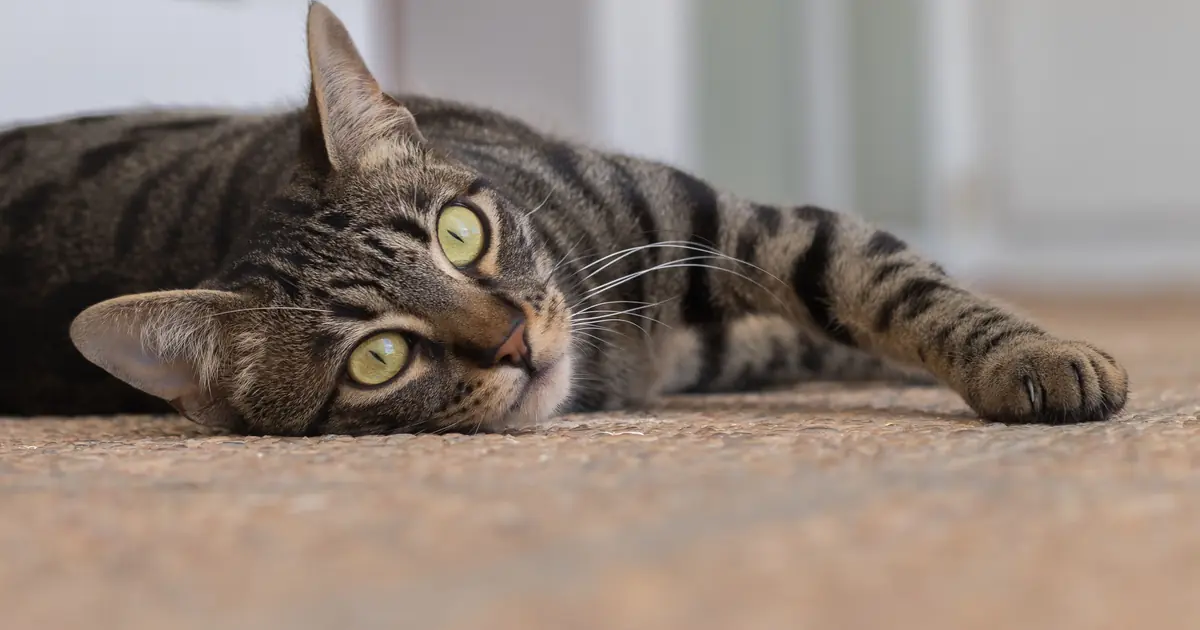
Picture this: it’s the middle of July, the AC is humming, and your cat is somehow curled up in the one patch of sunlight on the living room floor, ignoring the couch entirely. If you’ve wondered whether your cat secretly hates the air conditioning, you’re not imagining things. Cats do like a cool room, but they like a warm nap spot even more.
The good news is you don’t have to choose one or the other. Most cats do great with central air or a window unit running, as long as they also have a cozy, warm place to go when they want it. Let’s get into what your cat actually wants from the temperature in your home, and how to keep them comfortable all summer long.
- Cats are most comfortable in temperatures between 60 and 80 F, and they naturally prefer warmth over cold.
- Air conditioning is not bad for cats. It actually helps prevent dangerous overheating during hot weather.
- Cats descended from desert-dwelling ancestors, which is why they gravitate toward sun puddles and warm spots even in a cooled home.
- Never point an AC vent directly at a cat or leave a room ice cold. Always give them a warm retreat option, like a bed away from the vent or a sunny windowsill.
- Heatstroke in cats can set in fast in hot weather, so cooling options like AC, shade, and fresh water matter more than most owners realize.
Do Cats Like Air Conditioning?
Yes, most cats do fine with air conditioning and many genuinely appreciate it once temperatures climb. A cool, stable room keeps your cat from panting or overheating on a hot day. But cats aren’t built to love cold for its own sake. They tend to tolerate the AC because it keeps the house pleasant, then go find a warm spot to balance it out. Don’t be surprised if your cat splits its day between the cool tile floor and a sunbeam by the window. That’s completely normal cat behavior, not a sign the AC is bothering them.
What Temperature Do Cats Actually Prefer?
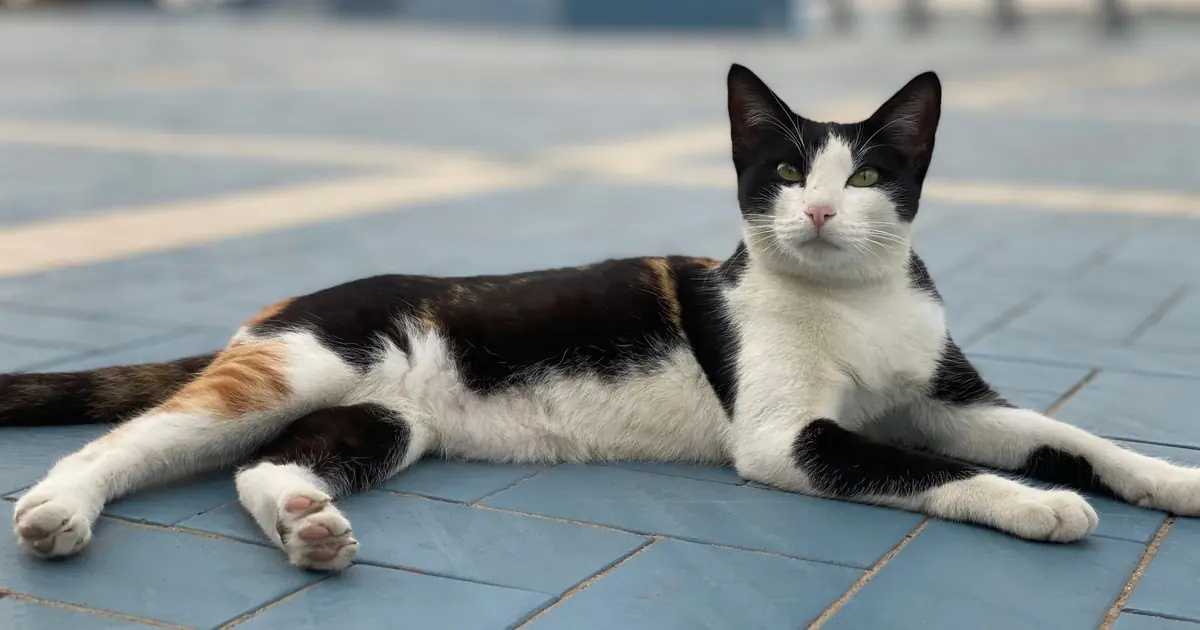
Cats are most comfortable in a range of about 60 to 80 F, with many leaning toward the warmer end of that scale. That preference goes back to their ancestry. Domestic cats descended from the African wildcat, a species built for arid, warm desert climates, which is a big reason your cat still hunts down every sunbeam in the house. International Cat Care points out that cats evolved from desert animals and will naturally alternate between sunbathing and seeking shade to regulate their own comfort. Even indoor cats with generations of cushy living behind them keep that same instinct. So while a 72 F house feels perfectly fine to a cat, don’t be shocked if they choose the 85 F windowsill over the couch every single time. If your cat’s ears or paws ever feel unusually warm, it helps to know how cats actually cool themselves down, since it’s very different from how we do it.
Is Air Conditioning Good or Bad for Cats?
Air conditioning is good for cats, not bad, especially in summer heat. It helps prevent heatstroke, keeps humidity down, and stops your cat from panting or overheating during the hottest part of the day. The only real risks come from misuse: setting the temperature too low, aiming a vent directly at your cat’s bed, or leaving them alone in an over-chilled room for hours with no warm option. Used sensibly, a moderate AC setting (somewhere in the mid-70s works well for most homes) is one of the easiest ways to keep your cat safe and comfortable in the summer.
How Can You Tell if Your Cat Is Too Cold or Too Hot?
A cat that’s too cold will actively seek out heat, shiver, curl into a tight ball, and tuck its paws under its body to conserve warmth. A cat that’s too hot will pant, groom excessively to spread saliva for cooling, sprawl out flat on cool floors, and look for shade or shadowy corners. Reading these signs early lets you adjust the room before your cat gets truly uncomfortable.
| Sign | What It Means | What To Do |
|---|---|---|
| Curled tight, paws tucked, seeking radiators or sunbeams | Cat is too cold | Raise the thermostat a few degrees or offer a warm bed away from vents |
| Shivering | Cat is too cold | Move them to a warmer room and check for drafts near the AC vent |
| Panting or open-mouth breathing | Cat is too hot (can signal heatstroke if severe) | Lower the room temperature and offer fresh water immediately |
| Excessive grooming, sprawled flat on tile or hardwood | Cat is too hot | Add a cooling mat or fan and check the AC is actually running |
| Lethargy plus drooling or collapse | Possible heatstroke, an emergency | Move to a cool area and call a vet immediately |
Can Air Conditioning Dry Out or Bother a Cat?
Air conditioning can mildly dry the air in a room, and that dryness can occasionally affect a cat’s skin or nasal passages, similar to what happens with dry winter heat. This is usually minor and not a health concern for most cats. The simple fix is making sure fresh water is always available, since a slightly drier home means your cat needs to stay hydrated. If you notice flaky skin or your cat seems unusually stuffy, a small humidifier in the room can help, though this is rarely necessary just from normal AC use.
How Do You Keep a Cat Comfortable With the AC Running?
The key is giving your cat options rather than locking the whole house at one temperature. Here’s how to strike that balance.
- Keep the thermostat in a moderate range, generally mid-70s F, rather than running the AC on its coldest setting.
- Set up a warm bed or blanket in a spot that doesn’t get direct airflow from a vent. Many cats also love a heated bed year-round; check out why cats are drawn to heating pads if yours seems to seek out warmth constantly.
- Leave a sunny windowsill accessible. It’s one of the reasons cats love windows so much, and it doubles as their favorite thermostat override.
- Never point a vent, fan, or AC unit directly at a cat’s bed or favorite resting spot.
- Keep fresh water out at all times, especially in a cooled, drier home.
- Watch how your cat reacts over the first few days of running the AC and adjust the temperature if you notice cold-seeking behavior like the ones above.
What Are Other Ways to Keep Cats Cool in Summer?
Air conditioning is the most reliable tool, but it’s not the only one. A few simple additions round out a good summer setup:
- Keep a few shaded or shadowy spots available if your cat has any supervised outdoor access.
- Offer multiple water bowls around the house, since some cats drink more when water is easy to find. If your cat seems picky, they might just prefer it a certain way, similar to how many cats have opinions about cold water versus room-temperature water.
- Try a cooling mat or a damp towel laid over a cool tile floor for a hot afternoon.
- Never, under any circumstances, leave a cat in a parked car or a shut-up room without airflow. Temperatures inside a closed car can climb to dangerous levels within minutes, even on a mild day.
- Brush your cat regularly in summer to remove excess undercoat, which helps them regulate temperature more efficiently.
When Does Heat Become Dangerous for Cats?
Heat becomes dangerous when a cat can’t cool itself down fast enough, leading to heatstroke, a condition that can be fatal without quick treatment. Warning signs include heavy panting, excessive drooling, bright red gums, wobbliness, vomiting, or collapse. If you notice any of these, move your cat to a cool area right away and call a veterinarian immediately. This is educational information, not a substitute for veterinary care. According to the ASPCA’s hot weather safety guidance, cats and other pets can overheat far faster than most owners expect, which is exactly why cooling tools like AC matter so much in summer. If you’re noticing your cat running warm even indoors, it’s worth reading up on why your cat might feel hot to the touch, since that can sometimes point to something other than the weather.
Frequently Asked Questions
Q: Do cats get cold easily in air conditioning?
Some cats do, especially if the AC is set very low or a vent blows directly on their resting spot. Most cats handle a moderately cooled home just fine as long as they have a warm spot to retreat to when they want one.
Q: What temperature is too cold for a cat indoors?
Indoor temperatures below 60 F can start to feel uncomfortably cold for most cats, especially short-haired or senior cats. Keeping the thermostat above that line, and offering a warm bed as backup, covers most situations.
Q: Can I leave the AC on for my cat while I’m at work?
Yes, this is one of the safest ways to protect your cat from summer heat while you’re away. Set it to a moderate temperature, around 74 to 78 F, rather than the coldest setting, and make sure fresh water is available.
Q: Do cats prefer heat or cold?
Cats generally prefer warmth over cold, a trait traced back to their desert-dwelling ancestors. That’s why a cat will often choose a sunny windowsill over a cool, air-conditioned room, even on a warm day.
Q: Is it safe to run a fan instead of AC for a cat?
A fan can help with air circulation on a mild day, but it doesn’t actually lower the room temperature the way AC does. On genuinely hot days, air conditioning is the safer and more effective option for preventing heatstroke.
Q: How do I know if my cat is too hot at night?
Watch for panting, restlessness, sprawling flat on cool surfaces, or excessive grooming overnight. If your cat seems unable to settle and the room feels warm to you, it’s likely too warm for them as well.
Q: Can air conditioning make my cat sick?
Air conditioning itself doesn’t make cats sick. The dry air it produces can occasionally affect skin or nasal comfort slightly, but this is minor and easily managed by keeping fresh water available.
Q: Do older cats need a warmer house than younger cats?
Yes, senior cats often have a harder time regulating their body temperature and tend to prefer the warmer end of the 60 to 80 F comfort range. Offering an extra heated bed in an air-conditioned home can help a lot.

Hello and welcome to The Ideal Cat!
We are some passionate cat owners from different professions. We love our cats and have a lot of experience in how to care for our pets. We are incredibly excited to share our knowledge, experience, and research with you. So you can take good care of your loving cat. We will answer most of the common questions about owning cats, taking care of them, etc. If you have any question contact with us. Thanks for visiting! Enjoy the content.
