
You scoop your cat up for a cuddle and, whoa, they feel like a little furnace. Your first thought is probably “is my cat sick?” Most of the time, no. Cats simply run hotter than we do, and a warm cat is often just a happy cat who found a sunny windowsill.
But sometimes that warmth is your cat’s body fighting something off, or struggling with real heat exposure. Telling “cozy warm” from “medically concerning hot” takes more than a hand on their fur. Here’s exactly how to tell the difference, and when it’s a real red flag.
- A cat’s normal body temperature runs about 100.5 to 102.5 F, noticeably higher than a human’s average of 98.6 F.
- A fever in cats is generally considered a temperature above 103 F, usually caused by infection, inflammation, or illness.
- Touching your cat’s ears, paws, or belly cannot confirm a fever. Only a thermometer reading can.
- Heatstroke is a separate emergency caused by overheating (like a hot car or room), not illness, and body temperature can climb past 104 to 105 F.
- Never give a cat human fever medication. Acetaminophen and ibuprofen are toxic to cats, even in small amounts.
Why Do Cats Feel Warmer Than Humans in the First Place?
Cats feel warmer than humans because their normal body temperature simply runs higher than ours. A healthy cat’s temperature sits between 100.5 and 102.5 F, compared to our average of 98.6 F. That two to four degree gap means a perfectly healthy cat will always feel a little toasty in your arms.
This higher baseline comes down to a faster metabolism and a small, fur-insulated body. So the warmth radiating off your cat’s fur, ears, or belly is usually just their normal temperature, not a symptom by itself.
What Are the Most Common Harmless Reasons My Cat Feels Hot?
Most of the time, a hot cat is a comfortable cat. Here are the everyday, non-medical reasons your cat might feel warmer than usual:
- They just woke up from a nap. Cats sleep 12 to 16 hours a day, and body temperature rises slightly during deep sleep, especially if they’re curled into a tight ball.
- They were sunbathing. Cats are drawn to warm spots like sunny windowsills, heating vents, or laptops. A cat who’s been soaking up sun for twenty minutes will feel noticeably warmer.
- They have a thin coat or no coat at all. Hairless breeds like the Sphynx, and short, fine-coated cats like the Cornish Rex, feel warmer to the touch because there’s less fur trapping heat close to the skin.
- They just finished playing or running around. Physical activity raises body temperature the same way it does in people, just briefly.
- The room itself is warm. A stuffy apartment in summer, a spot near a radiator, or a car with the windows up will all make a cat feel hotter than normal.
None of these need a vet visit. If your cat is acting normal, eating, and moving around comfortably once they cool off, the warmth was almost certainly one of these everyday causes. Curious about the other end of the scale? This guide on whether cats get cold covers how cats handle chilly weather too.
Can I Tell If My Cat Has a Fever Just by Touching Them?
No, you cannot reliably tell if your cat has a fever by touch. Feeling warm ears, paws, or a warm belly isn’t proof of fever, and cool ears don’t rule one out either. Normal warmth from a nap or a sunbath feels identical, by hand, to the early stage of a fever.
This trips up a lot of cat parents. If your cat’s ears run warm and you’ve panicked a little, you’re not alone, and we’ve covered that exact question in our guide to why a cat’s ears feel hot. Ear temperature swings with blood flow, room temperature, and even excitement, making it one of the least reliable spots to judge fever from. The same goes for a cat’s dry or warm nose, another old wives’ tale that doesn’t predict illness.
According to Cornell Feline Health Center, the only accurate way to know your cat’s temperature is to measure it. If your cat seems off in other ways too, like hiding or skipping meals, that combination matters more than how warm they feel.
What Counts as a Fever in Cats, and What Causes It?
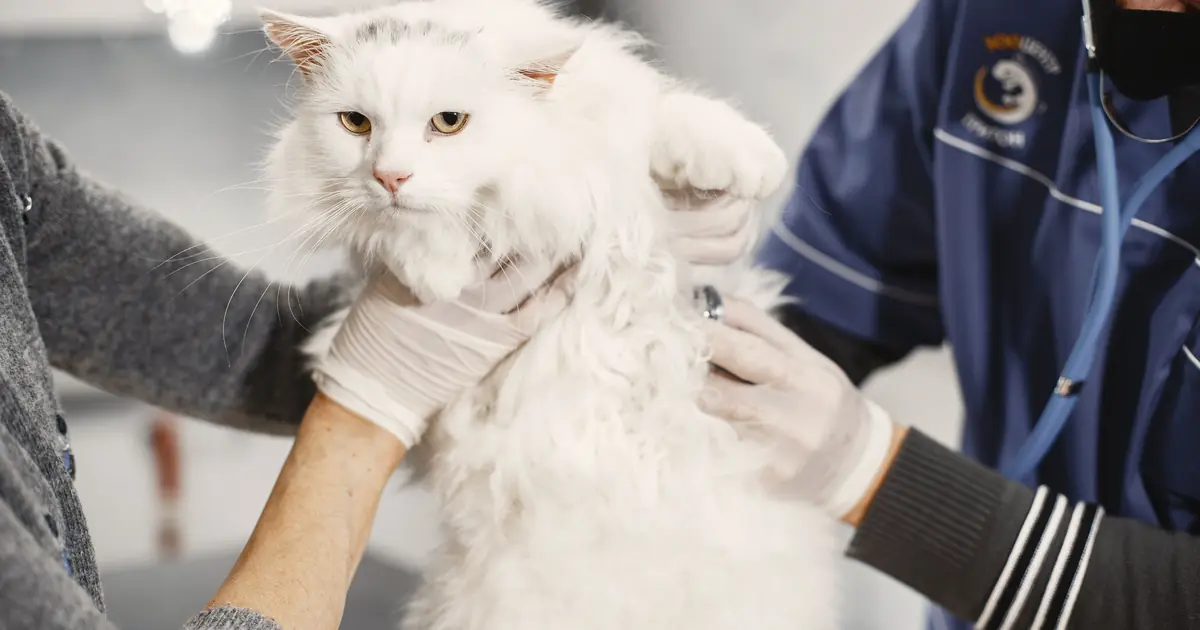
A fever in cats is generally a body temperature above 103 F. Fevers happen when your cat’s immune system deliberately raises their internal temperature to fight off a threat, most often an infection. This isn’t a malfunction. It’s your cat’s body doing exactly what it’s supposed to do.
Common causes include:
- Bacterial or viral infections (upper respiratory infections, bite wound abscesses, urinary infections)
- Inflammation anywhere in the body, including dental disease or pancreatitis
- Vaccine reactions, usually mild and short-lived
- Immune-mediated diseases, where the immune system is overactive
- Some cancers, in less common cases
VCA Animal Hospitals notes that a fever climbing higher and lingering longer points to a more serious cause and needs veterinary attention sooner. A feverish cat often looks lethargic, goes off their food, and hides more than usual. If your cat has started tucking themselves away and skipping meals, our piece on why cats hide and stop eating is worth a read too.
What Is Heatstroke, and How Is It Different From a Fever?
Heatstroke is a separate emergency from fever, caused by the environment overwhelming your cat’s ability to cool down, not illness from the inside. It happens when a cat gets trapped somewhere hot, like a parked car, an enclosed sunroom, or outside without shade on a scorching day. A fever is the body raising its own temperature on purpose; heatstroke is the body failing to keep up with outside heat.
Cats barely sweat (only through their paw pads), so they rely mostly on panting and evaporating saliva off their fur to cool down, both far less efficient than human sweating. Our article on whether cats sweat explains why that makes them especially vulnerable to overheating. In a hot, enclosed space, a cat’s temperature can climb past 104 to 105 F within minutes.
Watch for these signs of heatstroke:
- Heavy, open-mouth panting
- Excessive drooling
- Bright red or purple gums
- Restlessness, pacing, or trying to find a cool spot
- Weakness, stumbling, or collapse
- Vomiting
Heatstroke can turn fatal fast. If you suspect it, this is not a “wait and see” situation. Get your cat cooling down and get to a vet immediately.
How Do You Actually Check a Cat’s Temperature at Home?
The only accurate way to check a cat’s temperature at home is a rectal thermometer, since ear thermometers and touch are both unreliable on cats. A digital pediatric or pet-specific rectal thermometer, lubricated with a bit of petroleum jelly, gives a reading within about a minute. Have someone gently hold your cat steady while you insert it a short distance, following the device’s instructions.
Most cats do not enjoy this, understandably. If your cat is wriggly or you’re not confident doing it safely, skip it and let your vet take the reading instead. VCA Animal Hospitals notes that a struggling cat can also throw off the reading, since stress alone raises temperature a bit. A same-day vet visit gets you a reliable number without the fight.
What Should You Do If You Suspect a Fever or Heatstroke?
Move your cat to a cool space, offer fresh water, and get veterinary help promptly, without giving any medication yourself. The steps differ slightly by situation.
For a suspected fever:
- Move your cat to a quiet, room-temperature space.
- Offer fresh water, since fever increases fluid loss.
- Skip human medication. Call your vet the same day, especially if your cat is lethargic or not eating.
For suspected heatstroke:
- Move your cat out of the heat immediately, into shade or an air-conditioned room.
- Wet their fur with cool, not ice-cold, water, focused on the paws, belly, and ears. Add a fan if you have one.
- Offer small amounts of cool water, but never force your cat to drink.
- Get to a vet immediately, even if your cat seems to improve. Internal damage from heatstroke can show up hours later.
Never use ice or ice-cold water. Cooling a cat too fast can constrict blood vessels and trap heat inside the body. And never give your cat acetaminophen (Tylenol) or ibuprofen (Advil). Both are toxic to cats, even at doses that seem small, and can cause liver failure or worse. VCA Animal Hospitals and the Merck Veterinary Manual both confirm there is no safe home dose of either drug for cats.
When to See a Vet Right Now
This article is educational, not a diagnosis. See a vet the same day, or head to an emergency clinic, for any of these:
- Confirmed temperature above 103 to 104 F
- Heavy or open-mouth panting without recent play or heat exposure
- Lethargy or unusual weakness
- Not eating or drinking for more than 24 hours
- Red, purple, or pale gums
- Vomiting, diarrhea, or stumbling
- Collapse or unresponsiveness
- Any suspected heatstroke, regardless of how your cat seems minutes later
Cats are also masters at hiding illness, purring included. If you’ve noticed unusual purring alongside any of these signs, our article on whether cats purr when they’re sick explains why purring isn’t always a sign of contentment. A quick call to your vet beats guessing with something this important.
| Situation | Temperature / Signs | What to Do |
|---|---|---|
| Normal, just warm | 100.5 to 102.5 F; acting normal, eating, playful | No action needed; let them cool off naturally |
| Fever | Above 103 F; lethargic, not eating, hiding | Offer water, keep cool, call your vet same day |
| Heatstroke | Often 104 to 105 F or higher; heavy panting, drooling, red gums, collapse | Cool with lukewarm water, get to a vet immediately |
Frequently Asked Questions
Q: What is a normal temperature for a cat?
A healthy cat’s normal body temperature runs between 100.5 and 102.5 F, higher than our average of 98.6 F. So your cat will always feel a bit warm even when perfectly healthy.
Q: At what temperature does a cat have a fever?
A cat is generally considered feverish once their temperature climbs above 103 F. Temperatures past 104.5 F need urgent veterinary attention, since sustained high fevers can damage internal tissues.
Q: Can I tell if my cat has a fever by feeling their ears or paws?
No. Touch isn’t reliable for detecting fever in cats. Warm ears or paws can just mean your cat was napping in the sun, and a fever can be present even when your cat feels normal to the hand. Only a thermometer confirms it.
Q: Why do my cat’s ears feel hot but the rest of them feels normal?
Ears often feel hotter than the rest of the body because they have thin skin and lots of blood vessels close to the surface, so they show heat changes faster. This is usually harmless. Our full breakdown on hot cat ears covers every likely cause.
Q: What can I use at home to check my cat’s temperature?
A digital rectal thermometer, lubricated and used gently, is the only accurate at-home method. If your cat won’t tolerate it, your vet can take an accurate reading instead.
Q: Is it safe to give my cat Tylenol or Advil for a fever?
No, never. Acetaminophen (Tylenol) and ibuprofen (Advil) are both toxic to cats, even in small amounts, and can cause liver damage, kidney damage, or death. Fever treatment needs to come from a veterinarian.
Q: What are the first signs of heatstroke in cats?
Early signs include restless pacing, searching for a cool spot, and heavy panting. As it progresses, cats show drooling, bright red gums, weakness, and can collapse. Heatstroke can push a cat’s temperature above 104 to 105 F within minutes in a hot, enclosed space.
Q: When should I take my cat to the vet for a high temperature?
Go the same day for a temperature above 103 F, or immediately for anything above 104 F, suspected heatstroke, or signs like lethargy, red gums, not eating, or collapse. It’s always safer to have a vet confirm a high temperature than to guess.

Hello and welcome to The Ideal Cat!
We are some passionate cat owners from different professions. We love our cats and have a lot of experience in how to care for our pets. We are incredibly excited to share our knowledge, experience, and research with you. So you can take good care of your loving cat. We will answer most of the common questions about owning cats, taking care of them, etc. If you have any question contact with us. Thanks for visiting! Enjoy the content.
