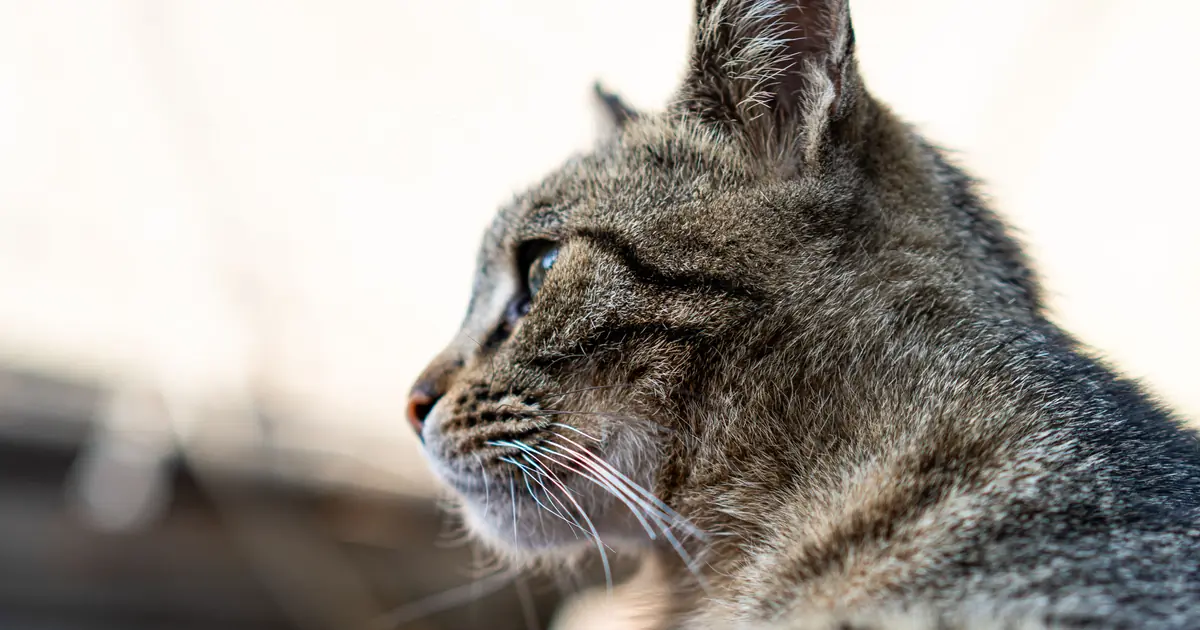
You’re petting your cat, minding your own business, and suddenly her ears feel like they just came out of the dryer. Your brain jumps straight to “fever” before you’ve even finished the thought.
Take a breath. Cat ears run warm for a lot of totally normal reasons, and most of the time hot ears are just your cat’s body doing exactly what it’s supposed to do. Here’s how to tell the difference between a harmless warm ear and one that’s actually trying to tell you something.
- A cat’s normal body temperature runs between 100.5 and 102.5°F (38.1 to 39.2°C), noticeably warmer than a human’s.
- Ears feel hot because they’re thin-skinned and full of blood vessels, which makes them useful for releasing extra body heat.
- Ear temperature is not a reliable thermometer. Only a rectal thermometer gives a true reading of your cat’s internal temperature.
- Hot ears combined with lethargy, appetite loss, or hiding are the real signs of a possible fever, not warm ears by themselves.
- Hot, itchy, or smelly ears with dark debris usually point to ear mites or an infection, not a fever at all.
Why do cats’ ears get hot, and what’s normal?
A cat’s ears get hot because they’re built to move heat, not just to hear. The skin on the ear flap, called the pinna, is thin and threaded with blood vessels sitting close to the surface. When your cat’s body needs to release heat, blood flow to the ears rises, and that warms the skin under your fingers. Cats don’t sweat like people do (they only have sweat glands in their paw pads), so their ears, along with panting and grooming, help pick up the slack.
Most warm ears trace back to something completely ordinary. A few usual culprits:
- Sunbathing: a sunny windowsill nap heats up thin-skinned ears fast.
- Nearby heat sources: radiators, vents, and space heaters do the same thing, which is also why so many cats love heating pads even in summer.
- Recent activity: a wild five minutes of zoomies raises body temperature briefly, and ear blood flow rises with it.
- A warm room: a stuffy house on a hot day warms up every cat in it.
- Excitement or a startle: a quick adrenaline spike can send more blood to the extremities for a few minutes.
None of these need a vet call. Give it twenty or thirty minutes in a cooler spot and check again. Warm ears from a sunbeam usually cool right back down.
Does hot ears mean my cat has a fever?
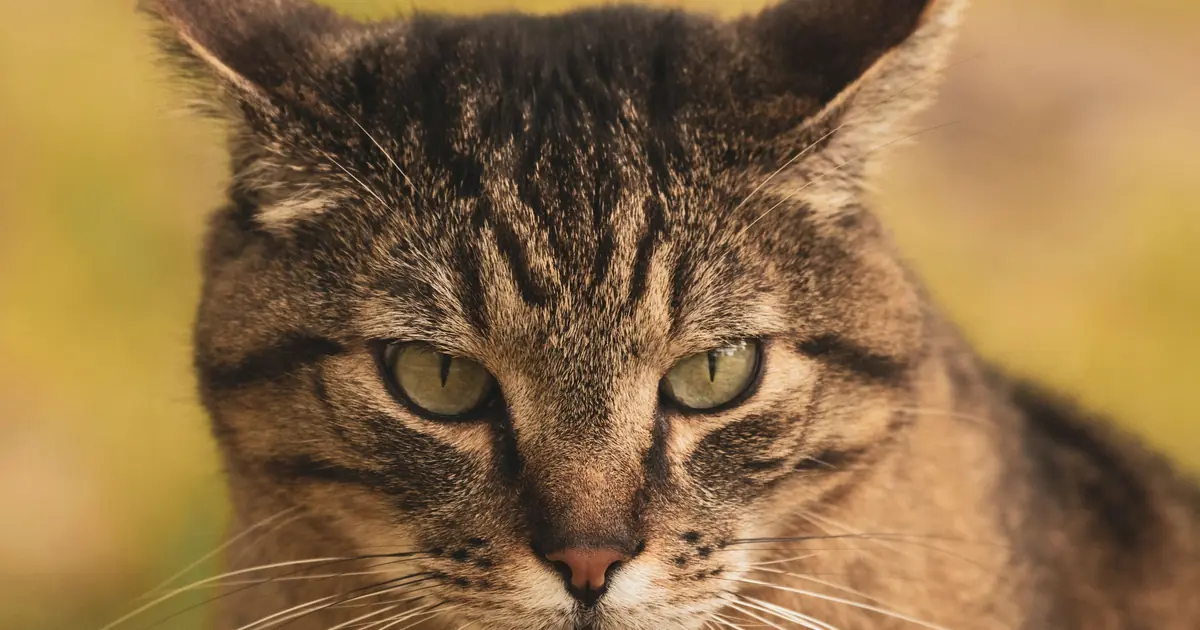
No, hot ears alone don’t mean your cat has a fever. Ear temperature swings with the weather, activity, and blood flow, so it’s too unreliable to use as a thermometer. A cat with normal internal temperature can have warm ears from a sunny nap, and a cat running a real fever can have ears that feel completely normal.
Fever, medically called pyrexia, means your cat’s internal body temperature has climbed above the normal range because of infection, inflammation, or illness. That’s a whole-body change, and touching an ear can’t tell you what’s happening inside your cat’s core.
How can I actually check if my cat has a fever?
The only accurate way to check a cat for fever is with a rectal thermometer, ideally a digital pediatric one. Here’s how to do it without turning it into a wrestling match:
- Have a helper gently but firmly hold your cat, wrapped in a towel if that helps her feel secure.
- Lubricate the tip of a digital thermometer with a bit of petroleum jelly or water-based lubricant.
- Lift the tail and insert the thermometer about half an inch to an inch into the rectum, holding it still.
- Wait for the beep, then read the number. Normal falls between 100.5 and 102.5°F (38.1 to 39.2°C).
- Reward your cat immediately with a treat, because she earned it.
According to VCA Animal Hospitals, a rectal reading is the only method accurate enough to catch or rule out a true fever in cats. If your cat won’t tolerate this at home, or you’re not confident doing it, skip straight to calling your vet instead of guessing.
What are the other signs of fever in cats?
A cat running a fever usually shows more than just warm ears. Watch for:
- Low energy or unusual sluggishness
- Skipping meals or refusing food entirely
- Hiding more than usual
- A faster than normal heart rate or breathing rate
- Shivering, despite feeling warm to the touch
- A dry, warm nose (on its own this isn’t reliable either, but combined with other signs it adds up)
- Dull, glassy-looking eyes
If your normally chatty cat suddenly goes quiet and stops purring the way she normally does, or your usually food-motivated cat walks right past a full bowl, that combination matters far more than how her ears feel. PetMD notes that lethargy and appetite loss are among the most consistent signs vets see in feverish cats.
When do hot ears mean it’s time to see a vet?
Hot ears need a vet visit when they show up alongside other symptoms, not when they show up alone. Use this table as a quick gut check.
| Harmless hot ears | Hot ears that need a vet |
|---|---|
| Cat is active, alert, and behaving normally | Cat is lethargic, hiding, or unusually quiet |
| Eating and drinking as usual | Refusing food or water for more than a few hours |
| Ears feel warm but look normal, clean, and calm | Ears are red, swollen, crusty, smelly, or your cat scratches at them constantly |
| Ears cool down within 20 to 30 minutes of moving to a cooler spot | Ears stay hot for hours regardless of the room temperature |
| Happened right after sun, play, or a warm room | No obvious trigger, and it’s paired with vomiting, shaking, or general distress |
If your cat is acting off in any way beyond warm ears, that’s your cue to check her temperature or call your vet rather than wait it out. A cat who’s hiding and not eating on top of feeling warm is telling you something is actually wrong.
Could ear infections or mites be causing the hot ears?
Yes, a local ear infection or ear mite infestation can make one or both ears feel hot, because inflammation brings extra blood flow right to that spot. This is different from a body-wide fever. It’s a localized problem in the ear itself, usually with its own giveaway signs: constant scratching or head shaking, a strong odor, redness inside the ear flap, and dark, coffee-ground-like discharge.
A cat ear infection often affects just one ear, a useful clue since a true fever tends to warm both ears evenly. Ear mites cause similar symptoms and are extremely itchy. Check what cat ear mites look like if you’re not sure, and if you spot them, your vet can confirm the diagnosis before you start any treatment for how to get rid of cat ear mites safely.
Is a hot-eared cat something to worry about?
Most of the time, no. This article is educational and isn’t a substitute for a real exam from a licensed veterinarian, especially if you suspect an actual fever. If you’re ever unsure, a quick call to your vet costs nothing but a few minutes.
Call your vet if you notice any of these red flags along with hot ears:
- Lethargy or a cat who won’t get up to greet you
- Not eating for more than 12 to 24 hours
- Hiding far more than usual
- Vomiting or diarrhea
- A confirmed rectal temperature over roughly 103°F
- Ears that are visibly red, swollen, or smelly
Never give your cat human fever or pain medication like acetaminophen or ibuprofen, even a small amount. According to the Merck Veterinary Manual, cats lack the liver enzymes needed to safely process these drugs, and even a single dose meant for a person can be life-threatening. If your cat truly has a fever, the only safe fix comes from your vet.
Frequently Asked Questions
Q: Are hot ears always a sign of fever in cats?
No. Hot ears are usually caused by sun exposure, warm rooms, or recent activity, not fever. A true fever needs a rectal temperature reading above 102.5°F to confirm, since ears alone aren’t a reliable gauge.
Q: What is a normal body temperature for a cat?
A healthy cat’s normal body temperature falls between 100.5 and 102.5°F (38.1 to 39.2°C). That’s noticeably warmer than the average human temperature of about 98.6°F, which is part of why cat ears often feel warm to our hands.
Q: Can sunbathing make a cat’s ears hot?
Yes. Cats love sunny spots, and thin-skinned ears heat up quickly in direct sunlight. Ears should cool back down within 20 to 30 minutes once your cat moves to a cooler area.
Q: Should I take my cat’s temperature at home?
You can, using a digital pediatric thermometer inserted rectally, which is the only method accurate enough to confirm a fever. If your cat resists handling or you’re not comfortable doing it, skip straight to your vet instead of guessing based on how warm she feels.
Q: What temperature counts as a fever in cats?
A rectal temperature above 102.5°F is generally considered a fever in cats. Temperatures above 106°F are an emergency and can damage organs, so a persistent high reading needs immediate veterinary attention.
Q: Can ear mites cause hot ears?
Yes, ear mites cause local inflammation that can make the affected ear feel warm, along with intense itching, dark debris, and a strong odor. This is a localized ear problem, not a body-wide fever, and it clears up with proper veterinary treatment.
Q: Why is only one of my cat’s ears hot, not both?
One hot ear points toward a local issue, like an ear infection, mites, or even a small injury in that specific ear, rather than a body-wide fever. A true fever tends to warm both ears fairly evenly since it affects overall blood flow, not just one spot.
Q: Can I give my cat human fever medicine like Tylenol or ibuprofen?
No, never give a cat acetaminophen, ibuprofen, or any human pain or fever medication. Cats can’t metabolize these drugs safely, and even one dose can be fatal. Always let your vet handle fever treatment.

Hello and welcome to The Ideal Cat!
We are some passionate cat owners from different professions. We love our cats and have a lot of experience in how to care for our pets. We are incredibly excited to share our knowledge, experience, and research with you. So you can take good care of your loving cat. We will answer most of the common questions about owning cats, taking care of them, etc. If you have any question contact with us. Thanks for visiting! Enjoy the content.
)